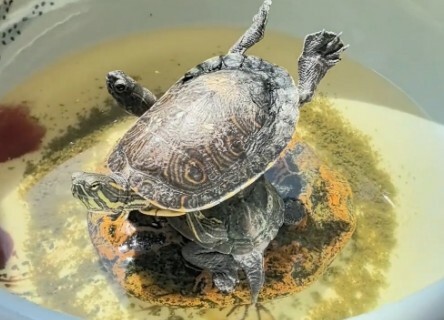
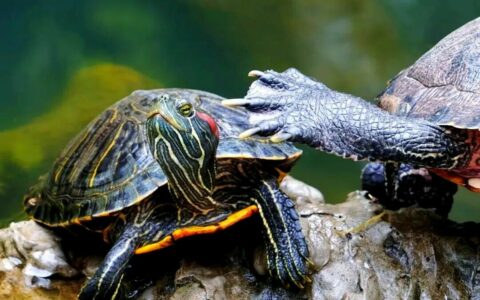
We understand that the hibernation of turtles is mainly related to temperature. When the temperature falls below 15°C, they will enter a state of hibernation. The most suitable hibernation temperature is between 0°C and 10°C, at which point turtles will fully enter deep hibernation. Similarly, when turtles are preparing to emerge from hibernation, temperature is also an important reference standard for us.
Turtle enthusiasts are spread throughout the country, and there are significant differences in the environment and temperatures across various regions. Therefore, we cannot solely rely on the month to determine the emergence time of the turtles. For example, in March, the temperature in Guangzhou is already high, reaching twenty-seven or twenty-eight degrees during the day, while Beijing remains cold, with temperatures possibly only a few degrees. If we hastily let the turtles emerge from hibernation based solely on the month, wouldn’t that be chaotic? Therefore, we must pay attention to the local ambient temperature and reasonably arrange the emergence time for the turtles. To facilitate the judgment of turtle enthusiasts, a quantified standard for emergence is provided here.

When the highest daytime temperature in the area where you keep the turtles exceeds 25 degrees, the lowest nighttime temperature is not below 18 degrees, and the maximum temperature difference between day and night is within 10 degrees, this kind of temperature is suitable for turtles to emerge from hibernation. At the same time, we also need to observe the weather trend for the next ten days to see if the temperature maintains a stable upward trend. If it only gets hot for two consecutive days and then suddenly cools down, it is not recommended to let the turtles emerge from hibernation too early in such a situation.
Of course, we can also choose not to intervene and let them wake up naturally. As long as the health of the turtles is ensured, let them wake up by themselves and crawl out of the hibernation environment. This process may be relatively long, and some sleepy turtles may even sleep until May. This requires us to be patient and not to be impatient.
After a long winter, as the weather gradually warms up, the turtles will also usher in an active period. This is the most suitable time of the year for the growth of the turtles. We can feed the turtles some dried fish and dried shrimp to supplement their nutrition and help them thrive.
Well, that’s all for today. If you find it helpful, welcome to like, follow, and retweet.
Original article by KPTer, if reproduced, please cite the source: https://www.kaipet.com/en/hibernating-turtles-emerge-hibernation-master-key-temperature-arrange-emergence-time