

“Why did my turtle die as soon as spring started?” Recently, we’ve received many requests for help from fellow turtle keepers in our private messages. Spring is a high-risk period for turtle keeping! With large temperature differences and unstable metabolism, a single operational mistake can get your beloved turtle killed. Today, we’ll uncover the 4 most common mistakes turtle keepers make in spring, especially the last one—a trick many people fall for when buying turtles.
Taboo 1: Frantically Feeding After Hibernation, Beware of Enteritis Warning
❌ Incorrect Operation:
Seeing the turtle end its hibernation and immediately feeding it high-protein foods (dried shrimp, fish pellets), or even doubling the amount to compensate for the hibernation “deficit.”
⚡ Fatal Risk:
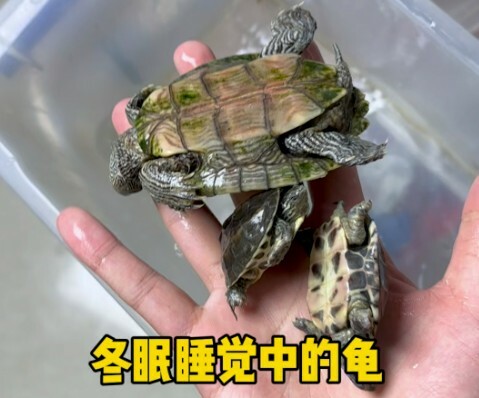
After hibernation, a turtle’s digestive function has only recovered to about 30%. Sudden binge eating can lead to gastroenteritis (symptoms: floating on the water surface, refusing to eat, abnormal droppings). Last year in Hangzhou, a turtle keeper caused 3 Chinese pond turtles to die suddenly within a week due to overfeeding!
✅ Correct Method:
Observe its condition first: Let it rest quietly for 2–3 days after it comes out of hibernation, and only feed it after it actively forages for food. Gradual feeding: In the first week, feed easily digestible turtle pellets (softened), with the amount controlled to 1/3 of the usual. Heat to aid digestion: Only start normal feeding when the water temperature is stable above 25°C (77°F).
Taboo 2: Instantly Removing the Heating Rod, Beware the “Cold and Flu Package”
❌ Incorrect Operation:
Rushing to remove heating equipment as soon as the weather warms up, or turning it off during the day and on at night, causing drastic fluctuations in water temperature.
⚡ Fatal Risk:
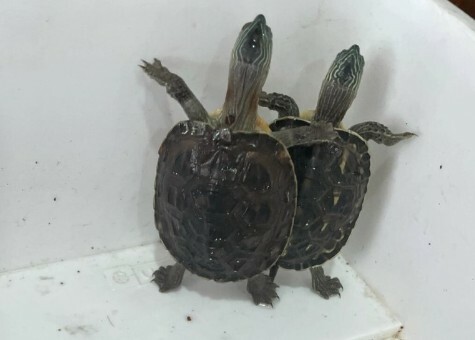
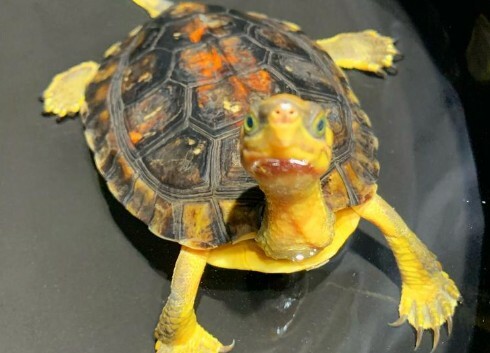
The diurnal temperature variation in spring can reach 15°C (27°F). Turtles can develop pneumonia / colds due to temperature-related stress (symptoms: open-mouth breathing, listing). In one case in Shanghai, a Yellow-margined box turtle valued at over 10,000 RMB died of pneumonia because the heating rod was removed too quickly!
✅ Correct Method:
“Step-by-step” temperature reduction: Lower the temperature by 1–2°C (1.8-3.6°F) every 3 days until it matches the natural water temperature. Backup heating rod: Be ready to use it anytime during a spring cold snap. Temperature buffer: Place a basking platform in the water to provide a localized, constant-temperature zone.
Taboo 3: Frequent Water Changes, Beware the “Temperature Difference Assassin”
❌ Incorrect Operation:
To maintain water quality, directly changing the entire tank of water or pouring in tap water that hasn’t been allowed to stand.
⚡ Fatal Risk:
A temperature difference of over 3°C (5.4°F) between the new and old water can trigger stress-induced skin rot in turtles (especially Red-eared sliders and Chinese pond turtles). Netizen @爱龟小张 (TurtleLoverZhang) once caused a collective outbreak of white eye disease (inflammation of the turtle’s cornea and conjunctiva, leading to swollen, white eyes) in his turtle hatchlings due to overly frequent water changes!
✅ Correct Method:
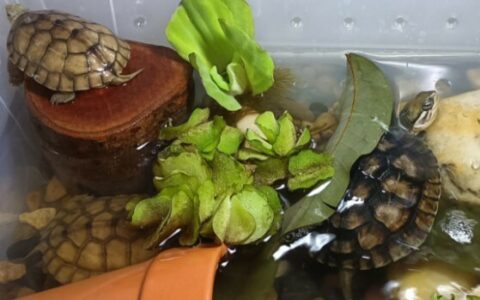
The 1/3 water change principle: Only change a portion of the water each time to preserve the original tank’s temperature. Let water stand beforehand: Let tap water sit for 24 hours to dechlorinate, or use a water heater to adjust the temperature. Convenient gadgets: Install a filter (water circulation filtration system) to reduce the frequency of water changes, or use water hyacinths for ecological water control.
Taboo 4: Frantically Buying Turtles, Beware of Taking on Leftover Stock
❌ Incorrect Operation:
Being attracted by sellers’ “spring specials” and impulsively buying multiple turtles, especially low-priced “sick turtle mystery boxes.”
⚡ Fatal Risk:
Spring is the peak season for turtle diseases, and unscrupulous sellers often take this opportunity to clear out their inventory of turtles with poor constitutions (e.g., turtles with shell rot, turtles with parasites). Last year, turtle hobbyist @老李 (Old Li) bought 10 “special offer” turtles online, and 8 of them died within a week!

✅ Correct Method:
The “three checks” for selecting a turtle: Check the eyes (bright, not sunken), check the vent (clean with no residue), and check its vitality (swims quickly when placed in water). Quarantine and observe: Keep new turtles in a separate enclosure for 15 days to avoid infecting your existing turtles. Avoid promotion traps: April–May is the actual peak market season for healthy turtle hatchlings!
Conclusion: Remember these words for spring turtle care! “Feed slow, change less, keep temps steady; control your hands, and see the results by fall.” Raising turtles is a marathon, don’t let the impatience of spring ruin the entire year’s expectations! If you’ve ever made these mistakes, give this a like to help more turtle keepers avoid these pitfalls.
Original article by 搬运工, if reproduced, please cite the source: https://www.kaipet.com/en/turtles-dying-start-spring-uncovering-4-fatal-spring-turtle-keeping-mistakes




Comments(2)
Such crucial spring advice! I’m curious, what are your personal ‘red flags’ when buying new turtles to avoid sick stock?
@CriticX:感谢 CriticX 的提问!很高兴这篇春季养龟指南对您有帮助。关于购买新龟的“红旗”,文章第四点已提及“三查”(眼睛、泄殖腔、活力)和隔离观察。我们建议在此基础上,多留意卖家的信誉和来源,并避免过低的促销陷阱。