

The saying “turtles live for a thousand years, tortoises for ten thousand” is deeply ingrained, leading many people to choose turtles as pets. However, many turtle keepers (friends who raise turtles) find after getting into the hobby (starting to keep pets) that their turtles often don’t survive for a year. What exactly causes pet turtles to be so “short-lived”? In fact, the problems mainly lie in 4 areas.
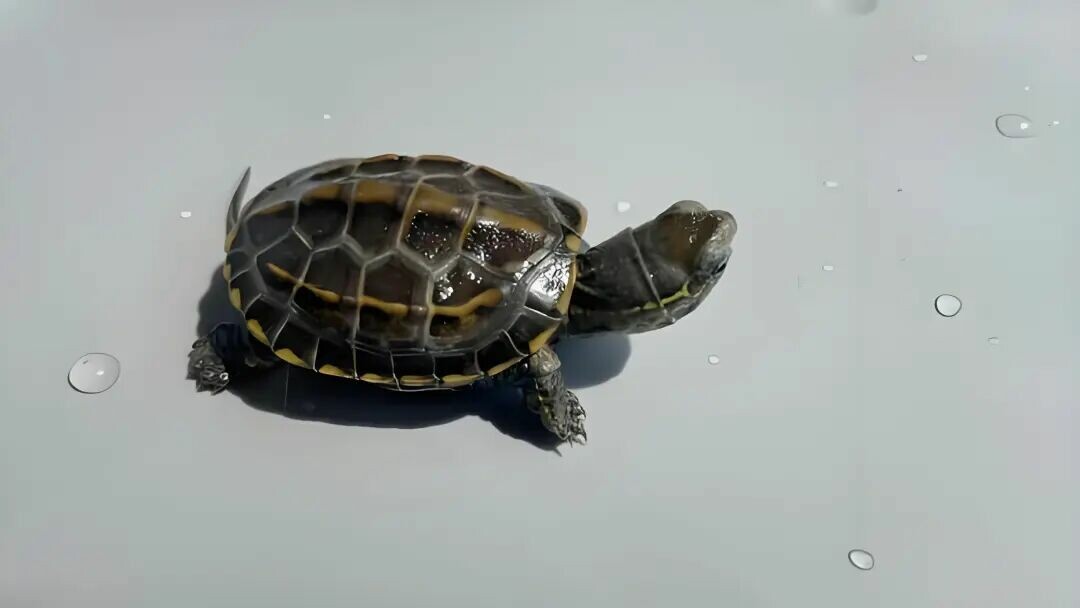
Common Husbandry Mistakes
Environmental Mistakes
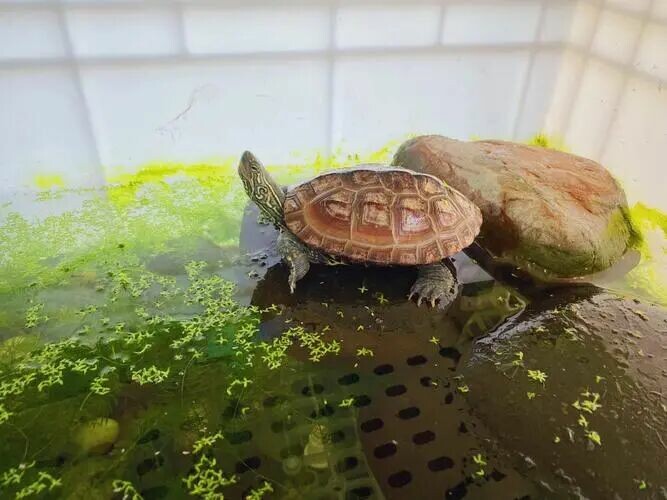
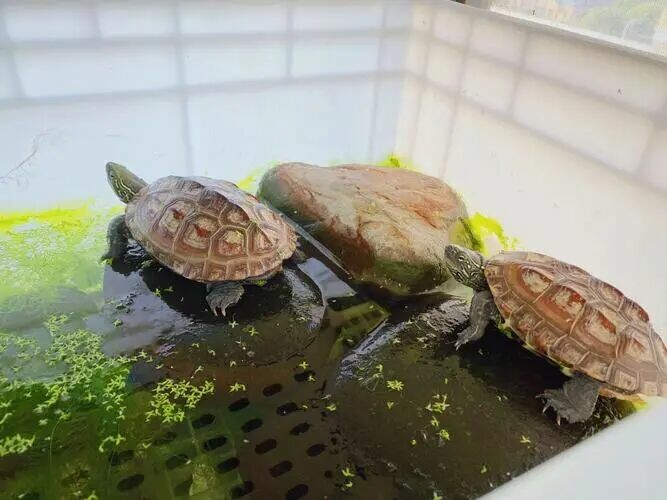
Many owners mistakenly treat turtles as purely terrestrial pets, keeping them in shallow basins, which leads to dehydration or even death. In reality, most turtles commonly found on the market are aquatic species that require a sufficient body of water and a piece of land for resting and basking. This is what we often call a basking platform, which allows the turtle to bask in the sunlight.
The habitat is indeed a critical step for a turtle’s long-term survival. We don’t need a luxurious setup, but the necessary components must be provided.
Improper Feeding
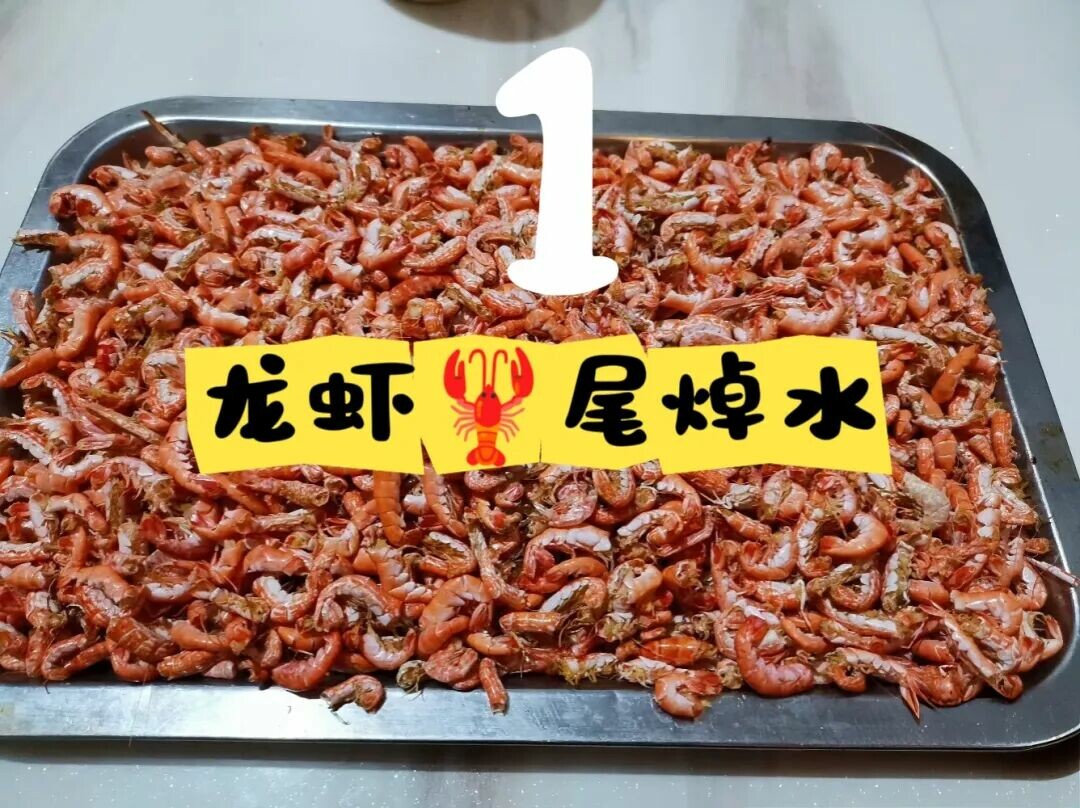
Long-term feeding of only meat or dried shrimp is not ideal; compared to feeding only one type of food, turtle food is the most reliable option. An excessively monotonous diet will lead to malnutrition. More seriously, casually feeding high-salt, high-oil human snacks like bread crumbs or ham sausages can cause kidney failure in turtles.
Excessive Interaction
Frequently handling a turtle can easily cause it to become frightened and have a stress response (a series of non-specific physiological and behavioral reactions produced by an organism when stimulated), leading to a refusal to eat and decreased immunity. This is a common mistake we often make when first getting a turtle; playing with it too frequently is not good. Turtles are not the kind of animal that needs ‘petting’ (stroking).
Basking Mistakes
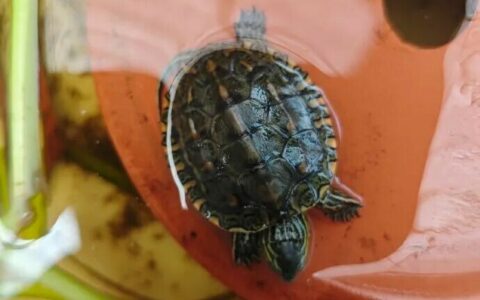
Improper use of a basking lamp, such as leaving it on 24/7, will lead to a cracked turtle shell and heatstroke, which in turn accelerates death.
Key Points for Turtle Husbandry
To raise a turtle well, remember these 5 key points:
- Water level should be 2-3 times the height of the turtle’s shell, and a basking platform must be provided.
- Keep the water clean and change it regularly.
- Balanced diet: Use high-quality turtle food as the staple, supplemented with fresh fish and shrimp. Fruits and vegetables can be added in moderation for adult turtles.
- Reduce handling and provide the turtle with a quiet environment.
- Prioritize natural sunlight. Basking lamps should be used for no more than 4-6 hours daily, and pay attention to the lamp’s distance—if it’s too close, it will be too hot.
By doing these things, your turtle can escape the “one-year curse” and truly become a long-lasting cute pet (adorable pet) companion.
Original article by 搬运工, if reproduced, please cite the source: https://www.kaipet.com/en/turtles-surviving-year-master-5-key-tips-turtle-live-long-easy-life







Comments(2)
This is a fantastic guide! I’m curious for long-term keepers, what one tip here made the biggest difference for your turtle?
@CriticX:Thank you for your kind words! We’re delighted you found this guide helpful. It’s a great question for our community! We encourage long-term keepers to share which tip from the article made the biggest positive difference for their turtles.