

Proven effective! This homemade turtle food is nutritionally balanced and also helps enhance coloration.
Why Enhance a Turtle’s Coloration
Improve aesthetic value: Many turtle species become more visually striking after color enhancement; their carapaces, skin, or patterns may appear more vivid and varied. Examples include the “Flame Turtle” and the “Red-cheeked Mud Turtle.” Enhancing coloration can greatly increase their ornamental value and satisfy keepers’ aesthetic preferences.

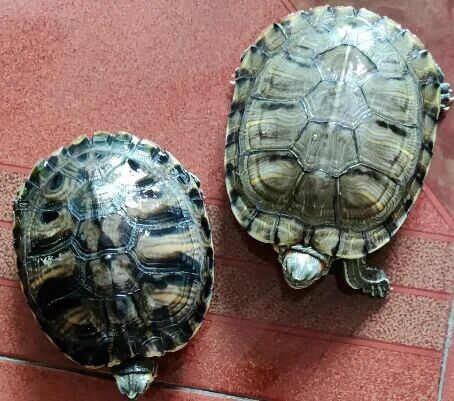
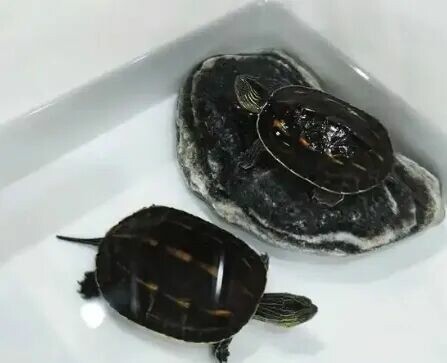
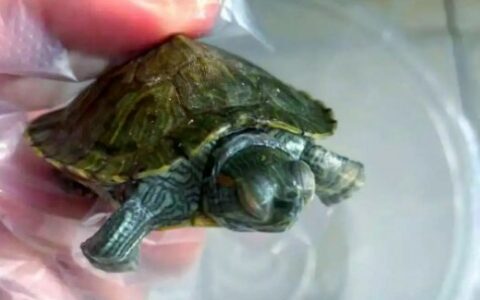
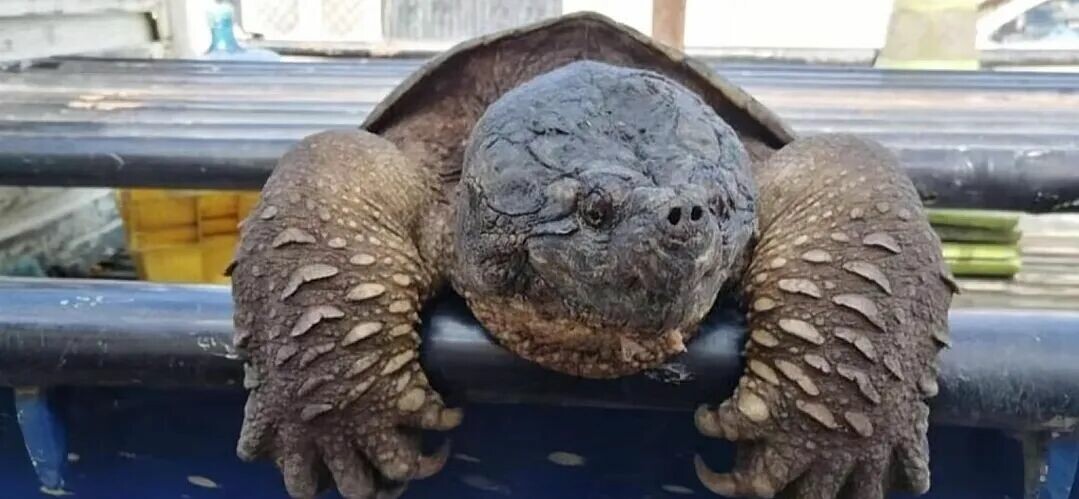
The following turtles tend to look better after coloration enhancement
- “Red-cheeked Mud Turtle”: Juveniles look ordinary, but adults develop bright red facial stripes that resemble Guan Gong’s red face; combined with a golden-like carapace, they are highly ornamental.
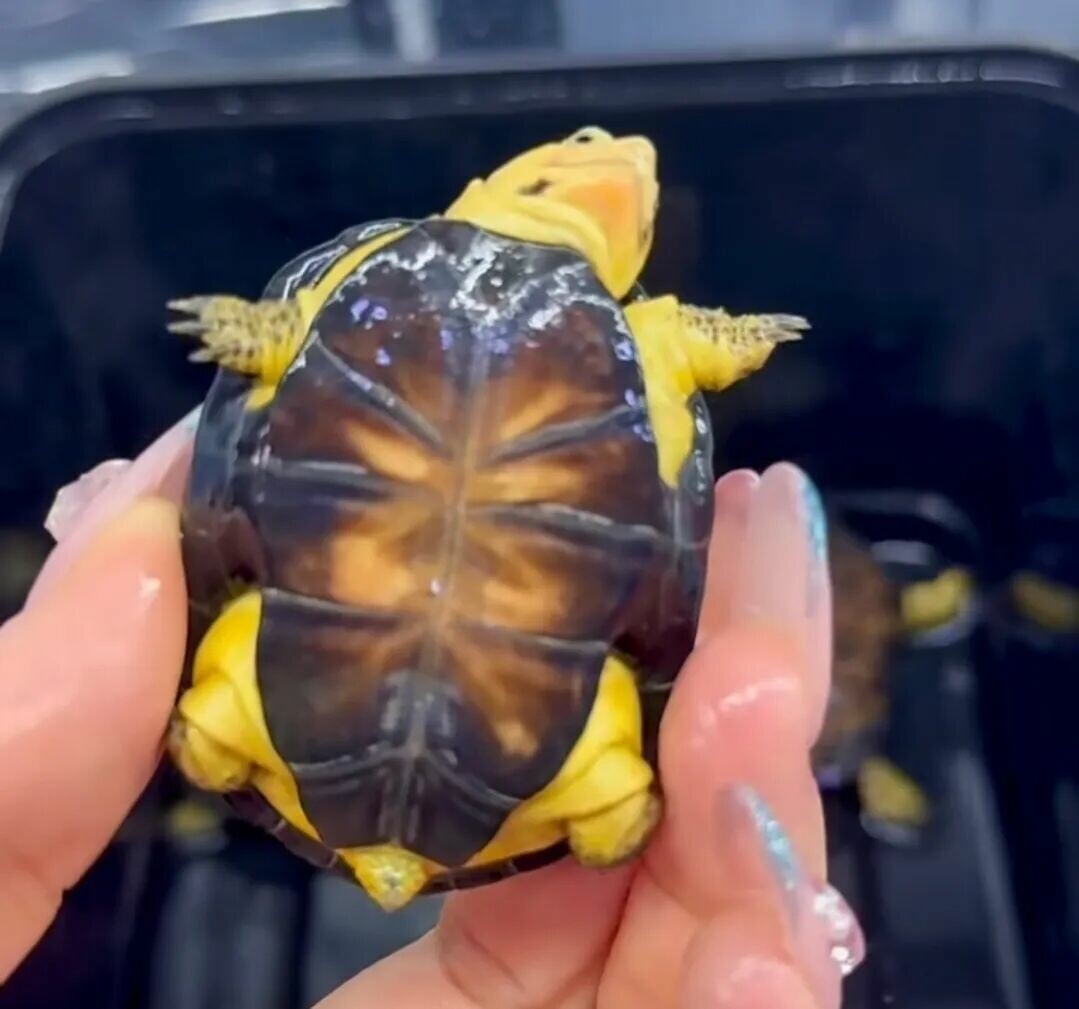
- “Flame Turtle”: As they mature, red streaks on the carapace resemble flames and look very striking.
- “Grass Turtle”: Juveniles are usually darker; in some adults golden line patterns appear on the carapace and males may show melanization. Color-enhancing food can make the gold lines more distinct and improve melanization.
- “Yellow-throated Pond Turtle”: During growth the carapace color gradually becomes yellowish; they have a naturally “smiling” face and look like polished jade. Color-enhancing food accelerates yellowing of the coloration and enhances ornamental value.
- “Helmeted Mud Turtle”: Juveniles have a plain black appearance; in adults the head patterns become varied and the carapace yellowed. Color-enhancing food makes the head markings and carapace colors brighter.
- “Yellow-margined Box Turtle”: This species has a naturally noble appearance; color-enhancing food deepens the antique tones of its carapace, perfectly showcasing its aristocratic look.
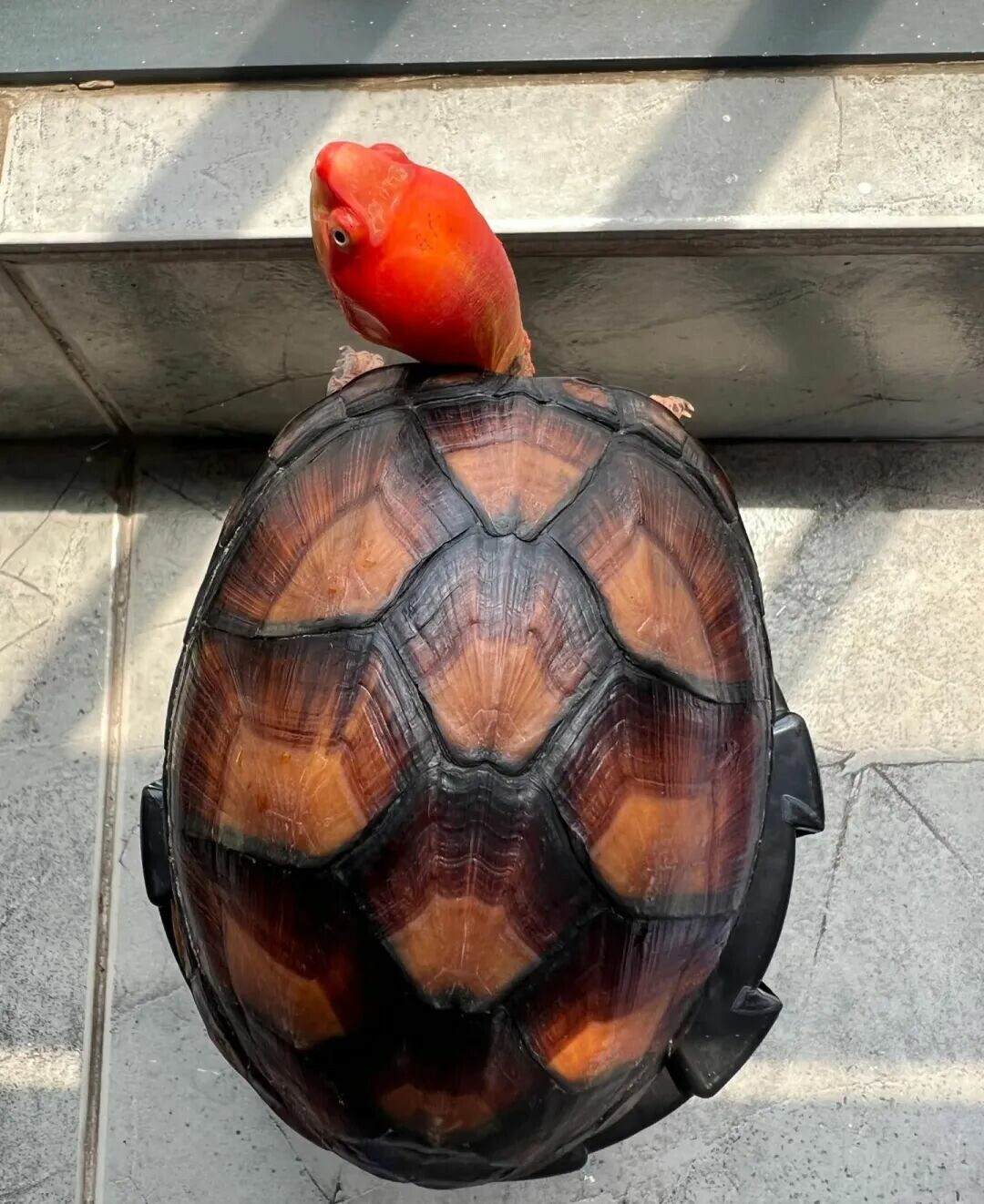
Food choices for homemade color-enhancing turtle feed
Select the following: foods rich in pigments such as astaxanthin and carotenoids. Examples include shrimp shells, carrots, pumpkin, tomatoes, and crab shells.
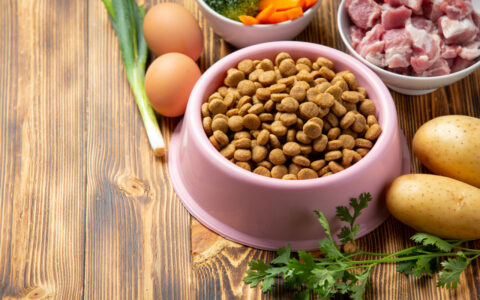
In addition to color-enhancing ingredients, ensure nutritional balance by providing foods rich in protein, vitamins, and minerals, such as fish, shrimp, insects, and vegetables.
Preparation steps
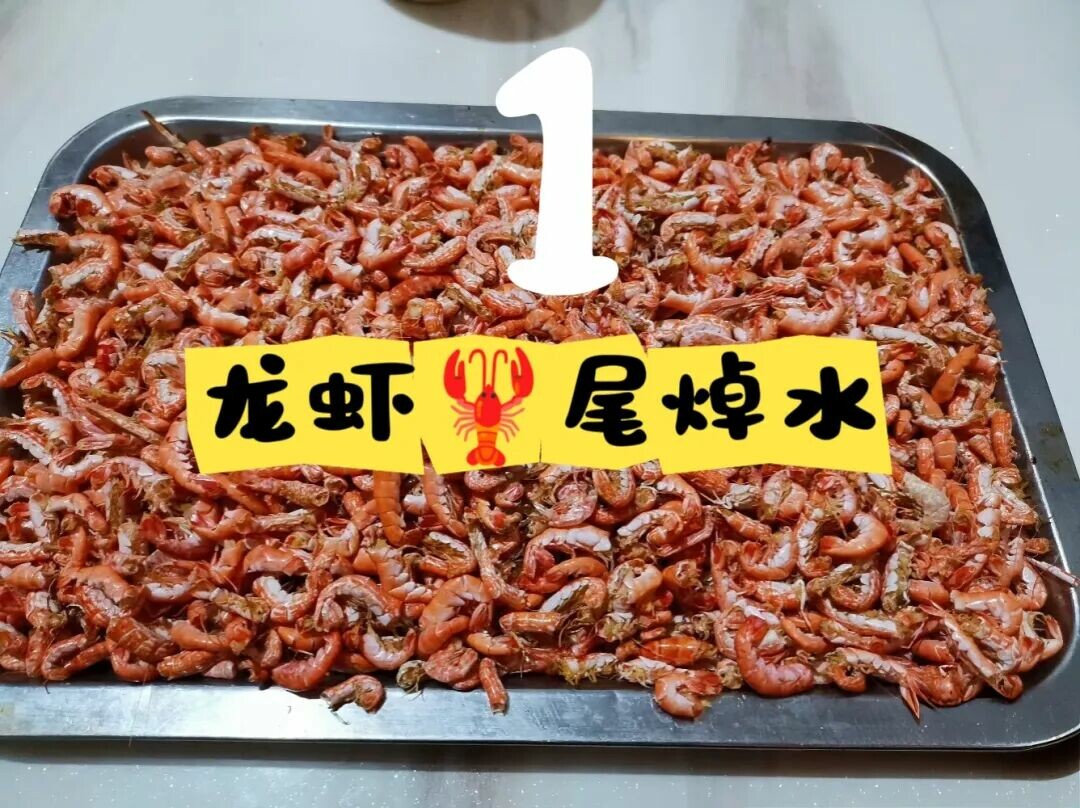
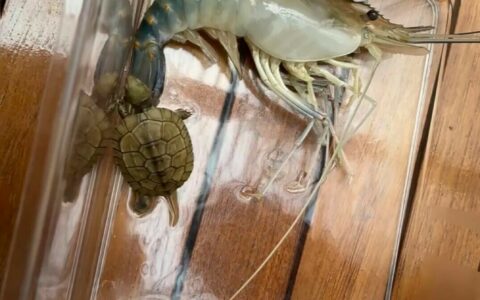
Prepare lobster (or crayfish) tails and blanch
Lobster tails are an excellent choice for homemade color-enhancing food. Lobster tails are rich in astaxanthin and are a high-quality source of protein, providing nutrients needed for growth and health maintenance.
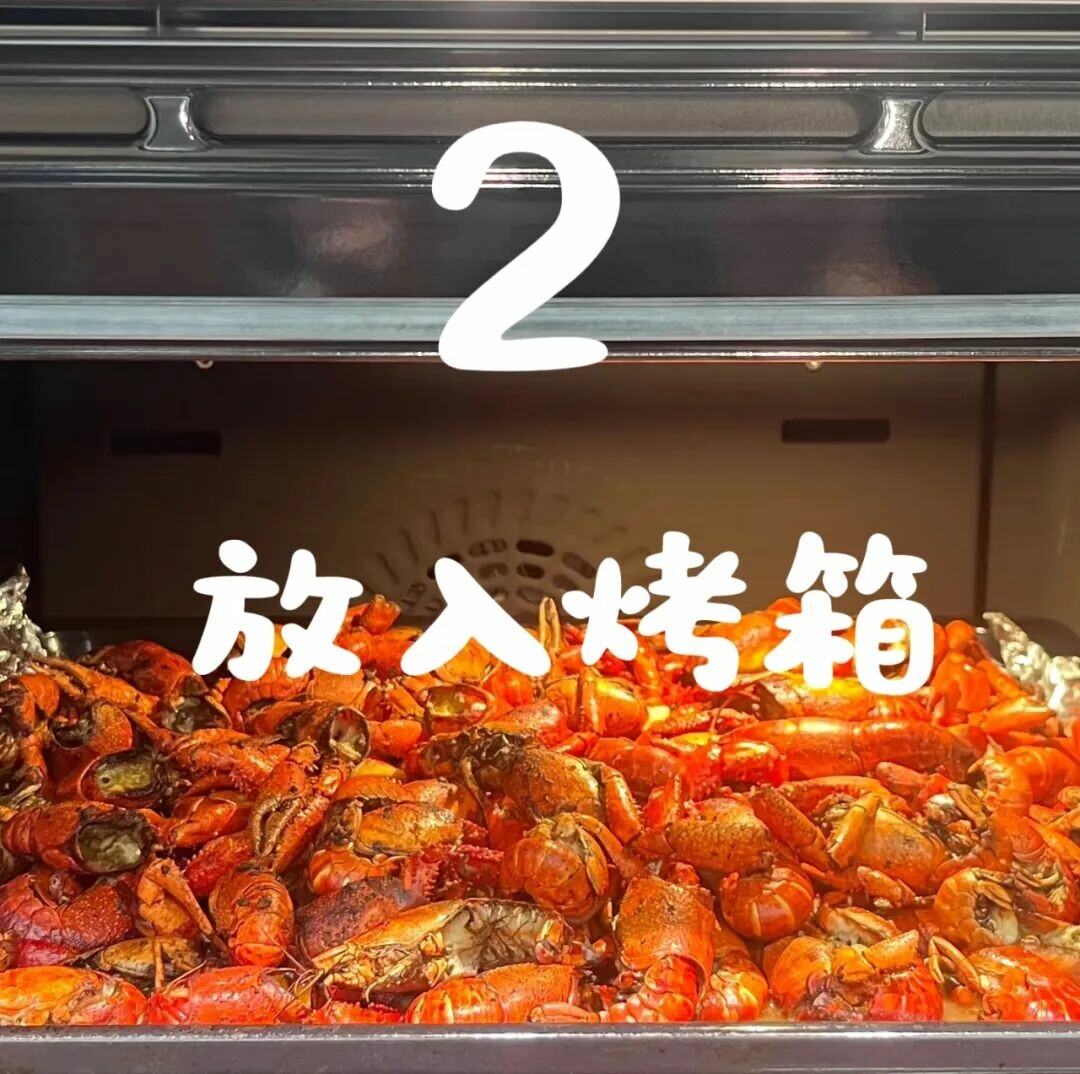
Roast the lobster tails until dry and grind into powder
During seasons when lobster/crayfish are plentiful, it is ideal to grind them into powder. This preserves their high nutritional value and makes storage convenient.

Mix the powdered shell into vegetables or meat
Turtles such as the “Flame Turtle” and “Yellow-margined Box Turtle” that enjoy vegetables will find vegetables alone monotonous. Mixing the powdered shell into vegetables makes them tastier and more nutritious.
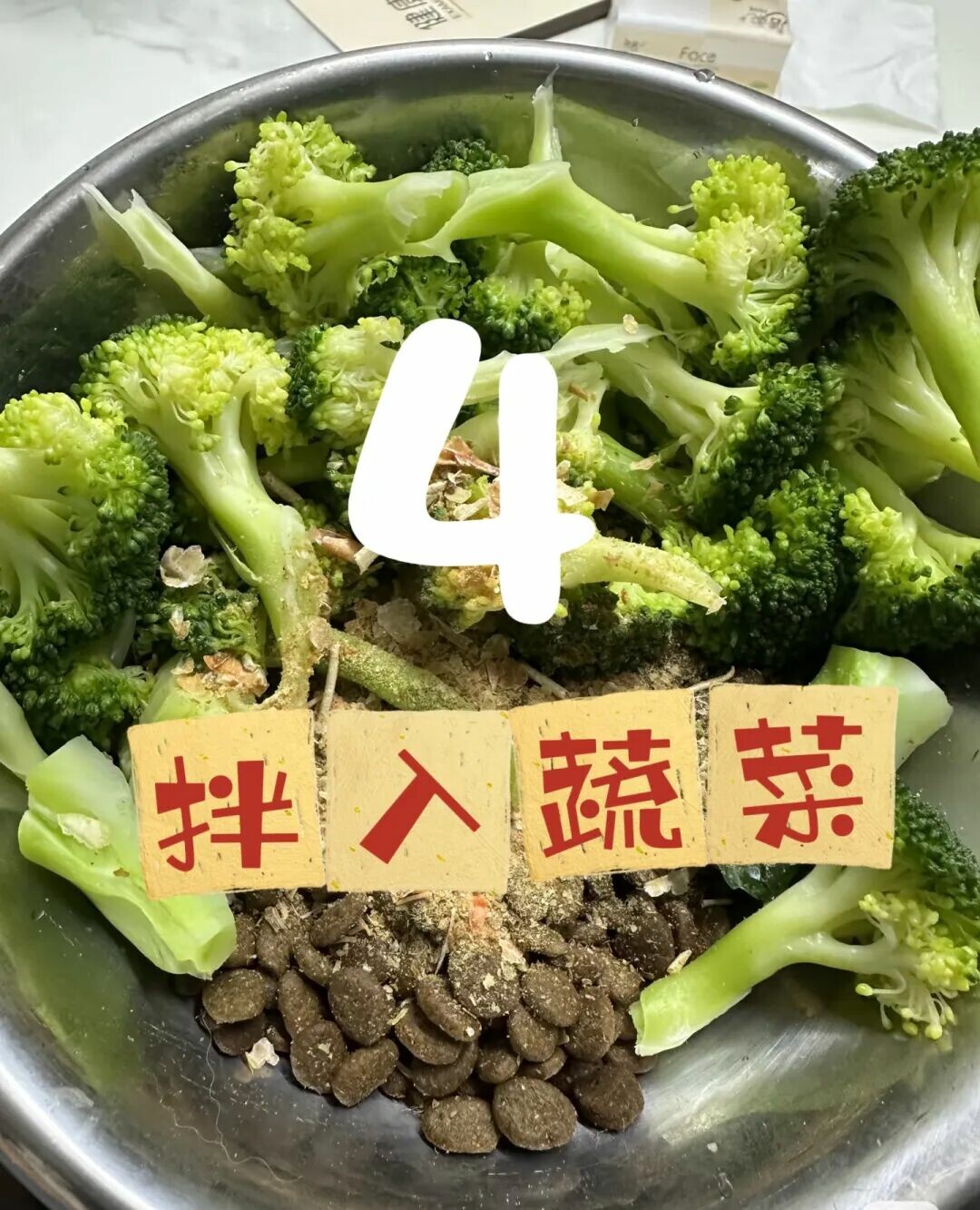
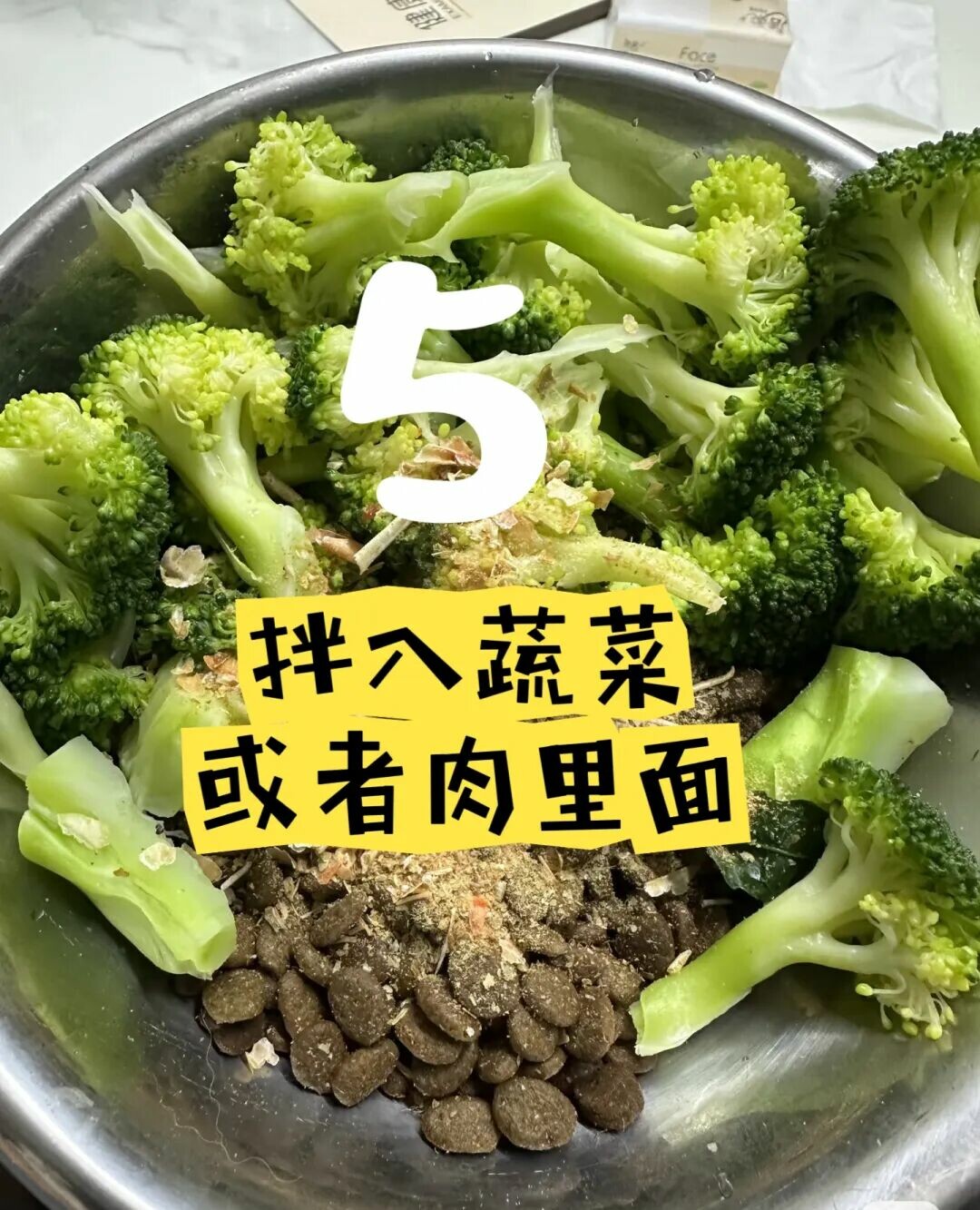
Steam the vegetables and mix with shrimp powder
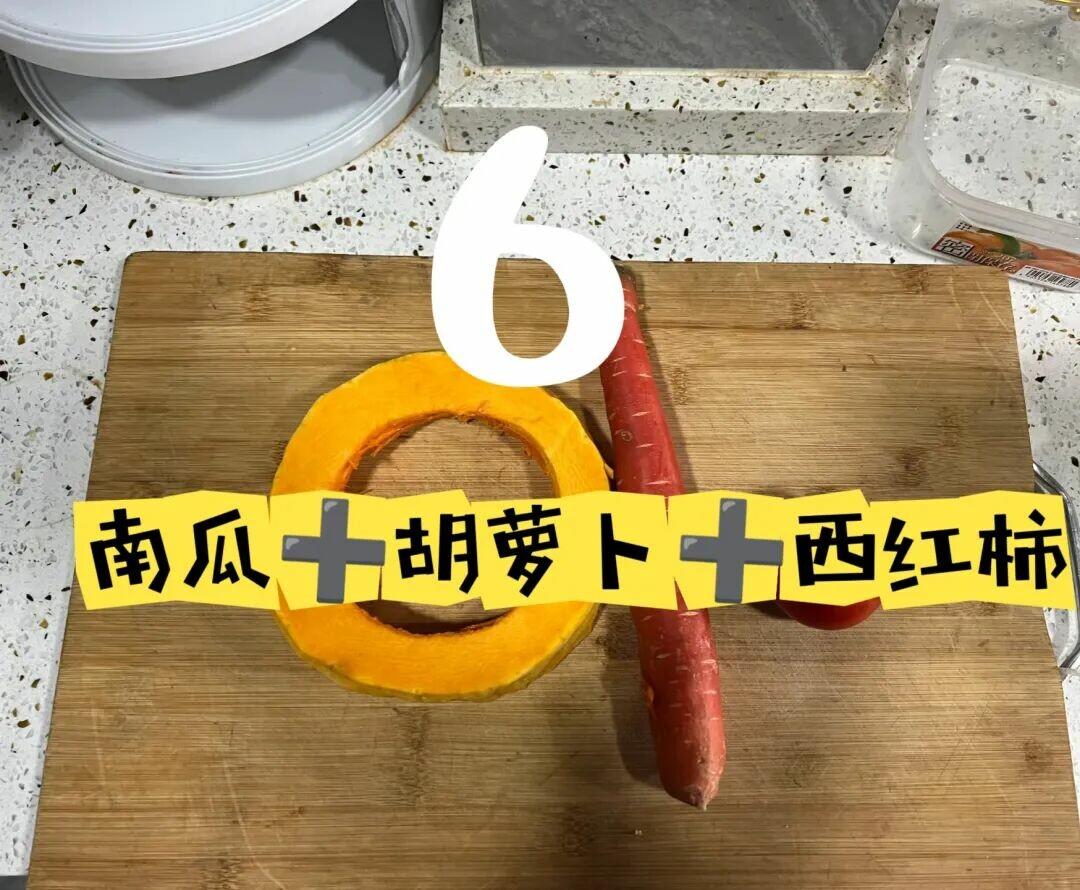
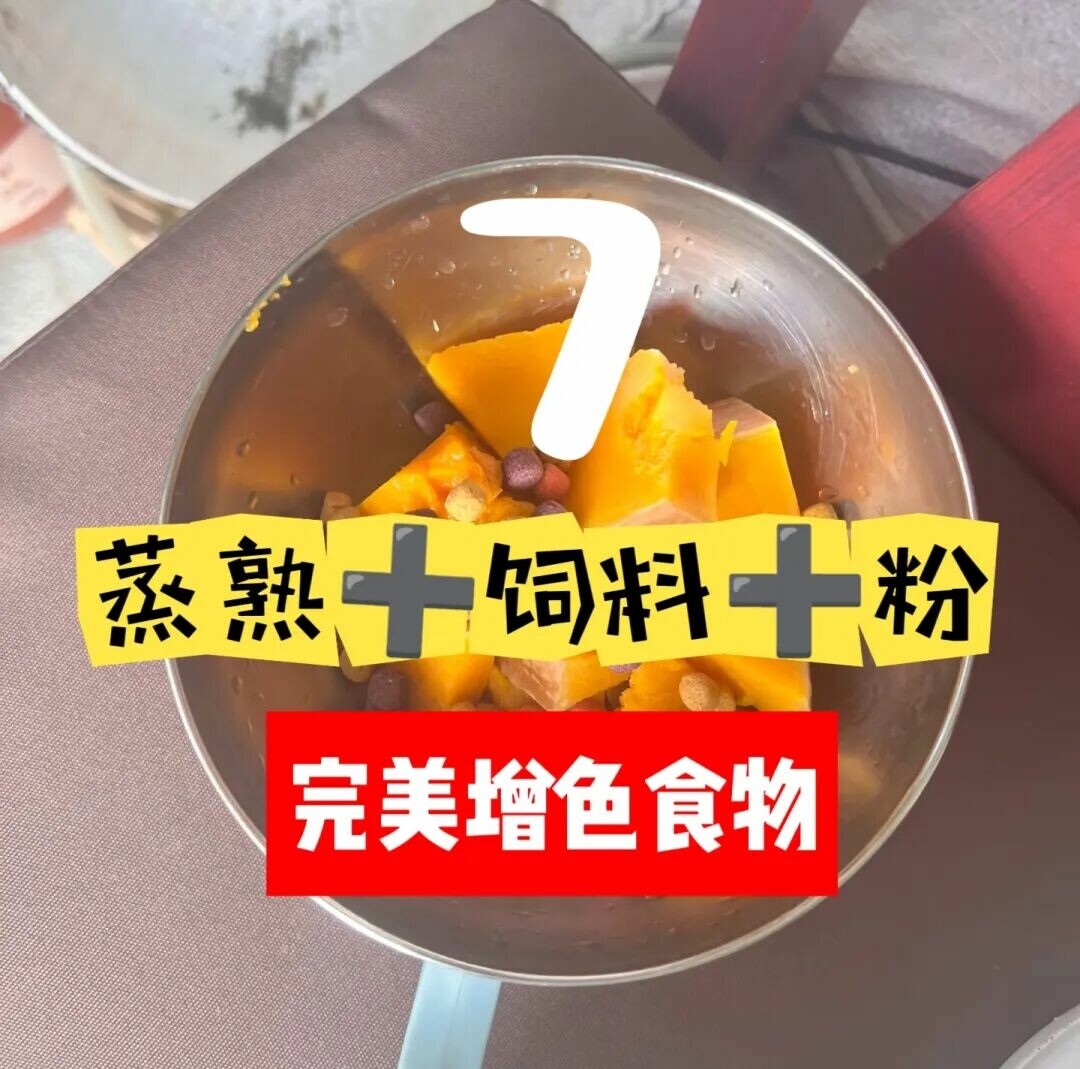
Carrots, pumpkin, and tomatoes are also color-promoting vegetables. Carrots and pumpkin can be steamed; once softened, mixing them with the shrimp powder creates a highly palatable and easily digestible food. After the above steps, you will have made a perfect color-enhancing turtle food — quite simple, isn’t it?
Other color-enhancing methods beyond dietary supplementation
In addition to dietary methods for enhancing coloration, here are two other approaches — internal and external care — that help produce beautiful turtles.
- Provide adequate lighting: Allow turtles to bask appropriately; this promotes synthesis of vitamin D, which is conducive to pigment deposition.
- Provide suitable substrate: Line the turtle tank with natural substrates such as river pebbles or sand to create a natural habitat; this helps turtles display their natural coloration.
Additional recommendations: More sunlight exposure, feeding “sweet potato leaves” and specialized color-enhancing feeds — for example those containing krill meal and astaxanthin, such as the product “HaiTun Shan Yijun Color-Enhancing Turtle Feed” (product name) — can all promote coloration.
Original article by KPTer, if reproduced, please cite the source: https://www.kaipet.com/en/proven-effective-homemade-color-enhancing-turtle-food-nutritious-simple







Comments(2)
This is such a comprehensive guide! I’m curious, for turtles new to homemade food, do you recommend a gradual transition?
@CriticX:Thank you for your kind words! That’s an excellent question. For turtles new to homemade food, a gradual transition is indeed recommended. Start by mixing small amounts of the new food with their familiar diet, slowly increasing the homemade portion over several days to avoid digestive upset. This helps them adjust smoothly.