

Most turtles are not troubled by colder weather; simply moving them indoors into a room without air conditioning is usually sufficient.
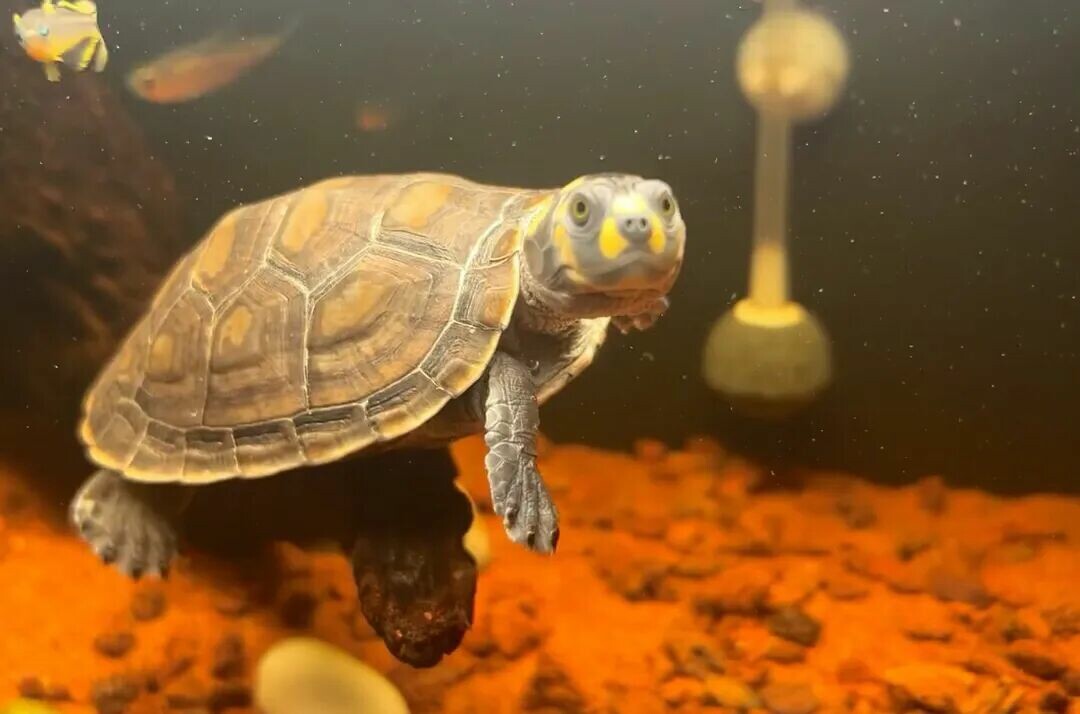
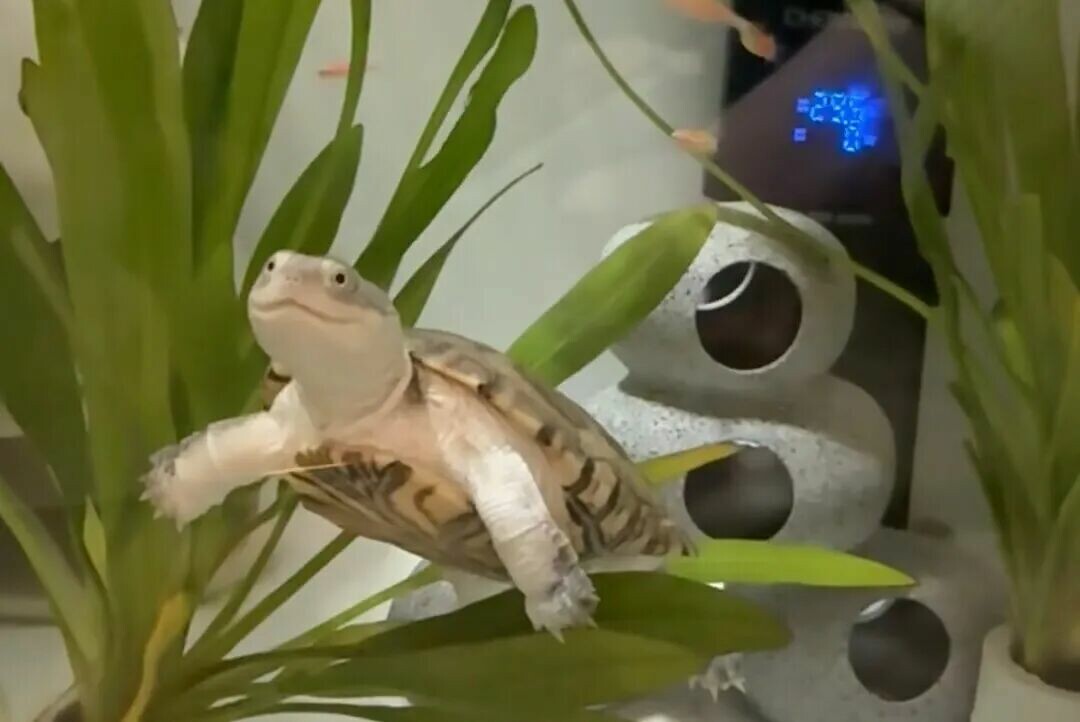
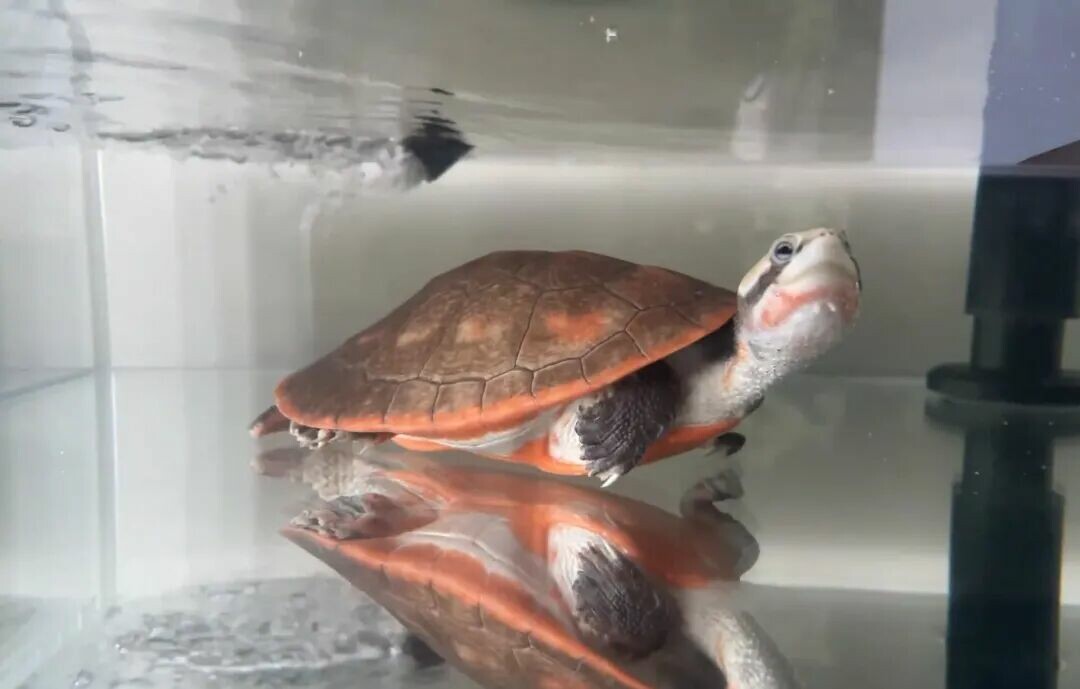
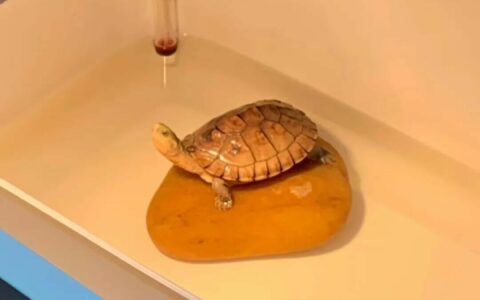
However, some tropical species — such as the yellow-spotted (yellow-headed) sideneck turtle, the red-bellied short-necked turtle, and the mud/egg-type red-cheeked turtles — require heating equipment to ensure they pass the winter quietly and safely.
Some weak, sick, or juvenile turtles may not be able to hibernate safely during winter; in those cases you should consider using supplemental heat and maintaining regular feeding.
Today I will share some precautions for heated husbandry.
“Use a proper aquarium heater”
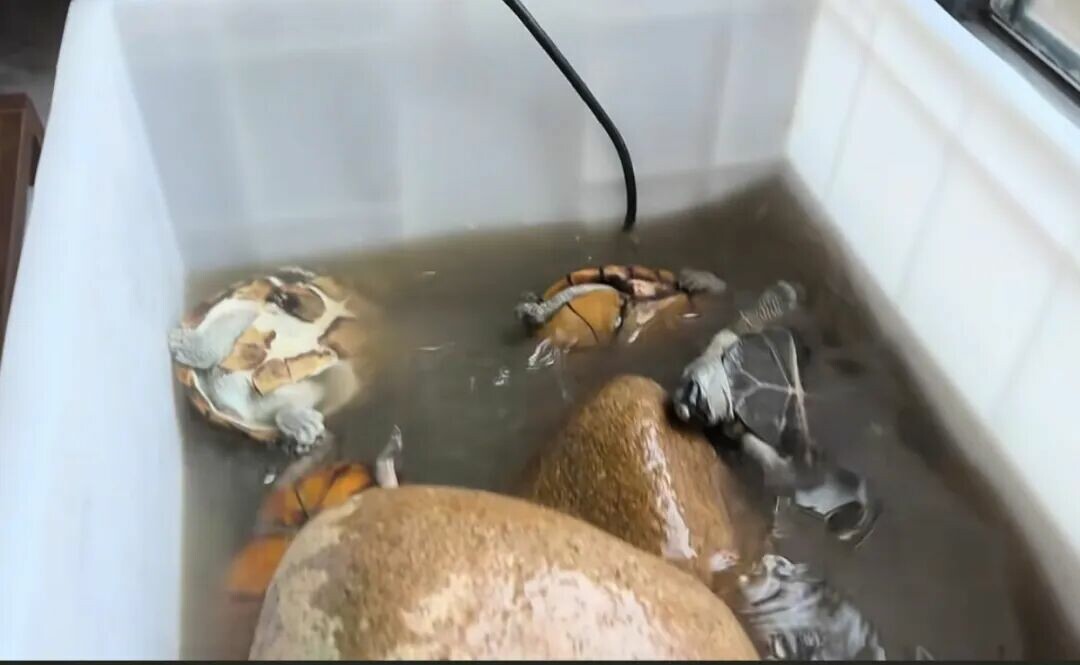
Three years ago I was careless and bought a cheap off-brand heater; after one night a yellow-headed sideneck turtle and two small red-cheeked mud turtles began to smoke — the water was scalding hot.
When buying a submersible aquarium heater, do not buy an unknown or unbranded model; otherwise a turtle’s survival may depend entirely on luck.
Buy a “temperature-controlled plug”
Even a reputable heater can sometimes fail. To prevent uncontrolled water temperature, it is advisable to pair the heater with a temperature-controlled plug / thermostat socket that will cut power immediately if the water gets too hot.
This helps prevent the risk of a runaway temperature rise. Turtles can typically withstand a short period of slightly low temperature, but a sustained increase in temperature can be fatal.

A blogger who kept a pond full of prized turtles prepared to move them into new equipment the next day. He placed a large stone in the pond, thinking that if the heater lost control the turtles could climb onto the rock and escape. That night the stone became scalding hot and the turtles were fatally overheated.
Buy two identical heaters
Why emphasize “two”? There are two practical reasons:
(1) Keep one heater in the tank for daily use and have the second one as an immediate spare in case the first fails.
(2) Use the second heater when changing water. To avoid temperature shock between new water and old water, preheat the new water until it matches the tank temperature, then perform the water change — this prevents temperature differences caused by the change.
Fit an aquarium filter
Many hobbyists do not use a filter and rely on water changes; this is acceptable in other seasons.
But if you are keeping turtles with supplemental heating in winter, you should consider adding a filter, because the temperature difference between the tank water and indoor air tends to be larger in winter. A filter reduces the need for frequent water changes and provides turtles with a more stable living environment.
Do not set an “out-of-water basking platform”
For heated indoor keeping in winter, it is not recommended to set a full dry basking platform that exposes turtles to lower air temperatures for long periods.
If a turtle is exposed to much lower air temperature than the water, the air–water temperature difference can lead to respiratory issues. Instead, provide stepping stones so the turtle can raise its head to breathe air as needed, while avoiding prolonged exposure to cold air.
Put a protective sleeve on the heater and keep it fully submerged
A protective sleeve for the heater has multiple benefits: it prevents turtles from biting the heater, buffers sudden water-temperature changes to keep the water more stable, and prevents turtles from being burned by a hot surface.
The heater must be fully submerged; if the water level drops due to evaporation, top up water promptly to ensure the heater remains covered.
Those are the main precautions for heated husbandry — please feel free to add any suggestions so we can raise our turtles well together.
Original article by KPTer, if reproduced, please cite the source: https://www.kaipet.com/en/turtle-winter-heater-6-essential-precautions-beginner




Comments(2)
Such a comprehensive guide! For tropical species, what’s the ideal water temperature range you aim for during winter heating?
@CriticX:Thank you for the compliment! While the article focuses on precautions, a general guideline for most tropical species during winter heating is around 75-82°F (24-28°C). It’s crucial to observe your turtle and adjust as needed.