

A review of five turtle species that are extremely hardy—80% of turtle enthusiasts have never managed to kill one.
Musk Turtle: From “Little Stinker” to a Hard-Core Turtle with Excellent Aquatic Ability
When young, it was nicknamed “Little Stinker” due to its small, delicate body and excellent interactivity; it was the most affordable among slider turtles.
As an adult, it can thrive in virtually any environment, rarely falls ill, exhibits outstanding aquatic ability, and can be raised in deep water—crucially, it does not require any supplemental heating.

Feature Analysis
- Nicknamed “Little Stinker”
- Compact body (adults measure only 8–14 cm)
- Among slider turtles (a collective term for small freshwater turtles in the North American turtle family), it is the most budget-friendly.
- Adult Advantages:
- Strong adaptability to various environments
- No issues with deep-water raising
- No need for heating equipment year-round
Razorback Slider Turtle: From a Three-Dimensional Carapace to a Beauty Icon
When young, its carapace was as three-dimensional as a roof, and its round little eyes were truly adorable.
As an adult, its appearance becomes increasingly attractive, and it is very easy to care for without the need for supplemental heating; the only minor drawback is its somewhat timid nature.

Feature Analysis
- Unique three-dimensional carapace structure
- Adult carapace can reach up to 16 cm
- Care Tips:
- It is recommended to maintain a water temperature between 24–30℃.
- A hiding space should be provided due to its timid nature.
- It shows a clear preference for an omnivorous diet.
Yellow-margined Box Turtle: The Worry-Free Choice Among Semi-aquatic Turtles
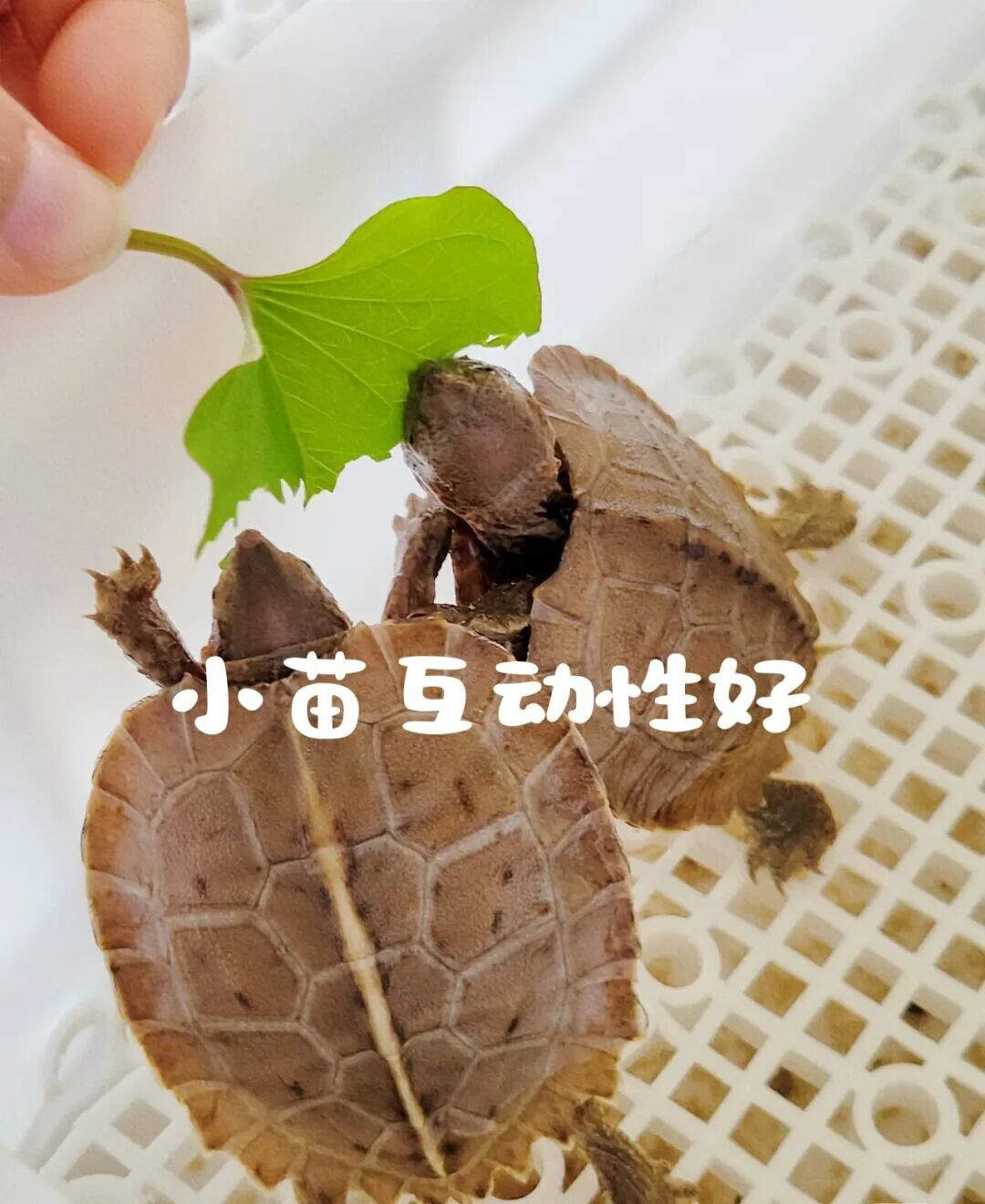
When young, as a semi-aquatic turtle, its interactivity was exceptional, its appearance attractive, and it was free from issues like shell rot or white eye syndrome—making it incredibly worry-free.
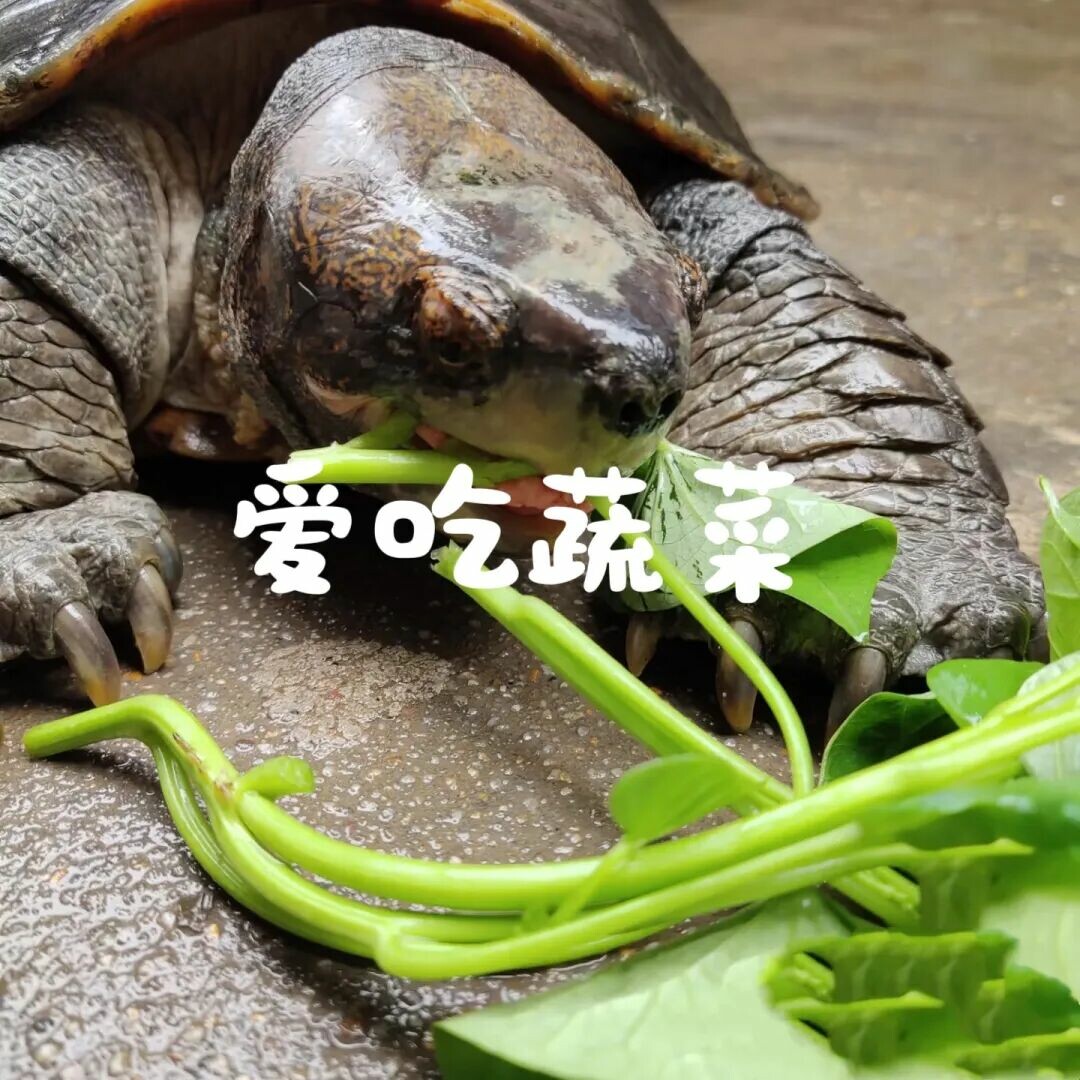
As an adult, it truly is the easiest turtle to care for among national species; lively, attractive, highly interactive, and even more charming with age, it is remarkably easy to maintain.

Feature Analysis
- Representative of semi-aquatic turtles (turtles that exhibit both terrestrial and aquatic habits)
- Exhibits high interactivity from a young age
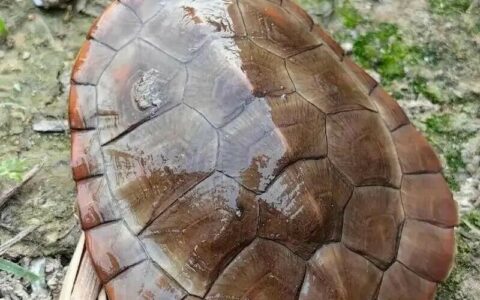
- Adult shell displays an amber gradient
- Disease Resistance:
- Incidence of common diseases such as shell rot and white eye syndrome is below 5%
- Diet includes insects, fruits & vegetables, and turtle feed
Alligator Turtle: The Hardy, Carnivorous Tough Guy
When young, whether large or small, all alligator turtles are robust and easy to care for; as long as water is available, they survive well.
As an adult, they become even more impressive—large in size, with a fierce temperament, they readily consume various types of meat, and their digestive systems are remarkably robust, making them very easy to maintain.

Feature Analysis
- Juveniles can grow up to 10 cm per year
- Adult bite force reaches 1000 psi (approximately 6895 kPa; comparable to that of medium-sized dogs)
- Care Suggestions:
- They should be housed separately due to their strong aggression.
- It is recommended to use an enclosure of at least 60 cm.
- Meat should be fed at 5–8% of their body weight.
West African Side-necked Turtle: From a Voracious Eater to a Winter Warmth Provider
When young, it was nicknamed “West African Pig” for its hearty appetite and its tendency to swim on its back—an incredibly endearing trait.
As an adult, it truly eats a lot, turning into a plump little fellow that is irresistibly cute. It remains hardy throughout its life and is very easy to care for, though supplemental heating is required in winter.
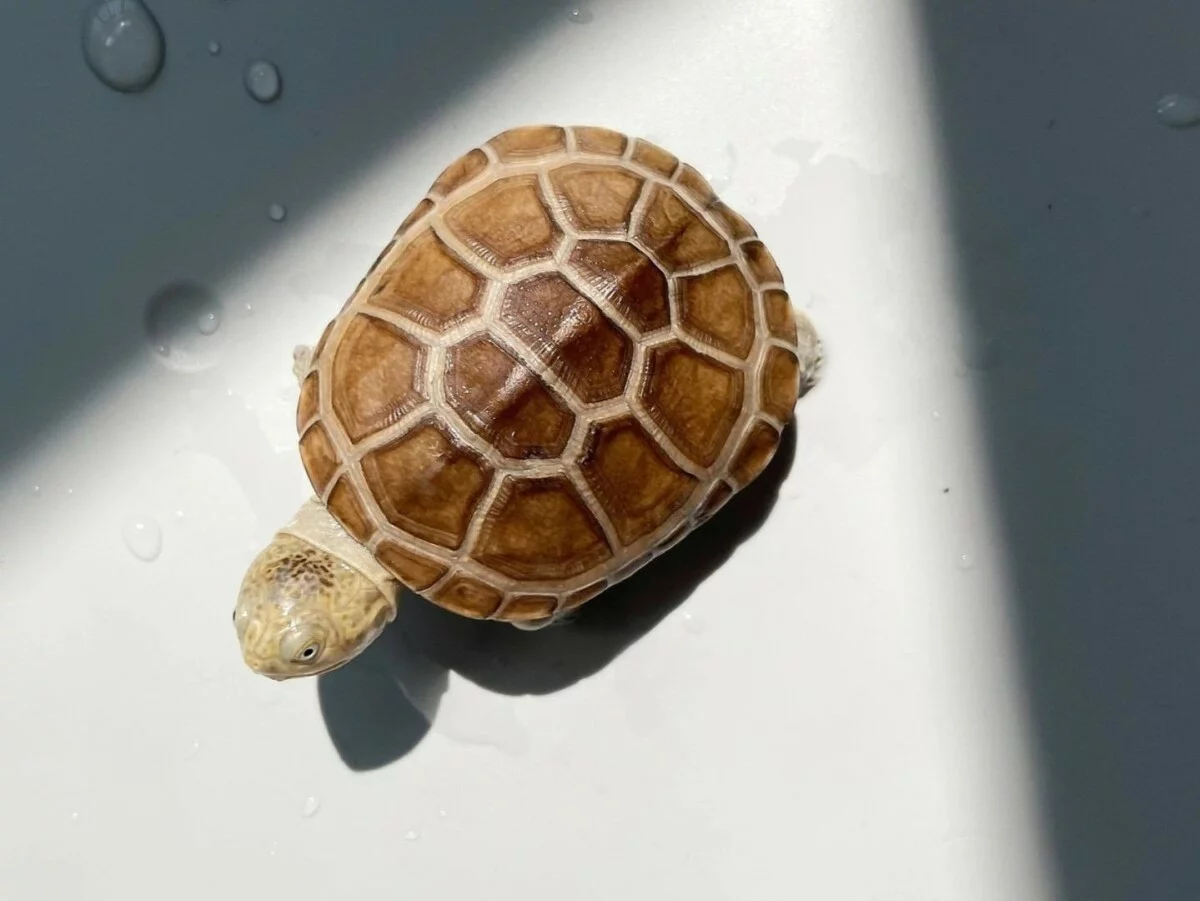
Feature Analysis
- Back-floating feeding behavior (earning it the nickname “West African Pig”)
- Adult daily food intake can reach up to 10% of its body weight
- Temperature Management:
- During winter, the water temperature should be maintained above 25℃.
- It is recommended to use a 50W heating rod per 50 liters of water.
| Turtle Species | Adult Size | Recommended Water Temperature | Special Trait |
|---|---|---|---|
| Musk Turtle | 8–14 cm | 22–28℃ | Excellent deep-water adaptability |
| Razorback Slider Turtle | 10–16 cm | 24–30℃ | Three-dimensional carapace structure |
| Yellow-margined Box Turtle | 14–19 cm | 20–28℃ | Semi-aquatic nature |
| Alligator Turtle | 35–70 cm | 22–32℃ | Prominent carnivorous trait |
| West African Side-necked Turtle | 20–30 cm | 25–30℃ | Back-floating feeding behavior |
Original article by KPTer, if reproduced, please cite the source: https://www.kaipet.com/en/turtle-raising-secrets-5-undying-turtle-species-recommendations-hassle-free-care





Comments(2)
Fantastic guide! For total beginners, which of these ‘undying’ turtles do you think is the *absolute* easiest to care for, and why?
@CriticX:Thank you for your kind words! For total beginners seeking the absolute easiest, the Yellow-margined Box Turtle is often highlighted as incredibly worry-free due to its exceptional interactivity and high disease resistance. The Musk Turtle is also an excellent choice, needing no supplemental heating.