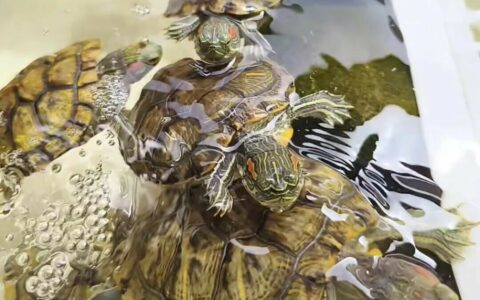
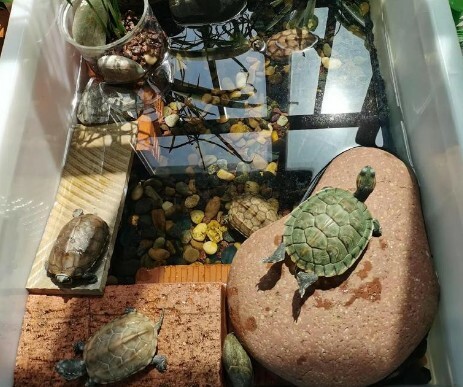
Turtles are omnivorous animals with a broad range of diets. In daily home feeding, the most convenient food is commercial turtle food. High-quality turtle food is typically a mixture of protein, fat, beneficial bacteria, and herbal essence, which can basically meet the nutritional needs of turtles, making it suitable as a staple food. However, to consider the diversity of the turtle’s diet, in addition to turtle food, we can also pair some dried fish, dried shrimp, and freeze-dried chicken liver made by freezing technology.

In summary, the richer the feeding, the better. It’s like asking you to eat only instant noodles every day; although there are some vegetable packs and meat sauce packs in the noodles that can make one full, the diet is monotonous after all. We also need to intake a variety of nutrients such as steamed buns, rice, fruits, vegetables, chicken, duck, fish, and eggs. The same applies to turtles.
Note a piece of knowledge: Turtles cannot eat food containing salt, nor can they eat too greasy food. Therefore, it is best not to feed Antarctic krill, which is sold on the market, to turtles, as seafood usually contains salt. The best way to tell is to taste it yourself. In addition, greasy pork is not suitable for feeding to turtles, as long-term consumption will affect the turtle’s digestion.
Furthermore, for turtles with special tastes, such as Flame tortoises, which prefer vegetarian food, you can feed them sweet potato leaves, which can help improve their color. Freshwater turtles can be paired with foods like tomatoes, pumpkins, and grapes, which are also good choices.
Original article by KPTer, if reproduced, please cite the source: https://www.kaipet.com/en/feed-turtles-avoid-salt-greasiness-scientific-feeding-guide