


A hatchling turtle bought for 8,000 CNY (about USD 1,123) died within a few days? In the turtle-breeding community, difficulty rearing newly hatched turtles has almost become a consensus. Novices often wonder: even when the yolk area on a hatchling’s abdomen appears absorbed, why do carefully tended hatchlings still present large numbers of stiff or moribund individuals — or even die outright? This question has puzzled 90% of turtle keepers; it has now finally been unraveled.
Misconceptions about Yolk-Sac Absorption
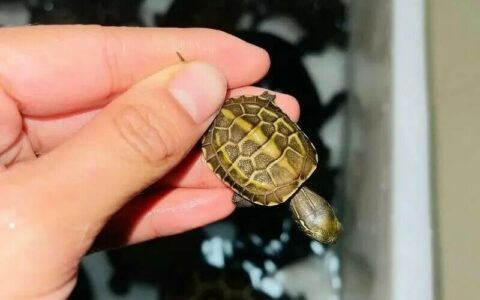
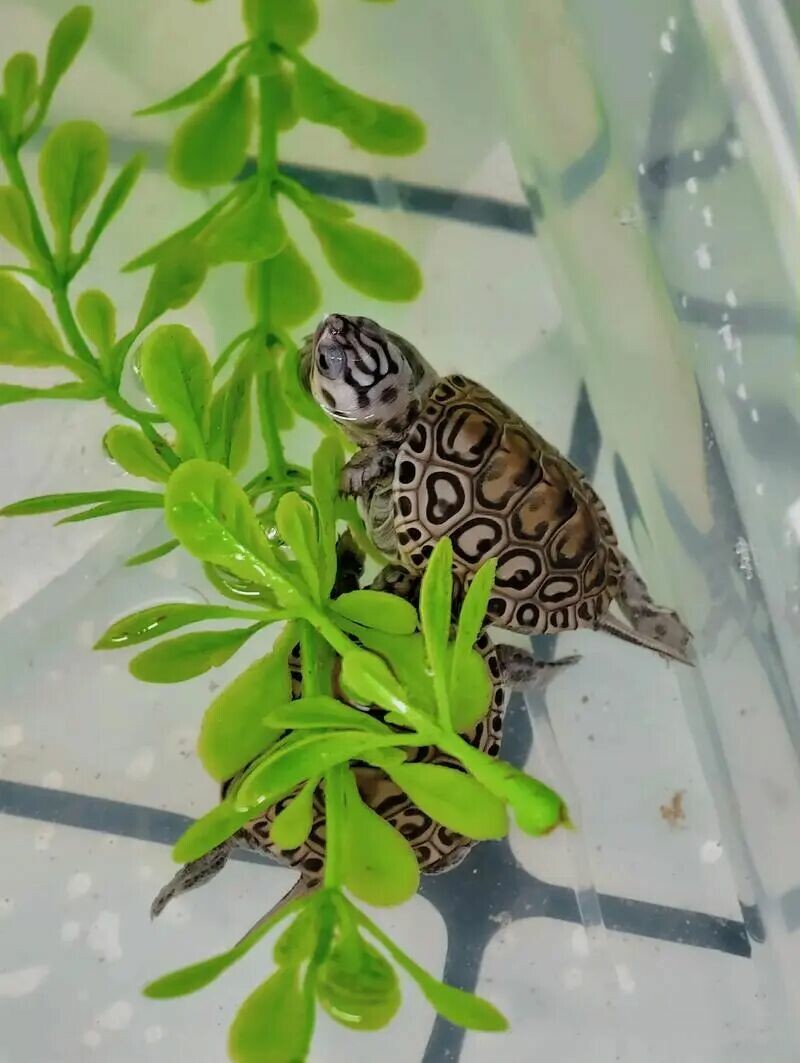
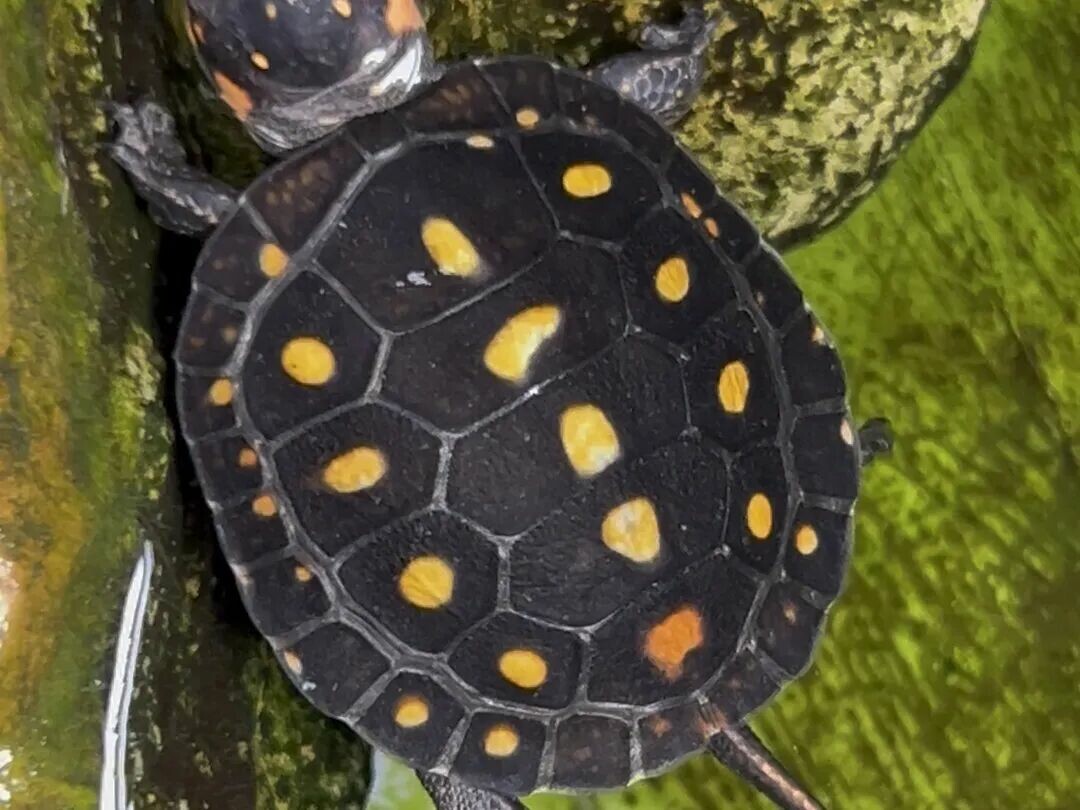
Many beginners have a biased or incomplete understanding of how the yolk sac is absorbed. When a hatchling breaks the shell, the residual yolk sac on the abdomen serves as the final energy supply. This yellow, spherical structure gradually shrinks, and many breeders take the visual disappearance of the yolk as the signal to start feeding. However, the truth revealed by inspection is startling: even when the yolk sac is no longer visible externally, its internal vascular network may still be functioning.
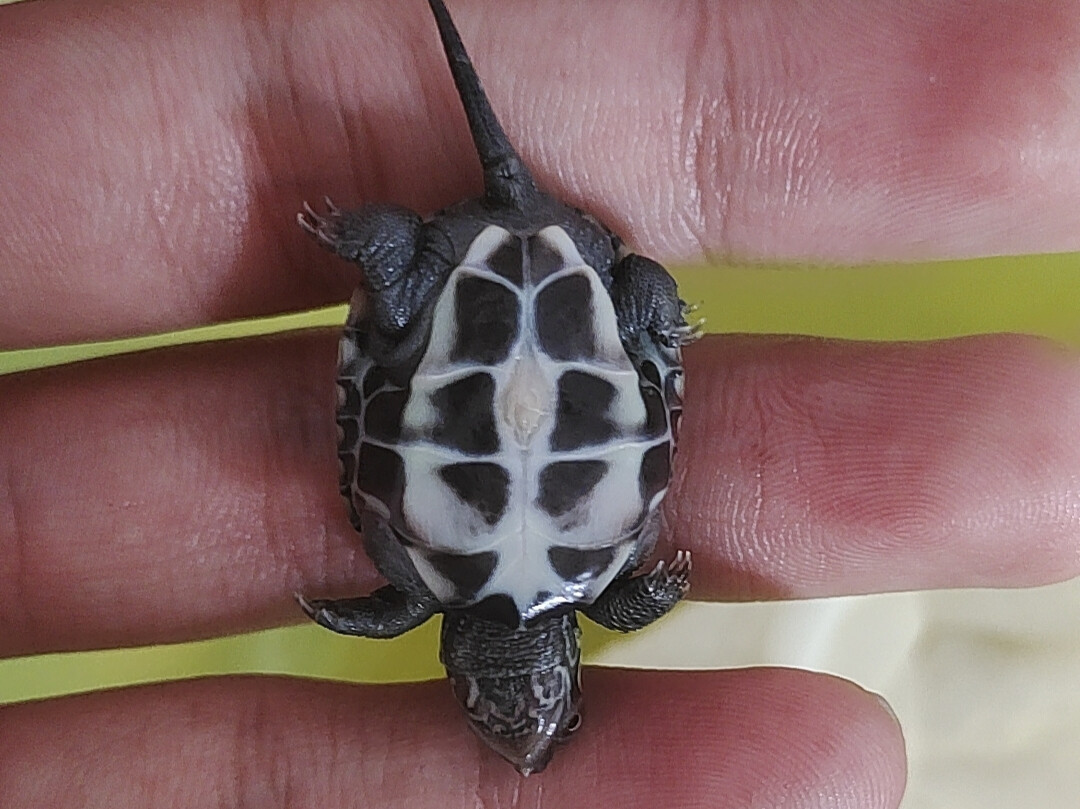
The Hidden Risk of an Immature Digestive System
Hatchlings aged about 5–14 days still have unfinished digestive systems. The intestinal mucosa of newly hatched turtles is only about one-third the thickness of that in mature animals; gastric acid secretion reaches less than 20% of adult levels, and as many as 40% of digestive enzyme types are absent. Force-feeding at this stage causes the residual yolk and the introduced food to press against one another inside fragile intestines, which can lead to serious consequences.
Harms of Too-Early Feeding
Hatchlings fed within three days after hatching experience a 58% reduction in yolk-absorption efficiency. Food occupies space in the digestive tract and compresses the yolk-sac blood vessels, and it can even trigger dysbiosis. The proportion of beneficial gut bacteria falls sharply from 75% to 30%. Under these conditions, the hatchling may enter a state of pseudo-growth arrest: the balance between skeletal growth and muscle development becomes distorted, eventually producing permanently underdeveloped, stiff (moribund) hatchlings.
Experimental Data Verifying Feeding Timing
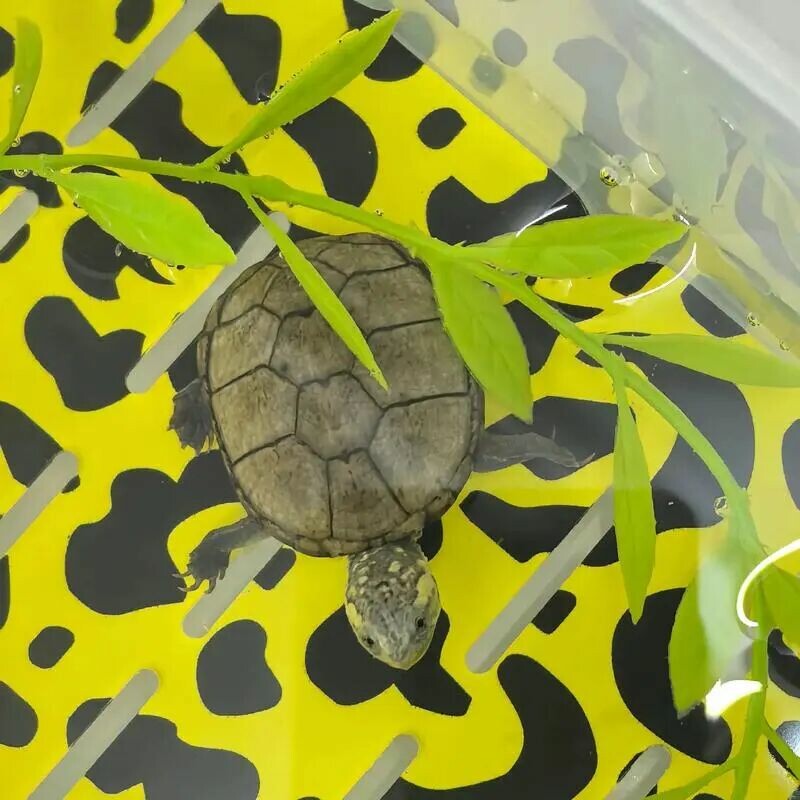
Experimental data show that the group fed within 24 hours after hatching had a shell-development success rate of 42%, the group fed within 48 hours had 18%, and the group fed after more than seven days had only 3%. For certain species — such as box turtles and the yellow-margined box turtle (Cuora flavomarginata) — the optimal time to begin feeding may be more than two weeks after hatching; otherwise, the tragic outcomes mentioned above can occur.
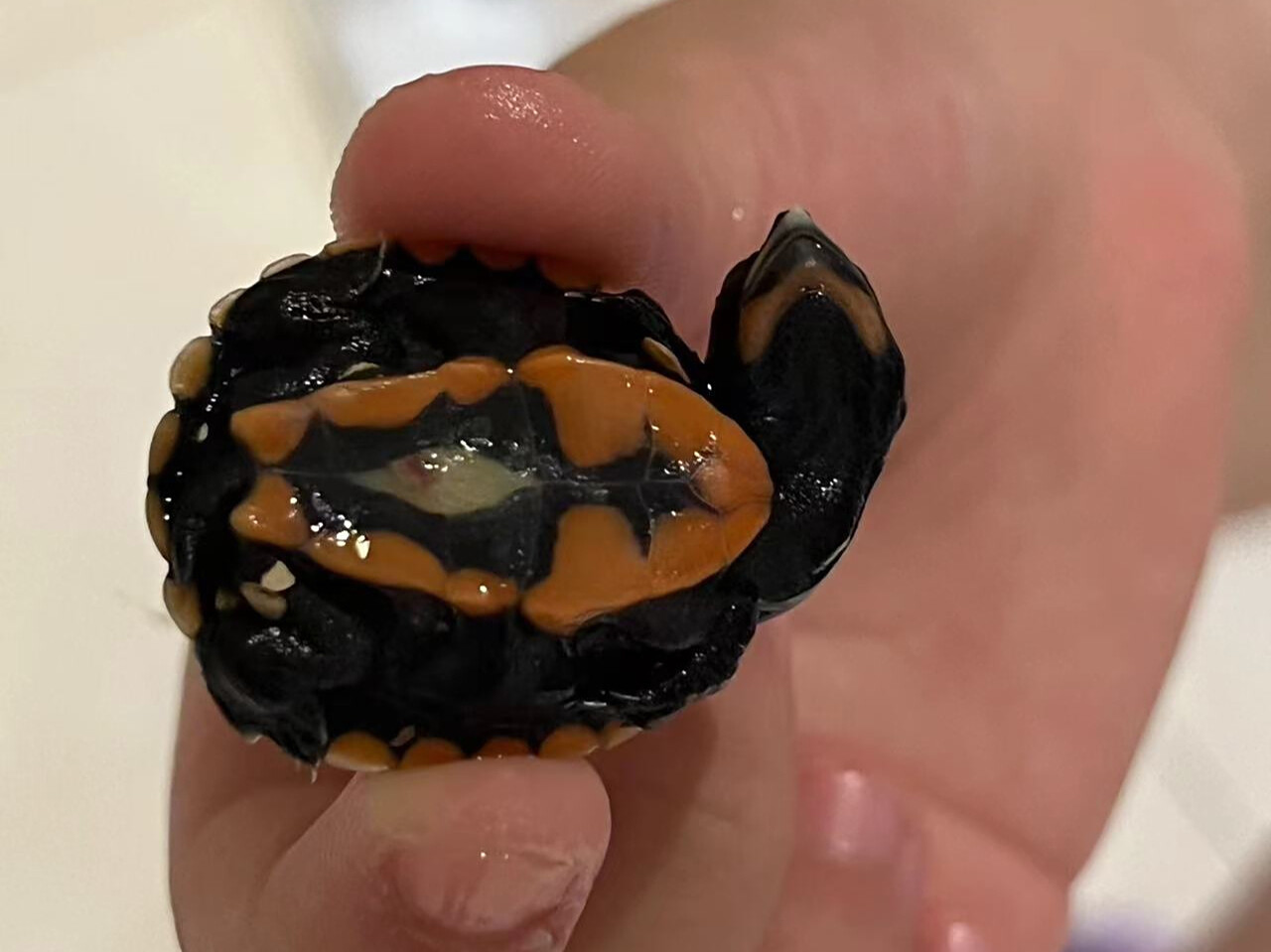
Misunderstandings about Early Feeding and Blaming Suppliers
Why do many novices — and even experienced keepers — say that hatchlings are hard to raise? Some hobbyists, not understanding the real cause, blame the turtle feed, equipment, or water quality, making many suppliers the scapegoats. In fact, the core problem lies in not respecting the stage from yolk-absorption to feeding and the hazards of feeding too early.
The Core of Hatchling Care
Caring for hatchlings is essentially the precise control of developmental rhythm. Understanding the latent process of yolk-sac absorption and respecting the hatchling’s physiological timetable are the keys to breaking the curse of difficult rearing. In natural evolution, every species has its own survival wisdom. The practice of a turtle keeper is learning to converse with these ancient lives.
Original article by KPTer, if reproduced, please cite the source: https://www.kaipet.com/en/reasons-hatchlings-hard-raise-yolk-absorption-feeding-timing




Comments(2)
What a breakthrough! I’ve often wondered about this. For different turtle species, how do optimal delayed feeding times typically compare?
@CriticX:Thank you for your insightful question, CriticX! The article indeed highlights that optimal feeding times vary significantly by species, noting that some, like box turtles, may need over two weeks. For specific guidance on other species, further dedicated research is highly recommended to ensure the best care.