

With the arrival of autumn, turtle keepers need to pay special attention to the following seven points.
Remember to “Fatten Up”
What does “fattening up” mean? It refers to feeding turtles well so they become stronger and build sufficient reserves to survive the winter safely.
Turtles usually stop eating when the water temperature drops below 15°C (59°F). Therefore, during early and mid-autumn, you should increase feedings and provide more protein-rich foods. Options include fish, shrimp, loach, and mealworms, but make sure the diet remains balanced. Both mealworms (a type of yellow mealworm commonly used as feed) and loaches (a freshwater fish high in protein) serve as excellent protein sources.
Since turtles hibernate in winter and go without food for 3–4 months, it is crucial to help them accumulate enough energy and fat reserves during autumn.
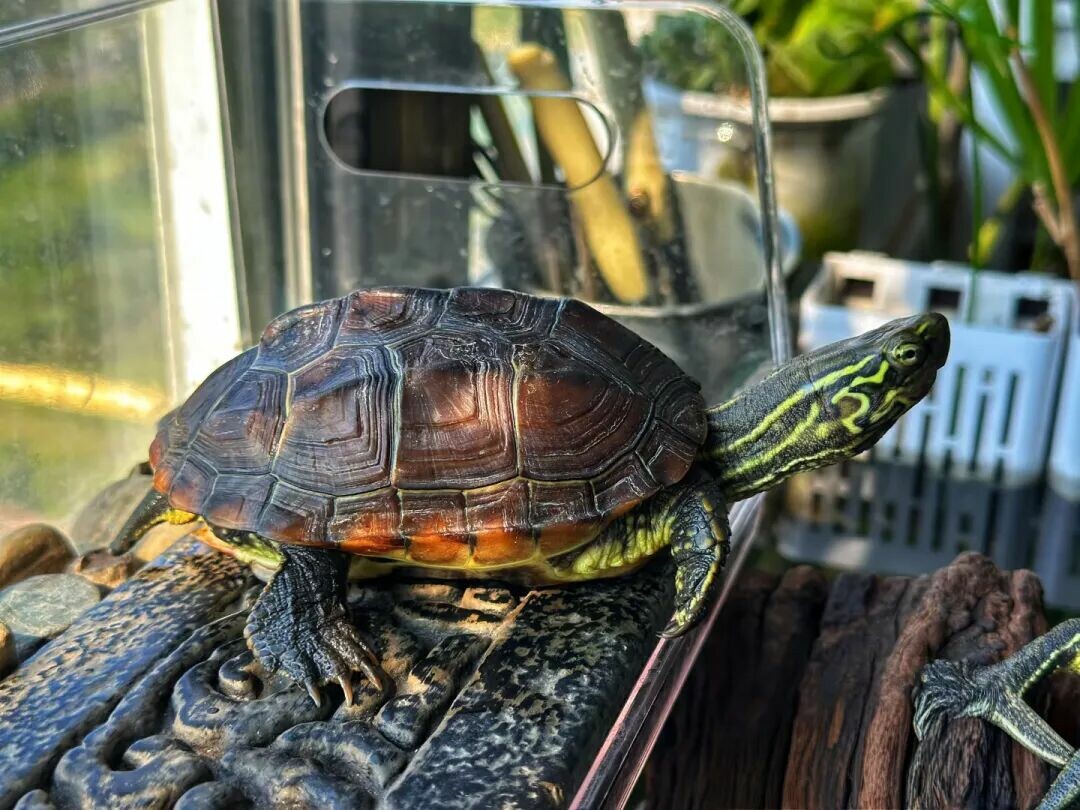
Reduce Feeding in Late Autumn: “Gut Clearance”
This does not contradict the first point. In early and mid-autumn, the goal is fattening up; in late autumn, the focus shifts to “gut clearance.” As temperatures gradually fall, turtles’ appetites diminish. The purpose at this stage is no longer to build reserves but to clear the intestines.
“Gut clearance” means ensuring no food remains in the turtle’s digestive tract before hibernation, thereby reducing physical stress during the dormant period. Note that in winter, turtles rely on fat reserves—not food in the gut—for energy.
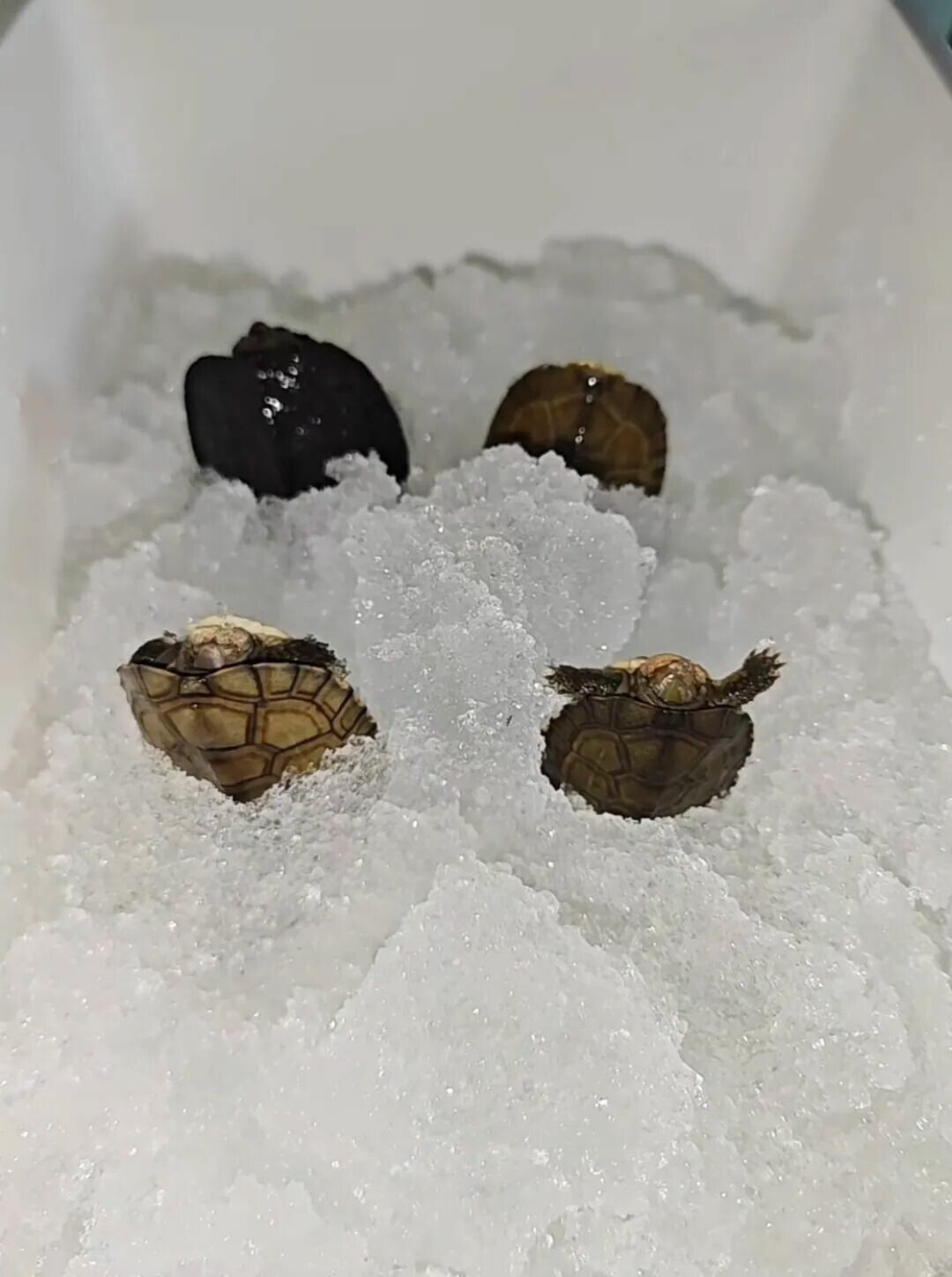
Once the temperature consistently drops below 15°C (59°F), feeding should be stopped. However, do not rush to place turtles into sand or soil for hibernation. Instead, let them remain in water for a period, allowing them to urinate and defecate. Once their stomach and intestines are emptied, they can safely enter hibernation.
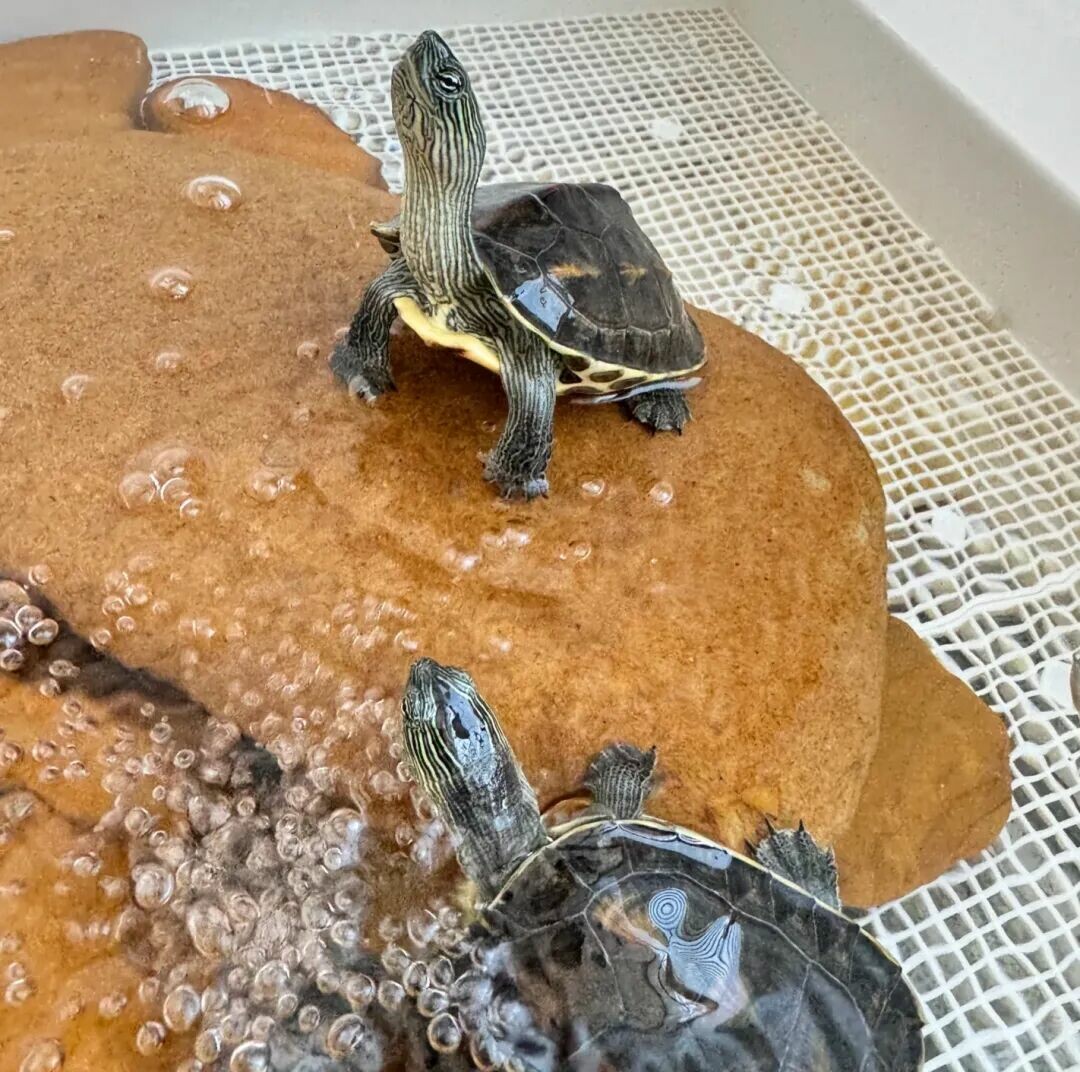
Keep Weak Hatchlings Indoors
Autumn often brings sharp differences between daytime and nighttime temperatures, sometimes exceeding 10°C. For weak hatchlings or frail turtles, it is advisable to keep them indoors to minimize exposure to temperature fluctuations and reduce health risks.
Remove the Basking Platform
Although turtles enjoy basking, autumn sunlight can be risky, especially in late autumn. As the air cools, turtles climbing onto basking platforms are exposed to chilly winds. The temperature difference between land and water may easily cause colds. To be safe, remove the basking platform or limit the turtles’ time on it.

Avoid Buying New Turtles in Autumn
It is generally not recommended to purchase new turtles in autumn, particularly online. Seasonal temperature variations are significant between northern and southern regions, and combined with the stress of long-distance shipping, turtles may arrive in poor condition. Some sellers may also use this season to offload weaker turtles to avoid the risks of hibernation, making survival more uncertain.
Even if a newly purchased turtle resumes eating temporarily, it will soon face the challenges of hibernation. Hatchlings or weak turtles are not well-suited for hibernation, and owners must consider additional heating equipment (such as aquarium heaters), which increases both cost and risk.
Age the Water and Match Temperatures Before Changing
Some keepers are used to changing water directly with tap water. While this might not cause major issues in summer, doing so in autumn significantly raises the risk of colds. It is recommended to let tap water sit (aging it) and ensure its temperature matches the existing water before performing a water change. This prevents drastic temperature shifts that could harm turtles.

Increase the Water Level to Reduce Exposure
Water depth in turtle tanks is always a topic of debate. In autumn, it should be slightly higher than in other seasons—at least deep enough to cover the turtle’s shell. Autumn winds can chill exposed carapaces, so raising the water level helps reduce the impact of temperature differences between day and night, lowering the risk of colds.
These are the key precautions for keeping turtles healthy in autumn. Feel free to add more suggestions so we can all raise our turtles well.
Original article by KPTer, if reproduced, please cite the source: https://www.kaipet.com/en/essential-autumn-care-tips-turtles-7-key-points-beginner-remember








Comments(2)
Thanks for these practical autumn tips! I’m especially curious about ‘fattening up’ – what are your turtles’ top favorite protein foods?
@CriticX:We’re glad you found the tips helpful! Regarding ‘fattening up,’ the article mentions excellent protein sources such as fish, shrimp, loach, and mealworms. Offering a variety of these can help your turtles prepare well for winter.