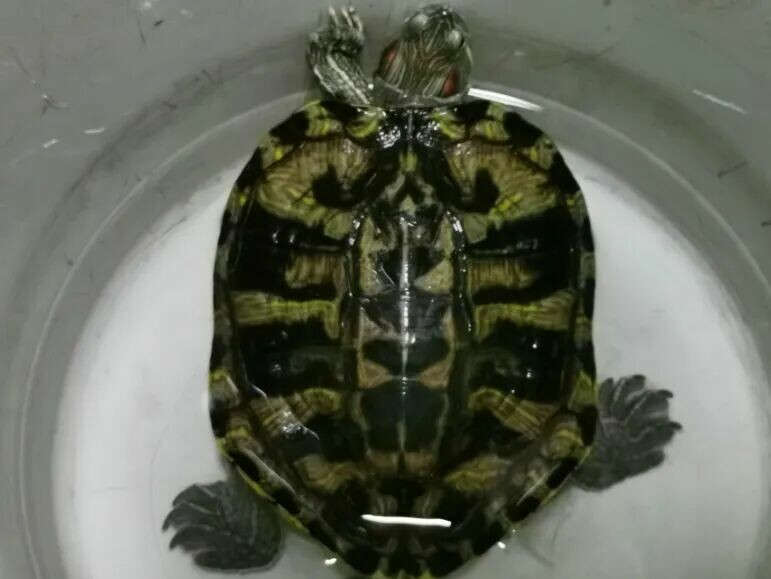
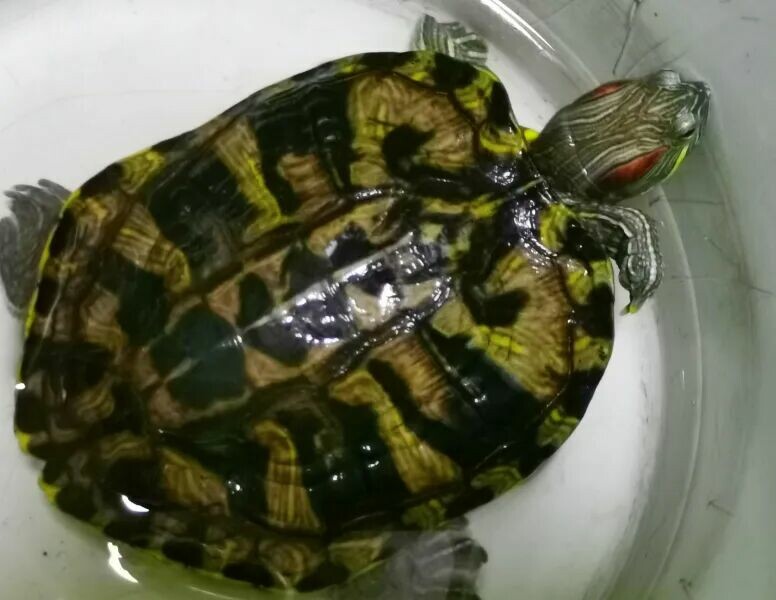
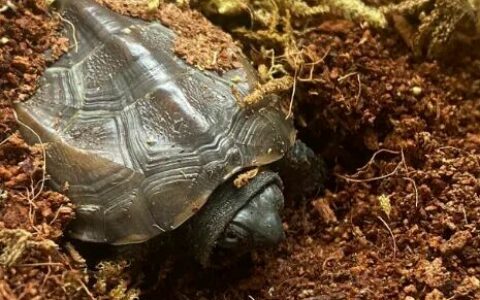
First, it is necessary to confirm that your turtle can hibernate and understand the lowest temperature your turtle can tolerate.
Pre-Hibernation Preparation
Fasting and Intestinal Cleansing Period: It is recommended to give your turtle a fasting and intestinal cleansing period of about two weeks before hibernation. Observe the state of the turtle during this period to determine if it is suitable for hibernation. If you encounter a turtle with skin rot, a cold, or green or white feces, it is suggested to first carry out heat treatment.
Hibernation Environment Setup
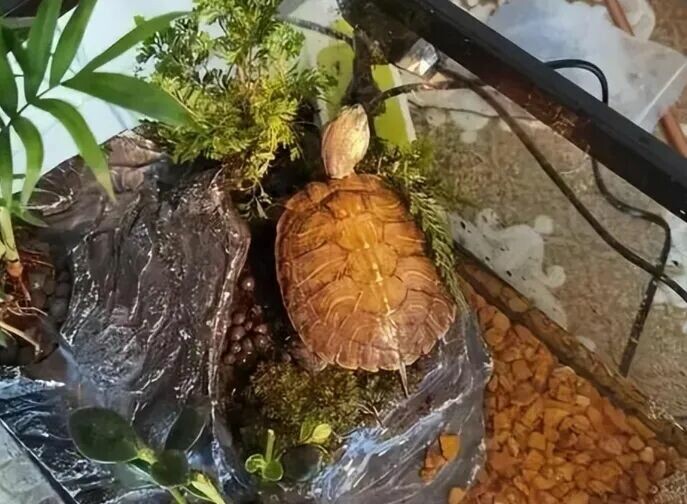
Placement of Hibernation Box: Place the hibernation box in a north-facing indoor or outdoor space, preferably in a quiet, dimly lit area with minimal temperature fluctuations. It is recommended to add a thermometer to monitor the environmental temperature changes. When the temperature drops below freezing for more than three days, it is advisable to move the hibernation environment to a relatively warmer area, aiming to keep the hibernation temperature between 5 to 10 degrees Celsius.
Precautions During Hibernation
Inspection Frequency: After the start of hibernation, try to minimize handling and inspect every 15 to 30 days. If the turtle shows signs of skin rot on its limbs or nasal congestion, it will typically emerge onto the moss. In such cases, heat treatment should be provided promptly.
Post-Hibernation Handling
Handling After Temperature Rise: Maintain hibernation until the lowest temperature rises above 15 degrees Celsius. However, be cautious of mold growth in the medium during spring. Moldy medium should be replaced promptly. Moldy moss can be reused by soaking in boiling water and povidone-iodine, then drying in the sun.
Original article by KPTer, if reproduced, please cite the source: https://www.kaipet.com/en/turtle-coconut-coir-moss-hibernation-method-precautions-key-points-safe-wintering