

As winter approaches, hibernation is a very important task for turtles. However, before hibernation, performing a gut cleanse is exceptionally crucial for them. Many novice turtle keepers might not pay much attention to this, but if you take it lightly, the consequences are far more severe than you can imagine.
The Importance of Gut Cleansing
During hibernation, residual food in the intestines will decompose and produce mycotoxins. According to 10 years of data from the Beijing Zoo: the survival rate of turtles that underwent gut cleansing is as high as 98.7%, while the mortality rate for turtles that did not have a proper gut cleanse is as high as 35%. Therefore, gut cleansing is not optional; it is mandatory.
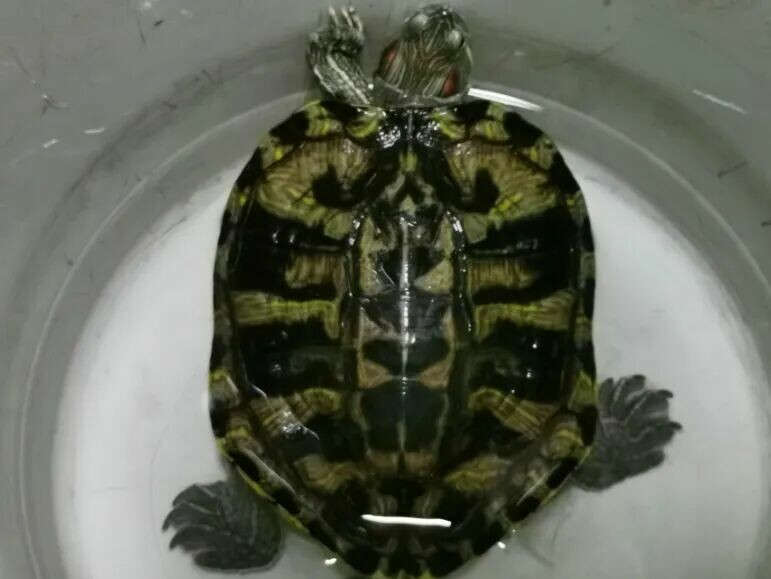
Gut Cleansing Timeline and Feeding Adjustments
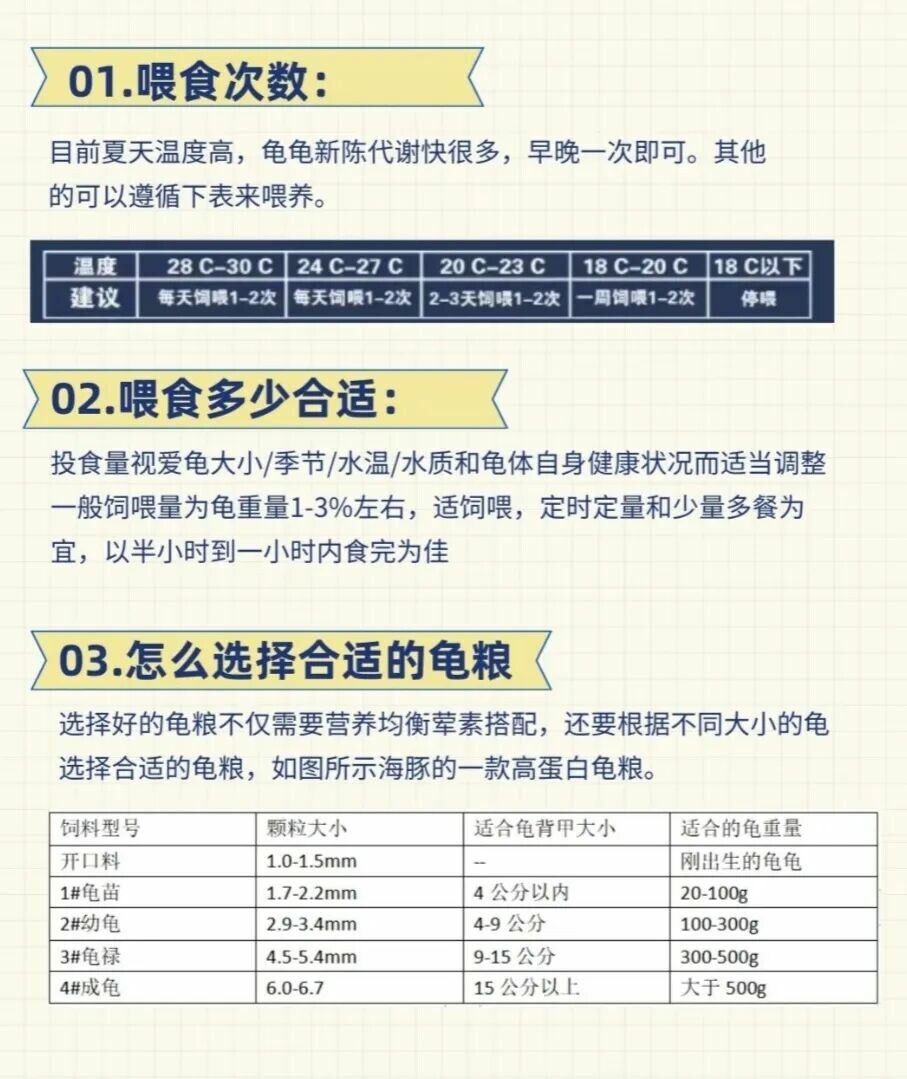
20-23°C: Reduce feeding, feeding half the usual amount each time, and choose easily digestible turtle food. 18-20°C: Feed low-fat soft food ≤1 time per week; prohibit raw meat/fish and shrimp, as high-protein foods will rot within 48h at this temperature. 15-18°C: Feeding needs to be stopped, as the turtle’s digestive enzymes are almost inactive at this point.
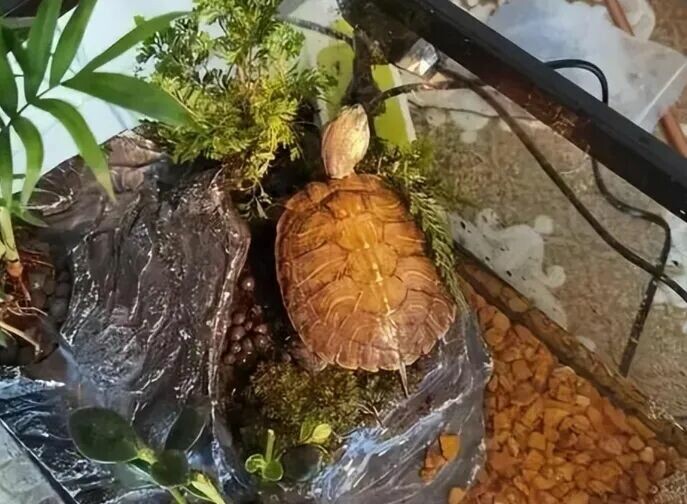
Specific Gut Cleansing Procedures
Warm Water Bath: Environment at 15-18°C—warm water at 18-20°C, for 20 minutes daily. The temperature difference should be ≤3°C; it should not be too large. Nutrient Supplementation: You can add some electrolytic multivitamins to help strengthen their constitution. Observe Feces: No feces for 3 consecutive days and the excretion of white uric acid indicates that the gut cleansing process is complete.

Considerations for Species and Physical Condition
Semi-aquatic turtles: It is necessary to use a bit of value to soak them in water, and one should choose to do so during the high temperatures at noon. Tortoises: Especially healthy adult Hermann’s and Horsfield’s tortoises can hibernate; Red-footed and Leopard tortoises are recommended to be reared at a constant temperature (hot zone 28-31°C, temperature difference ≤3°C). It is important to note here for juvenile/weak/sick turtles: Hibernation is prohibited.
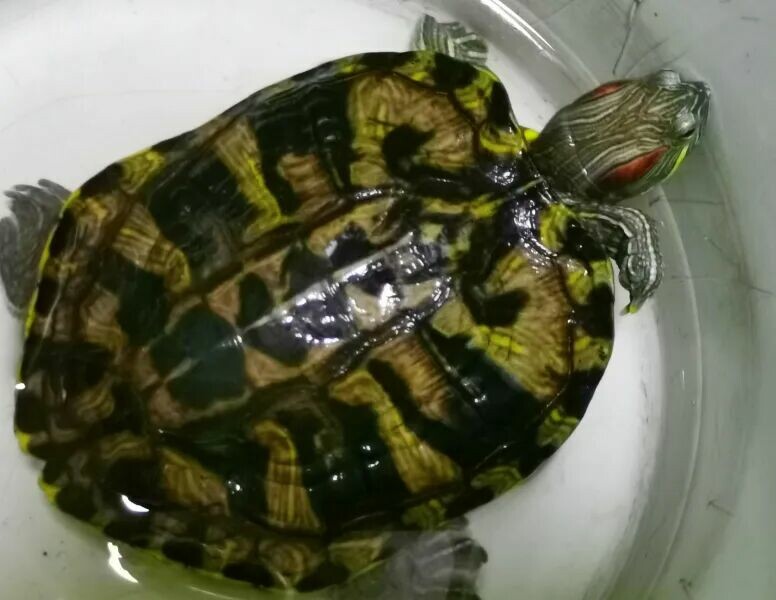
Setting Up the Hibernation Environment
Stable Temperature: 5-15°C, avoid frequent fluctuations. Environment Selection: A cellar, a constant temperature box, or a Styrofoam box with damp moss are all suitable. Moisture Management: Keep moisture levels appropriate, avoiding conditions that are too dry or too wet. If it’s hard to judge, you can use a hygrometer. Emergency Plan: If there’s no time for a full gut cleanse, you can try shallow water hibernation to shorten the cleansing period.
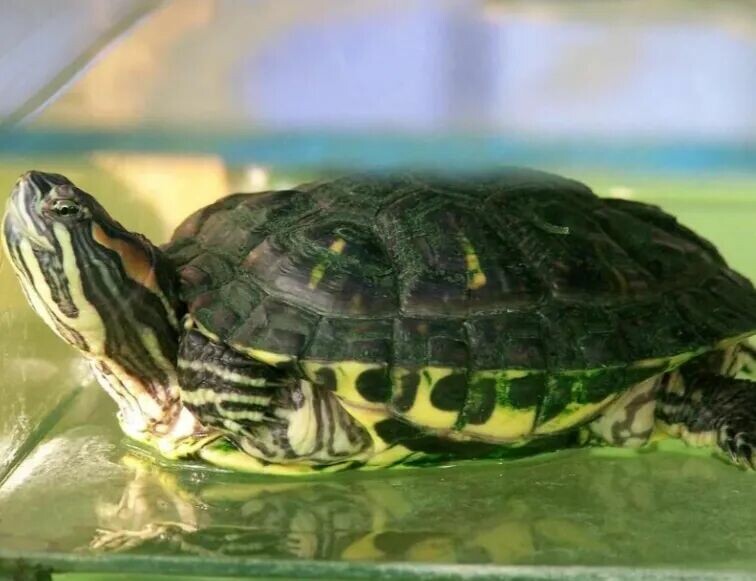
Turtle-Keeping Tips
Regular Weigh-ins: Weigh monthly; a weight loss of ≤10% is normal. Observe Breathing: Steady breathing indicates health. If you notice difficulty breathing, you need to raise the temperature immediately. Prepare in Advance: Start in October in the north, while in the south, you can delay until mid-November.
Summary: Before a turtle hibernates, we need to do a good job of cleansing its gut. This essentially involves scientific temperature control, supplemented with warm water baths and proper feeding. These are the keys to helping a turtle get through the winter safely.
Original article by 搬运工, if reproduced, please cite the source: https://www.kaipet.com/en/cleanse-turtles-gut-hibernation-life-saving-guide-avoid-35-mortality-rate






Comments(2)
This guide is a lifesaver! I’m intrigued by the ‘shallow water hibernation’ for emergencies. Could you elaborate on how it shortens the cleansing period?
@CriticX:Thank you for your appreciation and excellent question! Shallow water hibernation works by rapidly reducing the turtle’s body temperature and metabolic rate, effectively pausing digestion. This minimizes the time needed for gut cleansing by halting further food processing and decomposition, making it a viable emergency option.