

As autumn deepens, the climate and temperature begin to gradually drop from north to south. At this time, turtle keepers in the north are already starting their final preparations before gut cleansing. For our friends in the south, of course, they are still feeding their turtles happily.
Is your beloved turtle ready for winter? Autumn is actually a very important transitional season for turtles. If it enters winter in good health, you will be able to see it again next spring. The key method for autumn turtle keeping is the temperature-controlled feeding method. How exactly does it work? What should you pay attention to? Let’s find out together!
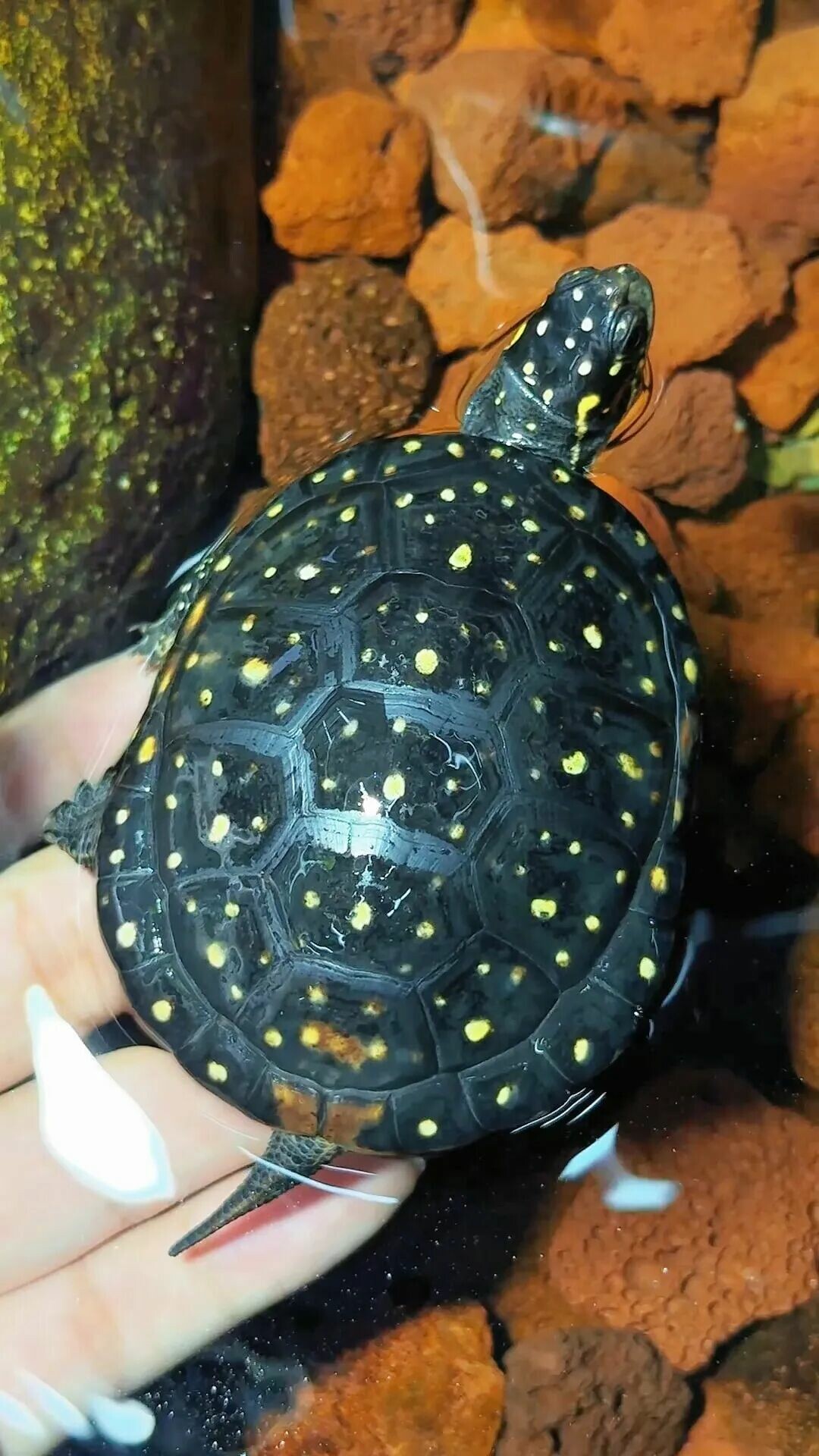
Temperature-Controlled Feeding Method
24°C Water Temperature is the Key Threshold
Remember, 24°C water temperature is the key threshold! (Setting this temperature at 25°C personally doesn’t feel much different.)
Actual tests have shown that when the water temperature is at 24°C, it is recommended to feed once every 2 days, with the portion size controlled to half-full or 70% full. Whether you are a turtle keeper in the south or a friend in the north, from Jiamusi to Hegang, please keep a close eye on the thermometer in your tank—the water temperature, not the room temperature! This is also a point that is easy to get confused about.
For every 1°C drop in temperature, add 1 day to the feeding interval.
Once the water temperature is below 24°C, for every 1-degree drop, the feeding interval should be increased by 1 day. That is to say: 24°C = feed once every 2 days; 23°C = feed once every 3 days; and so on, 20°C = stop feeding completely. In fact, when the highest daily temperature is below 30°C, you should start paying more attention and appropriately reduce feeding. Although you might feed daily, the amount should be less than in the summer.
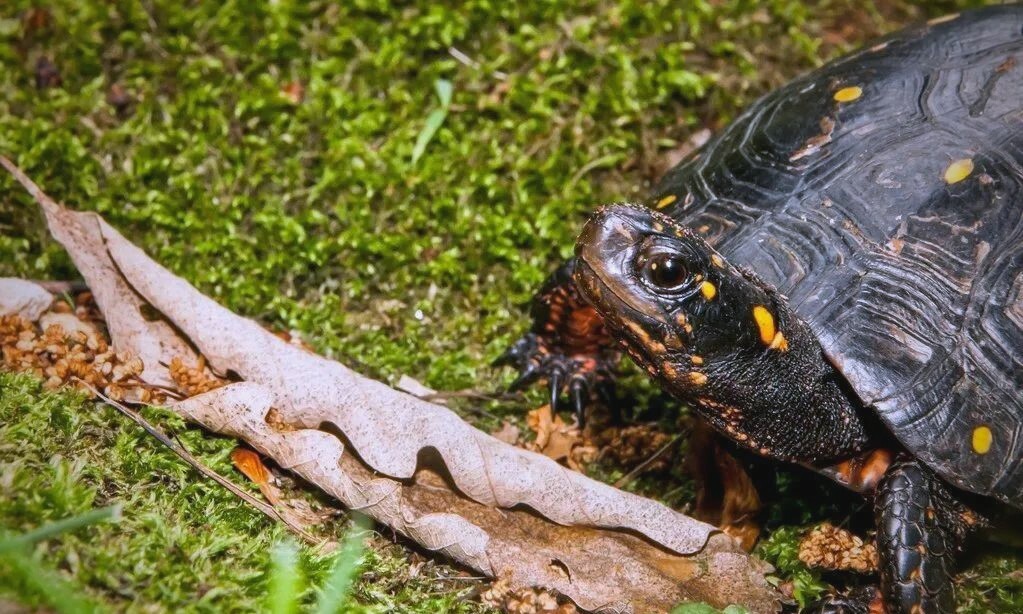
Why Use Temperature-Controlled Feeding?
Why do this? In low-temperature environments, a turtle’s metabolism slows down significantly, and its digestive capacity drops sharply. Overfeeding not only leads to indigestion but can also cause enteritis or even death. This is a major reason why many turtles die during the winter—they enter it with an illness.
A Thermometer is a Must-Have Tool
A thermometer is a must-have tool, and price is not an issue!
Whether it’s an ordinary thermometer that costs one or two yuan or an electronic digital one that costs tens of yuan, the actual temperature measurement error is generally within 1°C, which is perfectly adequate for daily use. The main differences are in additional features and aesthetics. It is recommended that everyone purchase one based on their actual needs, and by all means avoid “guessing the temperature by feel”—if you guess right, you’re lucky; if you guess wrong, you might be sending your turtle on its final journey……
Special attention for those in centrally heated regions! If the water temperature in your home can remain stable at around 20-21°C, it is recommended to feed once every 7-15 days to a level of 50% full. If the water temperature is higher, you can appropriately increase the frequency—but still remember the principle of “less food at low temperatures.”
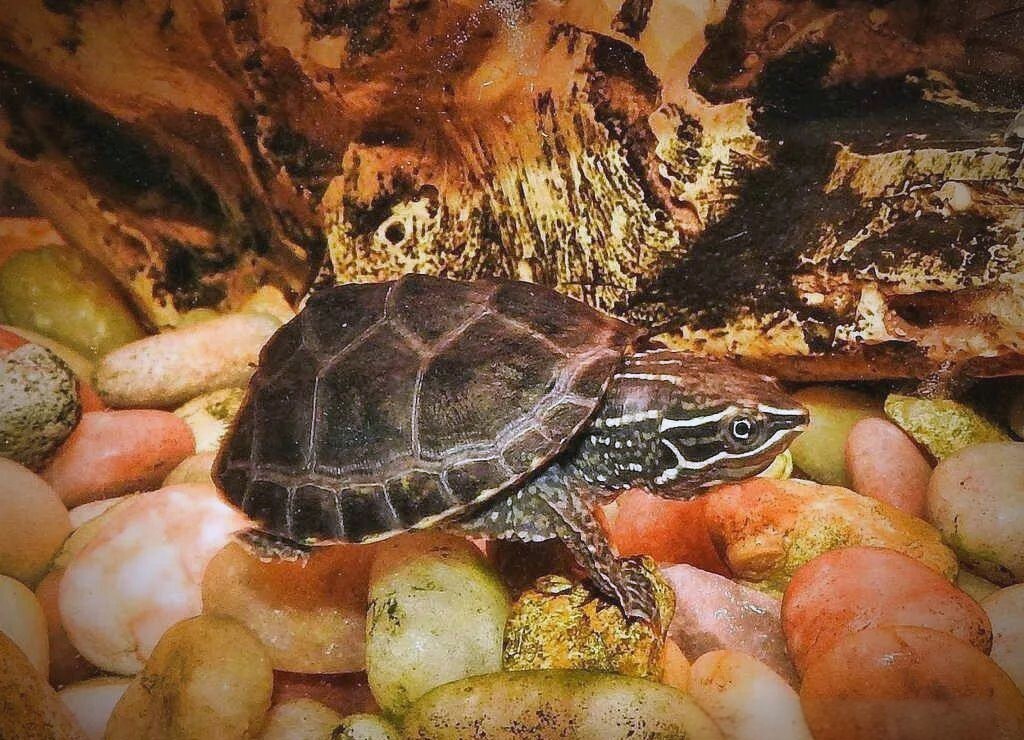
How to Judge the Satiety Level?
How to judge the satiety level (e.g., “how full”)? Here is a reference method: assuming 1 spoonful of food, if it’s finished within 10 minutes → count it as half-full; finished within 20 minutes → count it as 80% full; takes 30 minutes to finish → count it as completely full. However, regarding this data, while many people agree, I personally think the time should be shortened a bit: 1 spoonful of food, finished within 3-5 minutes → count it as half-full; finished within 10 minutes → count it as full.
Taking 15 to 20 minutes indicates that the turtle doesn’t want to eat anymore. However, if you have many turtles in one pond and some didn’t see the food arrive, delaying their feeding, then that’s a separate case. We count from the moment the turtle starts eating.
Of course, each turtle has different eating habits, so please adjust based on the actual situation. The general principle is: the lower the temperature, the less you should feed, or even not feed at all.
Gut Cleansing Preparation Period
When the water temperature is 20°C, it is recommended to enter the “gut cleansing preparation period.”
Whether you plan to let your turtle hibernate naturally or choose to have it overwinter in shallow water, controlling its food intake in advance allows the turtle to gradually empty its intestinal tract, effectively preventing gastrointestinal diseases during the winter.
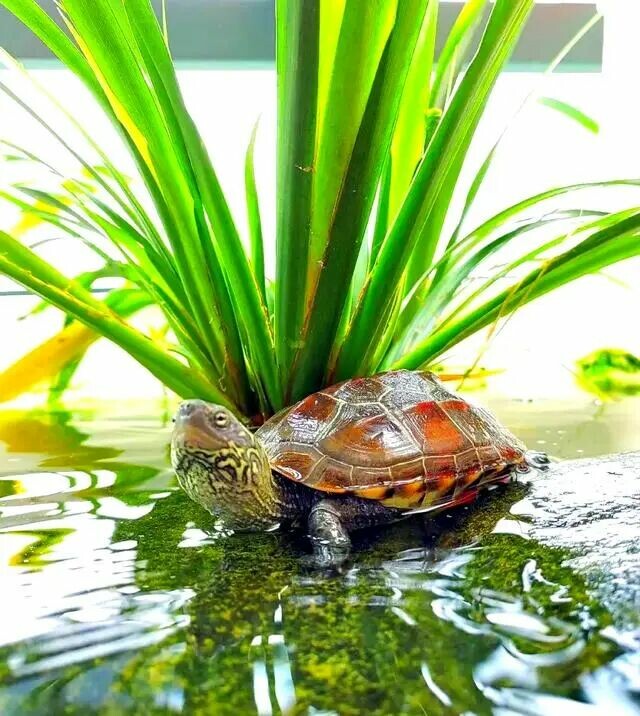
If Overwintering with Heating, Start Early!
If you are going to overwinter your turtle with heating, please start early!
It is recommended to start preparing heating equipment before the water temperature drops below 24°C, and to raise the temperature gradually to avoid causing stress to the turtle (a physiological or psychological reaction of an organism to a stimulus) due to large temperature differences.
The success or failure of autumn turtle keeping hinges on water temperature monitoring and feeding control. A thermometer + rational feeding, along with paying attention to the weather forecast, will help you get through autumn safely and welcome a lively and energetic beloved turtle next spring!
Original article by 搬运工, if reproduced, please cite the source: https://www.kaipet.com/en/autumn-turtle-keeping-24c-water-temperature-feeding-method-precise-temperature-control-enteritis-prevention




Comments(2)
Starting heating early is smart! Which specific heating setups have you found most reliable for consistent water temperatures?
@CriticX:您好!很高兴您认同提前加温。确保水温稳定对龟龟健康至关重要。关于可靠的加热设备,市面选择多样,建议您优先考虑温控精度与安全性。感谢您的提问!