

Some say: “If you can raise one turtle well, you have the confidence to raise any turtle.”
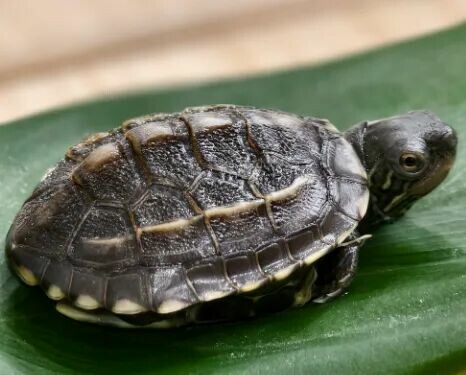
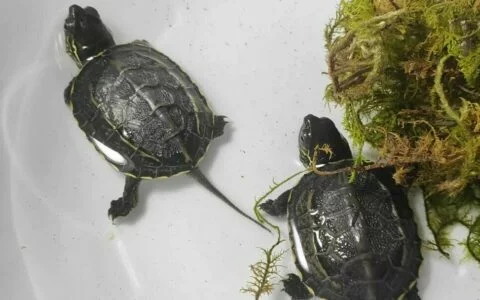
This is true. No matter what kind of turtle you are raising, mastering these few universal rules means you’ve already won half the battle! However, it might be more apt to say: If you can raise a Chinese grass turtle well, you have the confidence to raise any turtle.
Temperature Difference is the “Number One Killer”
Turtles are most afraid of sudden temperature changes in a short period; a slight oversight can lead to a common cold or pneumonia.
Prepare water in advance before changing it, and change it in small amounts multiple times to avoid sudden water temperature changes.
When the weather changes abruptly, move the turtle indoors to a place with a constant temperature in a timely manner, and reduce feeding.
When moving it between indoors and outdoors, first let the turtle acclimate in a transitional area; do not expose it directly to intense sun or let it get chilled.
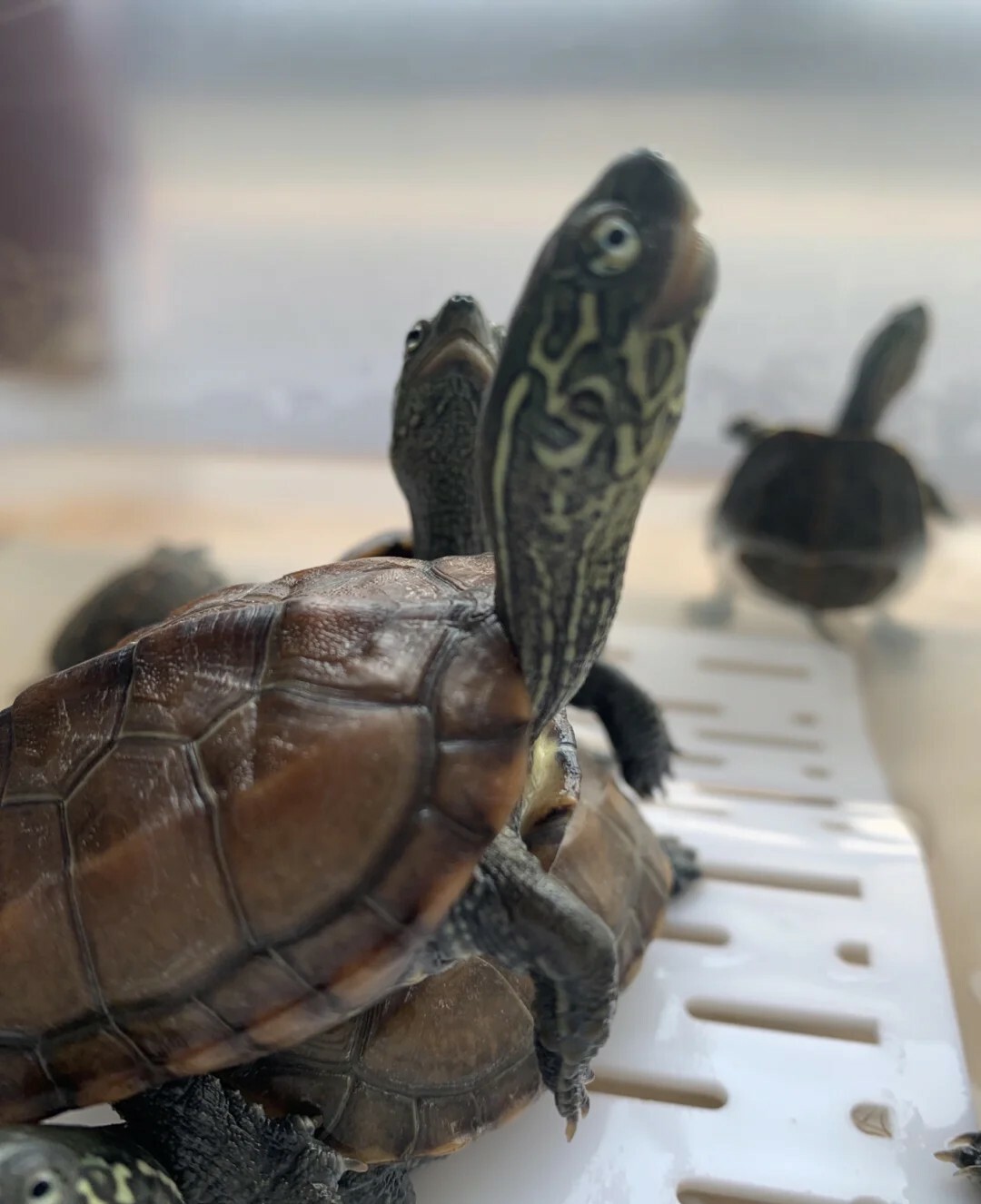
Feeding Requires “Stage-Specific Combinations”
Juvenile turtles: Mainly high-protein (turtle food, fish and shrimp, earthworms)
Adult turtles: Can be appropriately supplemented with vegetables and fruits (lettuce, water spinach, bananas)
Never feed a monotonous diet, and don’t randomly feed them human food!
Water Quality = The Turtle’s “Lifeline”
If the water gets dirty and smelly, skin rot and shell rot will follow.
Juvenile turtles: Change 1/3 of the water daily (in summer) (air out the water in advance to dechlorinate)
Adult turtles: Change water every 2-3 days, a filter can be added to assist (a device for filtering impurities from the water), but you still need to manually clean the tank weekly.
If the water smells bad or there is white flocculent matter on the turtle’s body (white, thread-like substance in the water or on the turtle’s body, often indicating poor water quality or a fungal infection), change the water completely immediately!
Environment Setup: Basking Dock + Space + Hiding Spot
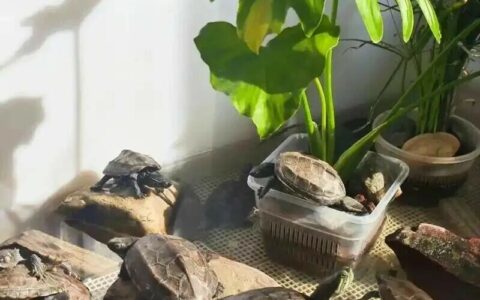
A basking dock (a platform for the turtle to leave the water to rest and sunbathe) is essential: it allows the turtle to get out of the water to rest and bask (to kill bacteria and supplement calcium) at any time.
Sufficient space: A juvenile turtle tank (a container for raising young turtles) should be at least 5 times the size of its shell, and adult turtles require even more space.
Create a “safe corner”: Use hollow bricks or flowerpots to provide a hiding spot for the turtle to reduce stress (physiological and behavioral responses an animal has when stimulated by the external environment).
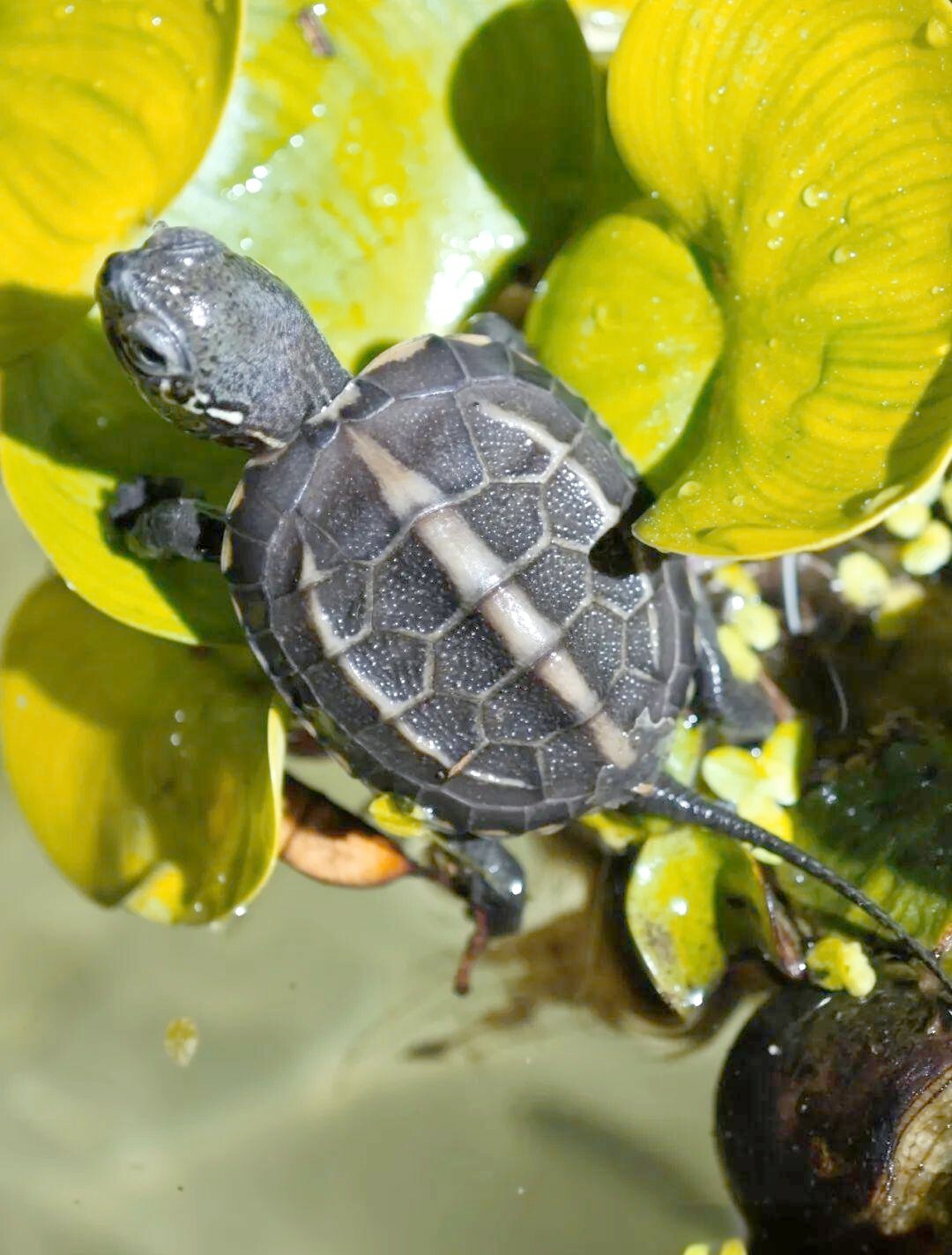
Adopt a “Buddha-like” Mentality, Don’t Be Overly Concerned
Don’t handle the turtle frequently—turtles are afraid of germs and stress.
Don’t randomly feed it supplements—high-quality turtle food plus natural ingredients are enough.
Don’t force-grow it (referring to accelerating an animal’s growth through improper means)—a turtle’s growth is measured in “years,” and patient observation is the right way.
The joy of turtle keeping lies in that quiet companionship: the turtle will poke its head out waiting for you to feed it, stretch out its limbs while basking, and slowly become a therapeutic (referring to bringing a sense of psychological comfort and relaxation) part of your life.
Remember these 5 points, and no matter what kind of turtle comes into your hands, you’ll be able to raise it stably and well!
Original article by 搬运工, if reproduced, please cite the source: https://www.kaipet.com/en/turtle-keeping-novice-pro-5-key-tips-goodbye-common-diseases-raise-healthy-turtle



Comments(2)
Temperature changes are tricky! I’ve wondered about ideal indoor temps during winter. Any specific range for common pet turtles?
@CriticX:您好!感谢您的提问。帖子中确实强调了温度对乌龟健康的重要性。关于冬季室内温度和具体温差范围,这确实需要根据您饲养的乌龟种类来确定。建议您查阅特定龟种的饲养指南,或咨询专业兽医获取更准确的信息。