

Many people don’t actually understand, what deep water is there in a home environment? The depth of a typical fish tank is only about 30-40 cm, and it’s rare to find one deeper than 0.5 meters. For raising turtles in storage totes, the most common depth is around 30 cm. In such an environment, there’s no need to distinguish between deep and shallow water. The terms shallow-water turtle and deep-water turtle are categorized based on natural bodies of water like lakes and rivers. Compared to natural bodies of water, the water depth in a home setup is merely shallow. In this context, the Chinese pond turtle is a “deep-water turtle”and can handle the “deep water” of a home environment without any problem.
The Water Adaptability of Chinese Pond Turtles and Common Misconceptions
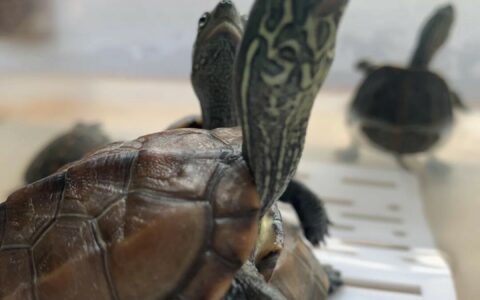
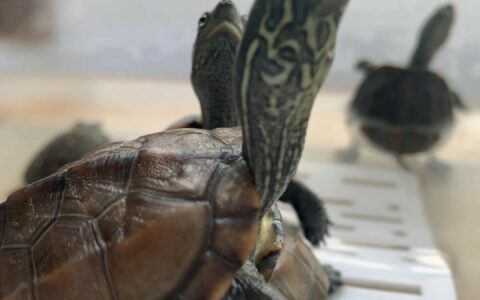
Many people think that the Chinese pond turtle is a semi-aquatic turtle (a type of turtle belonging to the Geoemydidae family in the order Testudines, whose living habits are between terrestrial and aquatic, usually active near water), can’t swim and can only crawl in water, and will drown in deep water. This is ridiculous. Many people have let their Chinese pond turtles’ swimming ability atrophy by keeping them in a few centimeters of water, and then they claim the turtles are poor swimmers. This is putting the cart before the horse.
Others use the small webbed feet of the Chinese pond turtle as an argument, believing it can only be raised in shallow water. But although the webbing on their feet is smaller than that of Chinese stripe-necked turtles or red-eared sliders, it is more than enough to handle the tens of centimeters of water depth in a home setup.
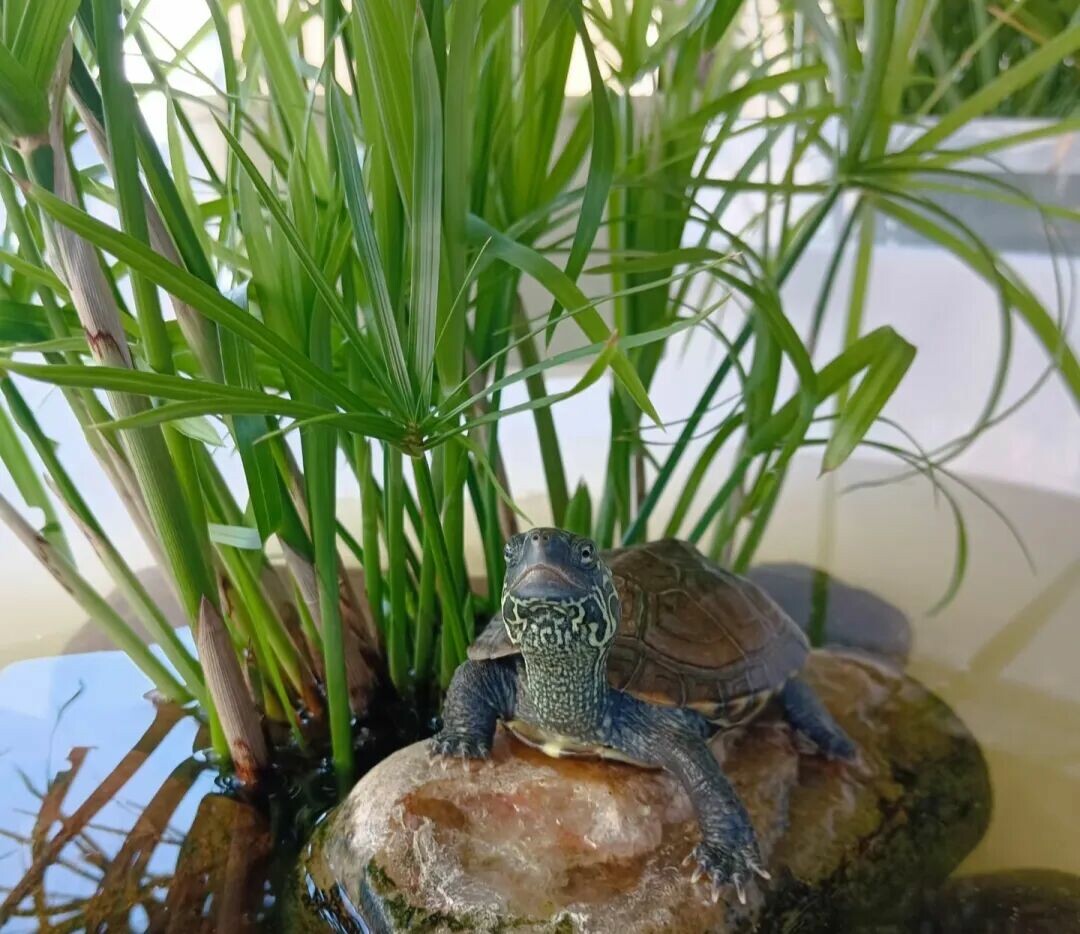
In the wild, Chinese pond turtles live in lakes, ponds, rivers, and ditches. Even the shallow areas of these bodies of water are much deeper than the water in a home fish tank or turtle tank. Therefore, as long as the tank is not exceptionally deep, the Chinese pond turtle is the cheapest “deep-water turtle” you can find, costing only a few yuan each.
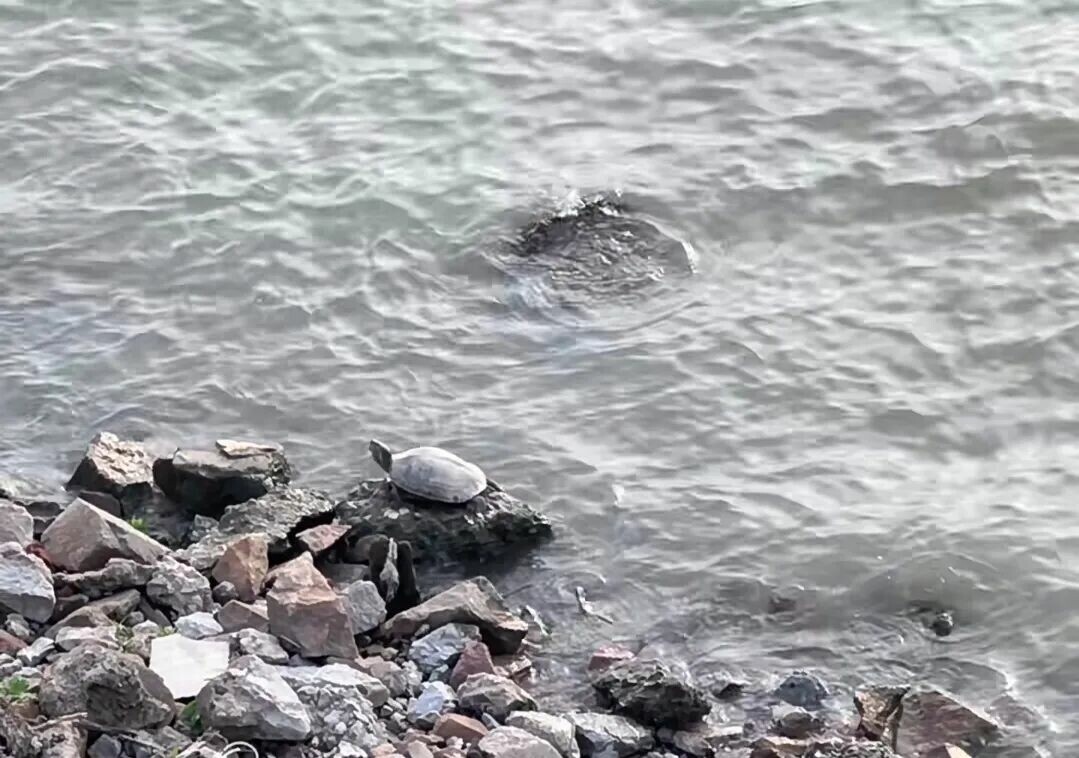
Differences in Constitution of Chinese Pond Turtles from Different Rearing Environments
First, the constitution of Chinese pond turtles from strongest to weakest is: Wild turtles > Outdoor pond-raised turtles > Greenhouse-raised turtles > Turtles kept in small boxes
Wild Turtles
They have the best constitution, living in bodies of water where depth is measured in meters. According to a foreign-language paper from an international SCI (Science Citation Index) journal that investigated the wild habitat of Chinese pond turtles in a location in Hubei, these turtles primarily live in shallow waters within 2 meters of the shore, at a water depth of about 38 cm. The most suitable water level is around 40 cm, and they prefer still water environments like ponds and paddy fields.
Outdoor Pond-Raised Turtles
Their constitution is the second strongest. These are the hardiest Chinese pond turtles that can be legally purchased (wild Chinese pond turtles are a Class II state-protected animal in China). They live in ponds with water depths of tens of centimeters, or even 1-2 meters or more, with sloped bottoms.
Greenhouse-Raised Turtles
Their constitution is the third strongest. The water level in turtle farm greenhouse ponds is generally around 20-50 cm. Although they are dependent on the greenhouse environment, their constitution is not as weak as one might imagine.
Turtles Kept in Small Boxes
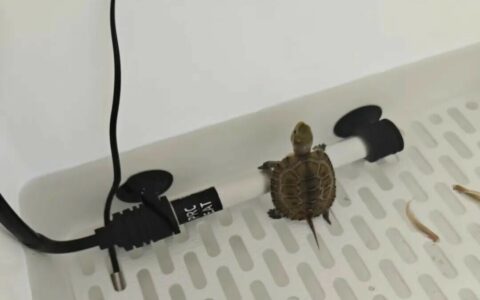
They have the weakest constitution. These are turtles kept by dealers (people who buy and sell turtles) in small boxes with shallow water of 2-5 cm. They barely move except to eat, and their constitution is even worse than that of greenhouse-raised turtles.
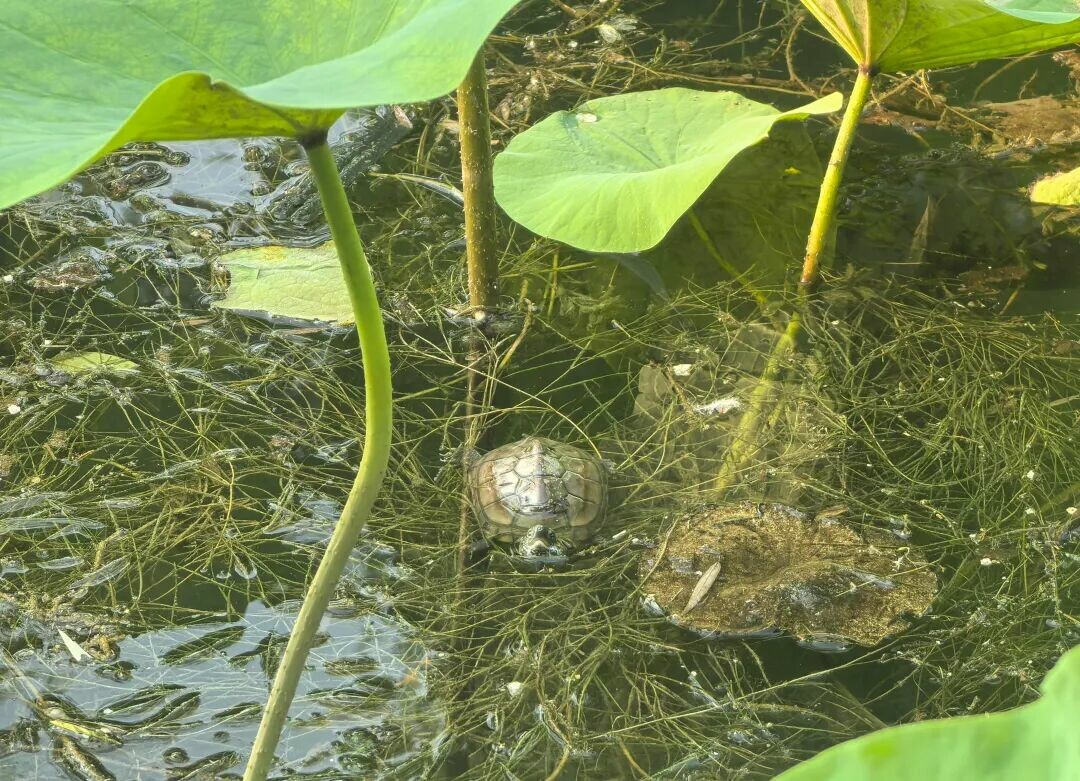
Suitable Water Levels and Precautions for Keeping Chinese Pond Turtles at Home
A turtle’s constitution is directly proportional to water depth, but this doesn’t mean deeper is always better. According to international authoritative journal papers, scientific investigations by zoology experts, and practices at turtle farms, a water depth range of 20-40 cm is the most suitable for Chinese pond turtles. This is data supported by scientific investigation and practical evidence.
However, it is important to note that water temperatures in the teens (degrees Celsius) are a high-risk period for “low-temperature drowning” in Chinese pond turtles. Because turtles are cold-blooded animals, their mobility is poor at low temperatures, and their swimming ability is limited, making it easy for them to drown at the bottom if they can’t swim up. Therefore, when the temperature is low, you should either heat the water, keep them in shallow water in an isolation box, or arrange for hibernation in advance. A suitable temperature and a basking platform for breathing are the primary elements for keeping turtles in deep water.
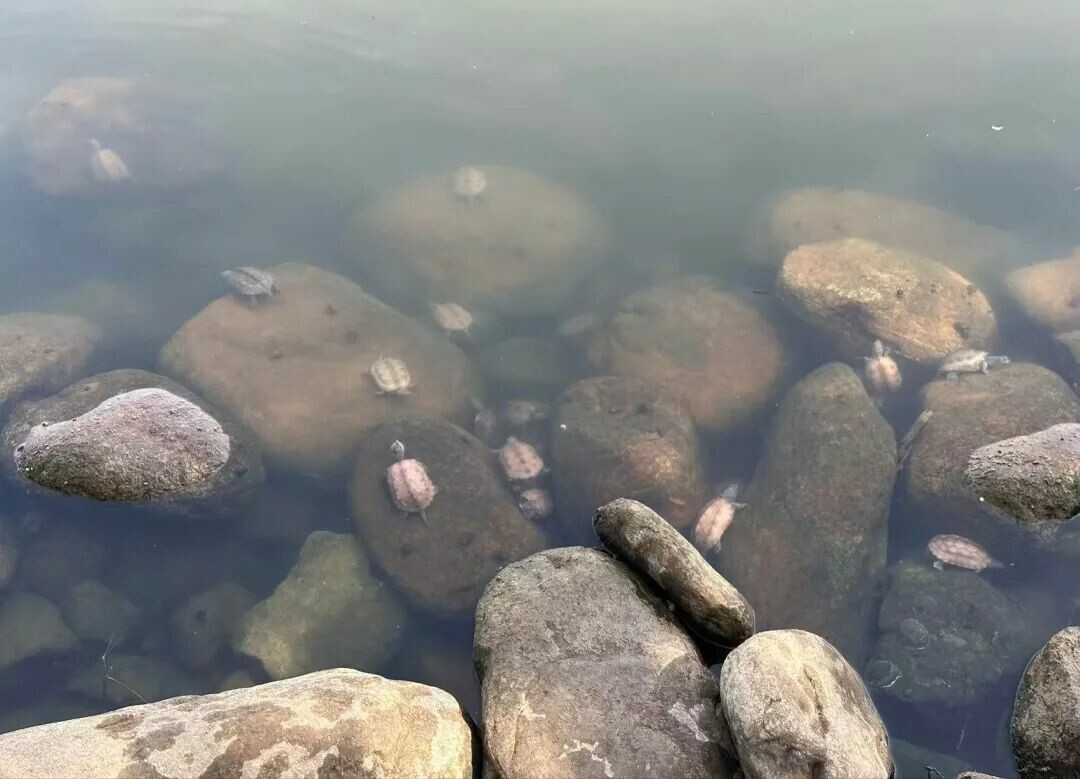
Note: Even for Chinese pond turtles, do not release them into the wild casually. Home-raised Chinese pond turtles have long been dependent on artificial feeding and a stable environment, and their ability to hunt in the wild has degenerated. The water temperature and quality in the wild are unstable, and food resources are limited. They find it difficult to adapt, and their survival rate after release is less than 5%.
Original article by 搬运工, if reproduced, please cite the source: https://www.kaipet.com/en/whats-water-level-chinese-pond-turtle-challenging-common-beliefs-deep-water-turtle-20-40cm-scientific





Comments(2)
这篇文章刷新了我对中华草龟的认知!大家有没有从浅水过渡到深水饲养的经验,需要注意哪些地方呢?
@CriticX:感谢您的积极反馈!很高兴文章能对您有所帮助。关于浅水到深水过渡,文章中已指出20-40cm为适宜水深,并强调了低温加热与晒台的重要性。祝您的爱龟健康成长!