

As summer gives way to autumn, the day-night temperature difference gradually increases from north to south, marking another critical season that tests turtle keepers. During autumn, with its significant temperature fluctuations, turtles are particularly prone to issues like the common cold, skin rot, and indigestion. How can you ensure your beloved pet turtle safely navigates this eventful autumn? Be sure to save these practical tips!
Environmental Control
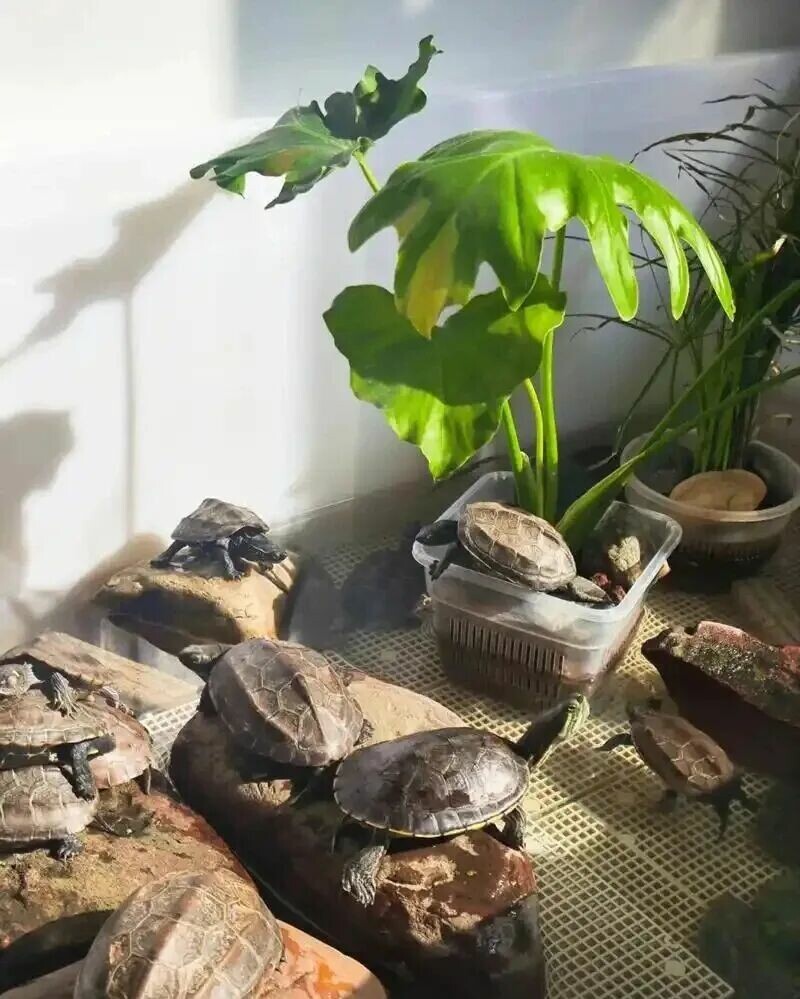
The most crucial aspect of keeping turtles in autumn is controlling the temperature difference. Friends who keep their turtles outdoors need to pay special attention: if your region has a large day-night temperature difference and strong winds, it is recommended to fully submerge the basking platform below the water surface to ensure the turtle’s back is not exposed to cold air for extended periods.
If you have a fixed basking platform that cannot be adjusted, there’s no need to worry excessively; turtles will autonomously seek suitable water areas to regulate their body temperature. Regarding whether to lower the basking platform, personally, I haven’t paid much attention to it, as I trust they will adjust on their own. However, for unsuitable locations, such as a spot directly in a draft, special cases require special treatment.
We can: increase the volume of the rearing water body, as larger volumes of water change temperature more slowly; significantly reduce the frequency of water changes to avoid temperature fluctuations caused by them; when water changes are necessary, be sure to perform an isothermal water change, where the temperature difference between the new and old water must not exceed 3℃;
For tropical turtle species, please prepare heating equipment in advance. Heating should be turned on when the local minimum temperature drops below 22℃.

If the temperature difference is not properly controlled, skin rot and colds are just around the corner in autumn!
Scientific Feeding
The feeding strategy for autumn requires a fundamental adjustment:
- Water temperature below 22℃: Stop feeding immediately (for hibernating turtle species);
- Water temperature below 25℃: Reduce feeding frequency and amount, switching to once every 2-3 days;
- Choose easily digestible turtle food; resolutely avoid feeding high-protein, hard-to-digest foods;
- Schedule feeding times for the morning as the temperature rises, or during the warmer midday period;
Important reminder: Without a stable and suitable temperature, a turtle’s digestive system becomes very unstable. Forcing them to eat can lead to gastroenteritis or even death! The biggest mistake in autumn turtle keeping is overfeeding out of overwhelming affection.
Maintenance Details
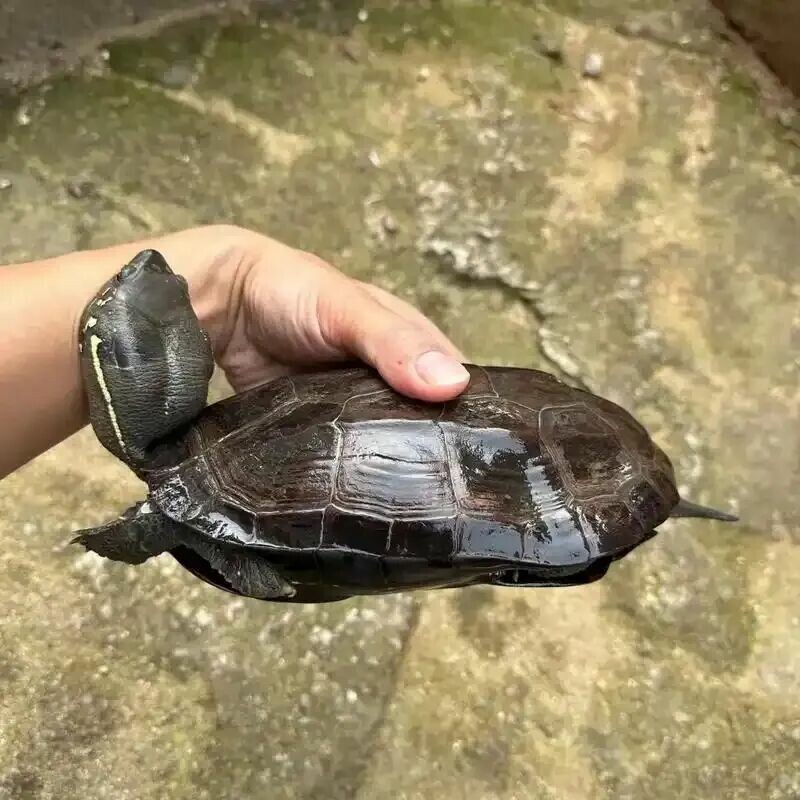
Besides temperature control and feeding, these details should not be overlooked: increase the dissolved oxygen level in the water, which can be done using filtration equipment with a Venturi tube; appropriately add natural botanicals like longan leaves, which provide hiding spots and improve water quality; regularly observe your turtle’s condition and intervene promptly if any abnormalities are found;
Prepare the hibernation environment in advance to transition smoothly into the coming winter, although it might still be a bit early for that now.
Keeping turtles in autumn is like a well-prepared marathon; care and patience are the best equipment. Eliminating all potential risk factors, especially the excessive “care” in feeding, is the only way to ensure our beloved turtles healthily get through this sensitive period of seasonal transition.
Original article by 搬运工, if reproduced, please cite the source: https://www.kaipet.com/en/pay-attention-keeping-turtles-autumn-3-tips-avoid-feeding-mistakes-turtle-autumn-safely





Comments(2)
Great tips on environmental control! I’m curious, what’s the minimum water volume you’d recommend for larger turtle species during autumn?
@CriticX:Thank you for your kind words! Regarding water volume for larger turtles, the article emphasizes that a larger volume helps maintain stable temperatures. While it doesn’t specify a minimum, increasing the volume beyond basic needs is generally beneficial for temperature control in autumn. For species-specific needs, consulting an expert is always recommended.