

After autumn begins, a “group wipeout alert” (referring to the phenomenon of a large number of organisms in a group dying in a short period) has appeared in turtle-keeping communities! For turtle hobbyists (turtle enthusiasts) who invest in turtle keeping, this is a devastating disaster.
Turtle Keeping “Group Wipeout Alert” and Autumn Challenges
Many turtle hobbyists find that after their beloved turtles enter autumn, they suddenly lose their appetite and become lethargic. Even turtle hatchlings (referring to newly hatched or very young turtles) that were active yesterday might die suddenly today. This isn’t mysticism at play; it’s the “double killer” of autumn temperature fluctuations and feeding methods at work. Understanding these mechanisms could be the key to “saving a turtle’s life”! This is a crucial step before winter. Whether you can “happily keep turtles” next year depends on not neglecting the autumn season.
Autumn Temperature Fluctuations: The “Invisible Killer” of the Digestive System
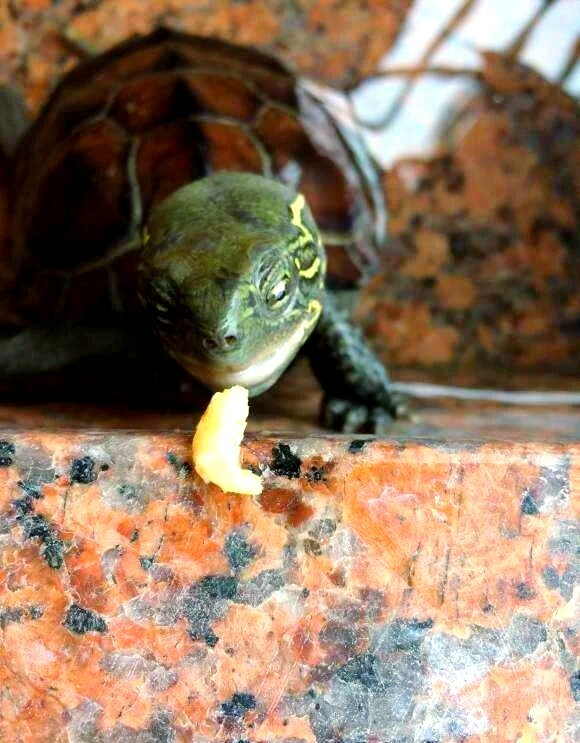
In autumn, the main issue is the temperature difference: the “invisible killer” of a turtle’s digestive system.
The most significant feature of autumn is that the temperature difference between morning and evening can exceed 10°C. As cold-blooded animals, turtles’ body temperatures change with the environment. A sudden drop in temperature causes their metabolism to slow down drastically. If they are fed as usual at this time, the food will accumulate in the intestines and cannot be digested. In mild cases, this leads to floating due to enteritis (a symptom where a turtle, after suffering from intestinal inflammation, floats on the water surface due to gas accumulation or metabolic abnormalities); in severe cases, they can die suddenly overnight!
Experimental data shows that when the water temperature is below 20°C, a turtle’s digestive enzyme activity decreases by 70%, which is why feeding must be stopped at low temperatures.
Feeding Pitfalls and Fatal Feedings
Feeding Pitfall: Your “loving feeding” might be poisoning your turtle.
- When the temperature is above 20°C, you can feed a small amount of easily digestible turtle food (1/3 of the original amount), and it must be done during stable temperature periods in the morning or at noon.
- Below 20°C, you must decisively stop feeding! Especially if you notice the turtle actively refusing food, do not “soften up and force-feed.”
- Incorrect Example: Night feeding + sudden temperature drop = peak period for acute gastroenteritis!
Drafts and Small Water Bodies: The “Deadly Combination”
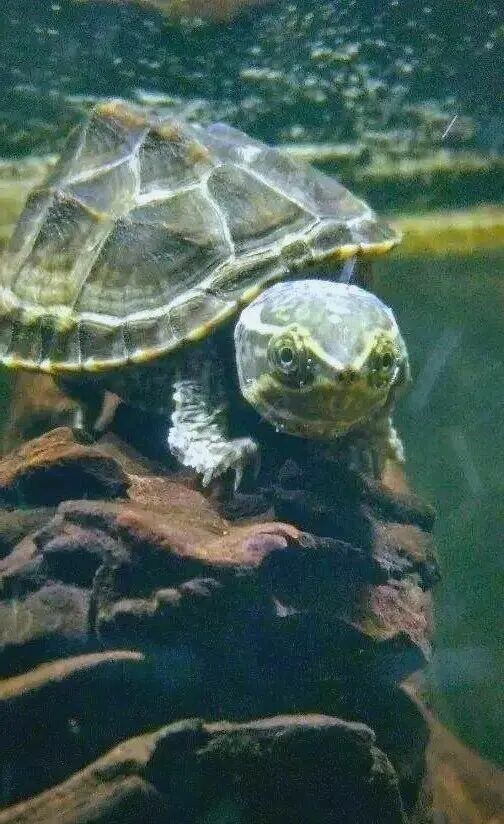
Deadly Detail: Drafts + a small body of water = a “deadly combination.”
Cool autumn winds can rapidly lower the water temperature; the temperature of a small body of water (like a plastic basin) can drop by 2-3°C in 5 minutes. As a turtle constantly adjusts its body temperature in fluctuating water, its immune system collapses, followed by colds and pneumonia. The correct approach is:
- Use a large body of water (water volume ≥ 10 times the turtle’s volume) to buffer temperature differences;
- Keep the turtle tank away from windows/vents, and you can use an insulating film to cover the water surface;
- The difference between water and air temperature should be ≤2°C (if necessary, a heating rod (a device used to heat water to maintain a constant temperature) should be used with a thermostat (a controller that can automatically regulate the heating device to keep the water temperature within a set range)).
Heated Overwintering Plan for Specific Turtles
“Advanced Hobbyist” Plan: 2 types of turtles must be heated for overwintering!
- Turtle hatchlings (late-season hatchlings from the current year (referring to hatchlings from the current year that are relatively small or underdeveloped)): Their shells have not hardened, and they have insufficient fat reserves. The mortality rate for natural overwintering exceeds 50%, so heating should be considered.
- Greenhouse-raised turtles (kept at a constant temperature year-round): Like “greenhouse flowers,” they are prone to sudden death when exposed to temperature fluctuations.
Solution: Use a submersible heater (a heating rod that can be fully submerged in water) + a temperature controller to maintain a constant temperature of 25-28°C for overwintering, paired with a less deep environment to reduce energy consumption.
Ultimate Turtle-Keeping Advice: Buying Turtles in Autumn is High-Risk
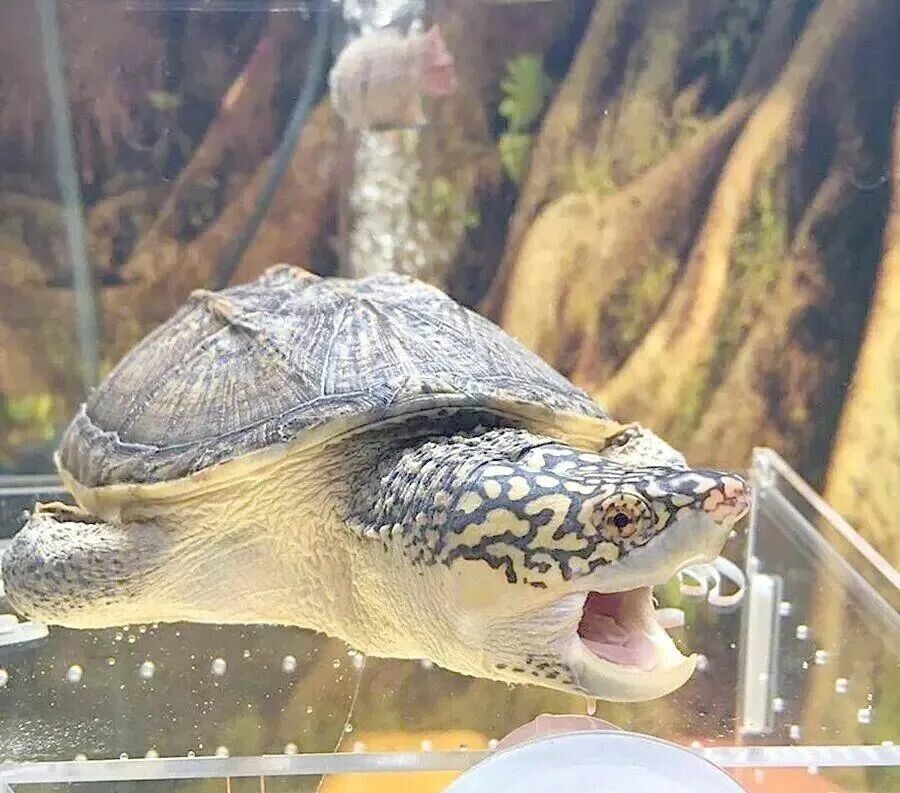
Ultimate Advice: Buying a turtle in autumn = a “high-risk action”!
If you have just purchased a new turtle (especially hatchlings or late-season hatchlings), it is recommended to implement a “heated overwintering plan.” The sudden temperature adaptation combined with the unstable autumn climate will cause the already weak immune systems of hatchlings to completely collapse. Remember: A healthy turtle won’t die from starving for a month, but one wrong meal can be fatal!
Original article by 搬运工, if reproduced, please cite the source: https://www.kaipet.com/en/autumn-turtle-care-low-temperature-feeding-leads-sudden-death-avoid-3-deadly-details-hatchlings-overwinter-safely





Comments(2)
Crucial feeding advice! I’m always nervous about when to completely stop. Any other tell-tale signs turtles give us?
@CriticX:感谢您的评论!很高兴我们的喂食建议对您有帮助。文章中提及,乌龟主动拒食是停止喂食的重要信号。此外,密切观察它们的活力和精神状态,也是判断其健康状况的关键。