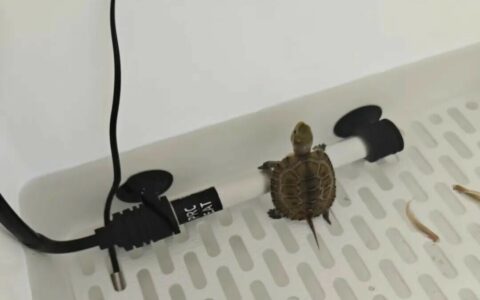
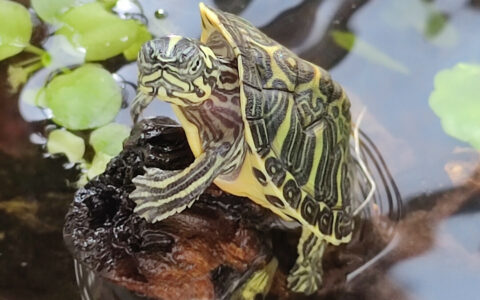
Soft shell conditions are generally divided into two types: First, there are newly hatched turtle hatchlings with soft carapaces, which is a normal phenomenon and should not be a cause for concern. Over time and with proper care, their shells will gradually harden. Second, there are turtles that were initially normal but later developed soft shells, or those that remain in a soft-shelled state for extended periods during care, which is commonly referred to as Soft Shell Disease.
The main causes of Soft Shell Disease are nutritional deficiencies and calcium deficiency in turtles, and it may also be related to problems with internal organs such as the liver and kidneys.
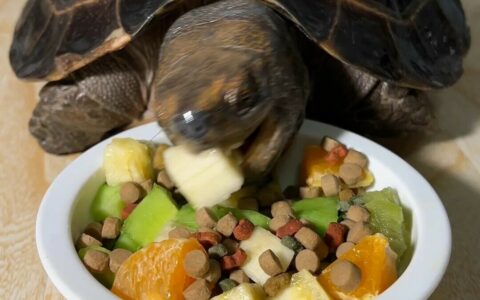
Calcium deficiency is relatively easy to address. Turtles can be exposed to more sunlight, as it promotes the synthesis of Vitamin D3, which aids in calcium absorption. Additionally, feeding turtles with higher calcium content foods, such as dried shrimp, or adding some cuttlebone powder to their diet are both good options.
If the above methods have been tried and the turtle still has a soft shell and is in poor condition, it is likely that there is an issue with the internal organs. In this case, to be frank, we need to prepare for the worst. It is recommended to take the turtle to a nearby veterinary hospital for a comprehensive examination.
Original article by KPTer, if reproduced, please cite the source: https://www.kaipet.com/en/soft-shell-turtles-sign-calcium-deficiency