

Regardless of the hibernation method or environment a turtle employs, its hibernation posture is generally similar. During hibernation, turtles typically retract their head, tail, and limbs into their shell.
Turtle’s Hibernation State in Water
Turtles hibernating in water must first sink to the bottom. If, during hibernation, all other turtles are submerged while one floats at the surface, it is likely ill. If it floats with its head and limbs extended above the water, and over time develops water mold and white fuzz on its body, it is deceased.

Turtle’s Hibernation State in Non-Aquatic Mediums
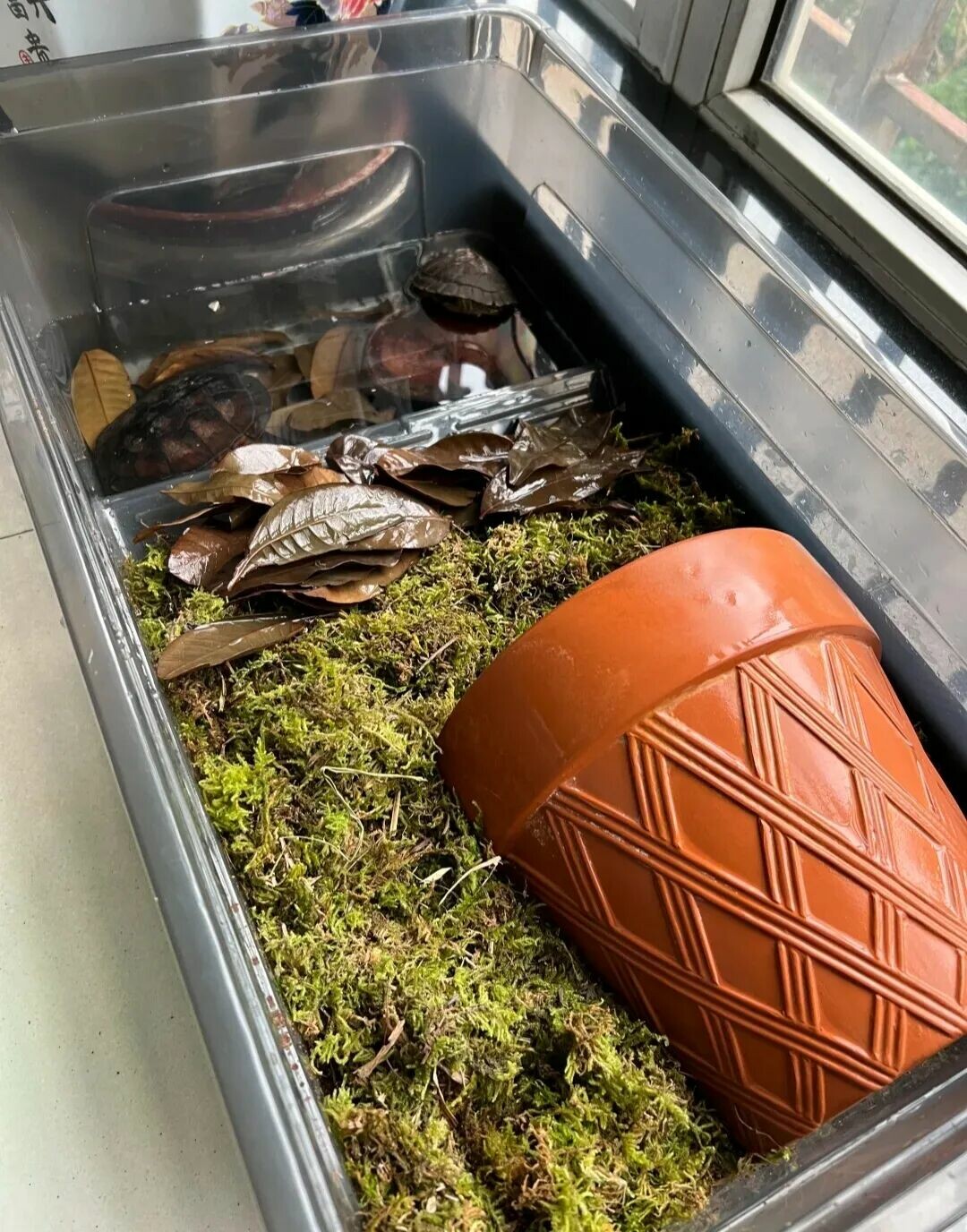
If you use wet towels, water-absorbing resins, or other non-aquatic mediums for hibernation, a healthy turtle will remain hidden within unless the temperature exceeds 15°C; otherwise, it will not emerge. If all other turtles are hibernating within the water-absorbing resin, and one is lying on top with its head, tail, and limbs extended, the likelihood of illness is nearly 100%. So, how can you determine if this turtle is truly dead?
Methods for Determining a Turtle’s Vitality
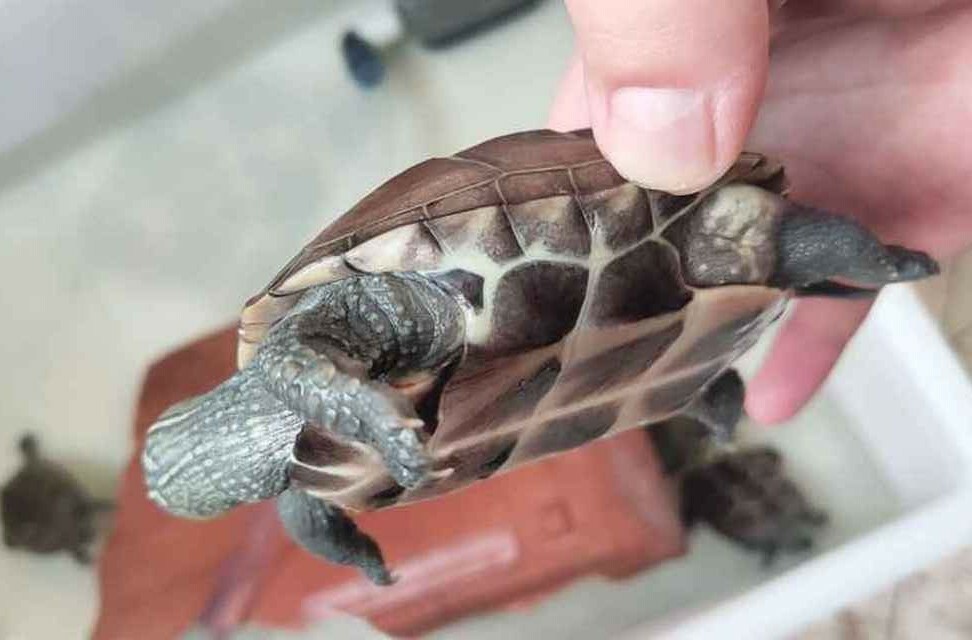
The most direct method is to gently pull on its limbs, being careful not to cause injury. If it is still alive, its muscles will remain moist and elastic, and the limbs will respond normally. If it is deceased, the limbs will be stiff, and the muscles will lack elasticity; the difference is quite evident.
Original article by KPTer, if reproduced, please cite the source: https://www.kaipet.com/en/methods-determining-turtles-hibernation-status-differentiate-hibernation-death






Comments(2)
This is such a helpful guide! I’m curious, does the ‘gentle pull’ method work equally well for all turtle sizes/species, or are there nuances?
@CriticX:Thanks for your question, CriticX! The ‘gentle pull’ method is a general guideline for checking vitality. While useful, specific nuances for all turtle sizes or species are not detailed in this article. For tailored advice, please consult a qualified reptile vet.