

Turtle keeping may seem simple, but it actually involves many intricacies. For beginners, understanding this key knowledge in advance can help you avoid making unnecessary mistakes on your turtle-keeping journey and raise healthy, long-lived turtles. Today, we’ve compiled a few things that novice turtle keepers must know beforehand.
Understand Before You Buy, Reject Impulsive Decisions
Beginners should never choose a turtle based on looks alone. Many turtle species are not beginner-friendly and require certain skills and experience to be raised well. Therefore, before buying a turtle, beginners must first understand its (the turtle’s) living habits and basic care methods, and then make a selection based on their own actual situation. I have personally compiled a recommended and not-recommended list for beginner turtle keepers to help you (beginners) quickly filter and find the most suitable little pet turtle for you.
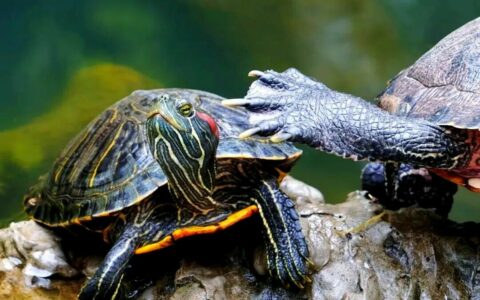
Recommended turtles: Red-eared Slider, Yellow-bellied Slider, Map Turtle, Red-bellied Cooter, Rio Grande Cooter (a type of aquatic turtle), Donut Turtle (a type of aquatic turtle), Chinese Pond Turtle, Chinese Stripe-necked Turtle, Yellow-margined Box Turtle (a type of semi-aquatic turtle), Musk Turtle (a type of aquatic turtle), Razorback Musk Turtle (a type of aquatic turtle), Chinese Red-necked Pond Turtle, West African Mud Turtle, Marsh Turtle, Yellow-headed Sideneck Turtle, Hilaire’s Sideneck Turtle, Spotted Pond Turtle, Ink Egg Turtle (a type of small aquatic turtle), Alligator Snapping Turtle, Florida Snapping Turtle, North American Map Turtles.
Not-recommended turtles: Painted Turtle, Striped Mud Turtle, Keeled Box Turtle, Asian Leaf Turtle (a type of semi-aquatic turtle), Australian Short-necked Turtle (a type of aquatic turtle), Scorpion Mud Turtle, North American Wood Turtle, Mata Mata, Diamondback Terrapin, Pig-nosed Turtle (a type of aquatic turtle), Long-necked Turtle (a type of aquatic turtle), Snail-eating Turtle.
Don’t Get Hatchlings, Choosing Larger Individuals is Safer
Although first-year turtle hatchlings are cute, their constitutions are relatively fragile, and the risks in raising them are high. Beginners shouldn’t use hatchlings for practice just because they’re cute. It is recommended to directly purchase individuals over 5 cm, as this will greatly enhance your (the beginner’s) keeping experience.
Avoid Doting on It, Give the Turtle Enough Space to Adapt
Many beginners like to “handle” their turtles every day, not realizing that this causes the timid little turtles frequent stress responses (a series of non-specific reactions of an organism to external stimuli), which can lead to illness. Turtles are poikilotherms, meaning their body temperature changes with the ambient temperature. The repeated stimulus of “cold in the water, warm in the hand” can easily cause problems for it (the turtle).
Therefore, after a new turtle arrives home, you must give it (the turtle) one to two days to adapt to the environment, allowing it (the turtle) to rest quietly.
Basking Should Be Moderate and Done Correctly
Turtles like to bask, but it should be done in moderation. It is recommended that basking does not exceed 2 hours per day, and the hottest midday period should be avoided. Additionally, for basking, it’s best to let ultraviolet rays shine directly on the turtle, as glass blocks a large portion of the UV spectrum, greatly reducing the effect of sunlight.
Avoid Mixed Keeping Whenever Possible to Prevent Unnecessary Risks
There are three major taboos in mixed turtle keeping: do not mix different species, do not mix different sizes, and do not mix sick turtles with healthy ones. If you are pursuing the aesthetic quality of a turtle, not mixing them is one of the prerequisites.
If you really want to keep them together, you must adhere to these three points: increase the volume of water and living space, control the stocking density, and prevent the turtles from becoming overly hungry.
Do Not Overfeed; No Turtle Starves to Death, Only Fed to Death
There is a saying in the turtle-keeping circle: “No turtle starves to death, only fed to death.” Overfeeding will cause the turtle to have indigestion and lead to gastroenteritis. Uneaten food left for a long time will spoil and rot, polluting the water quality and, in severe cases, leading to the turtle developing skin rot and white eye disease (common skin and eye diseases in turtles). Normal or reduced feeding is sufficient; although they grow slower, its advantage lies in safety.
Feeding principle: The amount should be what the turtle can finish within 5 minutes. Remove any leftovers to avoid spoiling the water quality. When the temperature is below 20°C (68°F), reduce the feeding amount to 1 to 2 times a week, following the health principle of “better less than more, progressing gradually.”
Regularly Check the Turtle’s Health to Detect Problems Early
Regularly observe the turtle’s behavior, appearance, appetite, and condition for any abnormalities. If abnormalities are found or the turtle is sick, it should be isolated and treated promptly. A sick turtle is not a scary thing; treatment is simple with the right method.
Don’t Be Tempted by Cheap Prices When Buying Turtles, Avoid Low-Price Traps
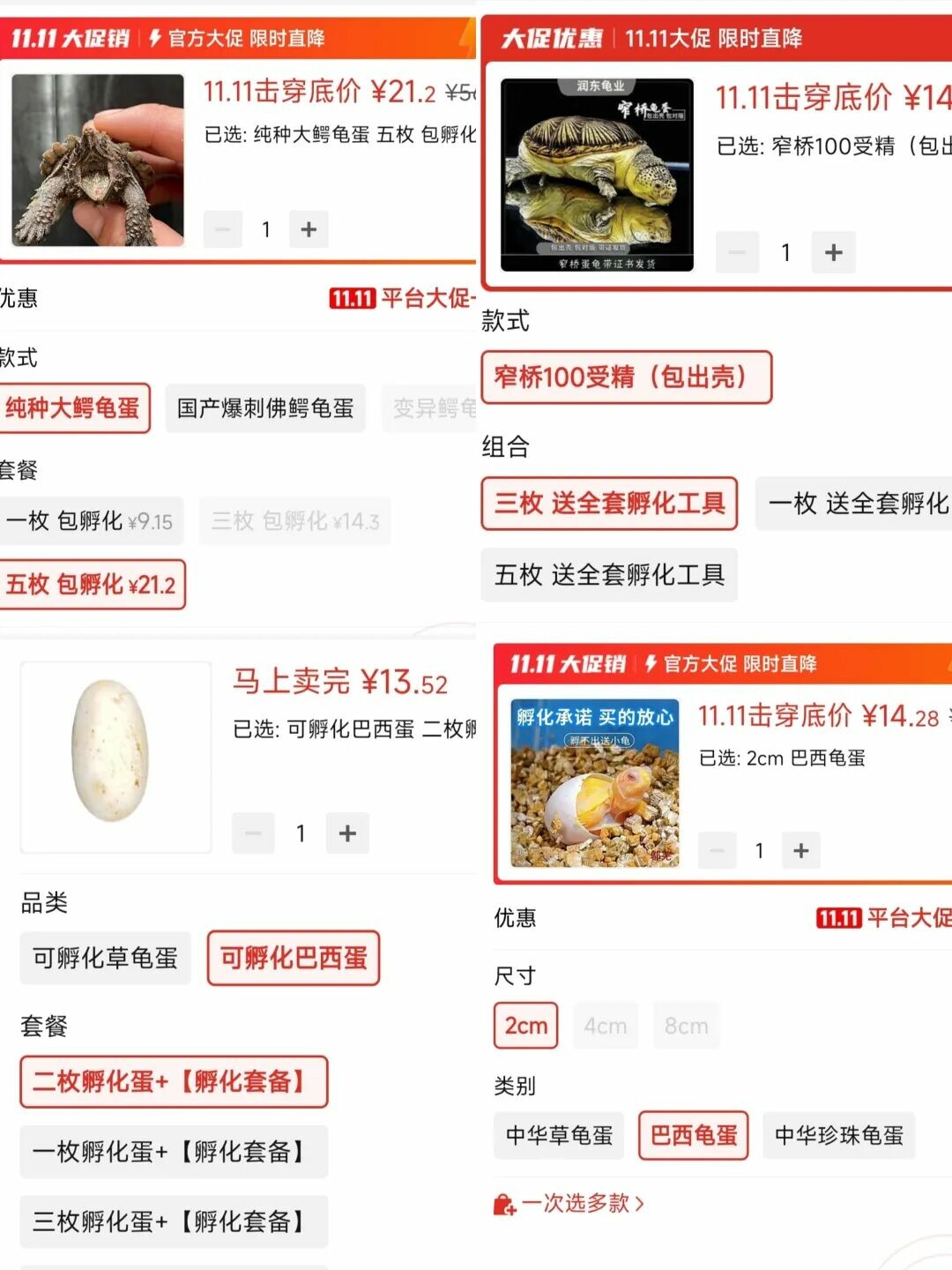
Be extremely cautious when you see very low-priced turtles or turtle eggs for sale. Especially with cheap turtle eggs, 99.9% of them are scams. For example, a Narrow-bridged Musk Turtle (*Claudius angustatus*), which costs thousands of yuan, having its eggs priced the same as a Chinese Pond Turtle (*Mauremys reevesii*) egg that costs a few yuan. By the way, there’s a strange phenomenon in the turtle-keeping circle—turtle eggs are more expensive than turtle hatchlings.
Original article by 搬运工, if reproduced, please cite the source: https://www.kaipet.com/en/beginners-guide-turtle-keeping-selection-care-taboos-avoid-detours





Comments(2)
This guide is super helpful! Could you share why some specific ‘not-recommended’ species are so challenging for beginners?
@CriticX:您好!感谢您的反馈!不推荐的物种通常因其特殊的饲养环境、饮食或体型要求较高,不适合新手。我们会考虑在后续文章中提供更详细的解释,帮助大家更好理解。