

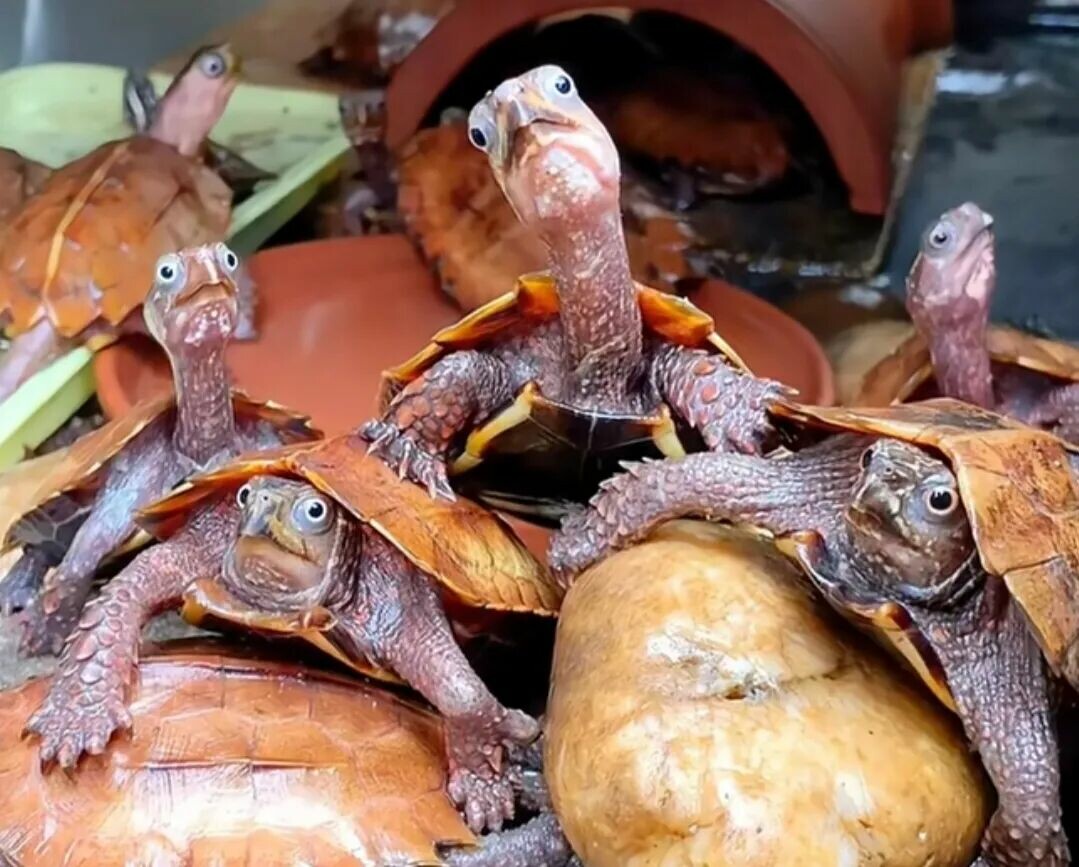
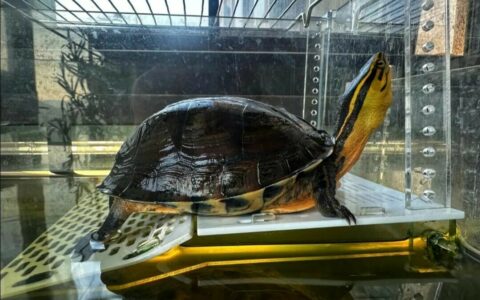
The Asian box turtle belongs to the order Testudines, suborder Cryptodira, family Geoemydidae, and genus Cuora. Its “unique skill” is a movable ligament between the pectoral and abdominal scutes of its plastron, while its carapace and plastron are also connected by ligaments. This acts like a “hinge,” allowing it to retract its head and all four limbs into its shell when threatened, sealing itself up tightly with only a hard shell exposed. Because the ligaments break after death, causing the plastron to separate into 2 sections, it is also known in folk tradition as the “Broken-Plastron Turtle.”
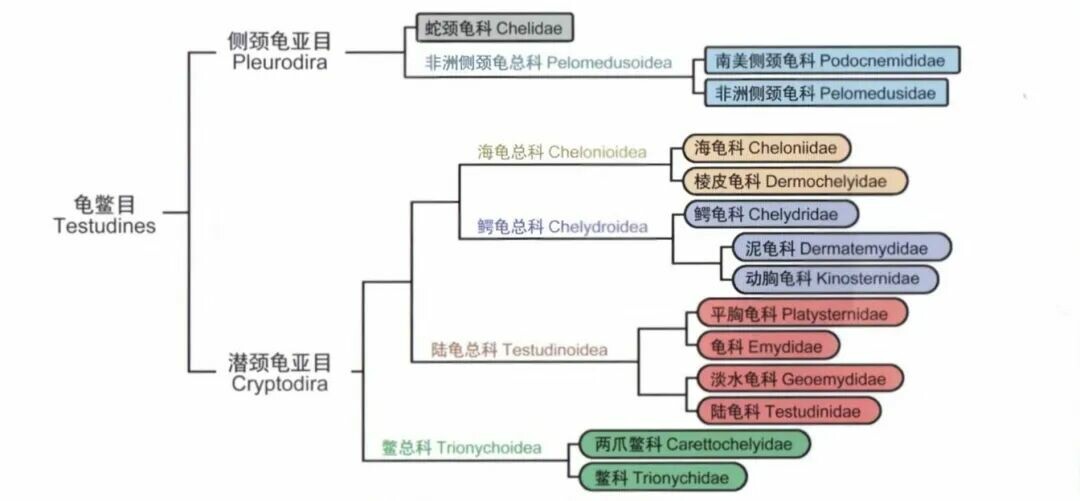
Species and Habits of Asian Box Turtles
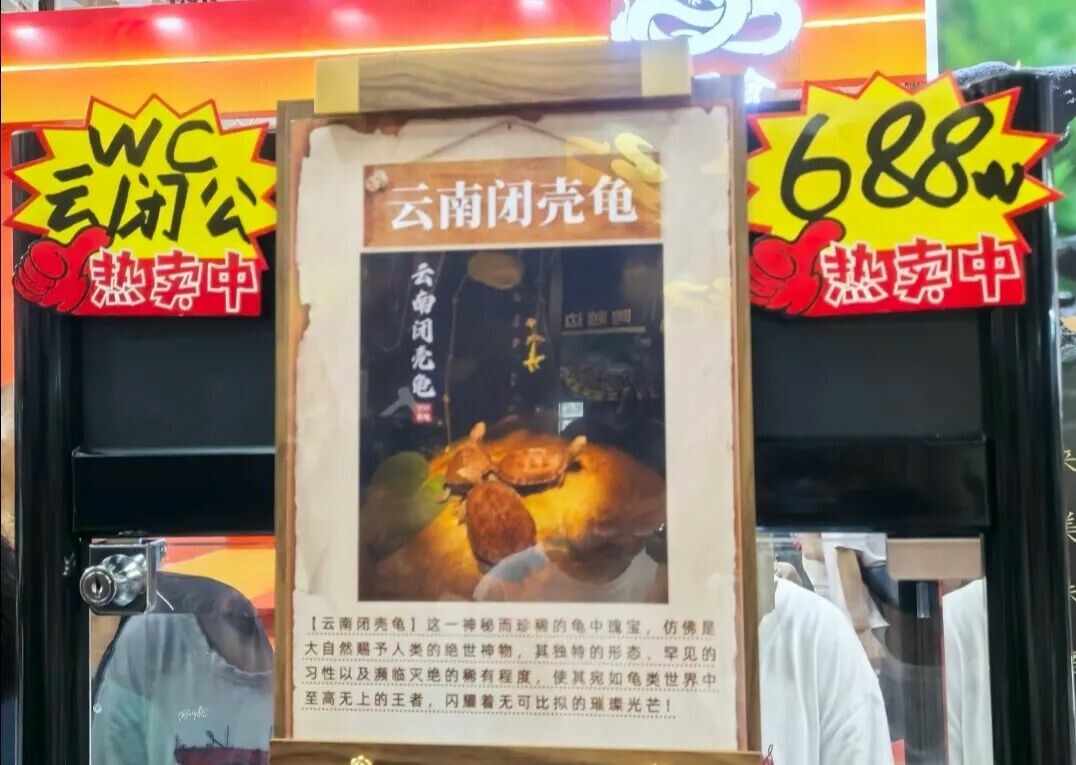
There are a total of 13 species of Asian box turtles. They are: the Amboina Box Turtle, Yellow-headed Box Turtle, Bourret’s Box Turtle, Vietnamese Three-striped Box Turtle, Yellow-margined Box Turtle, Indochinese Box Turtle, McCord’s Box Turtle, Keeled Box Turtle, Pan’s Box Turtle, Picturata Box Turtle, Chinese Three-striped Box Turtle, Yunnan Box Turtle, and Zhou’s Box Turtle.

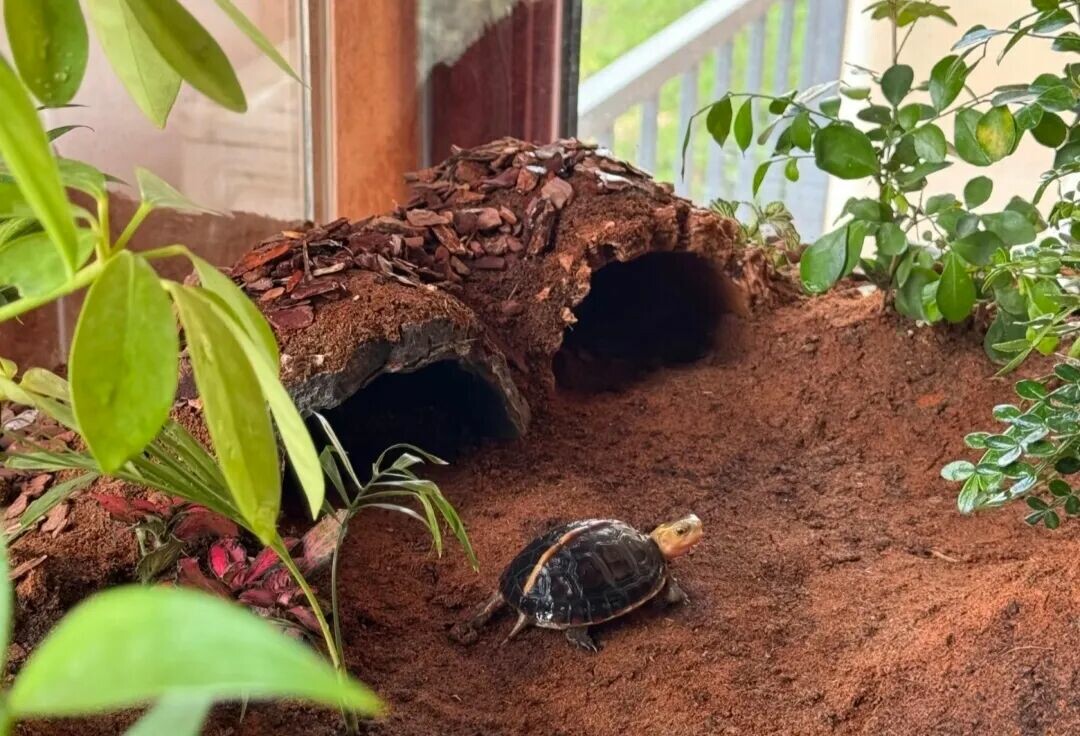
Asian box turtles are a species endemic to Asia, distributed across China and Southeast Asian regions such as Myanmar, Thailand, Vietnam, Japan, the Malay Peninsula, Indonesia, and the Philippines. They forage using their keen senses of sight and smell, preferring to be active in the early morning or at dusk—because insects are in their burrows at these times, making it easier for the slow-moving turtles to prey on them. Their diet is omnivorous; they dig for earthworms, catch snails, and also eat fruits, green grass, and fungi, “living quite non-picky lives.”
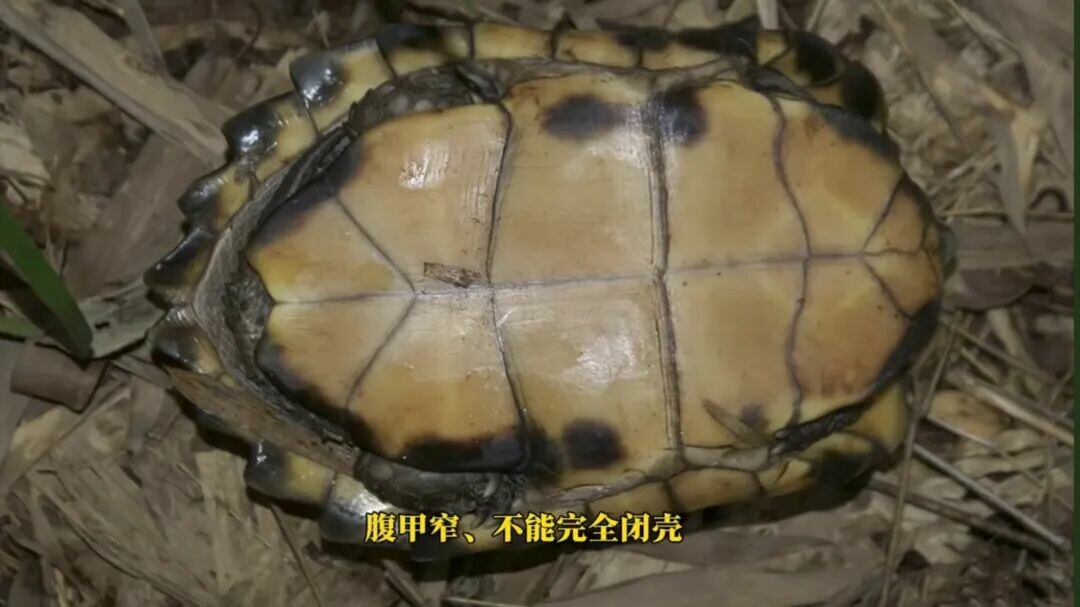
Differences in the Closing Mechanism
Key point! Not all turtles that can close their shells are called Asian Box Turtles.
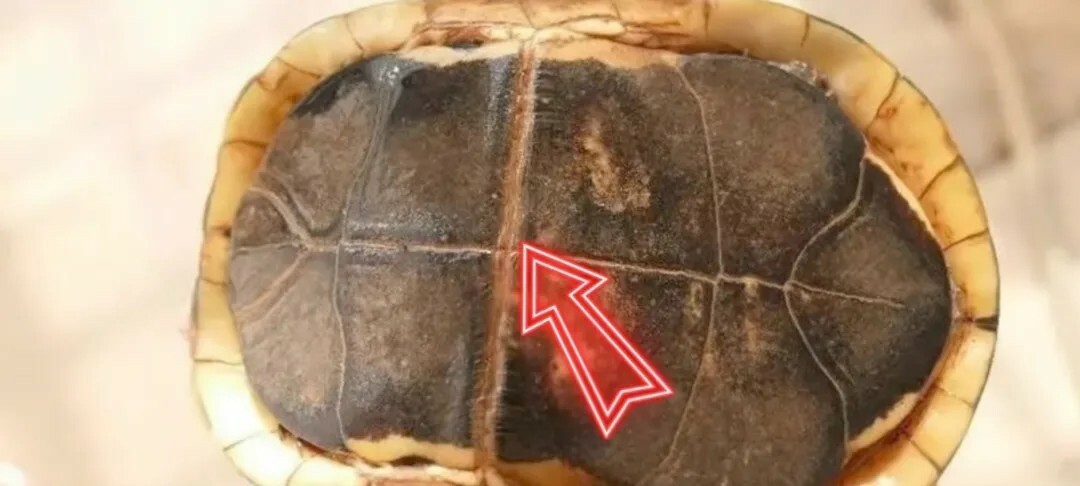
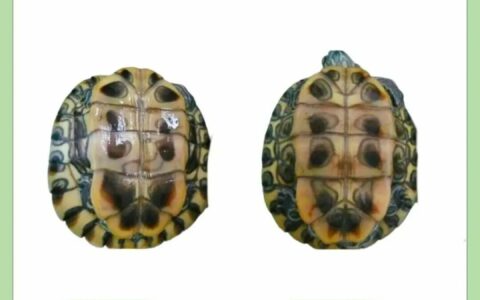
For example, the Red-cheeked Mud Turtle can also close its shell, but its closing mechanism is different from that of an Asian box turtle. The Red-cheeked Mud Turtle closes its shell using 2 ligaments, at the front and back of its plastron, while an authentic Asian box turtle relies on only 1 ligament between the pectoral and abdominal scutes. It’s like comparing “closing a door”with a “double lock”versus a “single lock”; the principle is completely different. Species like American box turtles and Red-cheeked Mud Turtles are not considered Asian Box Turtles.

The Red-cheeked Mud Turtle has 2 well-developed ligaments at the front and back of its plastron and closes its shell using these 2 ligaments. Asian box turtles, on the other hand, have a movable ligament between the pectoral and abdominal scutes of the plastron and close their shell using this 1 ligament.
Original article by 搬运工, if reproduced, please cite the source: https://www.kaipet.com/en/species-asian-box-turtles-introduction-13-classifications-varieties-identification


Comments(2)
The ‘Broken-Plastron Turtle’ folk name is so vivid! Beyond protection, does their unique hinge affect other behaviors like digging or feeding?
@CriticX:Thank you for your insightful question, CriticX! The unique hinge is primarily noted for its protective function. While the post doesn’t detail its effect on digging or feeding, it’s an interesting aspect to consider for these versatile omnivores!