

How Many Turtle Species Are There in China?
Don’t assume that China has few turtle species. According to the latest academic classification, there are currently 6 families, 17 genera, and 36 species of turtles in China. From aquatic to terrestrial, from tiny to massive, the diversity of the turtle family is far beyond your imagination.
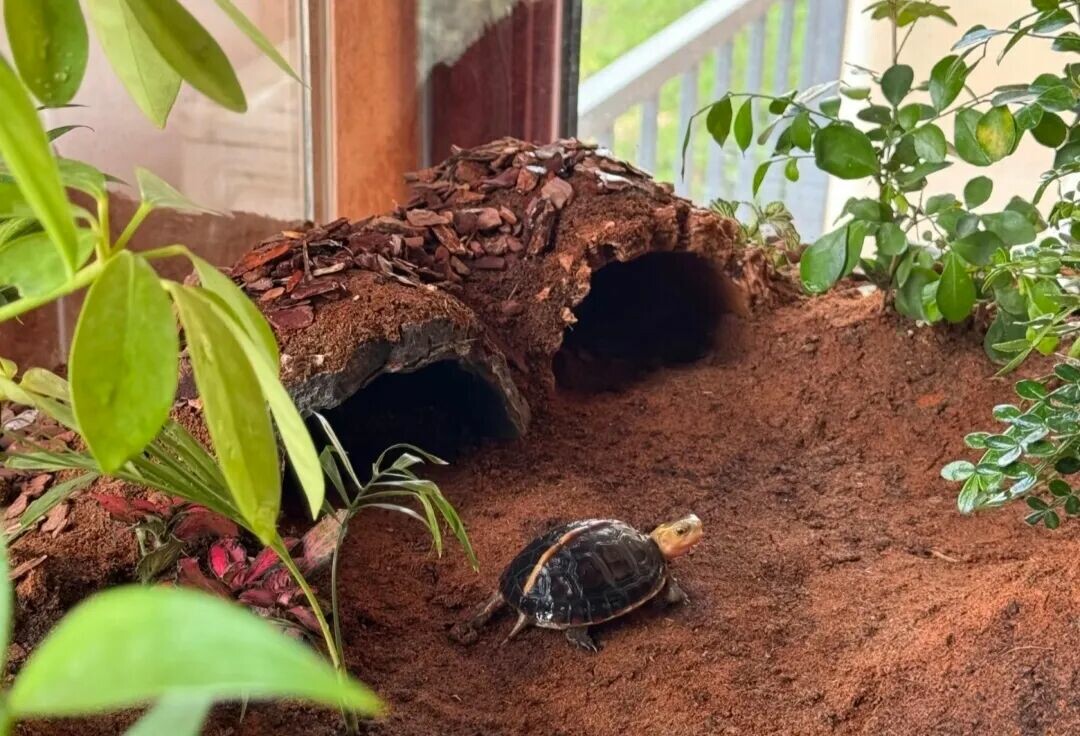
The Smallest Native Chinese Turtle?
The smallest turtle in China is the Black-breasted Leaf Turtle (*Geoemyda spengleri*), also known as the Maple Leaf Turtle because its carapace resembles a maple leaf. The maximum carapace length for females is only 12.8cm, while males are even more mini at just 10.9cm, looking like little creatures that have walked right out of a fairy tale.
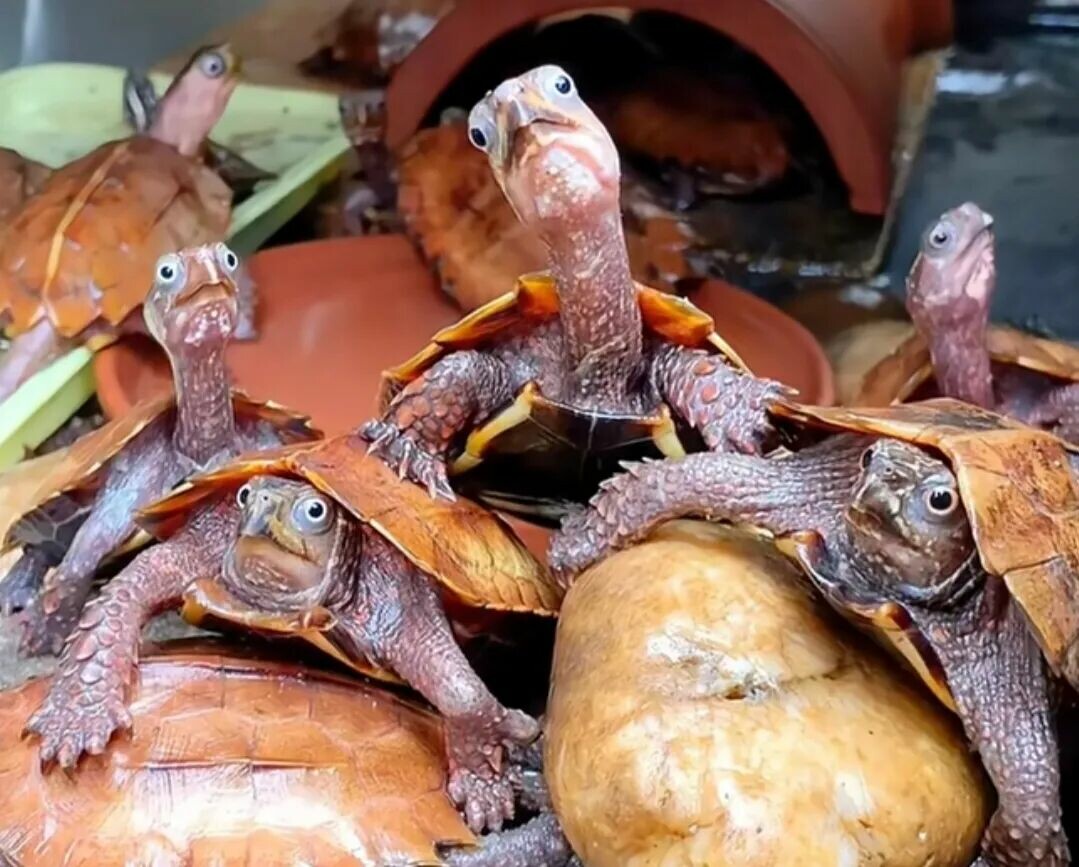
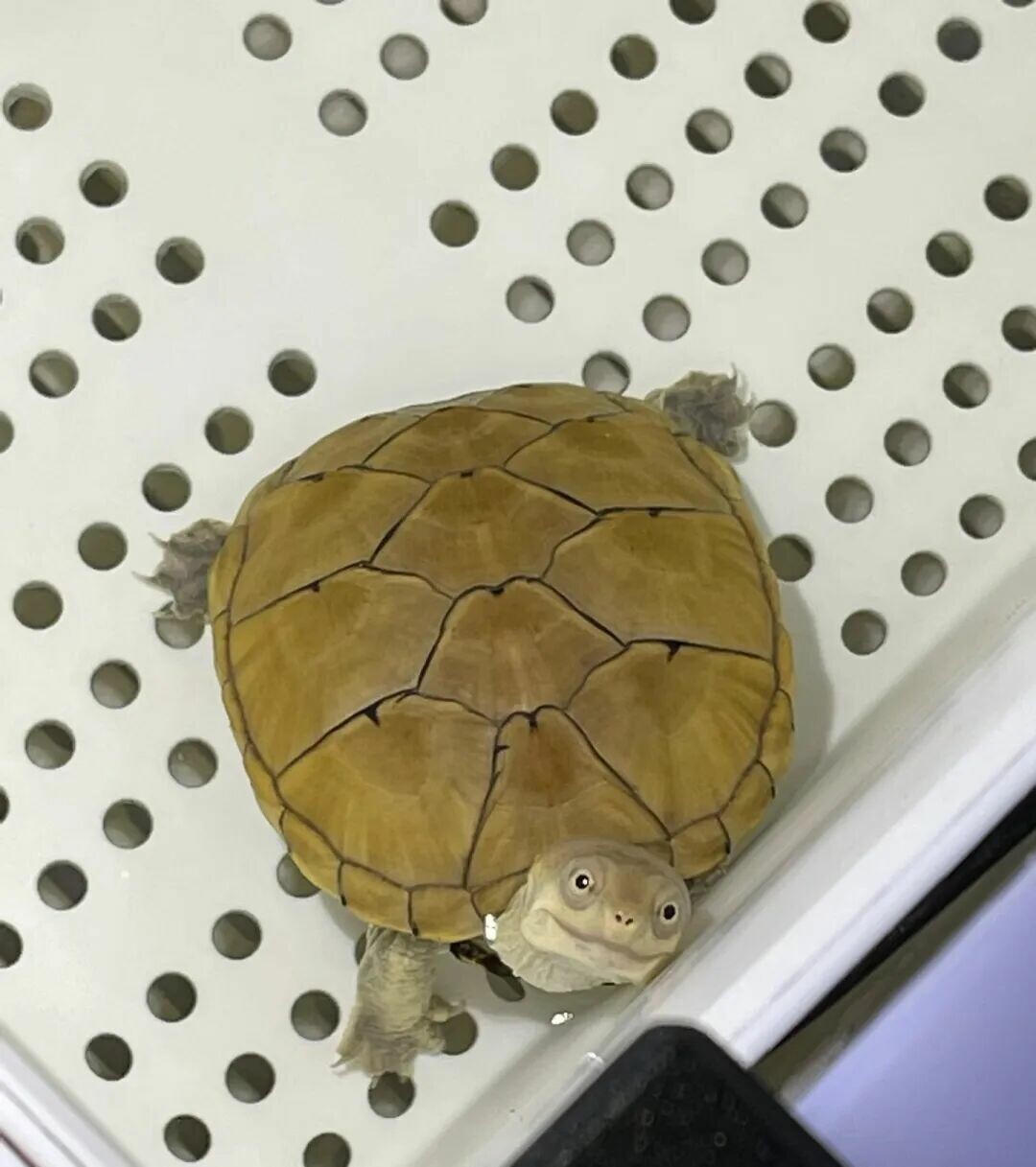
Hahaha, it looks a bit like a plucked chicken head~
The Cheapest Native Chinese Turtle?
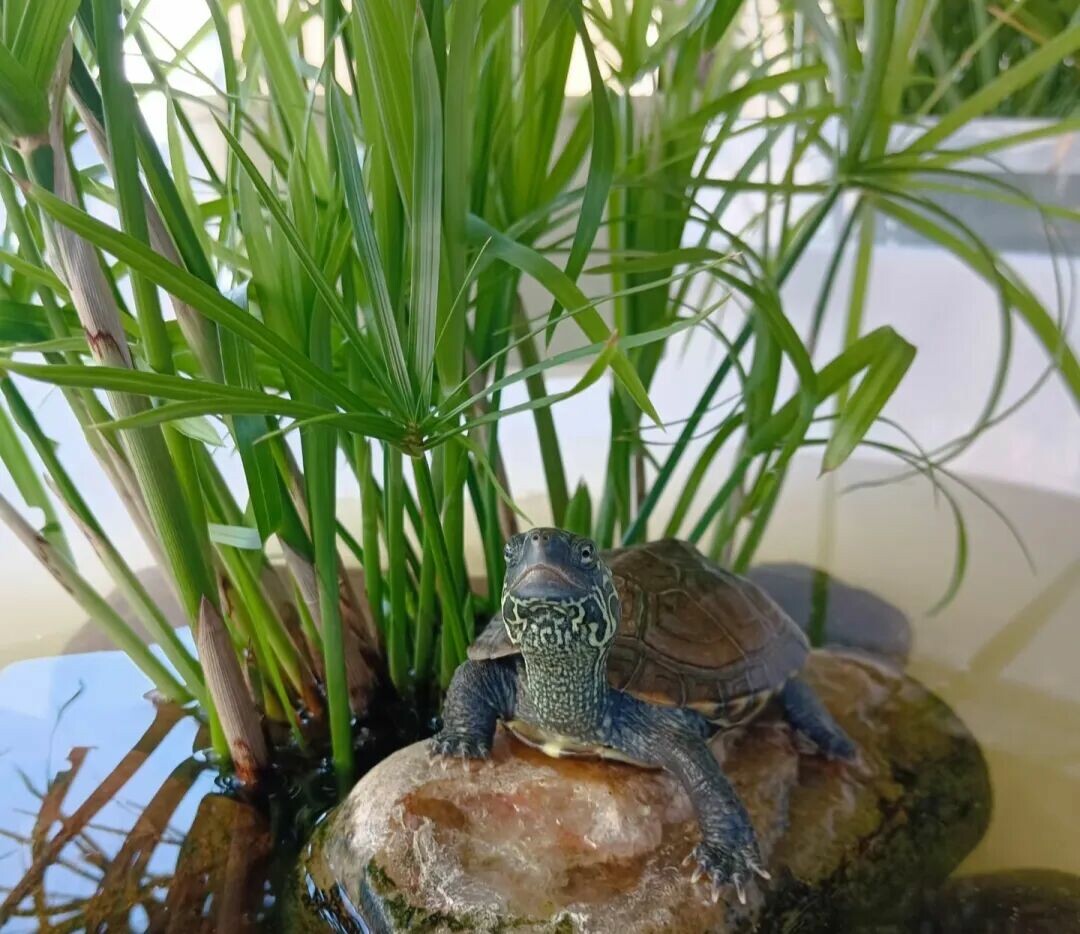
It has to be the Chinese Pond Turtle. I compared the prices of common grade Chinese Pond Turtle hatchlings across various platforms, and they are around 1 yuan. During promotional events, you can even take one home for just 0.01 yuan. Indeed, all roads in turtle keeping lead to the Chinese Pond Turtle.

Keeping turtles doesn’t have to be expensive; you can raise them on a budget without making compromises~
The Most Expensive Native Chinese Turtle?
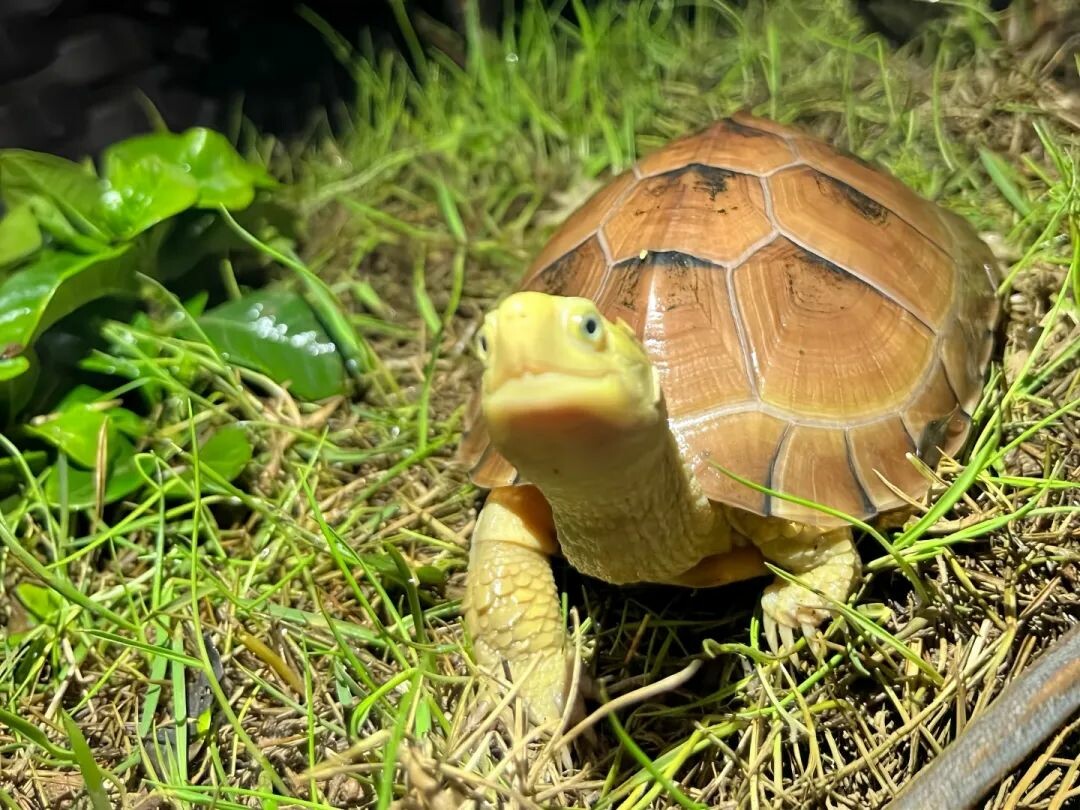
Rarity determines value, so I personally believe it’s the Yunnan Box Turtle and Zhou’s Box Turtle. The price for a Yunnan Box Turtle starts from 200,000 yuan. As for Zhou’s Box Turtle, due to its extremely small population in China, there have been almost no transaction records in recent years, making its value even more difficult to estimate.
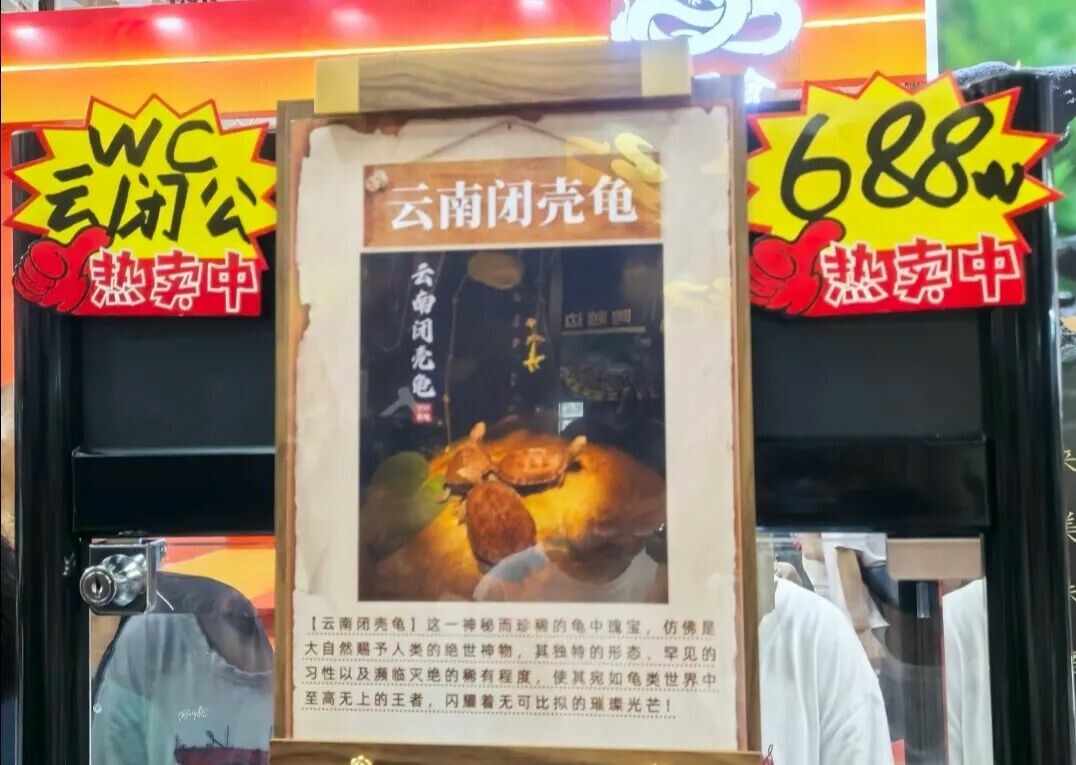
Although it looks a bit like a Chinese Pond Turtle, at the 2024 Foshan Shunde Turtle Exhibition, one was priced at 6.88 million. Hahaha, a 6.88 million Box Pond Turtle.
The Most Bizarre-Looking Native Chinese Turtle?
That would be the Beal’s Eyed Turtle and the Four-eyed Turtle, the ‘unconventional beauties’of the turtle world. Similar to a cobra, they have two pairs of false eyes on the back of their heads. This unique feature is one-of-a-kind among turtles, as if they were meticulously designed by nature to be ‘masters of disguise’.
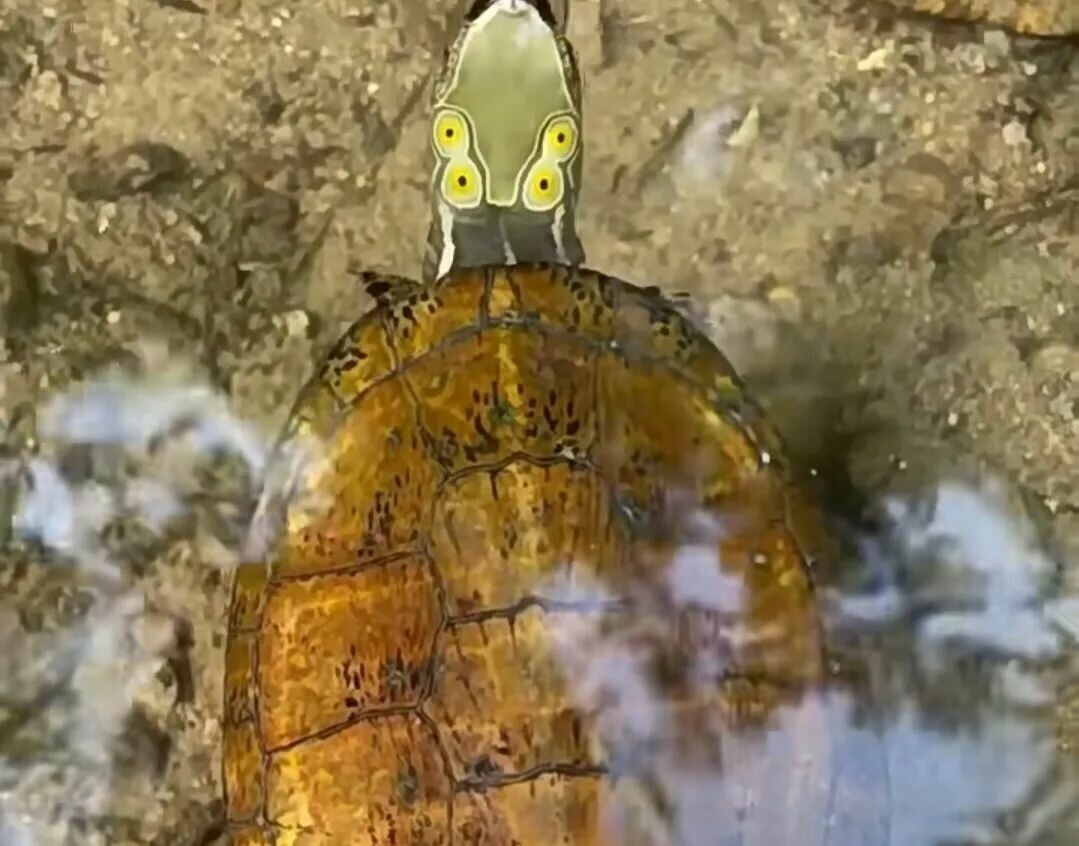
A reptile of the family Geoemydidae, genus *Sacalia*, it was named in 1831.
Which Turtle Species Are Naturally Distributed Only in China?
These include the Golden-headed Box Turtle, the Three-striped Box Turtle, Pan’s Box Turtle, McCord’s Box Turtle, the Yunnan Box Turtle, and the Beal’s Eyed Turtle. These species are naturally distributed only in China and are authentic endemic turtle species.
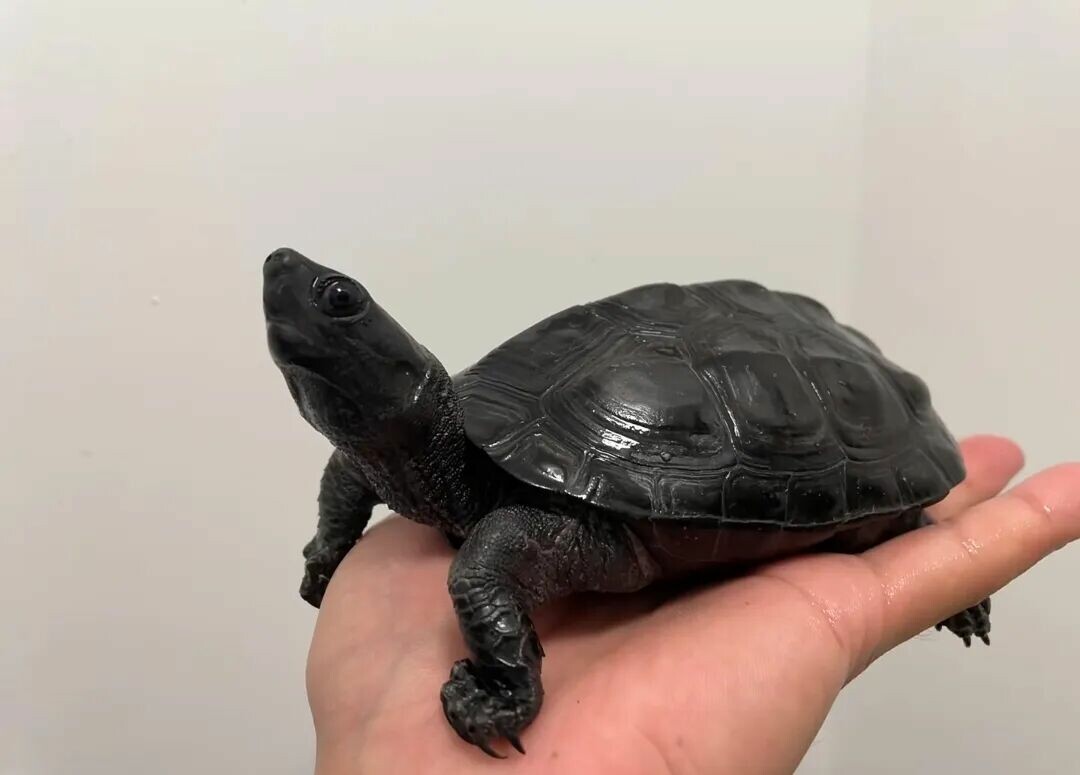
The Beauty of Chinese Turtles—Melanism in Chinese Pond Turtles, a cultural code and ecological wonder hidden within China’s chelonians.
How Many Tortoise Species Are There in China?
There are nearly 50 existing tortoise species in the world (not including subspecies), but only 3 tortoise species are naturally distributed in China: the Horsfield’s Tortoise, the Elongated Tortoise, and the Impressed Tortoise. They are China’s ‘tortoise squad’.

Photo taken in Kunming in September 2023. The Impressed Tortoise is also called the Three-tailed Tortoise. It is an endangered species and a Class II state-protected animal. It loves to eat mushrooms and bamboo shoots 🐶
The Most Widely Distributed Native Chinese Turtle?
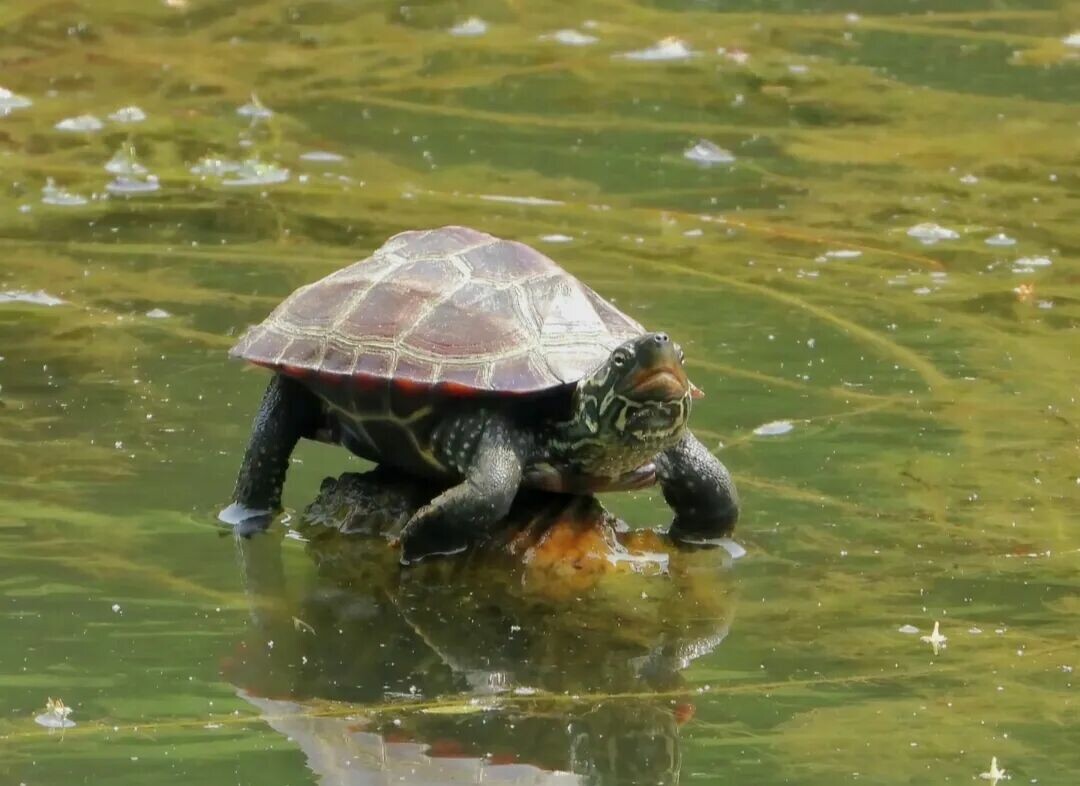
The most widely distributed turtle in China has to be the Chinese Pond Turtle. Its presence can be seen in nearly 20 provinces, including Anhui, Fujian, Gansu, Guangdong, Guizhou, Henan, Hubei, Hunan, Jiangsu, Jiangxi, Sichuan, Zhejiang, and Taiwan, making it the undisputed ‘King of Adaptation’.
Original article by 搬运工, if reproduced, please cite the source: https://www.kaipet.com/en/turtle-species-china-unveiling-8-fun-facts-native-turtles







Comments(2)
It’s amazing to learn about China’s endemic turtle species! I’m curious, what are the biggest conservation challenges they face today?
@CriticX:Thank you, CriticX, for your insightful question! We’re glad you enjoyed learning about China’s turtles. Conservation challenges like habitat loss and illegal trade are indeed critical for these endemic species. We appreciate your interest and will consider covering this vital topic in future articles!