

Generally speaking, a beard is a symbol of maturity. It’s not just part of a father’s appearance; most of the time, it can provide a sense of security, while a curled mustache adds a touch of ‘playfulness.’ In the world of fish, many species also have whiskers. Their whiskers, or more accurately, barbels, not only vary in form—such as length and thickness—but also in number. A fish’s barbels are neither a sign of age nor a symbol of gender; they are tactile organs with an important sensory function. Most fish with barbels typically have poor eyesight and rely on these feelers to find food in the water.
Next, let’s learn about the barbels of various fish species!

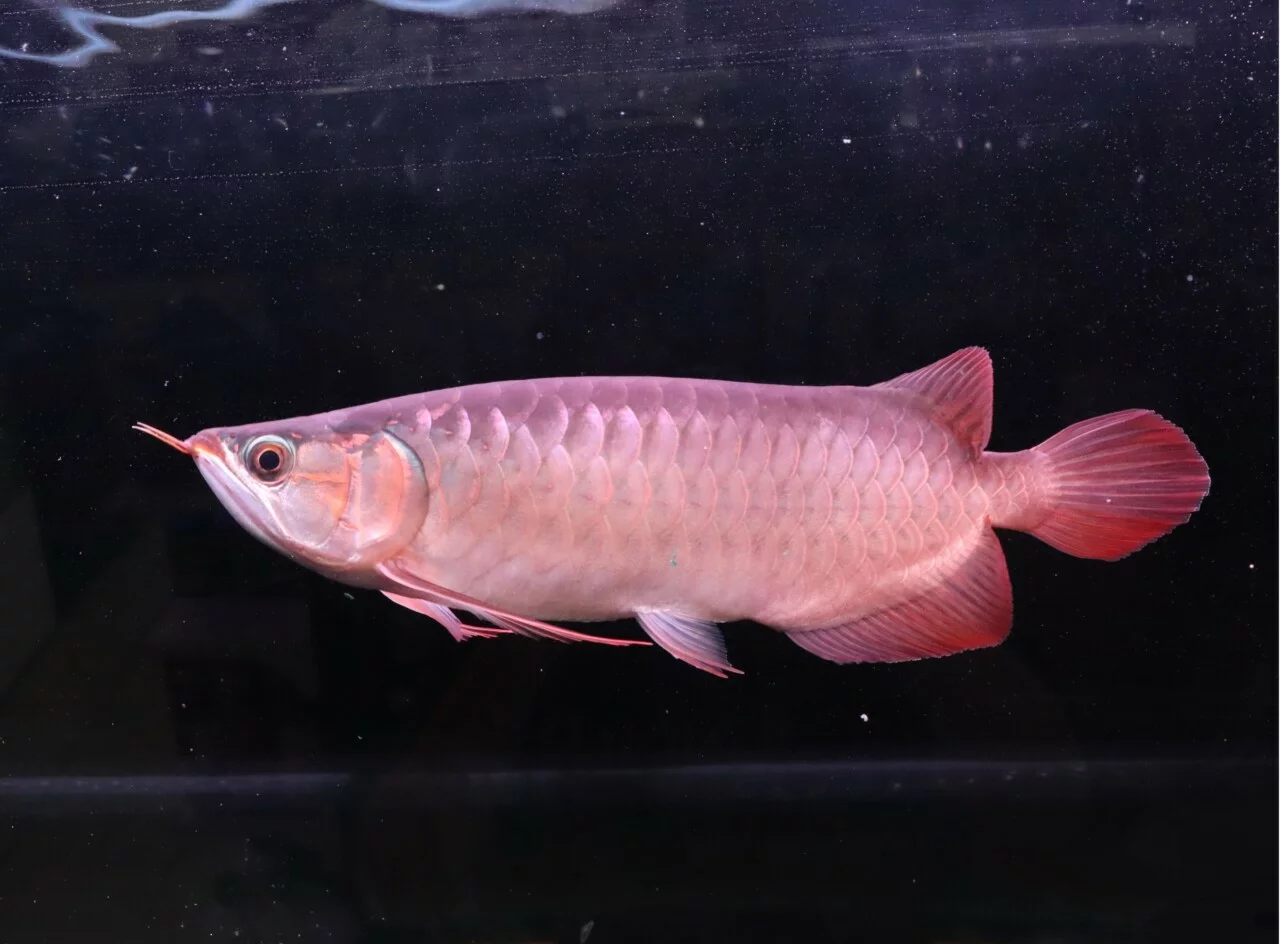
Arowana
Among the many ornamental fish, the Arowana is a highly representative species. Arowanas have pleasing colors and an imposing form. Their elongated bodies and the barbels at the corners of their mouths resemble the dragons of legend. The Golden and Red Arowanas are considered the noblest, and many people regard them as objects that can guard the house and ward off evil spirits. Arowanas have strict water quality requirements and a strong sense of territoriality, so mixed-species keeping is not recommended for beginners. When raising Arowanas, the fish tank must be kept clean, not just for aesthetics but for the health of the fish. A sufficiently large tank, a complete set of necessary equipment, and pristine water quality are all of paramount importance.
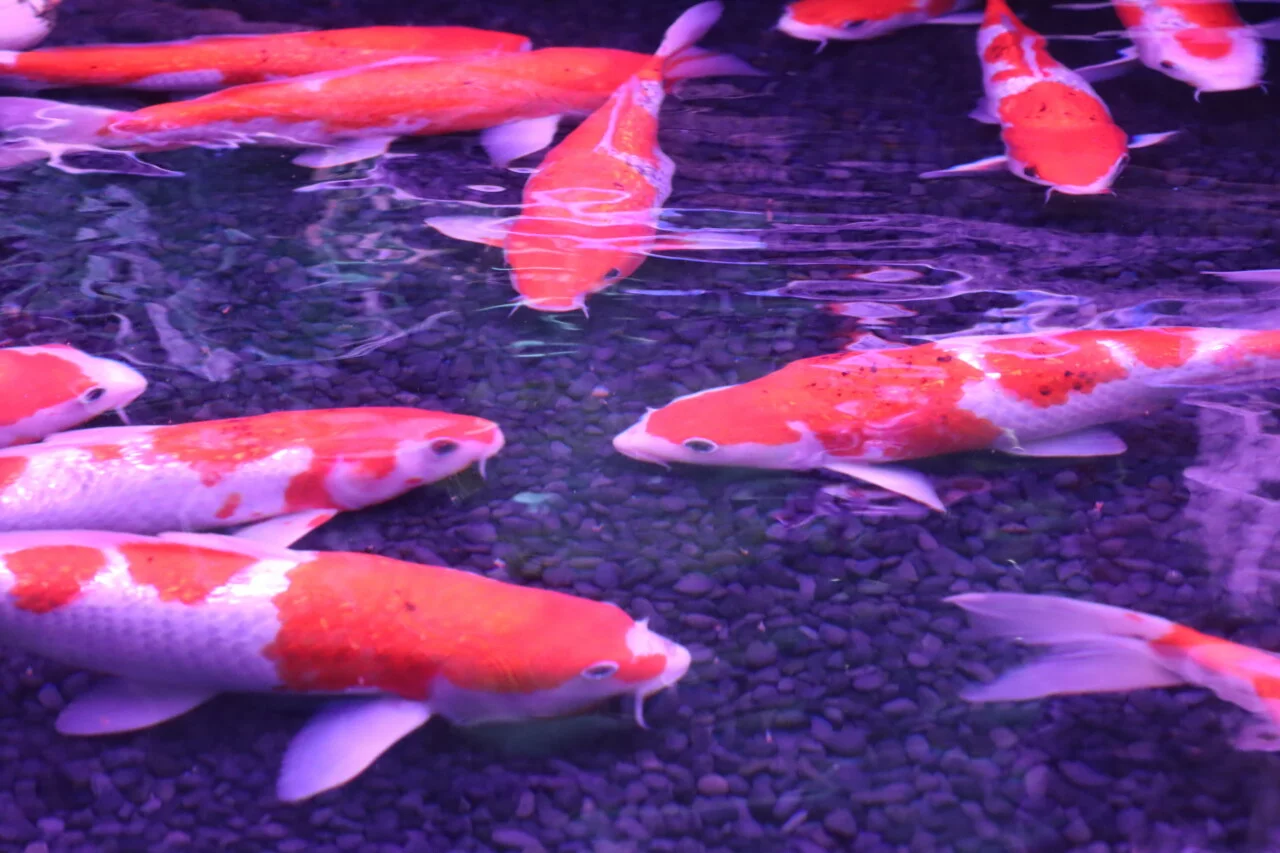
Koi
Koi have 4 barbels, which is 2 pairs. Among them, 1 pair is long and 1 pair is short; the short barbels are very short and easily overlooked. During their care, ensuring the tank environment and water quality are in good condition is essential for the healthy growth of the Koi. To avoid scratching the fish’s mouth (which is very fragile, and an injury could lead to barbel loss), you should avoid placing sharp, angular rocks in the tank. Koi are ornamental fish popular worldwide, known in Japan as “living jewels in the water”and “the king of ornamental fish.” Koi have varied patterns, brilliant colors, and robust bodies. They also carry auspicious meanings and have even become associated with Feng Shui culture.
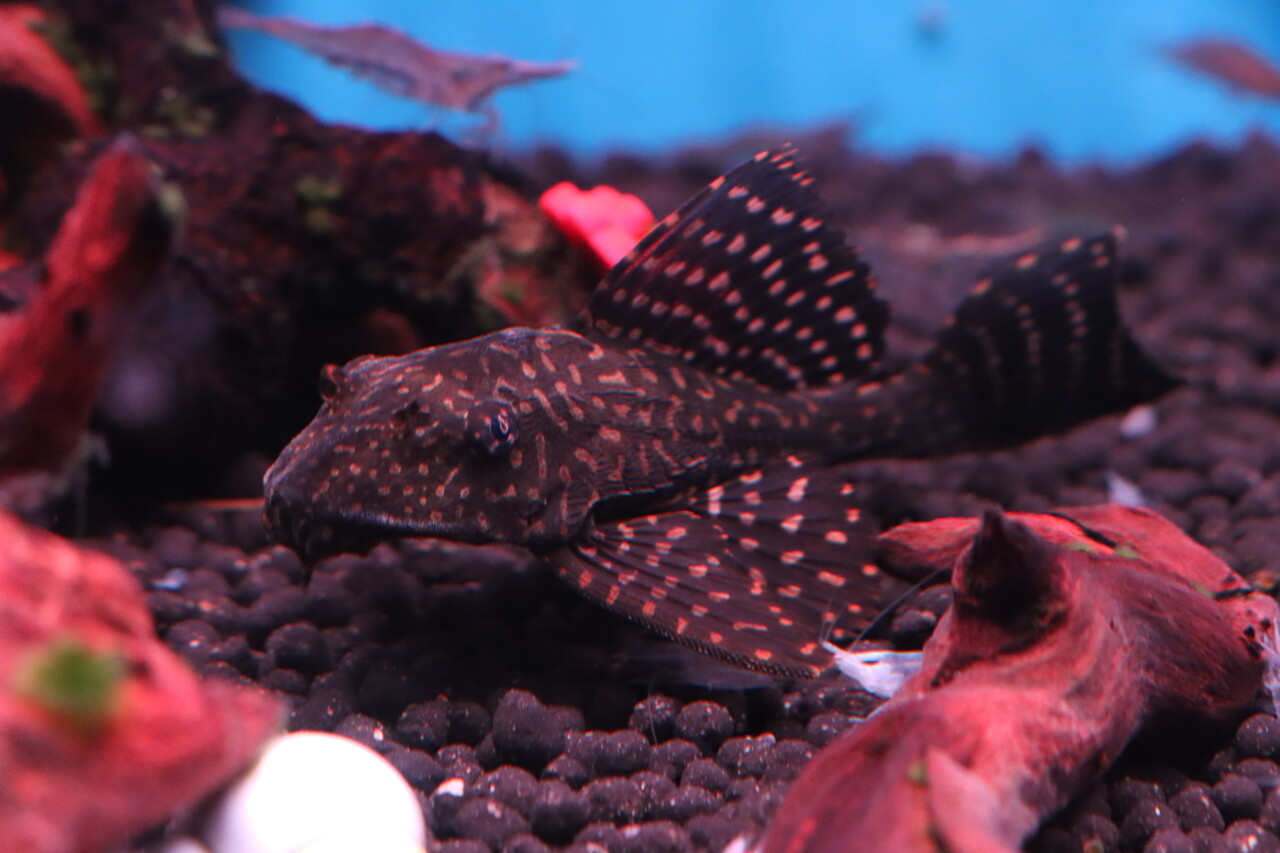
Bristlenose Pleco
For those who like Plecos (a type of ornamental fish with a body shape or features different from common fish), the Bristlenose Pleco is no stranger. Its brilliant body color, dense whiskers, and long, “silky and flowing” fins are all impressive. It is highly adaptable and not demanding in its care requirements, making it sought after by many beginners to Plecos. It also serves as a utility fish in the tank, possessing good algae removal capabilities.
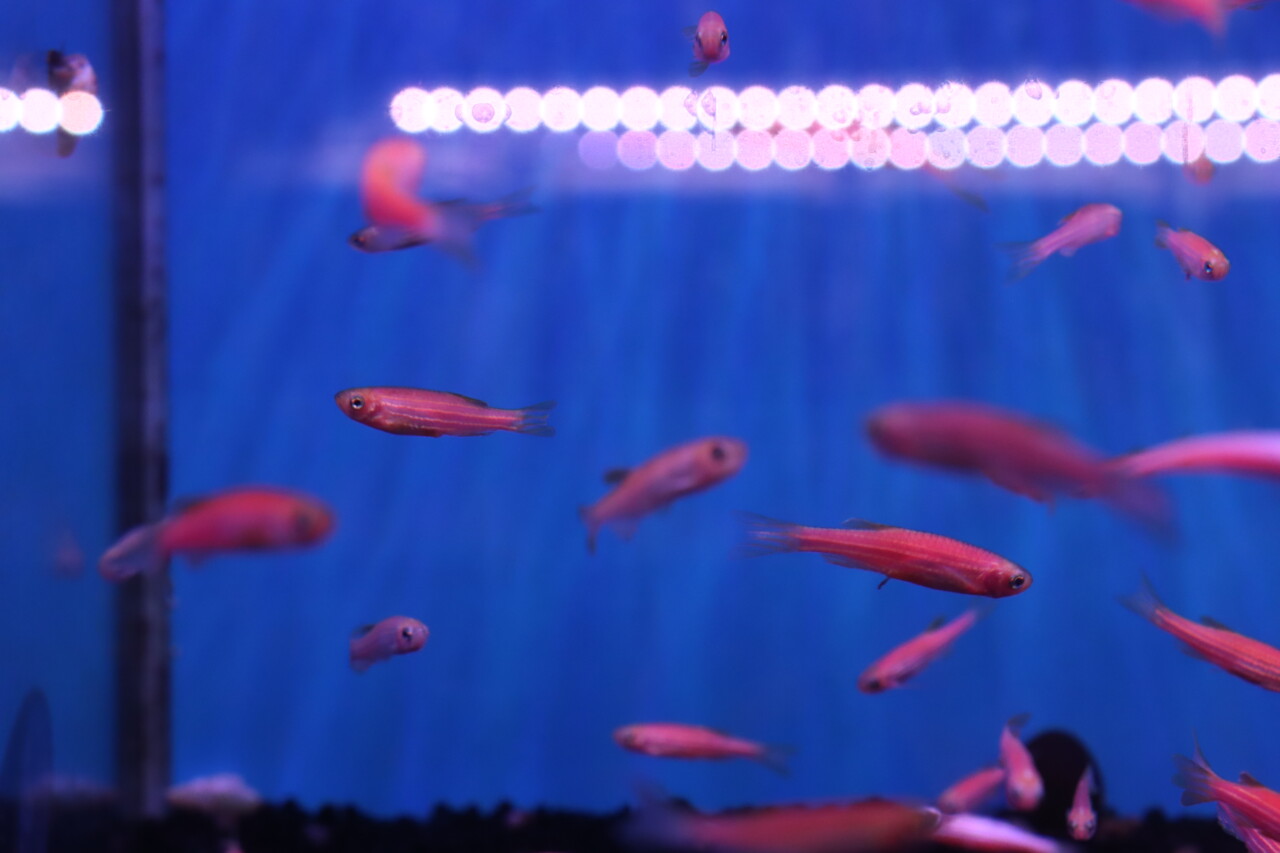
Fluorescent Zebra Danio
The Fluorescent Zebra Danio is bred using the technology for genetically modified fluorescent fish (ornamental fish engineered to have fluorescent characteristics). This technology has elevated the quality of ornamental fish to a new level. Genetically modified fluorescent fish have become famous worldwide, giving fish hobbyists more choices to add vibrant colors to their home aquariums and increasing the fun. Fluorescent fish are not as difficult to raise as one might imagine, but regardless of the ornamental fish being kept, the most important thing is water changes. “Raise the water before you raise the fish”—a saying many have likely heard—and fluorescent fish are no exception. As long as you maintain the water properly, fluorescent fish can live beautifully and leisurely in the tank.
Corydoras Catfish
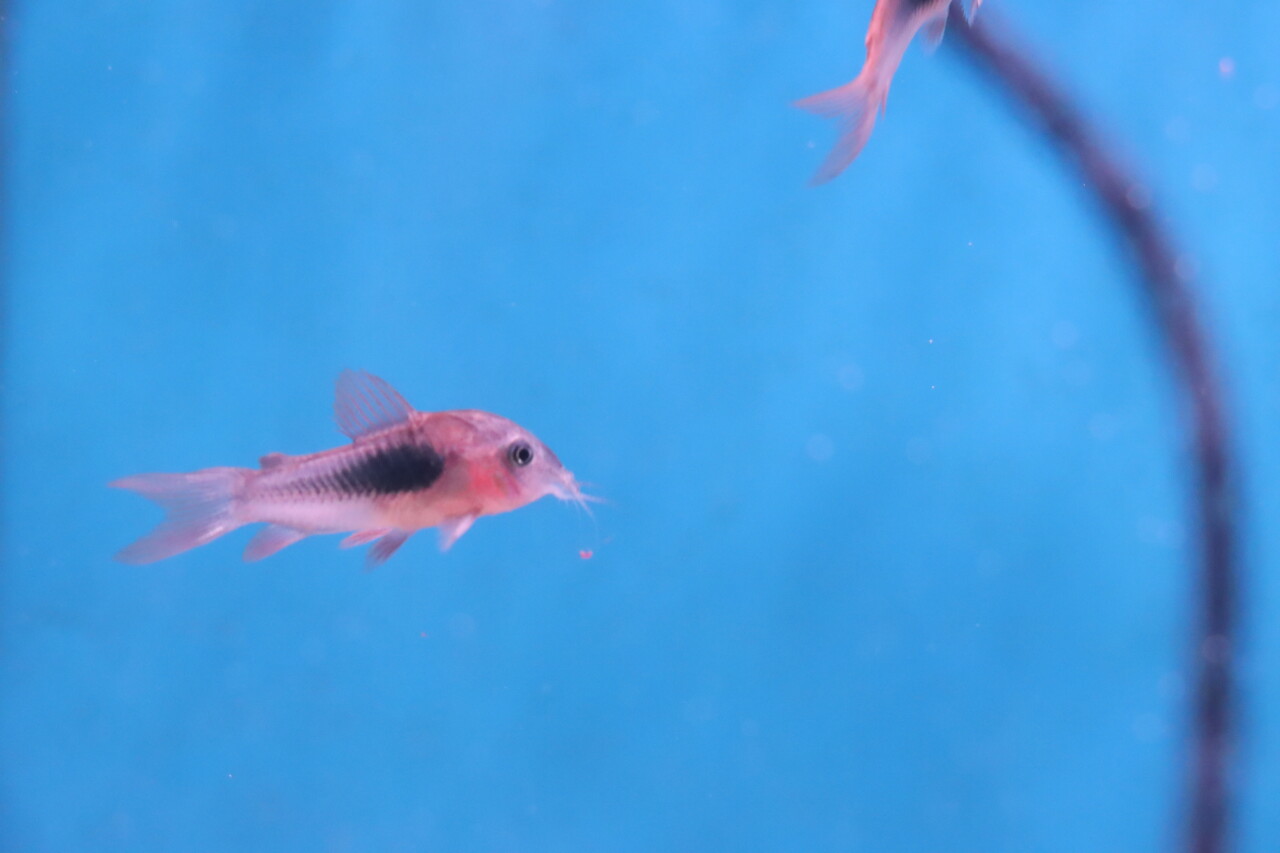
The Corydoras Catfish has 2 tufts of the smallest “whiskers” next to its mouth, resembling a small swimming “mouse,” which is how it got its name “mouse fish” (鼠鱼) in Chinese. They are small in size and not fast swimmers, yet they have survived to this day due to their strong vitality. Corydoras are also bottom-dwelling fish (fish that live in the bottom region of a body of water), are extremely disease-resistant, and have a strong desire to eat. Typically, Corydoras only become lively and active during feeding time; otherwise, they usually hide in inconspicuous corners.
Pearl Gourami
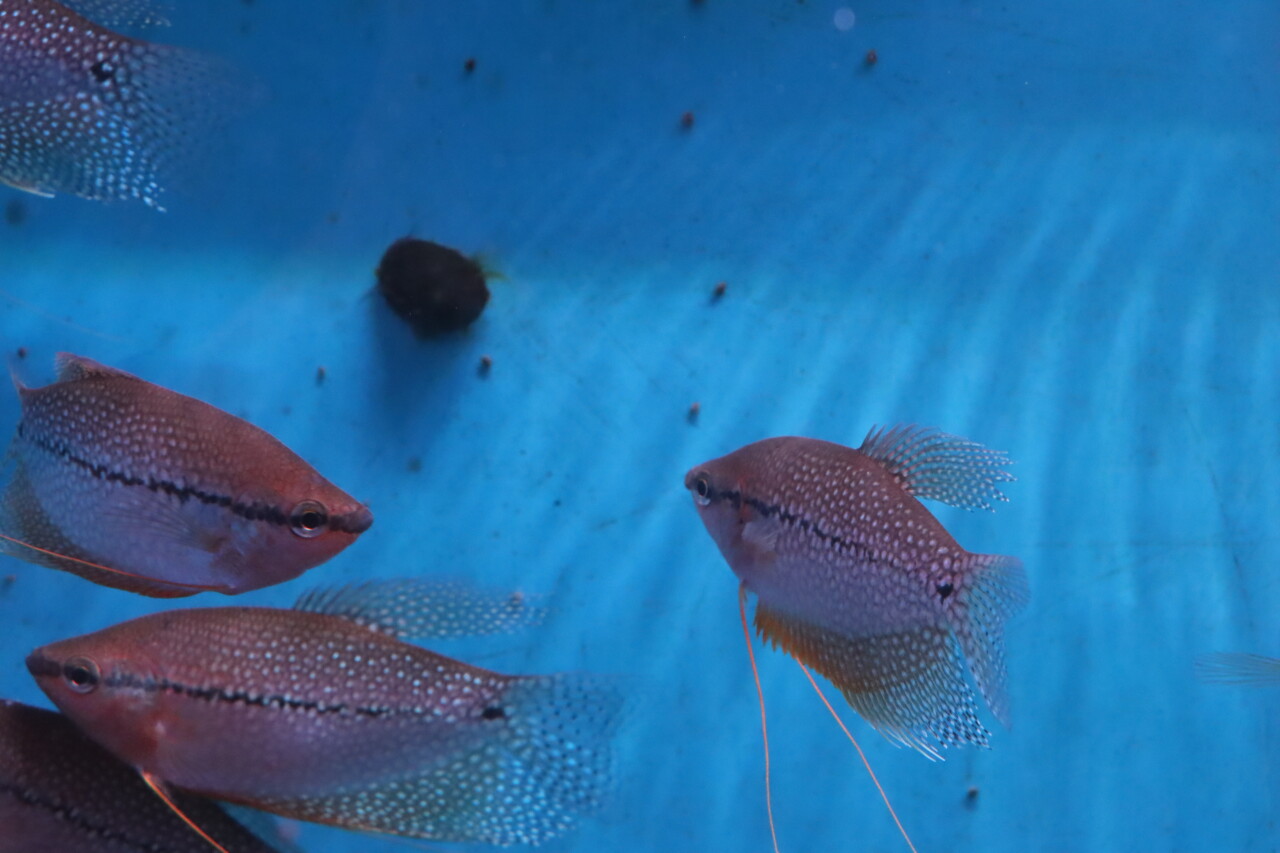
The Pearl Gourami is a relatively common ornamental fish. Its silvery-brown body and fins are covered with “pearl-like spots,” giving it a particularly graceful and elegant appearance, which is also the origin of its name. Its body color is lighter on the bottom and darker on top. It has a small dorsal fin but an unusually developed anal fin, making it look as if it’s wearing a “floor-sweeping long skirt.” Its entire body is covered with silver pearl-like dots, making it dashing and elegant. Unlike the fish mentioned earlier, its long, slender feelers are evolved from its pelvic fins, so they extend backward from its abdomen, looking extremely graceful.
Original article by 搬运工, if reproduced, please cite the source: https://www.kaipet.com/en/whiskered-ornamental-fish-complete-guide-characteristics-species-function-whiskers


Comments(2)
I was surprised the Pearl Gourami’s ‘whiskers’ are actually modified pelvic fins! Does this make their sensing ability different from other fish?
@CriticX:That’s a very insightful question! It’s fascinating how evolution adapts structures. While the Pearl Gourami’s ‘whiskers’ are modified pelvic fins, they primarily serve a similar sensory function as barbels in other fish, aiding them in exploring their environment and locating food.