

Many consumers report that the fish they buy die a few days after bringing them home. What they fail to notice is that before buying fish, one must first cycle the tank and condition the water, waiting until the water quality is stable before gradually adding fish for testing.
Many consumers report that the fish they buy die a few days after bringing them home, but they fail to notice that before buying fish, one must first cycle the tank and condition the water, waiting until the water quality is stable before gradually adding fish for testing.
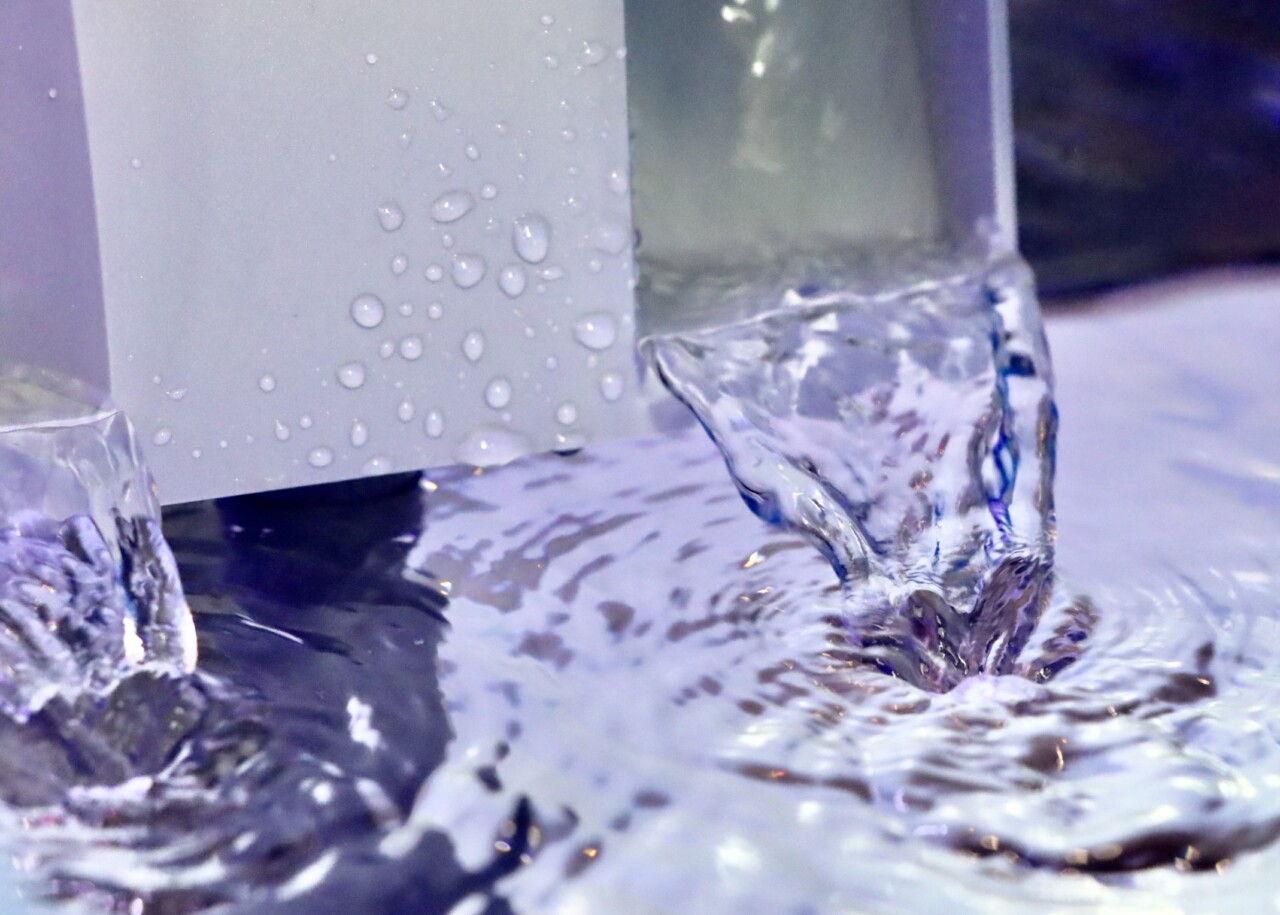
Why Cycle and Condition Water Before Adding Fish
Customer: The fish and shrimp I bought from the store this morning, one of each has already died by this evening. What’s going on……? I also see that the tank water is cloudy.
Shopkeeper: Cloudy water indicates insufficient nitrifying bacteria. I suggest changing half the water first, then conditioning the water for 3-5 days before adding fish. When you do add fish later, remember not to feed them for 2 days.
Many consumers report that the fish they buy die a few days after bringing them home, but they fail to notice that before buying fish, one must first condition the water, waiting until the water quality is stable before gradually adding fish for testing. The purpose of cycling and conditioning water is to turn the aquarium into a long-term ecosystem for the fish, just like how sunlight, air, and water on Earth naturally balance to form an environment suitable for long-term human survival. Therefore, the aquarium’s ecosystem needs to operate effectively for the long term, which is a crucial step that both novice and experienced fish keepers must take seriously. Mastering the water conditioning procedure and understanding the process will allow you to keep fish with ease and enjoyment.
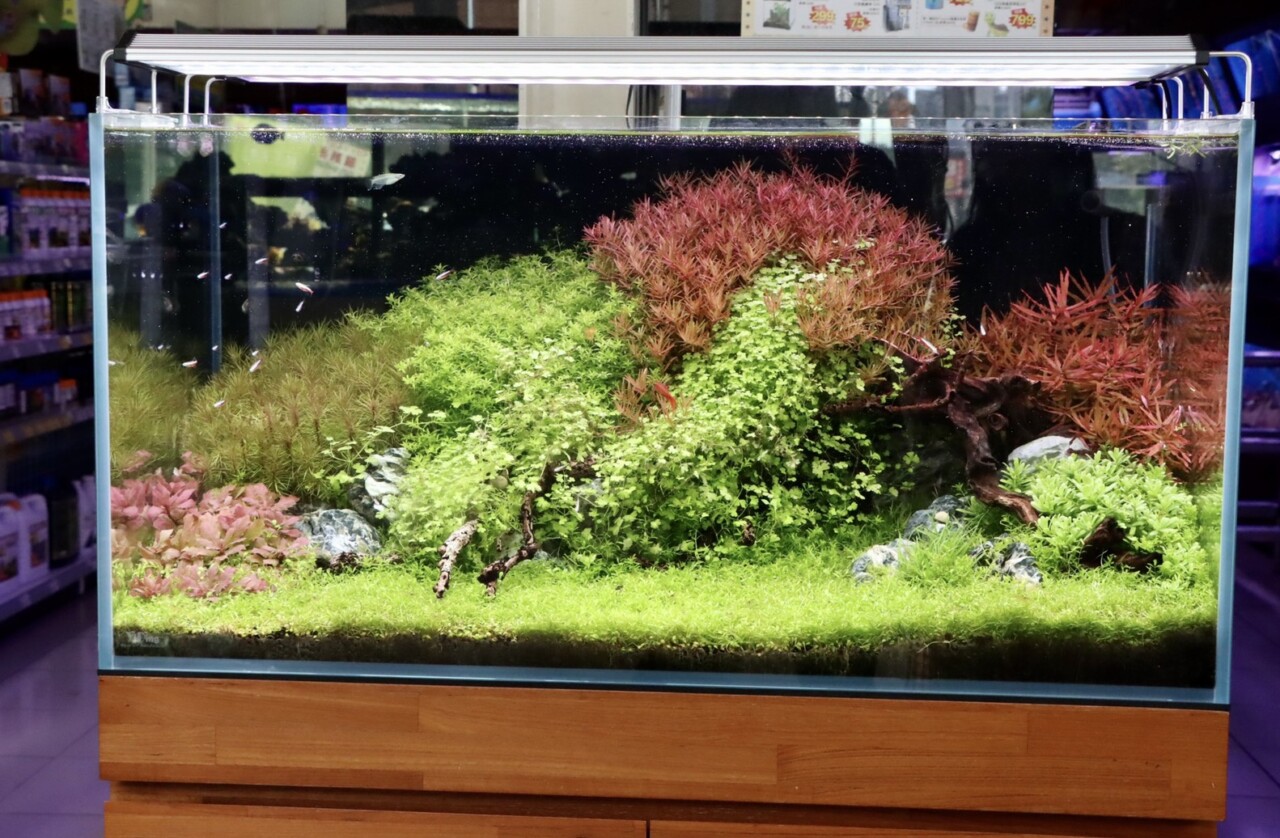
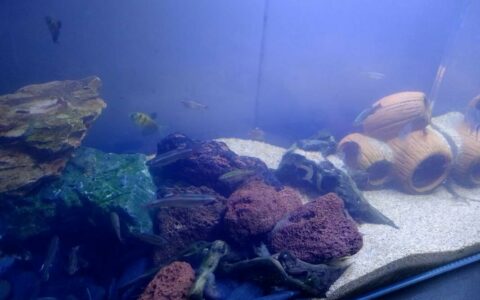
The purpose of cycling and conditioning water is to turn the aquarium into a long-term ecosystem for the fish
Two Major Concepts of Cycling and Conditioning Water: Dechlorination and Bacteria Cultivation
For beginners seeking to condition water quickly, it’s better to first understand the process. There are two key points to conditioning water before adding fish: 1 is dechlorination, and 2 is cultivating bacteria.
Dechlorination Methods
Why dechlorinate? Most people use tap water to keep fish, but one of the main elements in tap water is chlorine salts. Chlorine is used for disinfection and will harm the surface mucous membrane of the fish. A fish’s mucous membrane not only reduces resistance in the water but also helps the fish resist bacterial attacks. This is the principle behind dechlorination, which can also be seen as the first step of conditioning water.
The traditional method of dechlorination is aeration and aging. Some people will fill the fish tank with water and let it sit for 3-4 days. Simply put, this allows the tap water to come into contact with the air, letting the chlorine evaporate. However, this is actually just “cultivating stagnant water.” It is recommended to use an aquarium filter, which not only filters the water quality but also aerates it, increasing the frequency of contact between the water and the air, thus speeding up dechlorination. But if there is heavy rain or after a typhoon, water treatment plants will increase the amount of chlorine used for disinfection, so the dechlorination time must be extended accordingly!
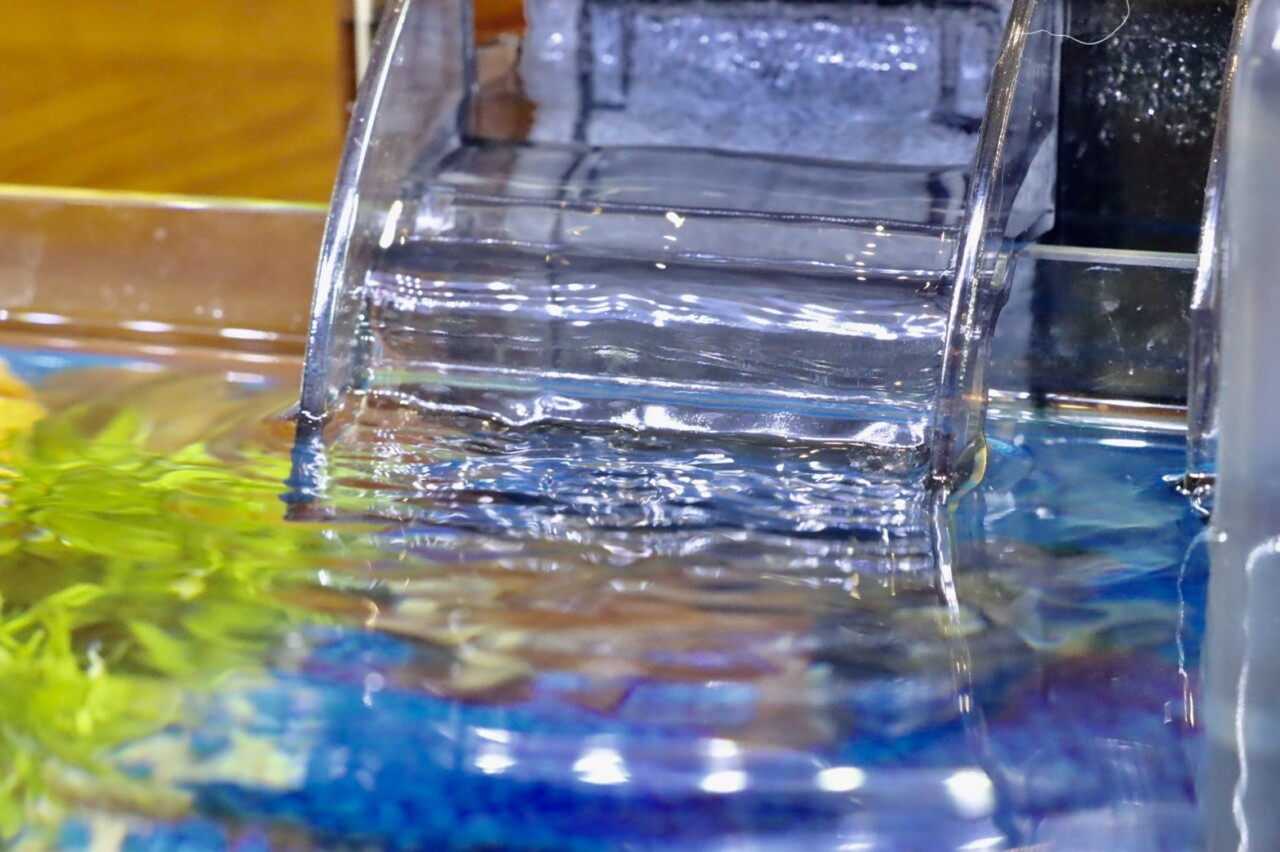
Most people use tap water for their tanks, but one of the main elements in tap water is chlorine salts.
Cultivating Nitrifying Bacteria
Some say conditioning water is about cultivating bacteria because, besides removing chlorine, you also need to cultivate nitrifying bacteria, or in other words, establish a nitrification system. To understand how nitrifying bacteria work, you must first know that nitrifying bacteria are a general term for a group of easily cultivated chemoautotrophs (see note). They utilize their characteristic of feeding on inorganic nitrogen compounds to first break down toxic ammonia and ammonium in the aquarium into nitrite, and then further convert it into nitrogen. The converted nitrogen can be absorbed by aquatic plants or removed through water changes.
The methods for cultivating nitrifying bacteria can be summarized into the following 3 types:
- Natural Generation: Because nitrifying bacteria are commonly present in the general environment.
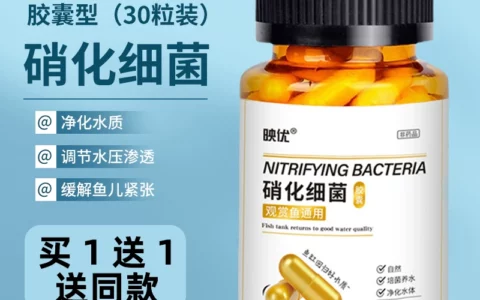
- Purchasing Bacterial Cultures: There are various highly concentrated nitrifying bacteria products on the market, which can be added according to the instructions.
- Transplanting Bacterial Cultures: Nitrifying bacteria will attach to filter media. In other words, transplanting filter media to a new aquarium can also naturally cultivate nitrifying bacteria.
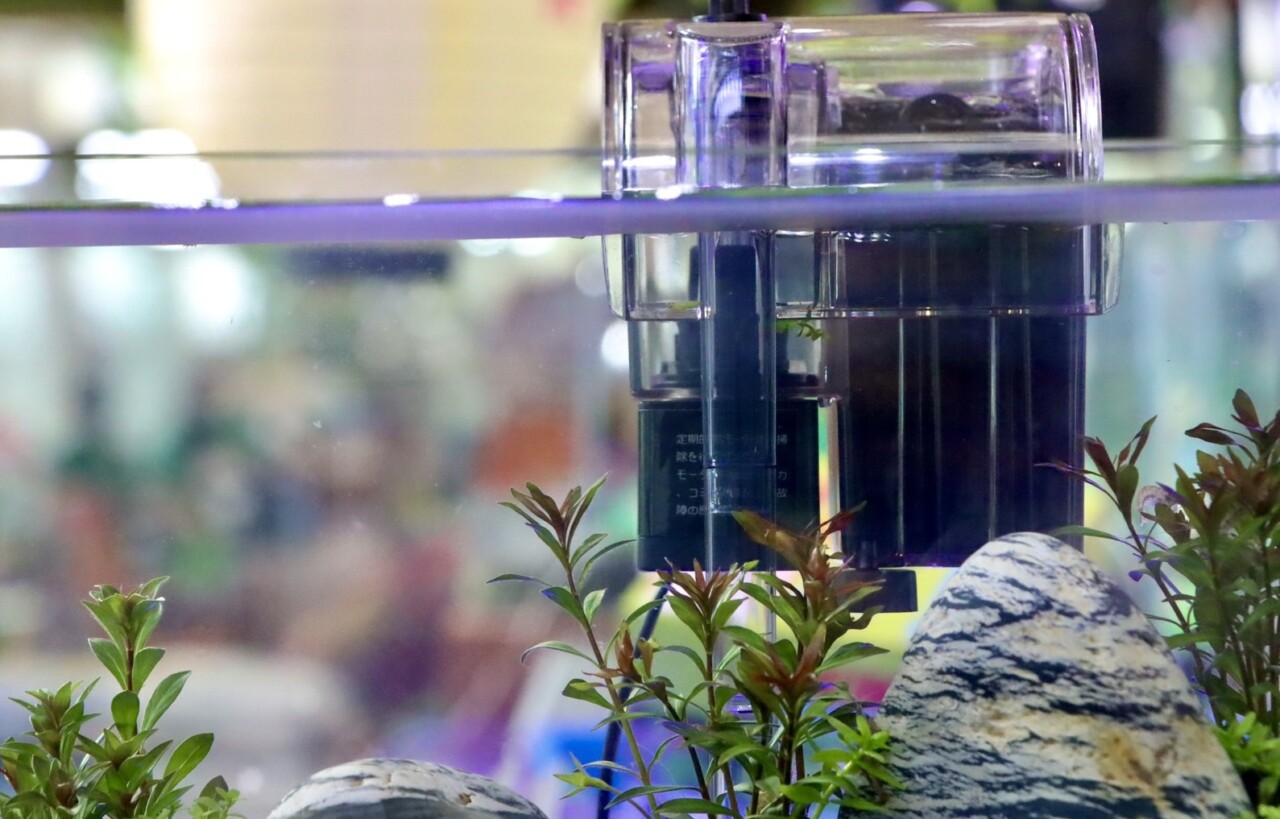
A filtration system can help an aquarium cultivate beneficial bacteria, filter impurities, and increase oxygen content
Generally speaking, conditioning water before adding fish takes about 3 days to 1 week for a freshwater tank, while a saltwater tank requires over 1 month. After conditioning the water, you cannot feed the fish immediately after adding them, to prevent them from dying more easily due to inability to adapt to the new environment, excessive stress, and indigestion.
Having covered the precautions for conditioning water, let’s move on to the practical operation. What equipment is needed for conditioning water?
Choosing a Filtration System for Your Fish Tank
A filtration system can help an aquarium cultivate beneficial bacteria, filter impurities, and increase oxygen content, making it an important tool for conditioning water. So how do you choose a suitable filter for your fish tank? There are mainly 4 types of filters on the market, and you can choose the right one according to your tank’s environment.
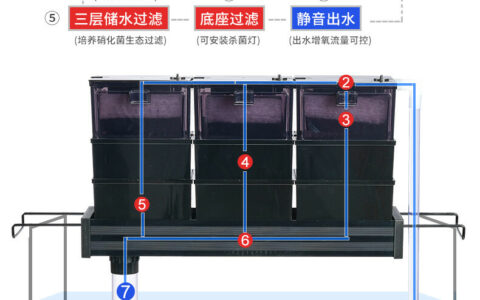
- Hang-on-back filter: Lightweight and convenient, easy to change filter media, suitable for small fish tanks and small planted tanks.
- Canister filter: Quiet, compact, and aesthetically pleasing, suitable for aquascape tanks that require low dissolved oxygen.
- Top filter (overhead filter): High dissolved oxygen level, good filtration effect, easy to change filter media, suitable for large fish or tanks with heavy pollution that require high dissolved oxygen.
- Sump filter: The best filtration effect, can hold a large amount of filter media. High dissolved oxygen level, can extend the time between water changes, suitable for large fish tanks, saltwater tanks, and marine reef tanks.
Comparison of Filter Media Types for Fish Tanks
The purpose of filter media is to provide a surface for nitrifying bacteria to attach and grow. However, there are many types on the market. You can refer to the following points for a comparison and selection guide for filter media:
- Adsorptive type: Used when setting up a new tank, when water quality is cloudy, or after a medicated bath, to adsorb toxic substances and odors (e.g., activated carbon, Maifan stone, etc.).
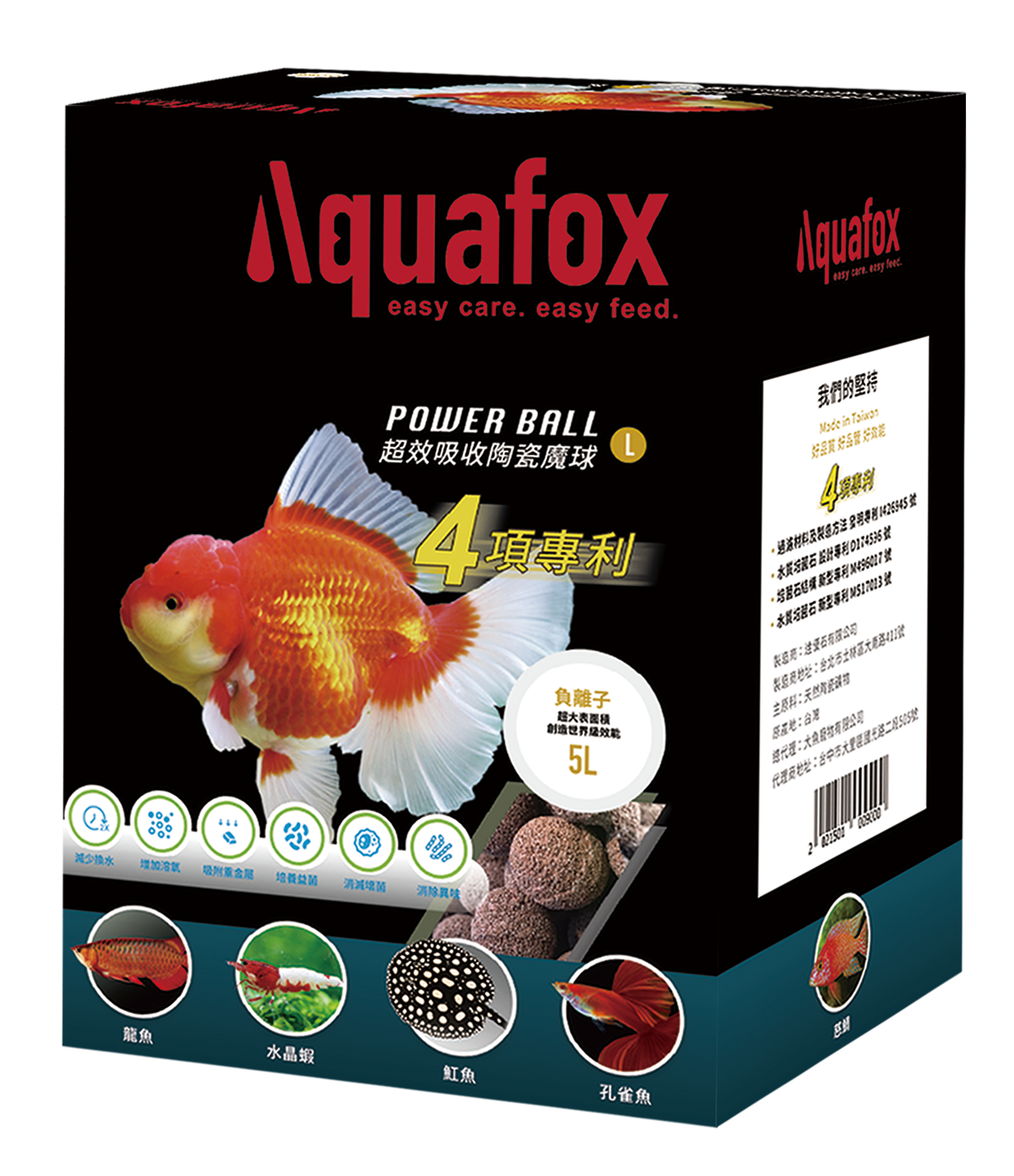
- Biological type: Provides the optimal growth environment for nitrifying bacteria and can effectively remove harmful substances (e.g., ceramic rings, eight-slot media, bacteria houses, plum blossom columns, bio balls, bacteria-culturing balls, etc.).
- Mechanical filtration type: Acts like a screen to block particulate impurities before the water flows into other filter media (e.g., filter floss, biochemical sponge, white cotton, wool floss, etc.).
- Chemical type: Used to control and adjust the water’s pH (potential of hydrogen) and hardness (e.g., peat pellets, water softening resin).
Despite mastering the basic knowledge above, it is recommended to seek professional advice from the shopkeeper before getting fish to understand the characteristics of the fish species. Although a pH value between 6.5-7.5 is generally considered an ideal range, the water quality requirements for different fish species cannot be generalized. For example, carp, due to their large amount of waste, can easily affect the water’s pH, and it might be necessary to adjust the water to be weakly alkaline.
Original article by 搬运工, if reproduced, please cite the source: https://www.kaipet.com/en/diy-guide-cycling-fish-tank-filter-media-selection-nitrifying-bacteria-cultivation


Comments(2)
This guide is great! I’m curious if certain biological filter media types accelerate nitrifying bacteria growth more effectively than others?
@CriticX:Thank you for the great feedback! Regarding biological media, our guide lists types like ceramic rings and bio balls that provide optimal environments. While specific acceleration varies by surface area and porosity, researching individual product efficacy and user experiences often provides deeper insights.