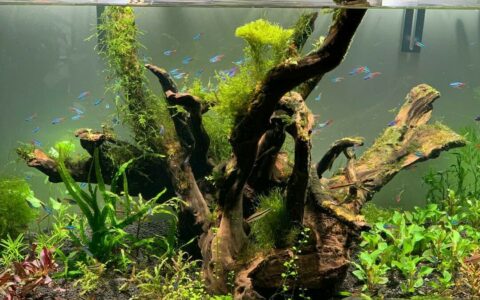
When starting with fishkeeping, one must first cultivate the water; if the water is not well-maintained, the fish can essentially poison themselves to death. The reasons for this will be explained in detail later. For now, let’s get straight to the point.
Aquarium Disinfection and Water Filling
Upon arrival of your aquarium, if you have Methylene Blue, you can add a small amount to disinfect it—a step that requires no further explanation, as you all understand. If Methylene Blue is not available, simply rinse the aquarium with clean water and then directly fill it with tap water. Those with a more extravagant budget may opt to use mineral water directly.

Tap Water Chlorine Removal
When it comes to chlorine removal, some might argue: “I’ve been keeping fish for twenty years, and I’ve never had any issues pouring tap water directly into the aquarium.” This statement is akin to saying that a driver with twenty years of experience has never had an accident, so a new driver with just a license should also have no problems driving carelessly. Should beginners in fishkeeping try to avoid all situations that could potentially lead to fish deaths? You see my point, right? Alright, let’s get back on track.
There are three methods for chlorine removal:
- The first method is to directly use an Aquarium Water Clarifier to remove chlorine;
- The second method is to leave the water out in the sun for three days;
- The third method is to aerate the water with an oxygen pump for three hours.
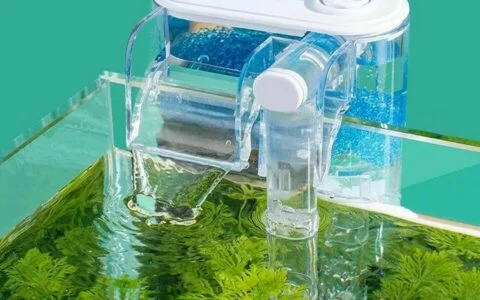
I typically use the third method. If you have filtration equipment, we can operate it in conjunction with the filter. How to choose a filter will be explained in detail in the next lesson. If there is no filtration equipment, extend the aeration time appropriately, for example, by one or two hours.
Establishing the Nitrification System
After safe water is introduced into the tank, we need to establish a stable nitrification system within the water body. Feed and fish waste, when broken down by bacteria, produce toxic ammonia nitrogen. If a well-established nitrification system is in place, the nitrification process begins, converting fish into toxic nitrites first, and then into almost non-toxic nitrates, thus avoiding the accumulation of toxins.
However, long-term excess nitrates can also harm fish. At this point, we can solve this problem by changing the water or planting aquatic plants. By now, everyone should understand the role and importance of the nitrification system.

Source of Nitrifying Bacteria
Nitrifying bacteria mainly reproduce on the filter media within the filter; without a filter, nitrifying bacteria will reproduce directly on the aquarium walls. These bacteria can be introduced by directly adding water from an established tank or by installing a filter from an established tank. Additionally, a more direct method is to ask other fish enthusiasts for a piece of filter cotton they no longer need. Once obtained, you can gently squeeze and wash it in the aquarium to encourage the reproduction of nitrifying bacteria. At this point, someone will inevitably ask, why not just add commercial nitrifying bacteria? In fact, that is also a viable option.
The Role of Pioneer Fish
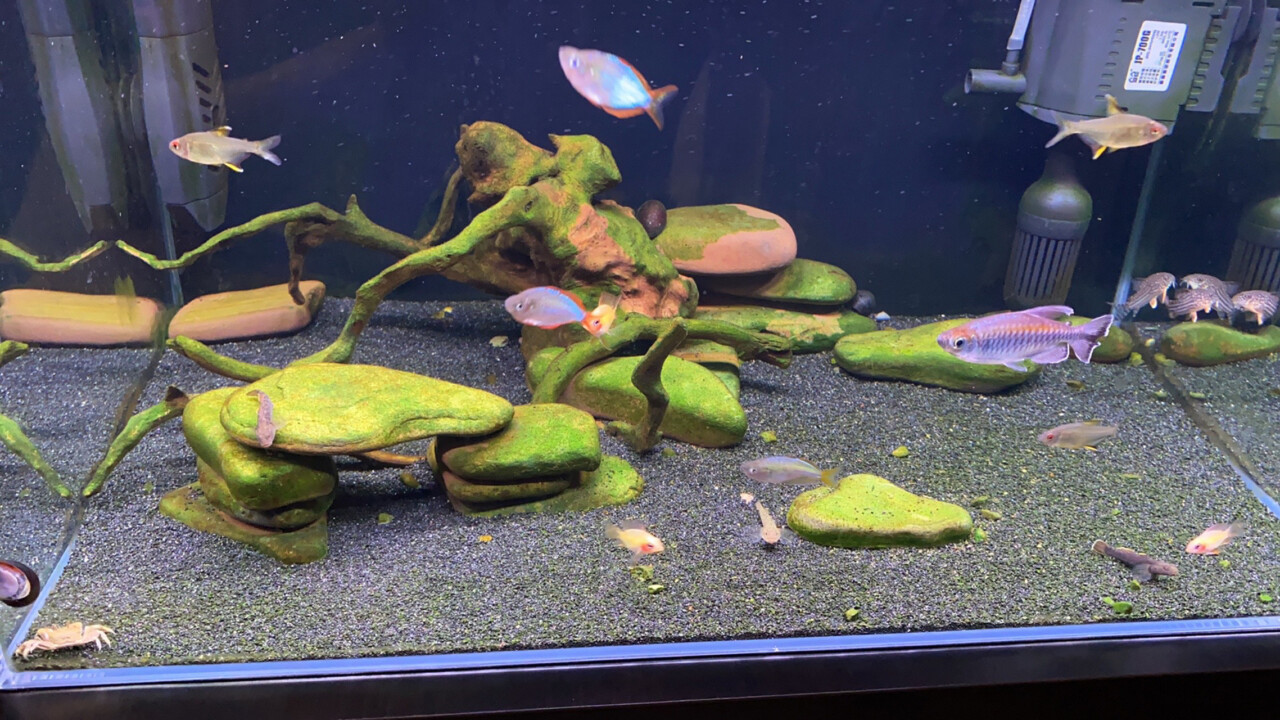
After understanding the basic knowledge of nitrifying bacteria, we need to introduce a “Pioneer Fish.” It serves two purposes:
- First, to test whether the water quality is suitable for survival;
- Second, the fish’s excrement can promote the reproduction of nitrifying bacteria.
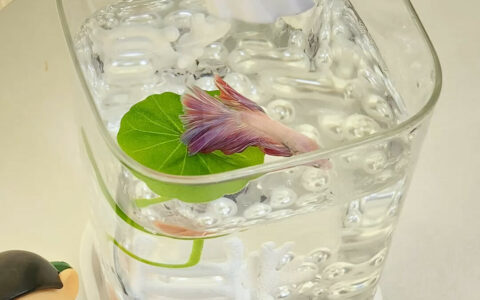
On the second day, you can feed the Pioneer Fish a small amount of fish food, but remember to feed only a small quantity. If it does not eat, the uneaten fish food can still provide nutrients for the nitrifying bacteria, so there is no need to rush to remove it. After about a week of successfully keeping the Pioneer Fish in the new tank, you can introduce other fish.
Avoid Overfeeding
A common reason for fish deaths among beginners is the concern that the fish are not getting enough to eat, wanting them to grow quickly. As a result, the fish do not realize that they are essentially overeating themselves to death before they pass away. Does this sound somewhat abstract to you? Then, in the next lesson, I will demonstrate in detail how a stable digestive system is formed.
Original article by KPTer, if reproduced, please cite the source: https://www.kaipet.com/en/aquarium-water-preparation-guide-proper-chlorine-removal-nitrosystem-establishment