

No matter how Chinese native turtles like the Chinese pond turtle and the Chinese stripe-necked turtle, or exotic species like the red-eared slider and snapping turtle, dominate the turtle-keeping community and capture the hearts of keepers, musk and mud turtles (note: a common name for small aquatic turtles) have still forcefully entered the pet turtle scene with their unique advantages, even topping the turtle price charts at one time with sky-high transaction figures.
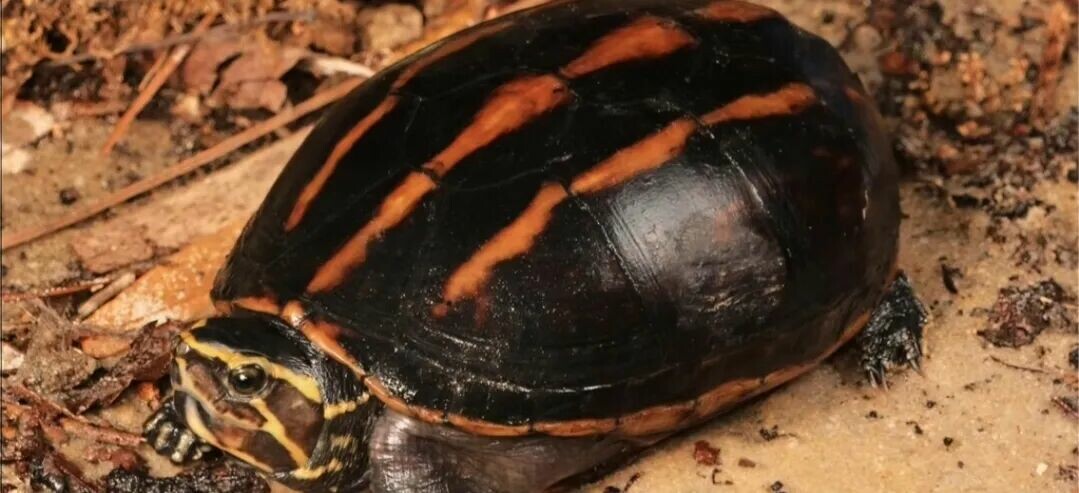
Among them, one type of musk/mud turtle, nicknamed the “Little Stinker,” has stood out from the many others to become the choice for countless turtle keepers.
Musk, with its pollen-like fragrance, is often used to make perfumes and sachets. At first glance, the name “Musk Turtle” (first appearance as a species name) can easily mislead people into thinking the turtle itself emits a pleasant scent.
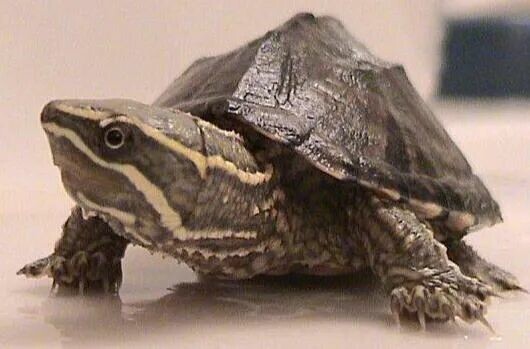
An Introduction to the Musk Turtle
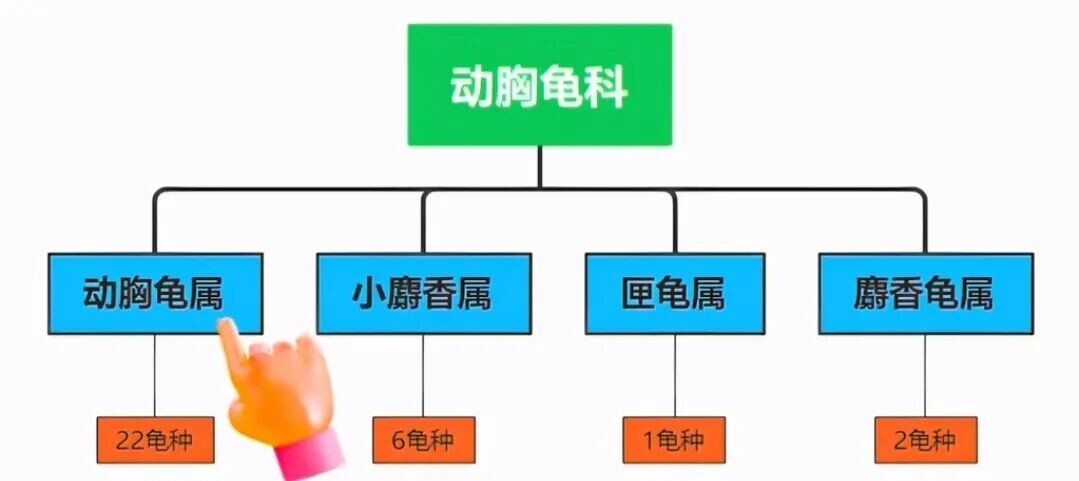
As it turns out, the reality is quite the opposite. The “Musk Turtle” is a small aquatic turtle belonging to the genus *Sternotherus* in the family Kinosternidae (note: scientific name *Kinosternidae*). When threatened, it releases a foul-smelling liquid from its musk glands (note: glands that secrete a pungent liquid for self-defense) to deter predators. Not only does it not emit a pleasant fragrance, but it can be quite pungent and unpleasant, which is the origin of the Musk Turtle’s nickname, “Little Stinker.”
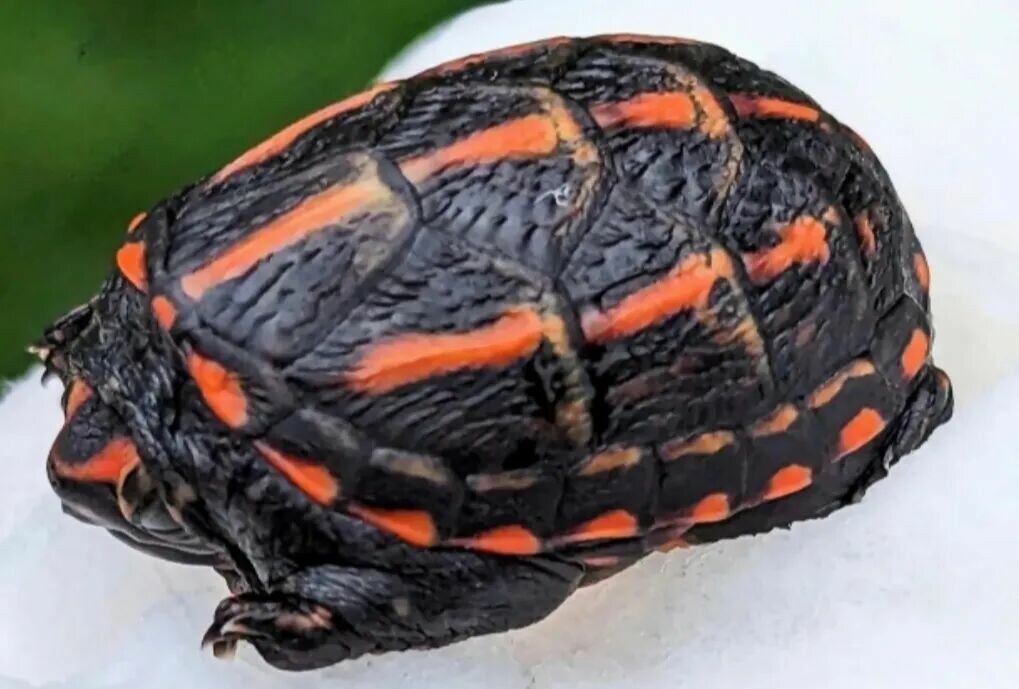
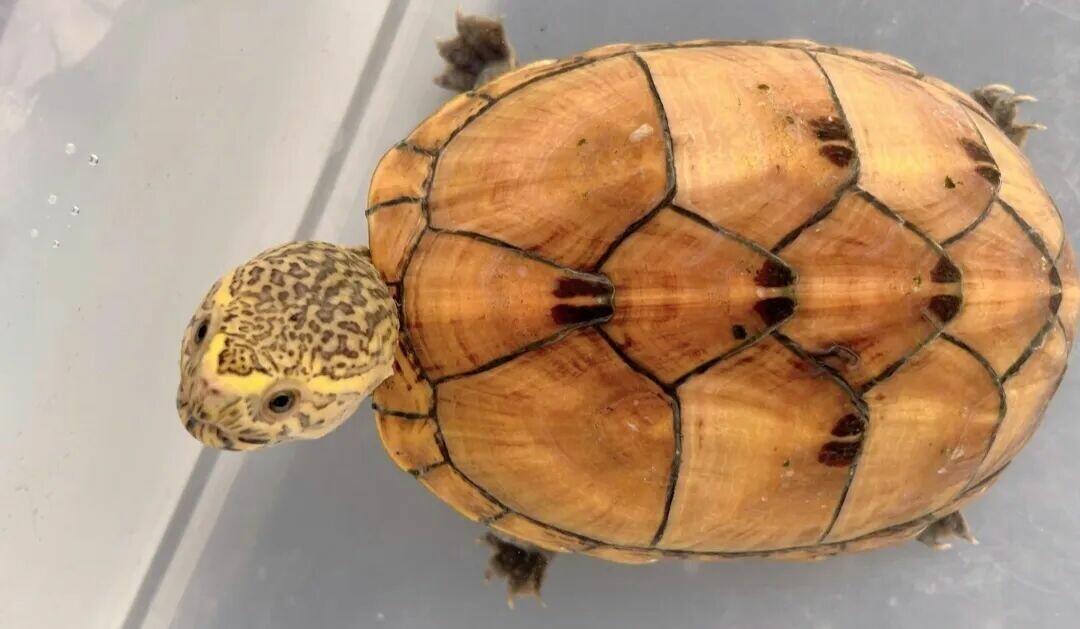
Compared to other musk and mud turtles with their special shell colors, exaggerated patterns, and head markings, the Musk Turtle is a prime example of being “plain and unremarkable.” Its carapace is usually round or oval, with adult individuals typically reaching a carapace length of 7 to 13 centimeters, classifying it as a small turtle. The shell color ranges from dark brown to black. Occasionally, some unique Musk Turtles may have faint yellow or orange radiating patterns, while the carapace of a juvenile is usually rougher and black with no special markings.
But how did this plain-looking, foul-smelling “Little Stinker” manage to overwhelmingly surpass numerous other musk and mud turtles to become the top choice among them? What is its charm?

The Charms of the Musk Turtle
Market Price
It is undeniable that the Musk Turtle is the most affordable member of the entire musk and mud turtle family; you can own one for a price under three digits. Compared to other musk and mud turtles that start at prices in the three or four-digit range, the Musk Turtle’s price is undoubtedly very budget-friendly.
Outstanding Personality
Compared to other musk and mud turtles that are either timid or aggressive, the Musk Turtle is the “Little Husky” of its kind. After just a few days of care, a Musk Turtle can remember its owner’s presence and will actively follow the owner’s movements. If the owner interacts with it through the tank glass with a finger, the Musk Turtle will swim around the finger, exploring it.
Hardy Constitution
Musk Turtles are notoriously hardy among their kind, packing a lot of energy into their small bodies. They can tolerate temperatures from 15–29℃, adapting to most temperature changes throughout the year. At the same time, they are not as sensitive to water quality as other Chinese native or exotic turtle species and are not prone to aquatic diseases like skin rot or white eye disease due to minor water quality fluctuations.
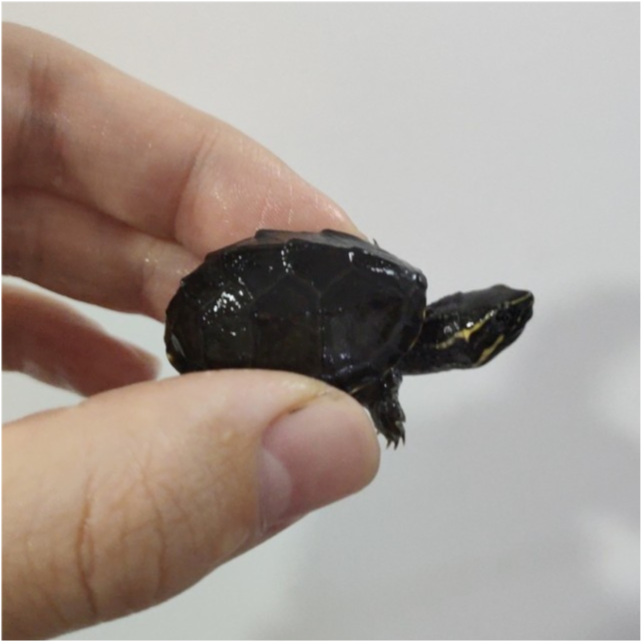
Simple Care Requirements
In contrast to the basking docks required for Chinese native turtles and red-eared sliders, as well as the investment in hydroponic plants and turtle tank aquascaping to maintain water quality, the Musk Turtle is a fully aquatic species. It does not require a basking dock, nor does it rely on sunlight for shell photosynthesis. Simple aquatic plants for cover, or even a bare tank, are enough to keep a Musk Turtle content and allow it to thrive and grow strong.
From its budget-friendly price to its hardy nature, ease of care, and lack of need for a high-cost environment, the Musk Turtle stands out among numerous other musk and mud turtles and other turtle species, becoming one of the most popular pet turtles to keep currently.
Original article by 搬运工, if reproduced, please cite the source: https://www.kaipet.com/en/musk-turtles-popular-choice-musk-mud-turtle-community



Comments(2)
Fascinating read! The ‘Little Stinker’s’ personality and hardiness are truly appealing. What surprised you most about owning one?
@CriticX:It’s great to hear you found the article fascinating! Many owners are pleasantly surprised by the ‘Little Stinker’s’ lively personality and robust health, especially given its humble appearance and name. Its interactive nature often exceeds expectations!