

Because it lays eggs, that’s why it’s called an Egg Turtle.
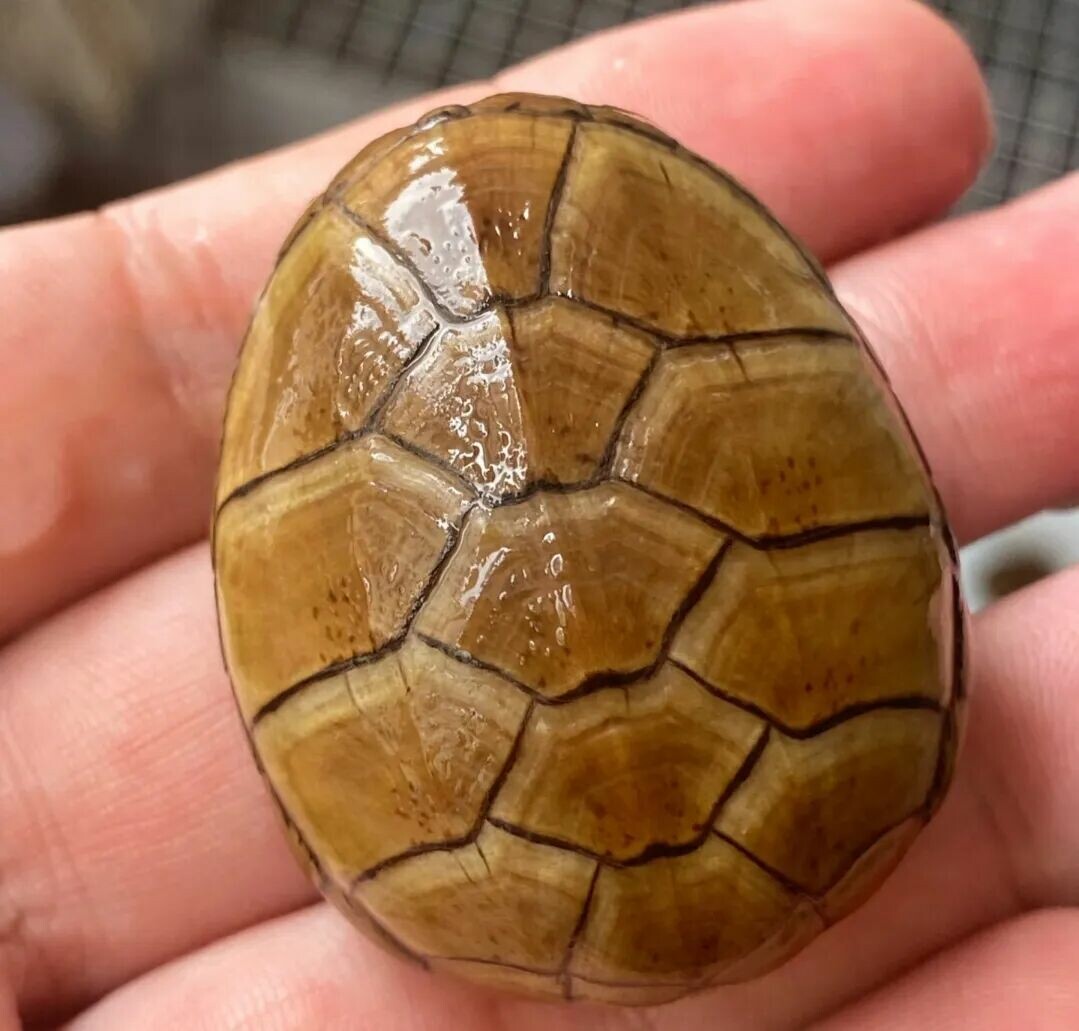
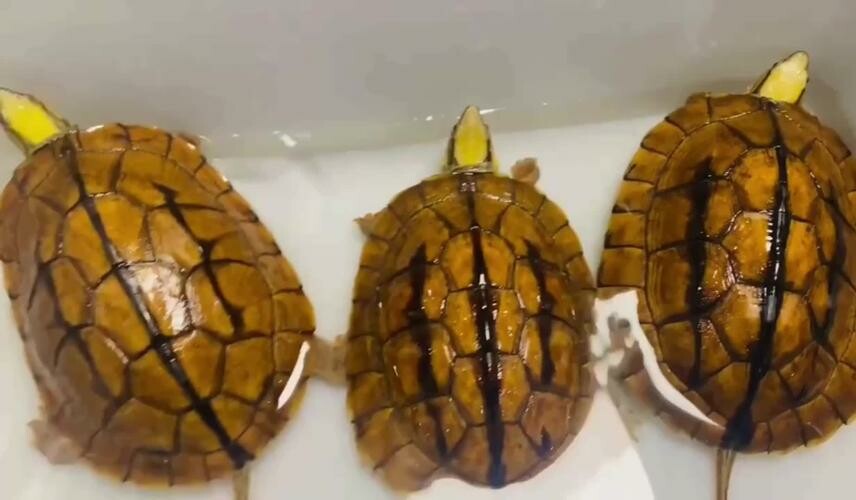
Just kidding, just kidding. It’s because the carapace of this type of turtle is generally round, flat, and looks like a smooth egg; the resemblance to an egg is extremely strong.
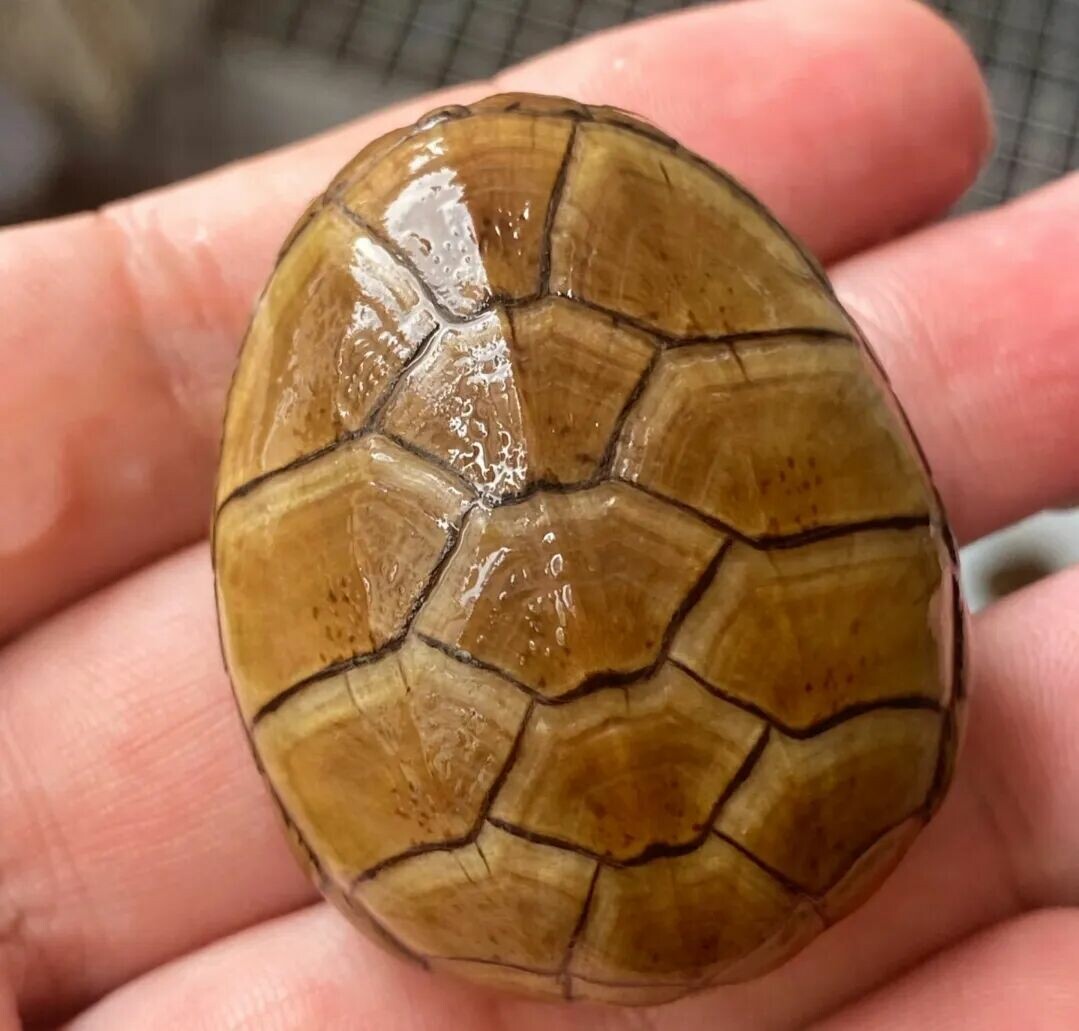
Number of Egg Turtle Species
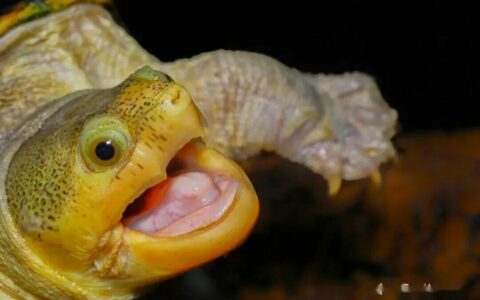
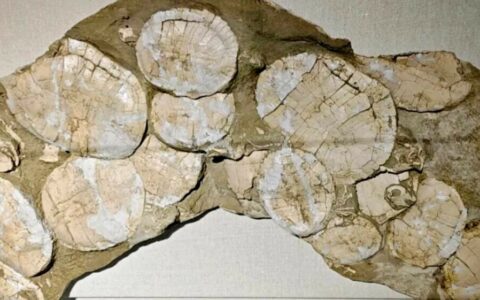
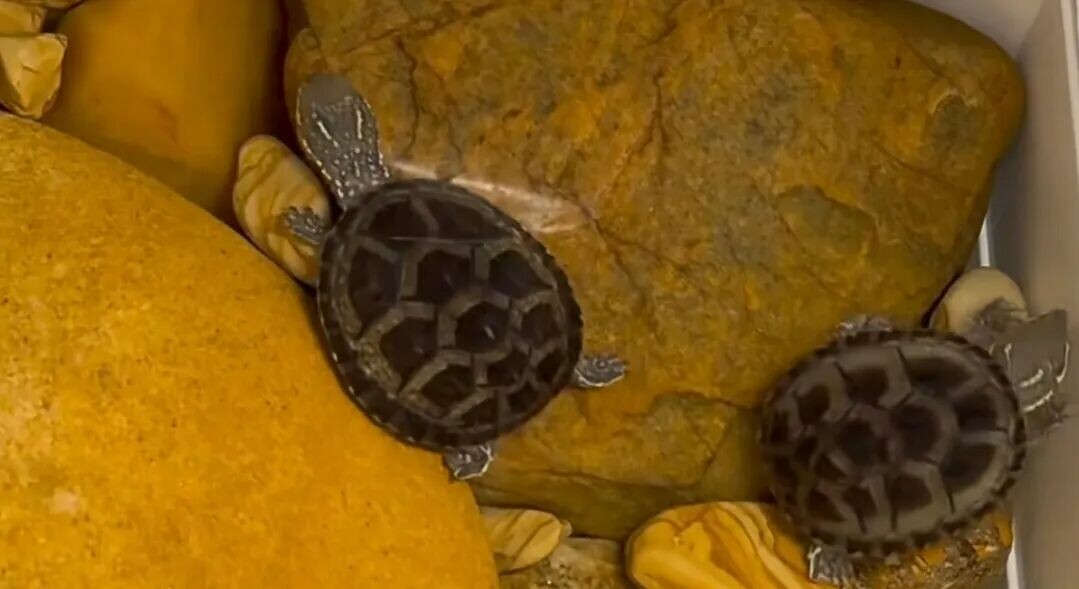
Egg Turtles belong to the family Kinosternidae, which includes Mud Turtles (genus Kinosternon, 22 species) and Musk Turtles (genus Sternotherus with 6 species, genus Claudius with 1 species, and genus Staurotypus with 2 species), totaling 31 species (excluding subspecies).

Origin of the Name Musk Turtle
Because when a Musk Turtle encounters danger, it secretes a liquid with a strong odor from the scent glands located at the edge of the carapace near the base of its limbs. The smell is pungent and unpleasant, capable of stinking away enemies, so it is called a Musk Turtle, similar to a skunk.
Actually, this skill is not unique to Musk Turtles; all species in the entire Egg Turtle family possess these same scent glands. For example, the Red-cheeked Mud Turtle, Razor-backed Musk Turtle, Striped Mud Turtle, and Narrow-bridged Musk Turtle will all secrete foul-smelling liquid when stressed. However, the Musk Turtle is the representative species for this skill because it was the earliest discovered, the most typical variety, and the scent it secretes is the most potent.
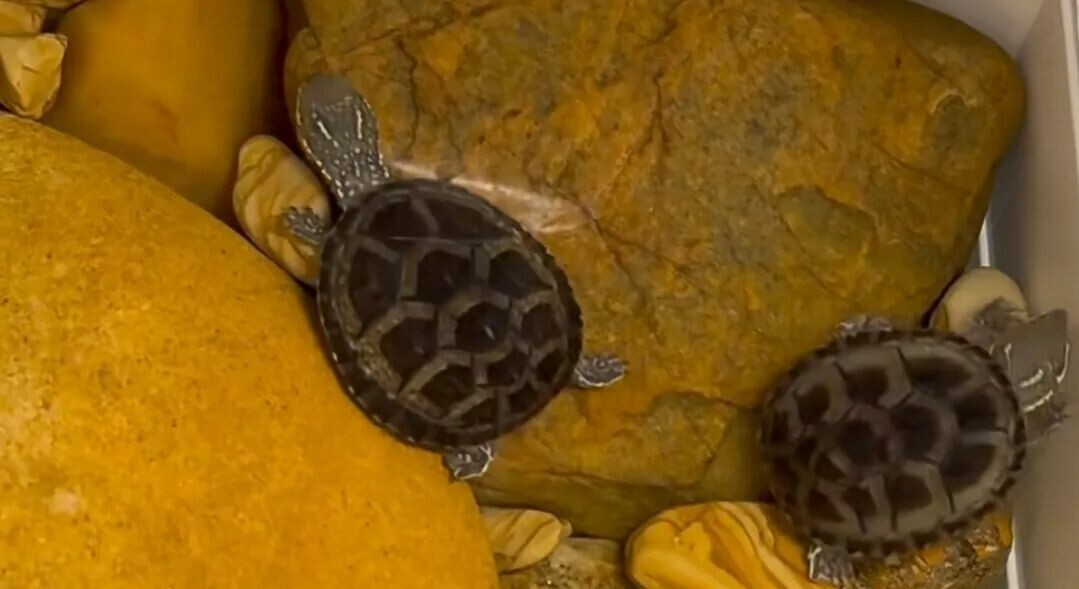
Origin of the Name Mud Turtle
Because the wild habitats of this type of turtle are all swamps, mud puddles, and wetlands. They burrow into the mud daily and bury themselves in mud for hibernation and aestivation.
Egg Turtle, Musk Turtle genus, and Mud Turtle are three different names for the same broad category, all referring to this batch of turtles in the family Kinosternidae, just named from different perspectives. For example, the “Helmet Egg Turtle” and the “Helmet Mud Turtle” (Striped Mud Turtle) are the same species.
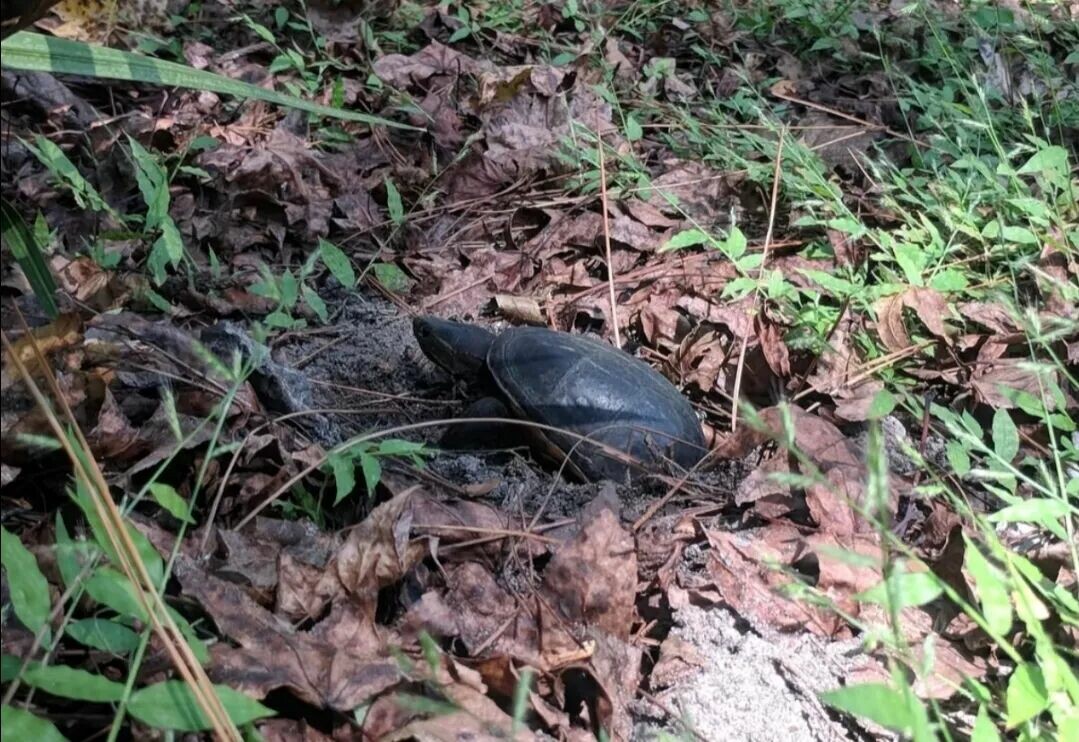
Most Widely Distributed Egg Turtle
It is the Common Musk Turtle (Sternotherus odoratus). If counting subspecies, it would be the Eastern Mud Turtle (Kinosternon subrubrum) (including the Mississippi Mud Turtle), but among pure species, the Common Musk Turtle firmly sits in 1st place. It ranges north to southern Ontario, Canada, south to Florida, USA, spanning across most of the northeastern to southwestern United States.
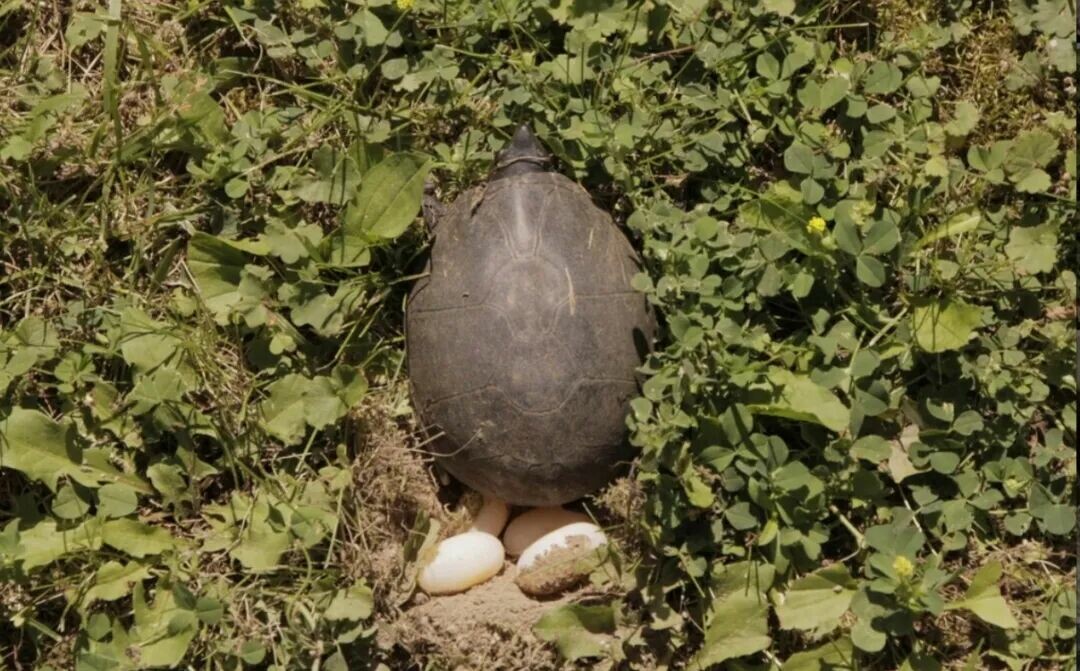
Least Distributed Egg Turtle
It is the Vallarta Mud Turtle (Kinosternon vogti), found only in streams and ponds around Puerto Vallarta, Mexico. Its range is 1/15,000th of the most widely distributed Common Musk Turtle. It is listed in CITES (Convention on International Trade in Endangered Species of Wild Fauna and Flora) Appendix I, making it more endangered than the giant panda.
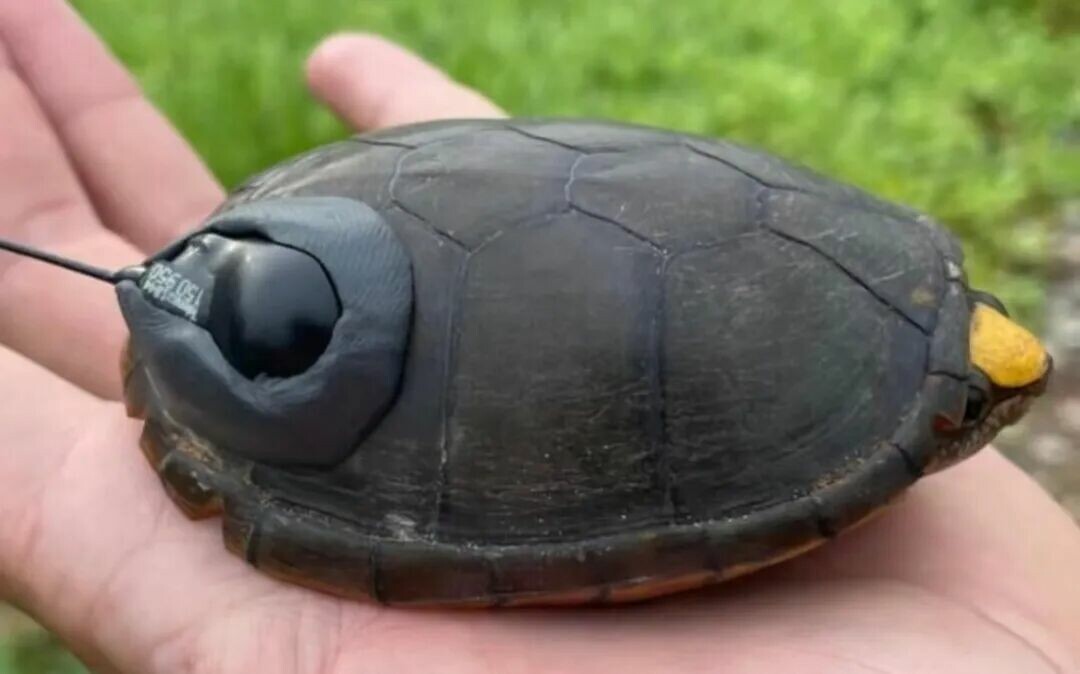
Egg Turtle with the Most Subspecies
It is the Rough-footed Mud Turtle (Kinosternon hirtipes), boasting a full 5 subspecies, which no other Egg Turtle can match. They are: the Nominate subspecies, Oaxaca subspecies, Chiapas subspecies, Jalisco subspecies, and Durango subspecies. All are distributed in Mexico and are mud turtles unique to Mexico, with very distinct regional subspecific differentiation. Many people think the Eastern Mud Turtle has the most subspecies, but it actually only has 3 (Eastern Mud, Mississippi Mud, Florida Mud). In older classifications, the Scorpion Mud Turtle (Kinosternon scorpioides) used to have 3 subspecies, but 2 have since been elevated to independent species.
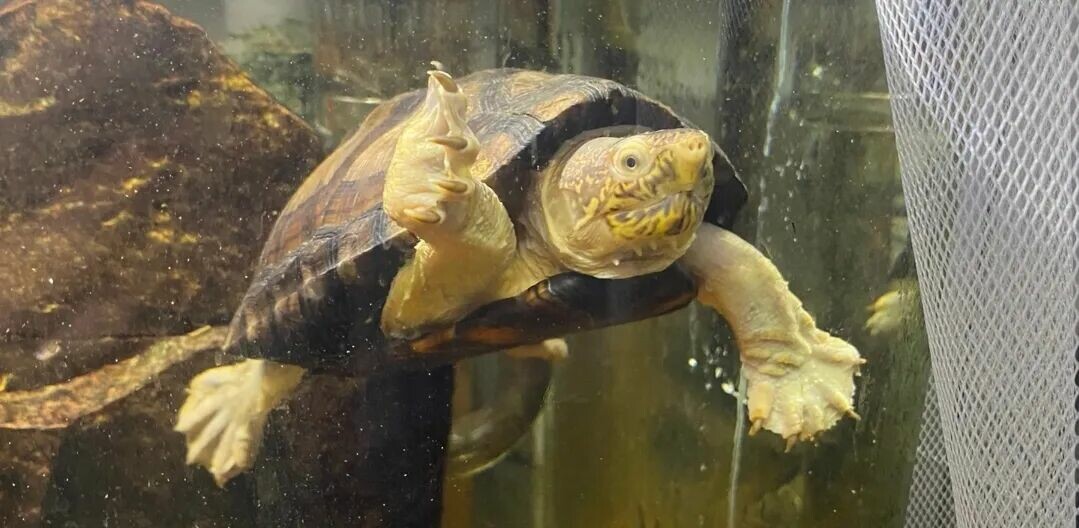
Egg Turtle with the Most Eggs Per Year
Actually, here I believe the Mexican Mud Turtle (Kinosternon integrum) lays 3~4 clutches per year, with 8~20 eggs per clutch, averaging 40~60 eggs annually, which is already a lot and should be No. 1. However, there are internet rumors of a hobbyist whose Narrow-bridged Musk Turtle laid over 100 eggs in a year. If true, then No. 1 definitely belongs to no one else but him, but the ordinary Narrow-bridged individuals I know of average 20 eggs per year. Of course, egg production mainly depends on husbandry, so I won’t make a judgment.
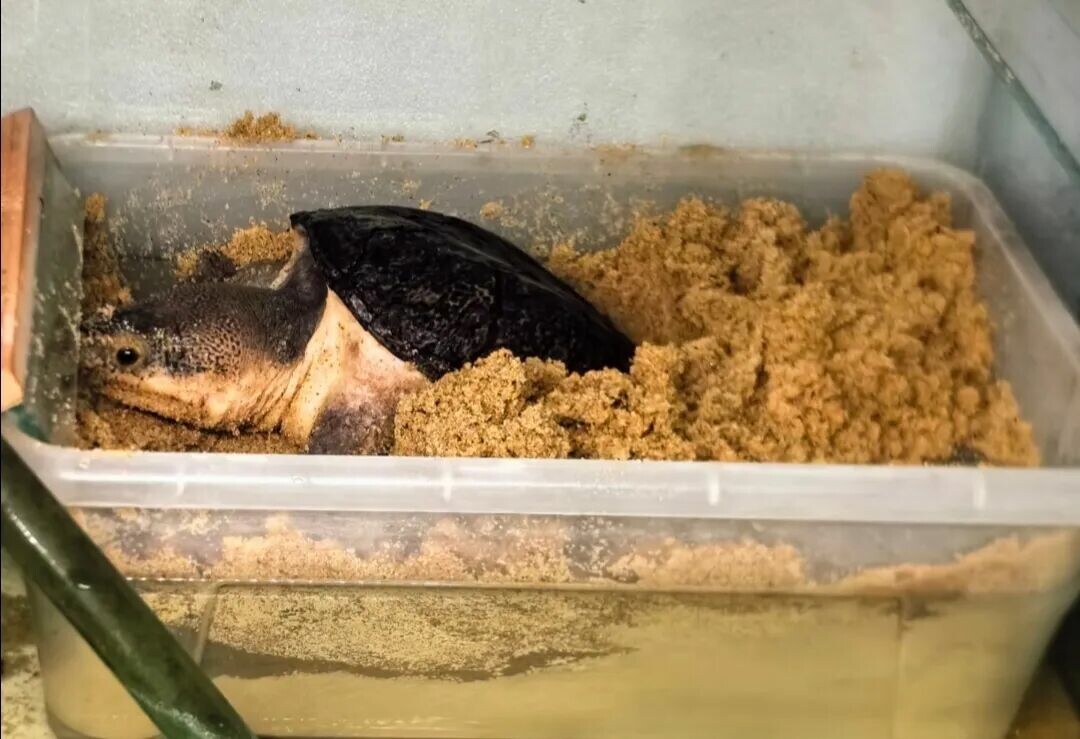
Turtle with the Shortest Egg-Laying Cycle
The Striped Mud Turtle (Kinosternon bauri) can be described as the “model worker” of egg-laying among Egg Turtles. It lays a clutch every 15~20 days, producing 9~10 clutches a year. Its cycle crushes most turtle species. Of course, a short cycle doesn’t equal more eggs; the Striped Mud Turtle only lays 1~3 eggs per clutch, winning on frequency, whereas the Mexican Mud Turtle has a larger clutch size but a longer cycle. Among common household turtles, the cycle of Egg Turtles is generally shorter than that of aquatic turtles and semi-aquatic turtles.
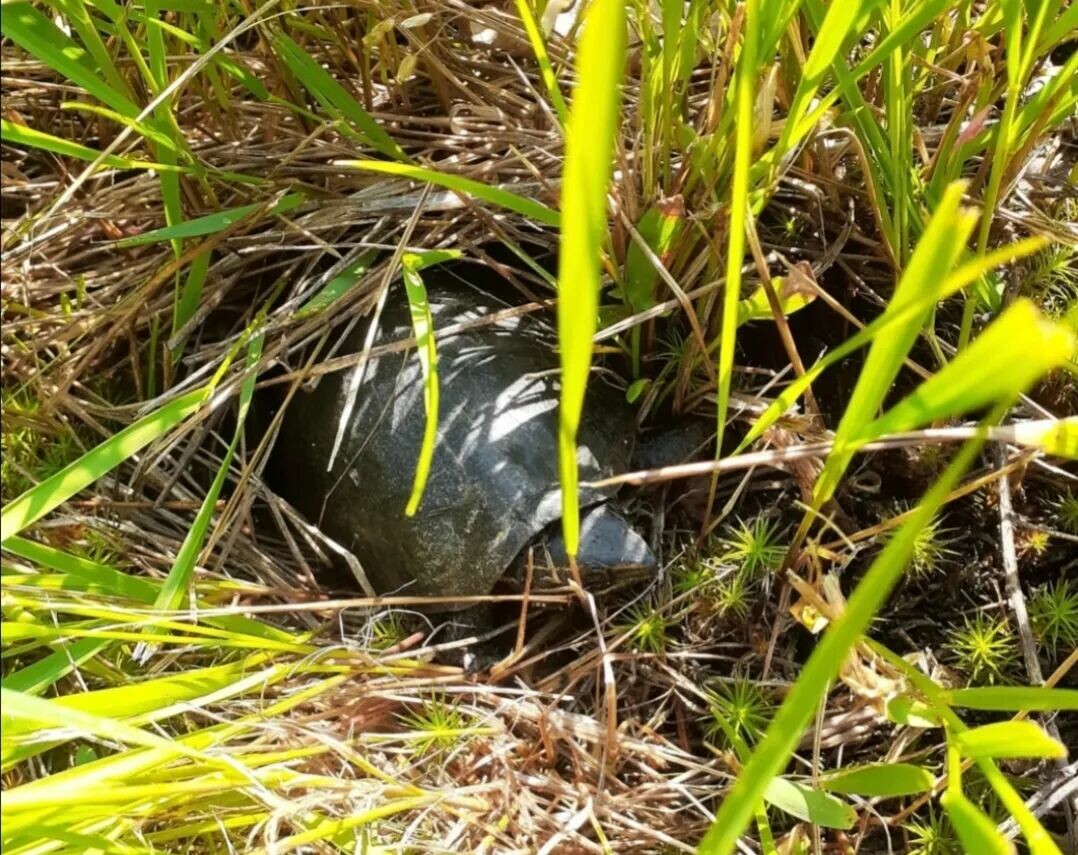
King of Egg Turtles
The Narrow-bridged Musk Turtle (Claudius angustatus) is the recognized King of Egg Turtles. Its Latin scientific name contains the meaning of “tyrant,” so it is also called the Tyrant of the Water. In reality, it has good interactivity and is very fierce.

Other Characteristics of Egg Turtles
The 3 Giant Eggs: Narrow-bridged Musk Turtle, Mexican Mud Turtle, and Salvin’s Musk Turtle (Kinosternon salvinii).
Final supplement: The largest Egg Turtle is the Mexican Mud Turtle, with a carapace reaching up to 40.2 cm. The smallest Egg Turtle is the Vallarta Mud Turtle, with an adult carapace reaching only 10.2 cm. The cheapest Egg Turtle is the Common Musk Turtle, though domestic Red-cheeked Mud Turtles are also very cheap now; common commercial hatchlings are all turtles under 100 yuan. The longest-lived Egg Turtle is that 54-year-old turtle in the Philadelphia Zoo. Can everyone guess what the most recently named and discovered Egg Turtle is?
Original article by 搬运工, if reproduced, please cite the source: https://www.kaipet.com/en/egg-turtles-called-egg-turtles-comprehensive-analysis-origins-cold-facts-breeding



Comments(1)
That’s a fun challenge! I’m curious about the most recently discovered Egg Turtle too. Any hints or clues you can share?