

In the distant Maastrichtian stage of the Late Cretaceous, a small freshwater turtle—Mongolemys elegans—was once active in the rivers, lakes, and swamps of Mongolia. Their fossils not only bear witness to the aquatic ecology of the dinosaur era but also hold precious clues regarding the evolution and behavioral habits of turtles.
Traces of Fossils
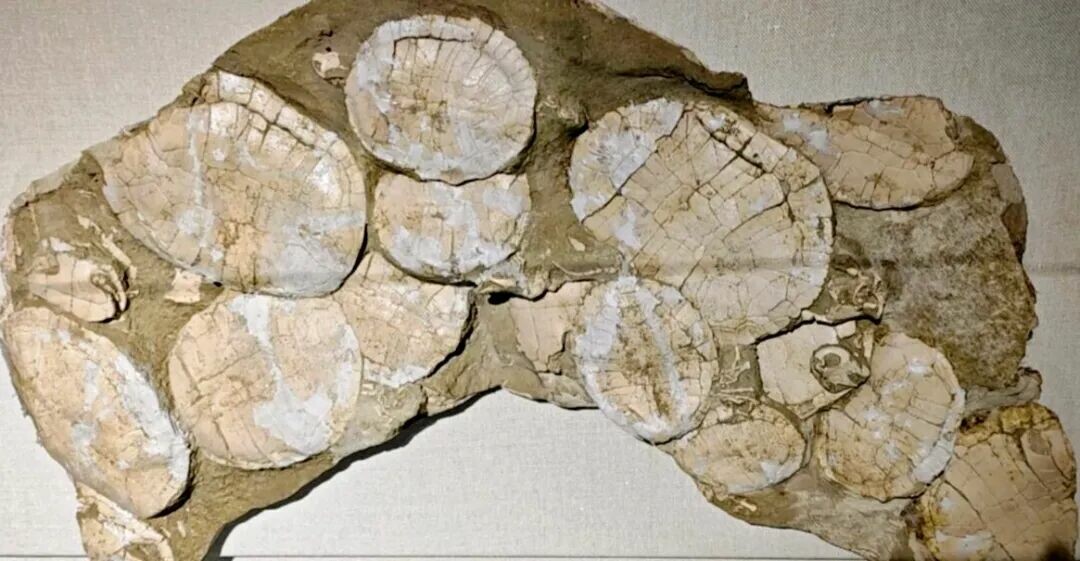
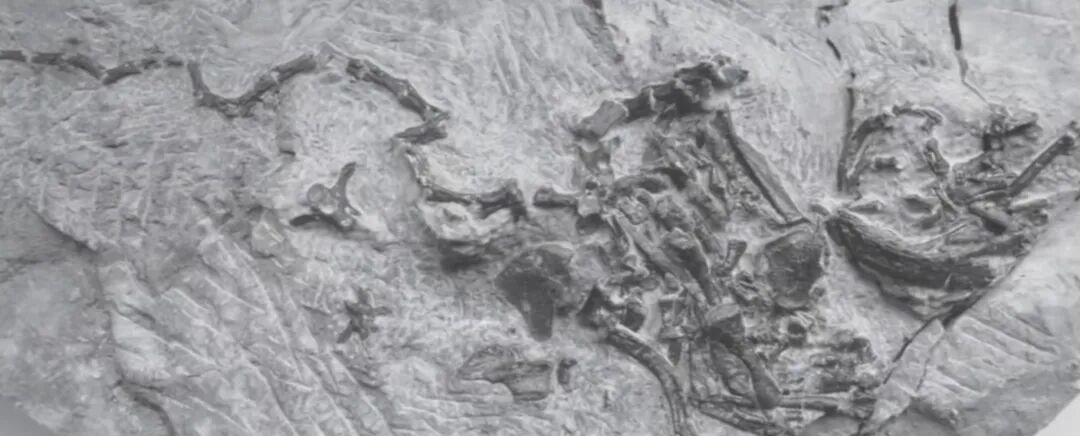
The fossil journey of Mongolemys elegans begins in the Nemegt Formation of Mongolia, which is their primary “final resting place.” In 2013, a joint expedition team from the American Museum of Natural History and the Mongolian Academy of Sciences made an unexpected harvest in the Bugin Tsav region—they discovered not only adult Mongolemys elegans fossils but also hatchlings and juvenile specimens, completely presenting the growth stages of this turtle species.
Even more surprising is that similar fossils were also found in the Late Cretaceous strata of Shisanjianfang, Turpan, Xinjiang, China. This means that the activity range of this small freshwater turtle once spanned across present-day Mongolia and Xinjiang, China, witnessing the paleogeographic environment of the Late Cretaceous.
Classification
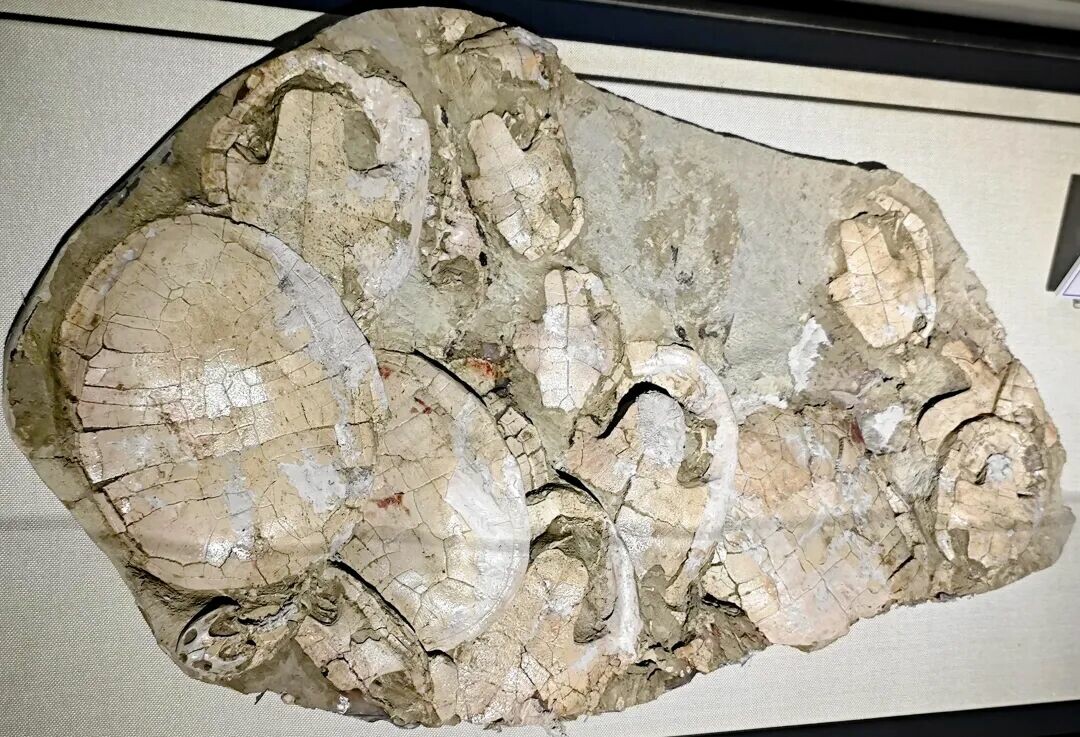
The identity authentication of Mongolemys elegans was not accomplished overnight. When scientists Khosatzky and Mlynarski first described this fossil in 1971, they assigned it to the Dermatemydidae family based on its characteristics, the reason being its similarities to fossil turtles in Central Europe.
With deepening research, morphological data phylogenetic analysis provided a new answer—it actually belongs to the Lindholmemydidae family, and occupies a basal position within the Testudinoidea superfamily (simply put, a more primitive group within the tortoise superfamily, worthy of being called a senior in the history of turtle evolution). This classification adjustment spanning decades also embodies the rigor of paleontological research: bold hypotheses, careful verification.
Morphology
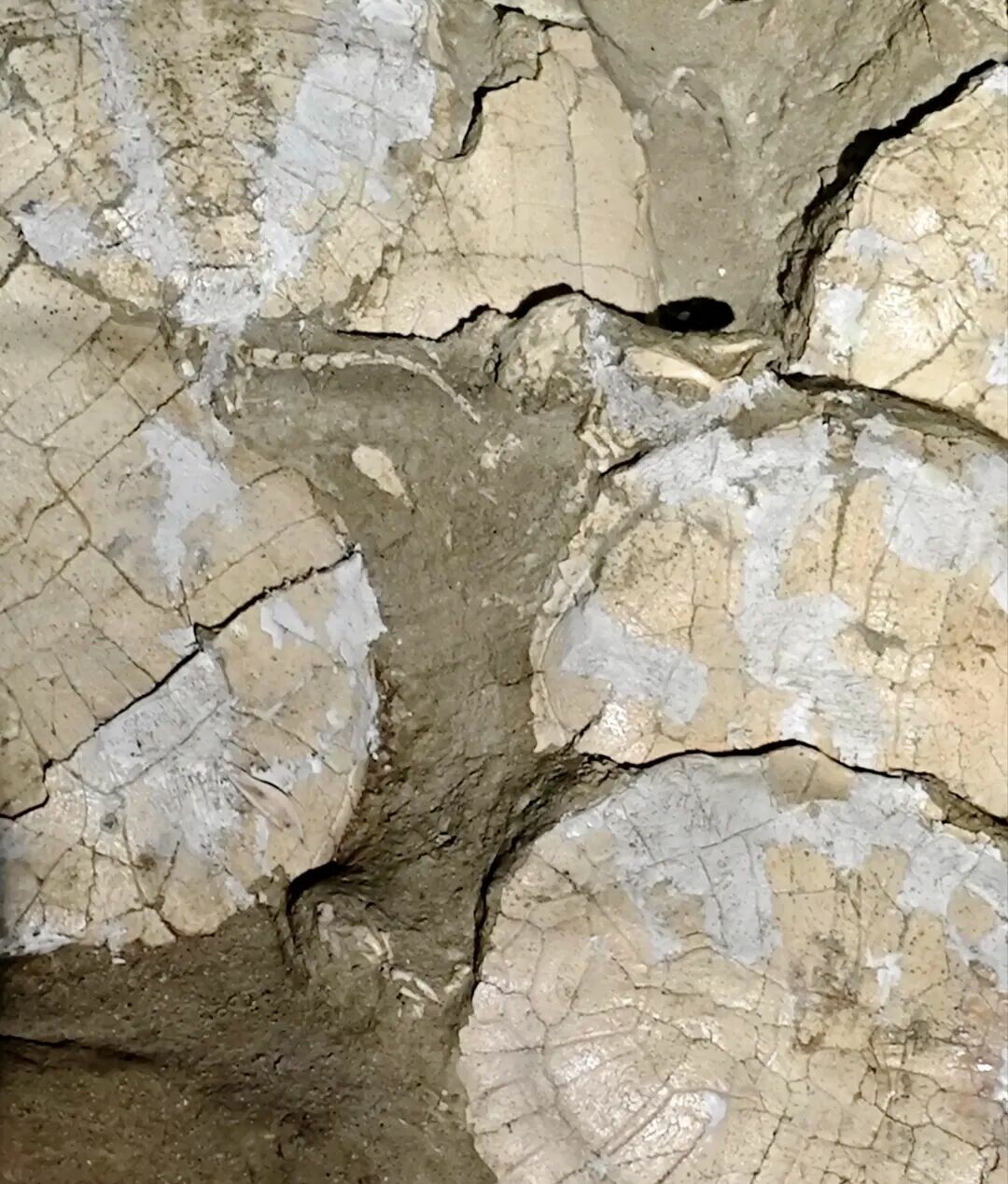
Mongolemys elegans is a small freshwater turtle. The carapace is oval, moderately domed, with no obvious ornamentation on the surface, having 5 neural plates, with the 2nd, 3rd, and 4th neurals being hexagonal; the plastron is complete, composed of 6 plates, with the anterior margin slightly concave and the posterior end truncated, possessing a distinct gular-humeral sulcus; the entoplastron is broad, and the epiplastra are strong; bone histology shows thickness and tissue types similar to other freshwater turtles. The fossil bone microstructure is well preserved, with osteocyte density being higher in the outer cortex than in the cancellous bone and inner cortex.
Habits
Mongolemys elegans is a type of freshwater turtle that lived in rivers, lakes, and swamps. It likely fed on aquatic plants and small aquatic animals, searched for food and basked in the sun to regulate body temperature during the day, and rested in hidden places at night, adjusting the frequency of its activity range according to seasonal changes, similar to modern turtles.
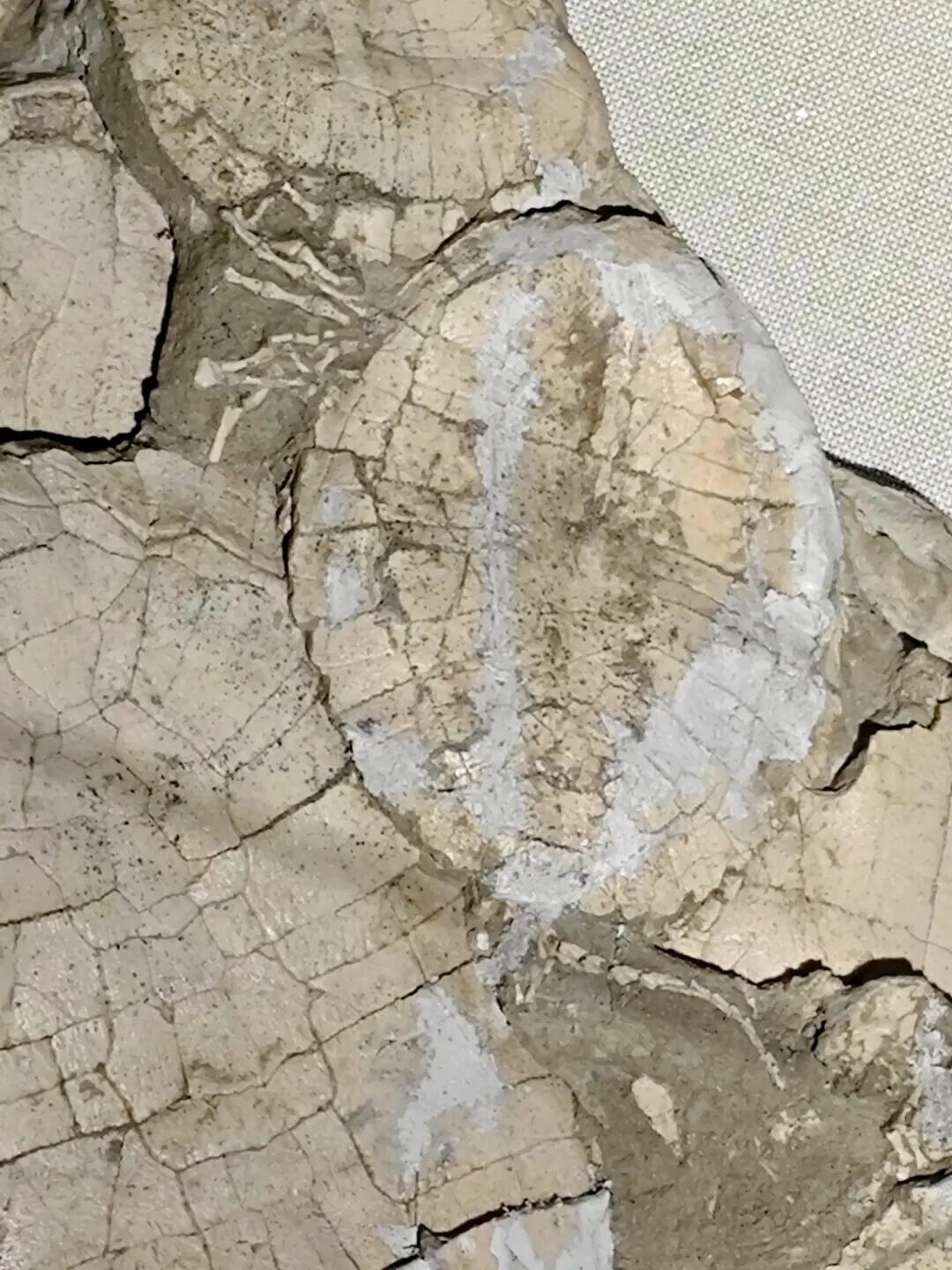
Mongolemys elegans fossils are often found in mass burials, which may be related to their behavior. Mongolemys elegans may have gathered during specific seasons or environments, such as breeding seasons or migration processes. If this gathering behavior occurred in an unstable environment, such as a flood-prone area, it could lead to mass burial, possibly similar to crocodiles during the freshwater season (dry season), all gathering in one small puddle and then dying of drought.
Original article by 搬运工, if reproduced, please cite the source: https://www.kaipet.com/en/cretaceous-turtles-revealing-mass-burial-mongolian-turtles




Comments(1)
The mass burial findings are captivating! I wonder, do modern turtles exhibit behaviors that could lead to similar natural mass deaths?