

When it comes to Japan’s turtles, many people first think of names like the Ryukyu yellow-throated turtle or the Ryukyu yellow-margined box turtle. But these turtles, which seem “exclusive to Japan,” actually have absolutely nothing to do with mainland Japan! Today, we’ll do a thorough breakdown to show you exactly which turtle species are truly native to Japan.
Defining the Native Boundary
According to the Potsdam Declaration, jointly issued by China, the United States, and the United Kingdom on July 26, 1945: Japanese sovereignty shall be limited to the islands of Honshu, Hokkaido, Kyushu, Shikoku, and such minor islands as the Allied Powers determine. In other words, the Ryukyu Islands are not part of Japanese territory.
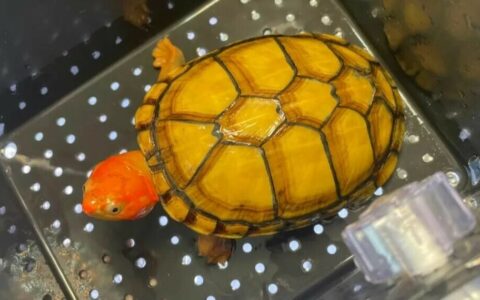
This means that the well-known Ryukyu yellow-throated turtle, Ryukyu yellow-margined box turtle, and Ryukyu leaf turtle, because their natural distribution is limited to the Ryukyu Islands, are essentially unrelated to mainland Japan. From now on, don’t mistake them for native Japanese turtles.

Japan’s Only Native Freshwater Turtle: The Japanese Pond Turtle
In Japan’s family of freshwater turtles, the Japanese pond turtle is the sole native species.
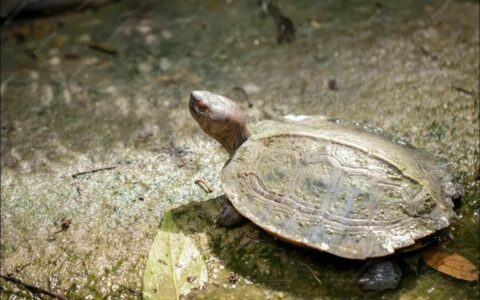
The maximum carapace length for male Japanese pond turtles is 17.4 cm, while for females it is 21 cm. They are distributed across Kyushu, Shikoku, and Honshu in Japan, but not in Hokkaido. Their estimated natural distribution area is 153,544 km², accounting for 40% of Japan’s land area. They naturally inhabit aquatic environments such as ponds, swamps, and streams, and are an important part of Japan’s native ecosystem.
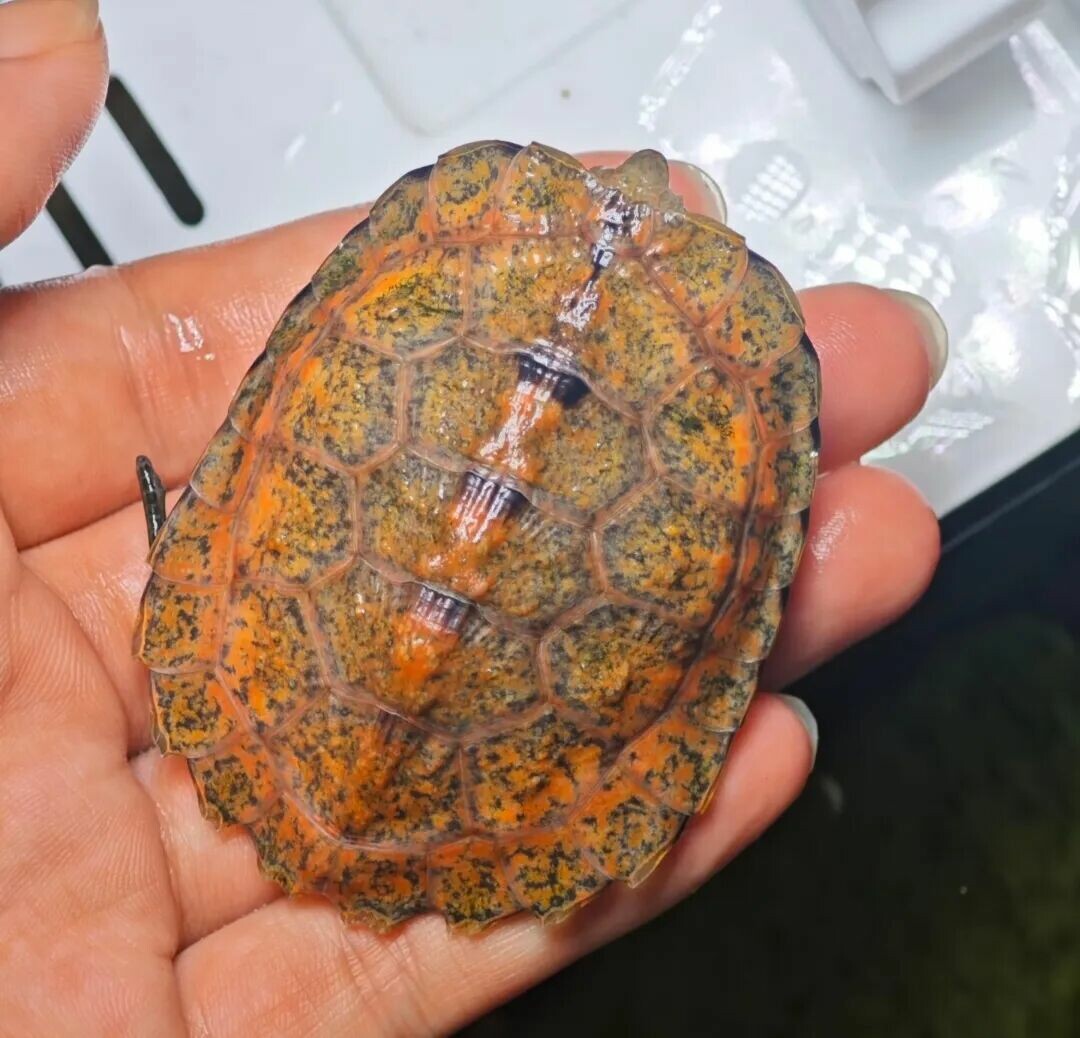
The Japanese pond turtle is a relatively cold-tolerant species. They are very active at temperatures above 20°C and stop eating below 15°C, but they remain quite lively. Whenever the sun is out, you will surely see them basking in groups on the shore. Even on sunless days, they can be seen roaming at the bottom of the water. Here, this editor must interject: the Japanese pond turtle is a bit like the Japanese people in being ‘black-bellied’—the Japanese pond turtle’s abdomen is black.
The Native Sea Turtle Family in Japanese Waters
Besides freshwater turtles, the following sea turtles are naturally distributed in Japanese waters: the loggerhead sea turtle, green sea turtle, and hawksbill sea turtle nest in Japanese waters, and the olive ridley sea turtle can be found in Japanese waters.
Additionally: Some people say that the Chinese pond turtle also has a natural distribution in Japan, but this editor has always believed the Chinese pond turtle was introduced to Japan by humans and is not native, and maintains that the island phenomenon (meaning the evolutionary phenomenon where organisms on islands tend to increase in size due to a lack of predators and competitors) causes the species to become larger.

Original article by 搬运工, if reproduced, please cite the source: https://www.kaipet.com/en/japans-native-turtle-species-complete-guide-native-freshwater-turtle-sea-turtles







Comments(2)
I found the Japanese Pond Turtle’s cold tolerance and basking habits fascinating! Do their preferred basking spots vary by environment?
@CriticX:We’re glad you found the information on Japanese Pond Turtles fascinating! The article mentions they often bask in groups on the shore. While it doesn’t detail variations in preferred basking spots by specific environment, it’s a great question for further exploration into their behavior.