

Chelonians (a collective term for reptiles of the order Testudines) are an ancient group of reptiles whose species diversity is closely related to the ecological environments and geographical spans of various countries. The following ranking integrates the latest data from the Tortoise and Freshwater Turtle Specialist Group (TFTSG) and the International Union for Conservation of Nature (IUCN) Red List. The statistical scope covers all extant species and subspecies of tortoises, freshwater turtles, and nesting sea turtles.
USA
Number of turtle and tortoise species and subspecies: approx. 88.
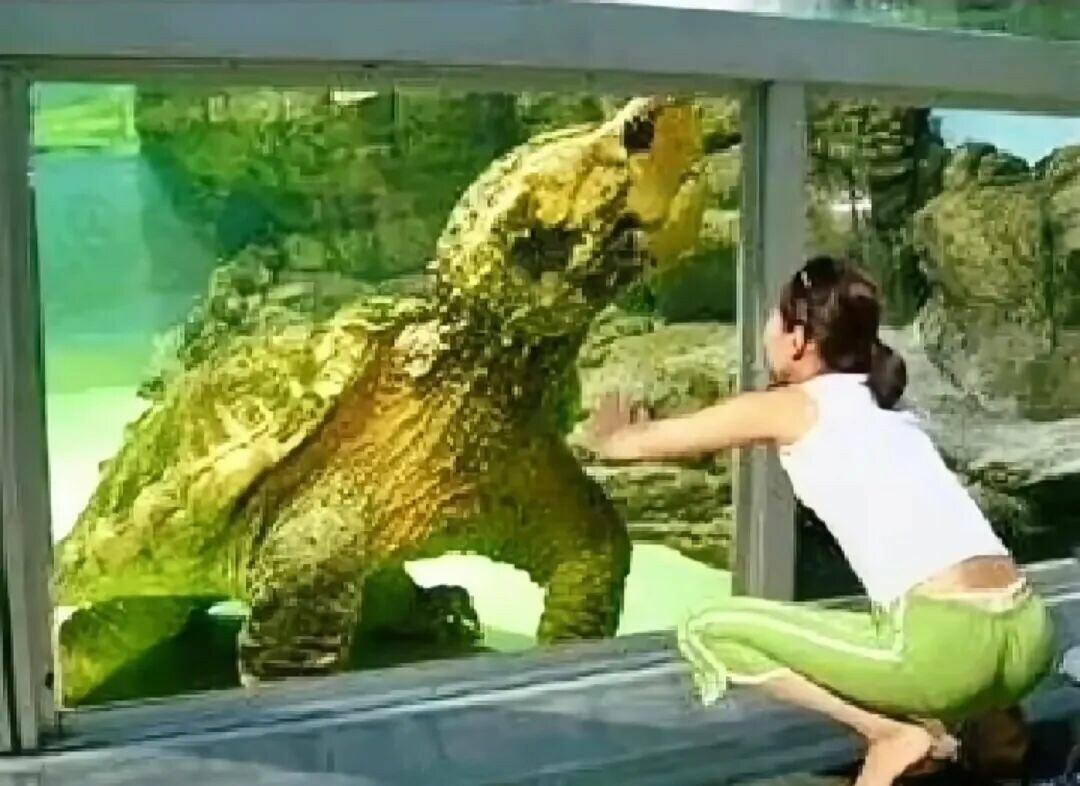
With a diverse geographical environment ranging from North American wetlands to desert ecosystems, it has nurtured a large number of unique turtle species such as Snapping Turtles, Painted Turtles, and Box Turtles, making it the No. 1 globally in chelonian diversity, a title it "truly deserves."

Mexico
Number of turtle and tortoise species and subspecies: approx. 66.
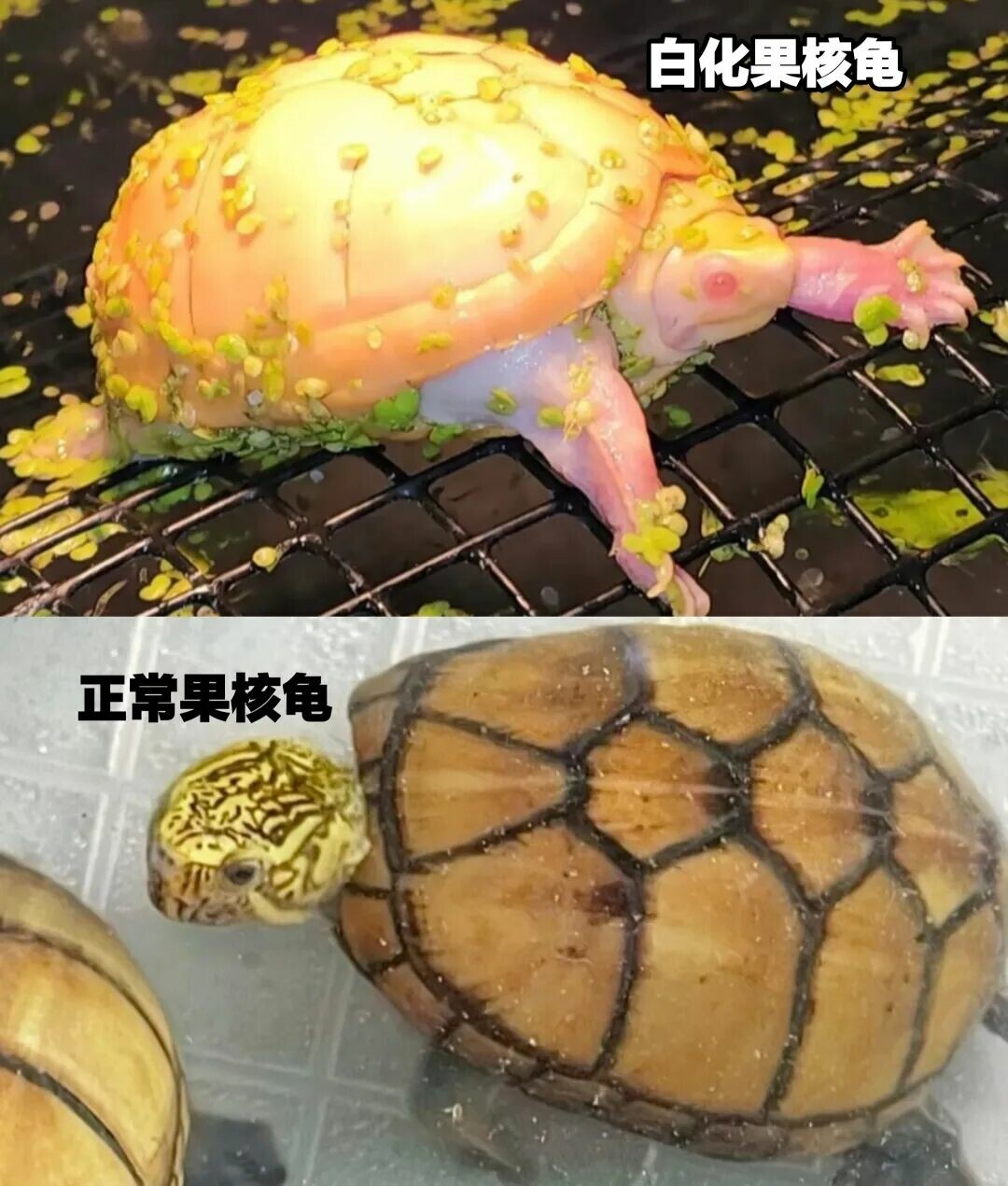
Spanning North and Central American ecological zones, it possesses abundant species from multiple groups such as Mud Turtles and Kinosternon (genus Kinosternon, a type of small to medium-sized freshwater turtle), with endemic species like the Vallarta Mud Turtle being highly representative.
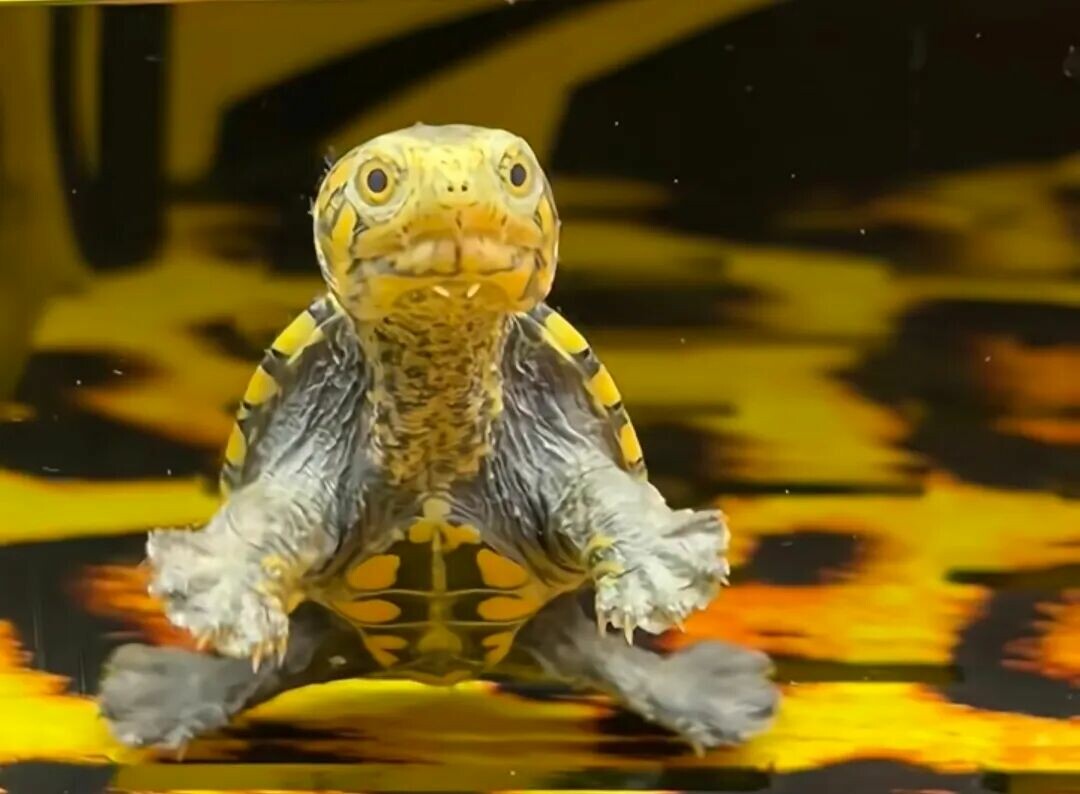
India
Number of turtle and tortoise species and subspecies: approx. 43.
South Asia’s complex wetland and forest ecosystems nourish unique species like the Indian Roofed Turtle and Indian Eyed Turtle; its freshwater turtle diversity is particularly outstanding.

Indonesia
Number of turtle and tortoise species and subspecies: approx. 39.
The "ecological isolation effect" brought about by the archipelago terrain has given rise to numerous unique Southeast Asian turtles such as the Southern River Terrapin (scientific name Batagur affinis) and the Malayan Snail-eating Turtle. Marine turtle resources are also extremely rich.
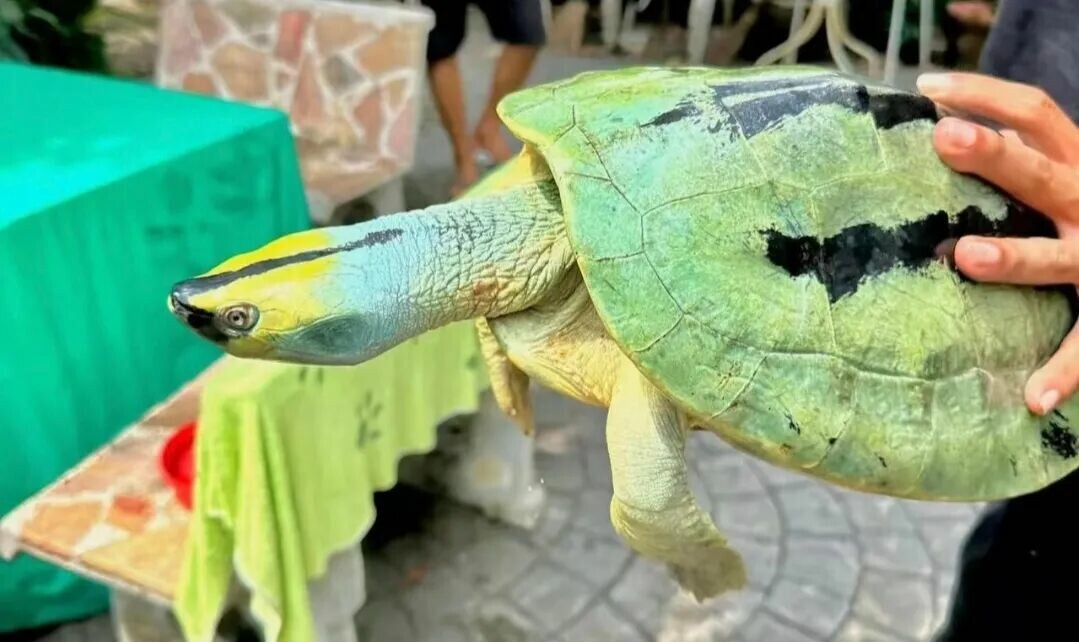
China
Number of turtle and tortoise species and subspecies: approx. 38.
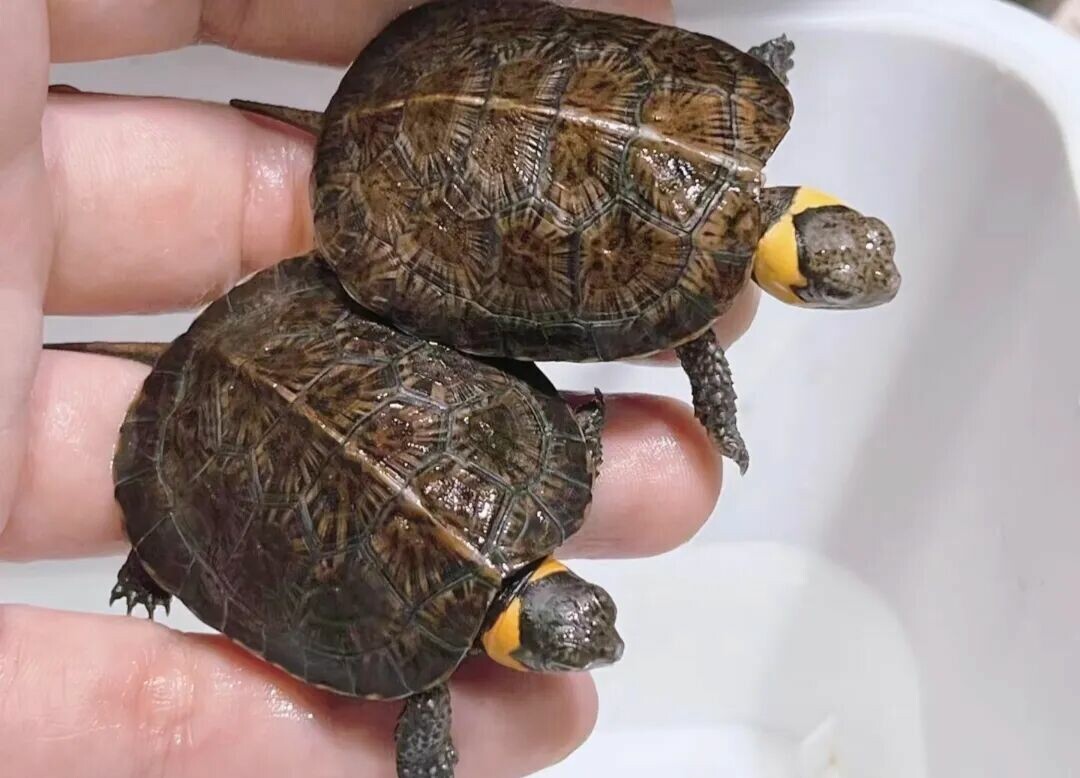
From the rainforests of South China to the wetlands of the North, numerous famous species such as the Yellow-margined Box Turtle, Golden Coin Turtle, and Chinese Pond Turtle are distributed here. It is the core region for East Asian turtle diversity.

Brazil
Number of species and subspecies: approx. 37.
As the "biological treasure trove" of the Amazon rainforest, it has nurtured unique species such as the Black Spiny-necked Swamp Turtle and the Red-headed Amazon River Turtle. Its freshwater turtle diversity ranks at the forefront of South America.
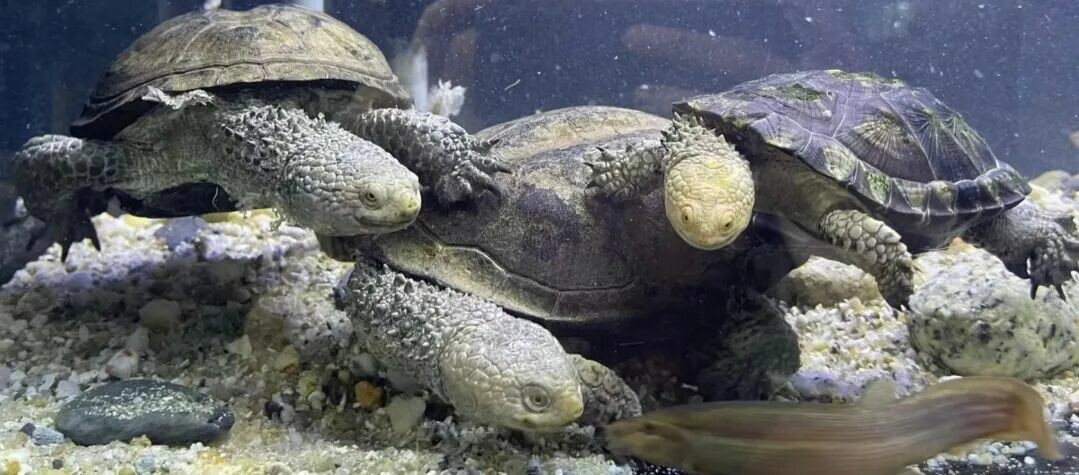
Australia
Number of species and subspecies: approx. 36.
The unique Australian ecosystem has created distinctive groups such as the Broad-shelled River Turtle and Australian Turtles (Emydura); the family Chelidae (Snake-necked turtles) is a turtle branch exclusive to this region (and South America/Papua).

Vietnam
Number of species and subspecies: approx. 35.
As a Southeast Asian "biodiversity hotspot," it possesses a large number of tropical turtles such as the Yellow Pond Turtle and Keeled Box Turtle, making it an important distribution area for Asian turtle resources.
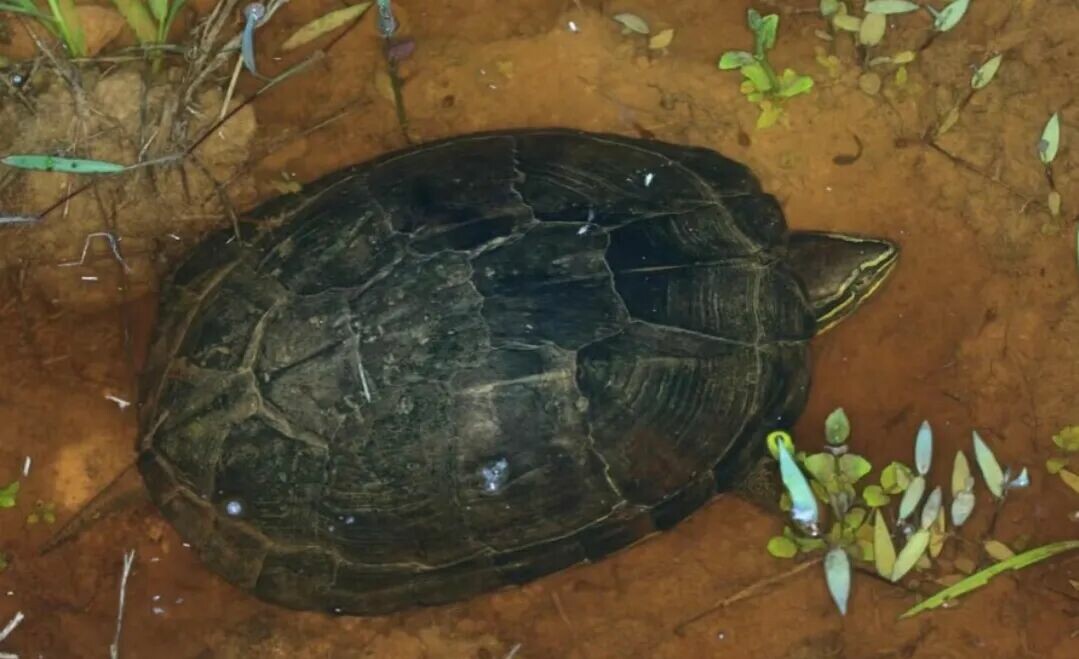
Colombia
Number of species and subspecies: approx. 34.
As the "ecological hub" of the South American rainforests, unique species such as the Amazon Toad-headed Turtle thrive here. Its freshwater turtle diversity forms a South American "dual core" along with Brazil.
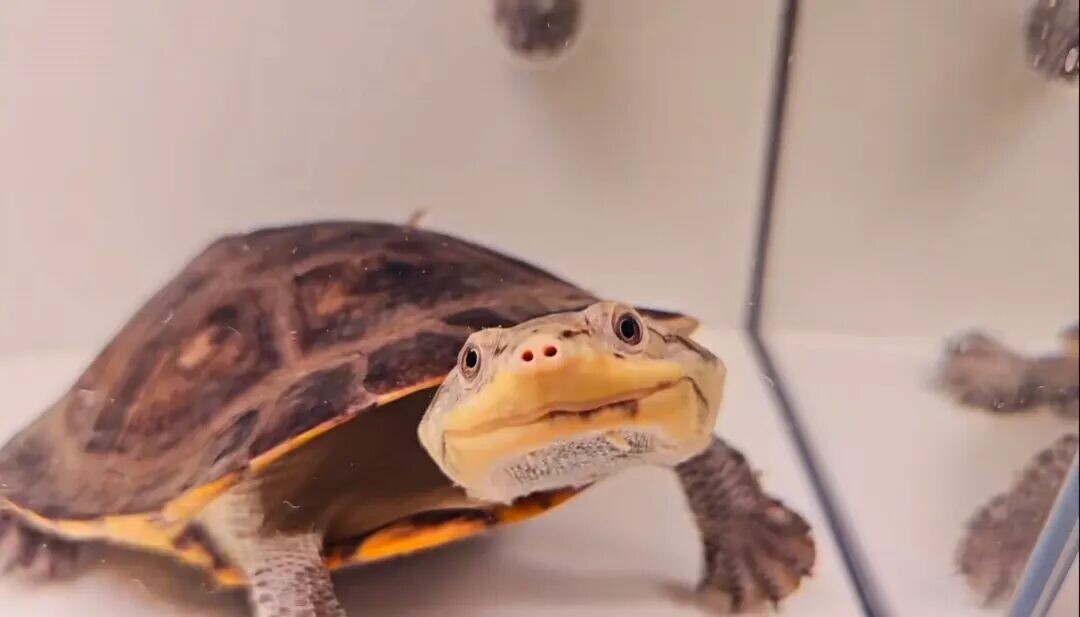
Thailand and Myanmar
Number of species and subspecies: approx. 32 each.
The wetland and river ecosystems of the Indochinese Peninsula provide habitats for species such as the Malayan Snail-eating Turtle and Giant Asian Pond Turtle, making it a concentrated distribution area for Southeast Asian turtle resources.
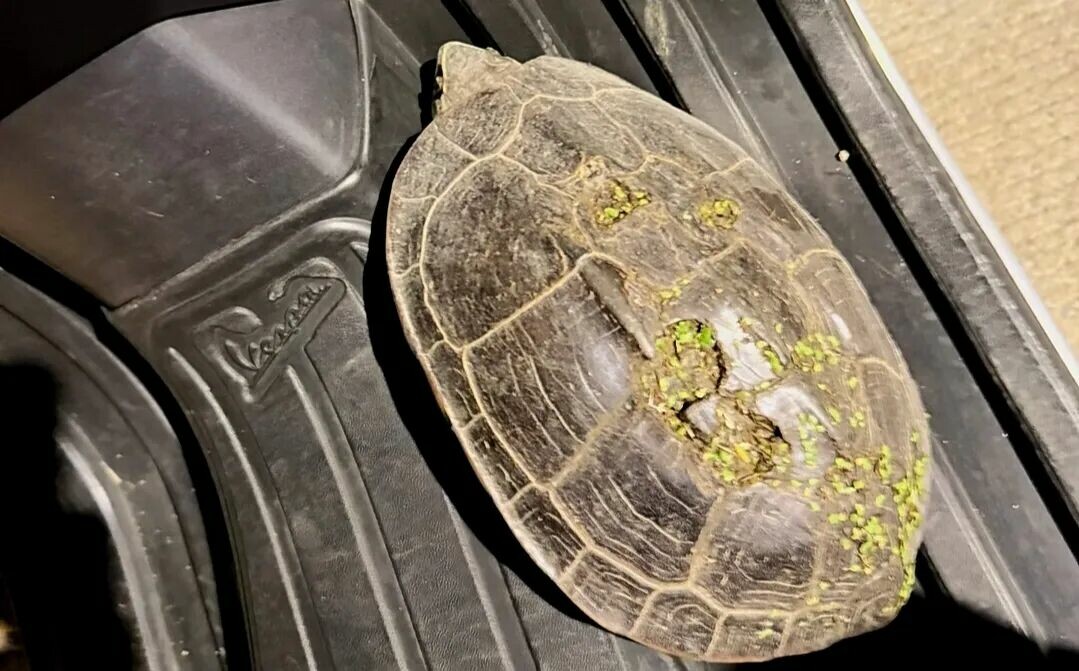
Ecuador and Bangladesh
Number of species and subspecies: approx. 31 each.
Ecuador ranks among the top thanks to "star species" like the Galápagos Tortoise and turtles of the Amazon basin. Bangladesh, with the wetland ecology of the Ganges Plain, has become an important distribution area for species such as the Indian Roofed Turtle.
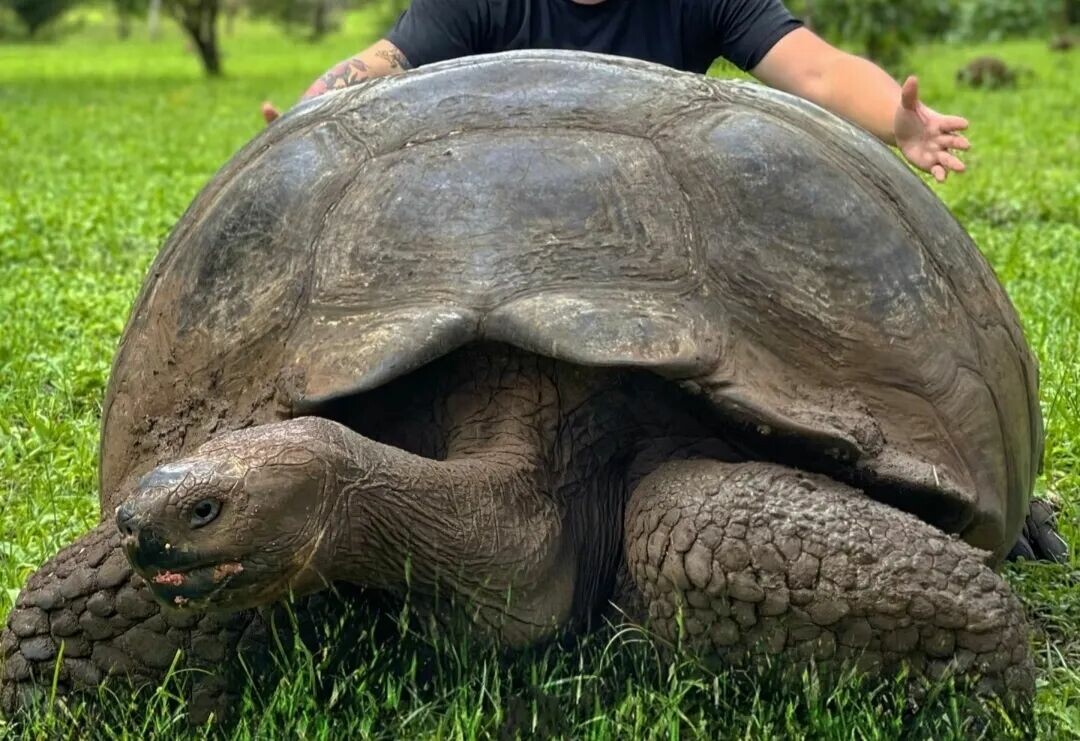
Malaysia
Number of species and subspecies: approx. 26.
The composite ecology of Southeast Asian islands and peninsulas has nurtured unique species like the Amboina Box Turtle and Malayan Flat-shelled Turtle; its freshwater turtle diversity is outstanding.

Venezuela
Number of species and subspecies: approx. 24.
In the grasslands and wetland ecology of northern South America, mud turtle groups such as the Scorpion Mud Turtle are highly differentiated here, serving as an important supplement to South American turtle diversity.
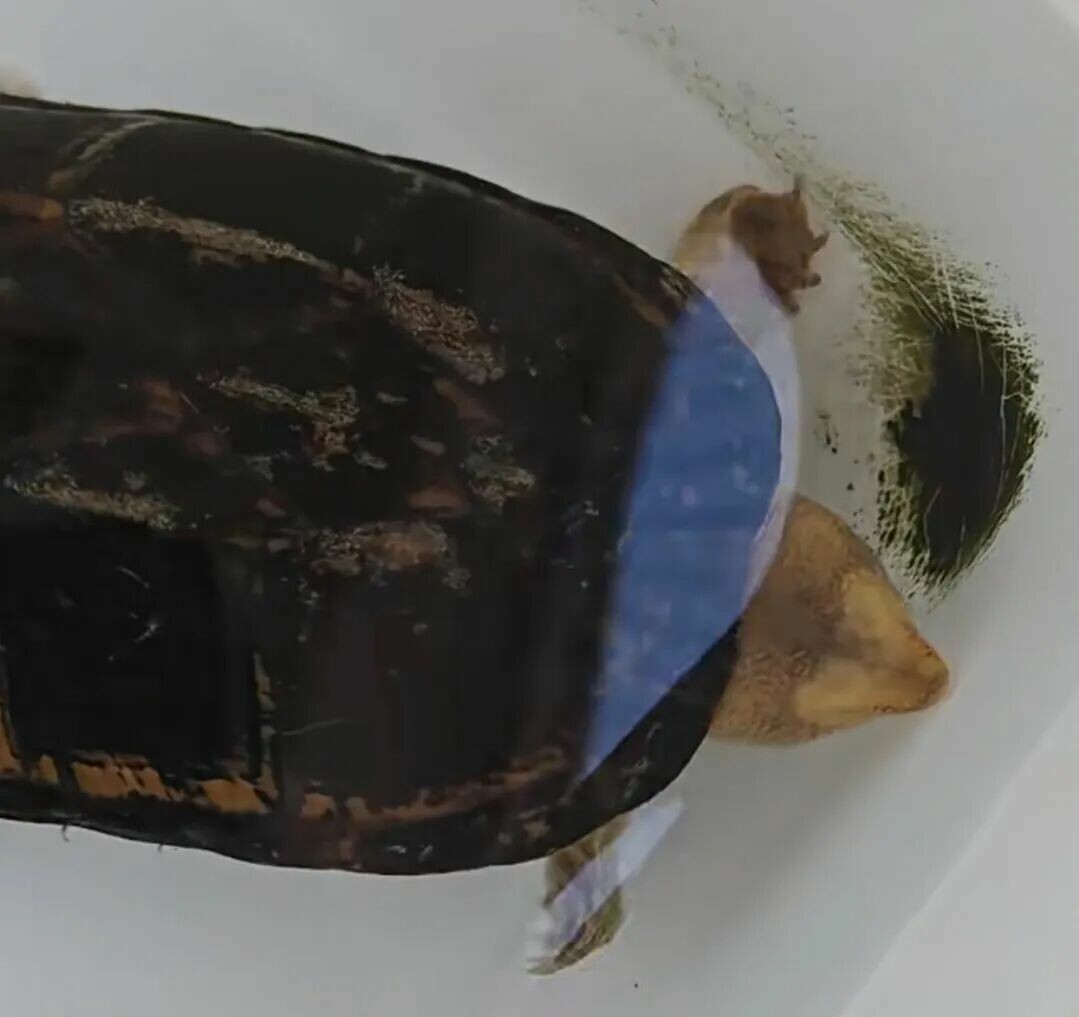
South Africa
Number of species and subspecies: approx. 22.
The arid and grassland ecology of southern Africa has created unique tortoise groups such as the Speckled Padloper Tortoise and Leopard Tortoise; its tortoise diversity ranks first in Africa.
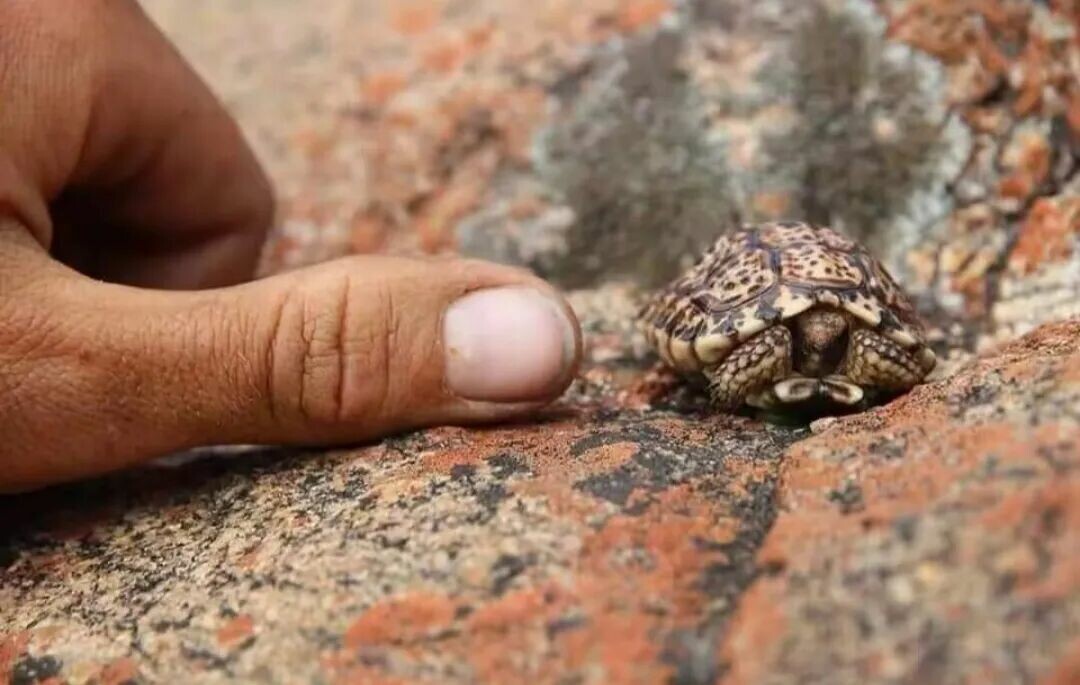
Laos
Number of species and subspecies: approx. 20.
In the inland mountains and river ecology of the Indochinese Peninsula, tropical turtles like the Keeled Box Turtle are distributed within Laos, forming an important part of Southeast Asian turtle resources.
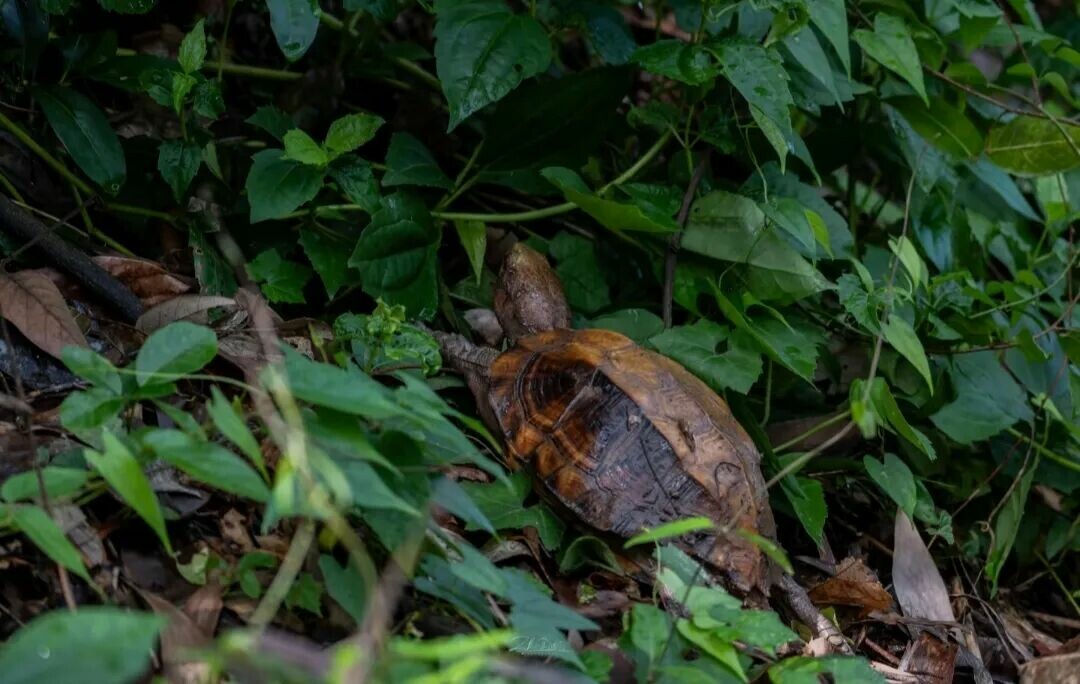
Nepal
Number of species and subspecies: approx. 18.
The wetland ecology at the southern foothills of the Himalayas provides a home for species such as the Red-crowned Roofed Turtle, making it a key region for South Asian turtle diversity.
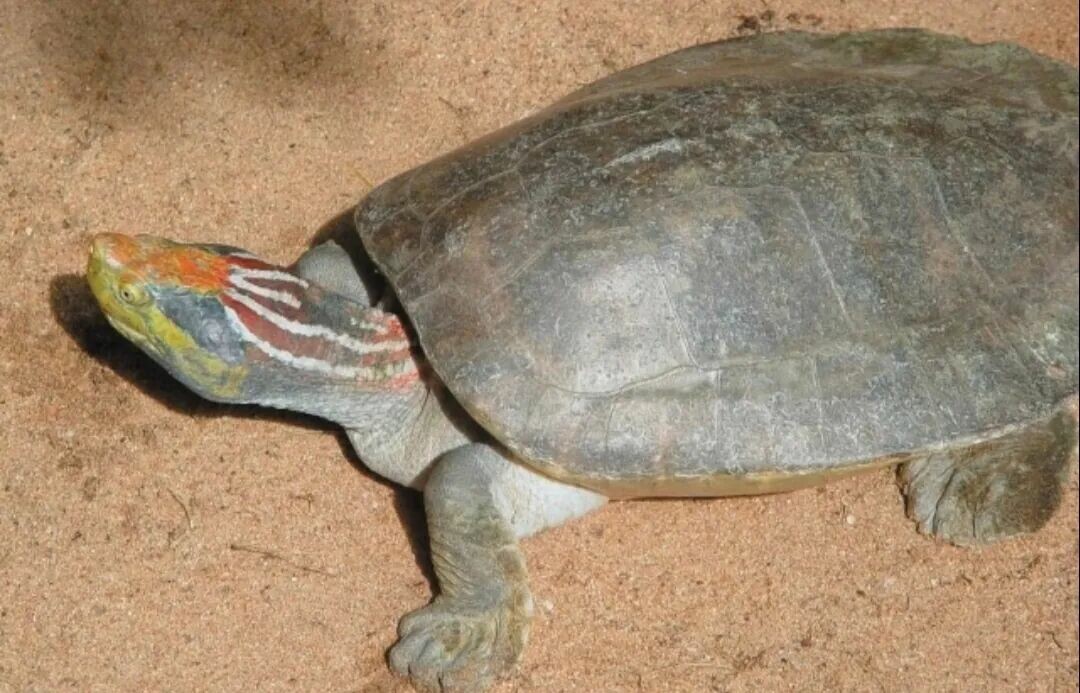
Congo and Guatemala
Number of species and subspecies: approx. 17 each.
Congo (usually referring to countries associated with the Congo Basin) relies on the Central African rainforest and possesses various side-necked turtles (Pelomedusidae/Podocnemididae). Guatemala, due to the Central American ecological zone, is home to unique species such as the Red-cheeked Mud Turtle.
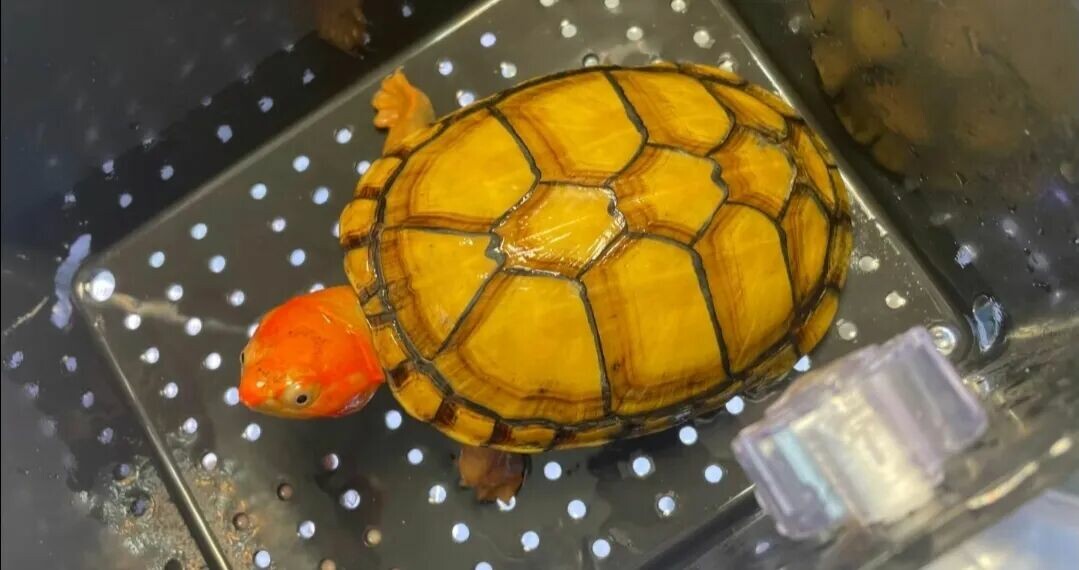
Original article by 搬运工, if reproduced, please cite the source: https://www.kaipet.com/en/global-ranking-turtle-tortoise-species-diversity-country-usa-tops-88-species-china-rank



Comments(1)
Fascinating insights into global turtle diversity! I’m curious, what conservation efforts are helping these top-ranked countries maintain their numbers?