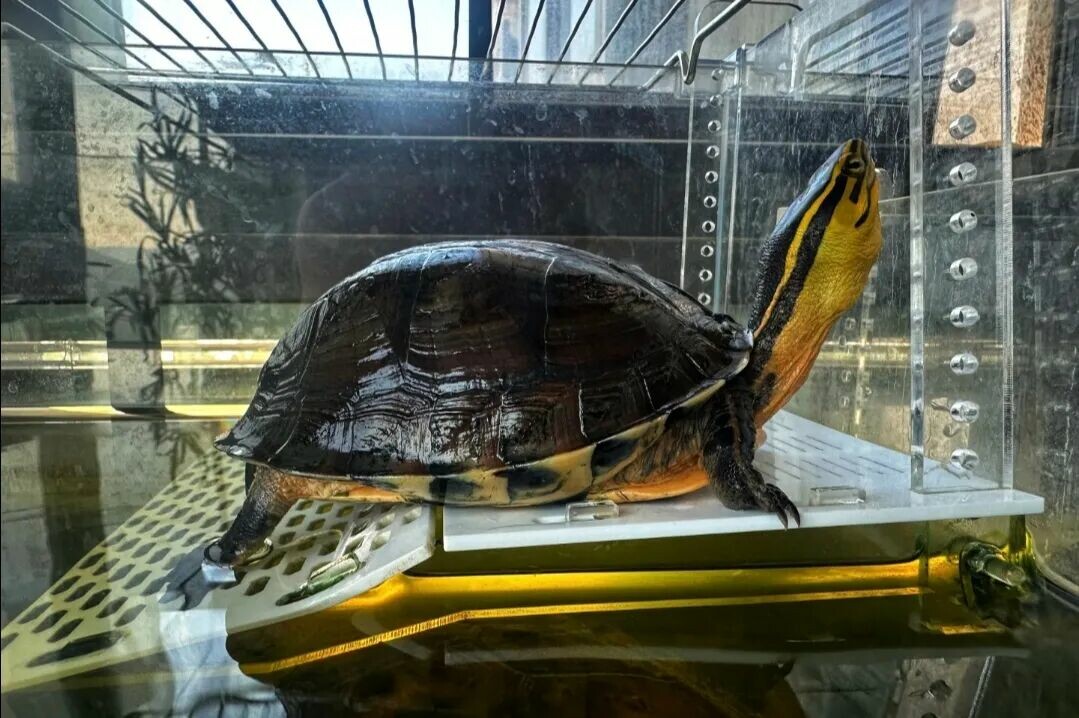
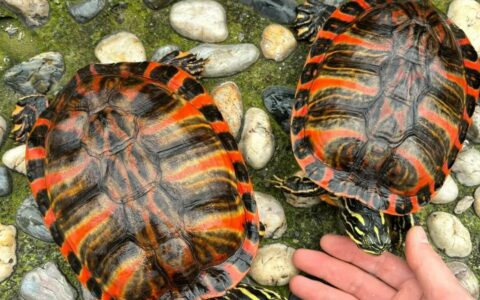
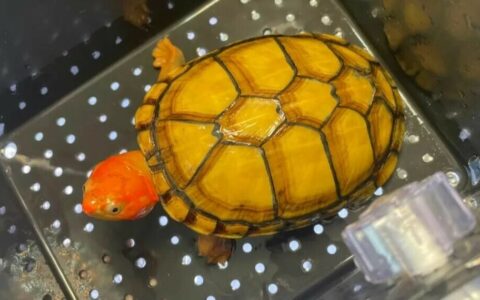
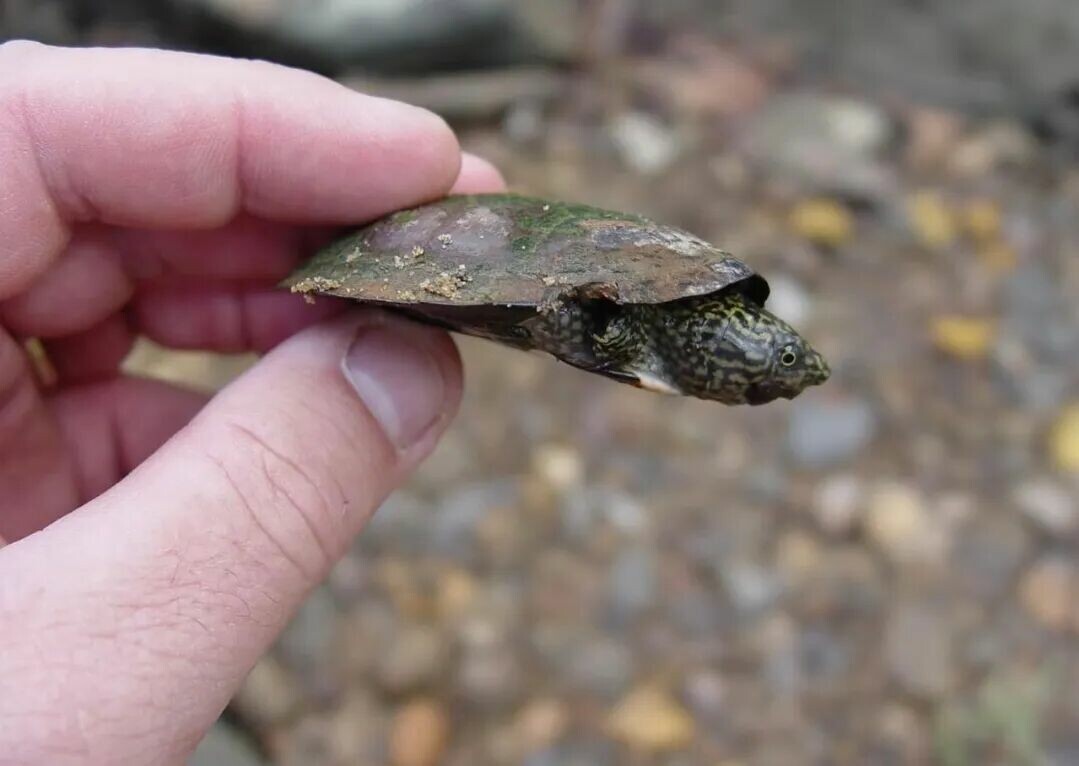
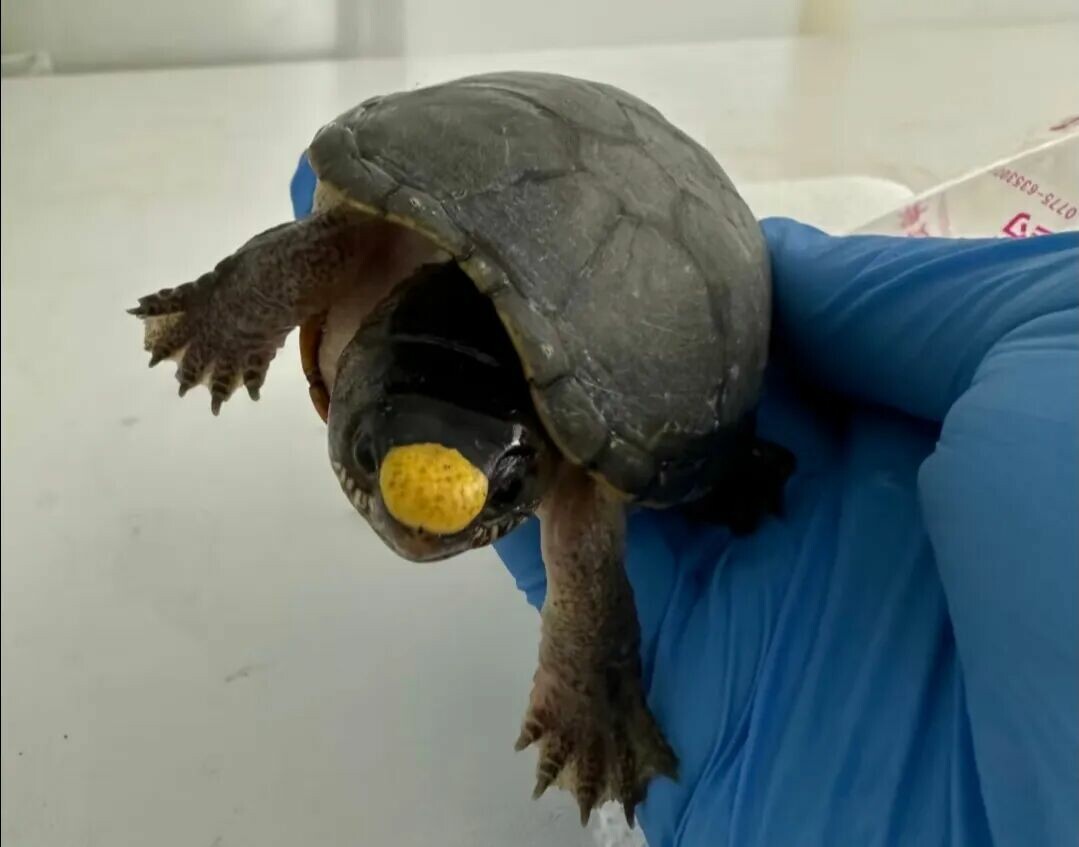
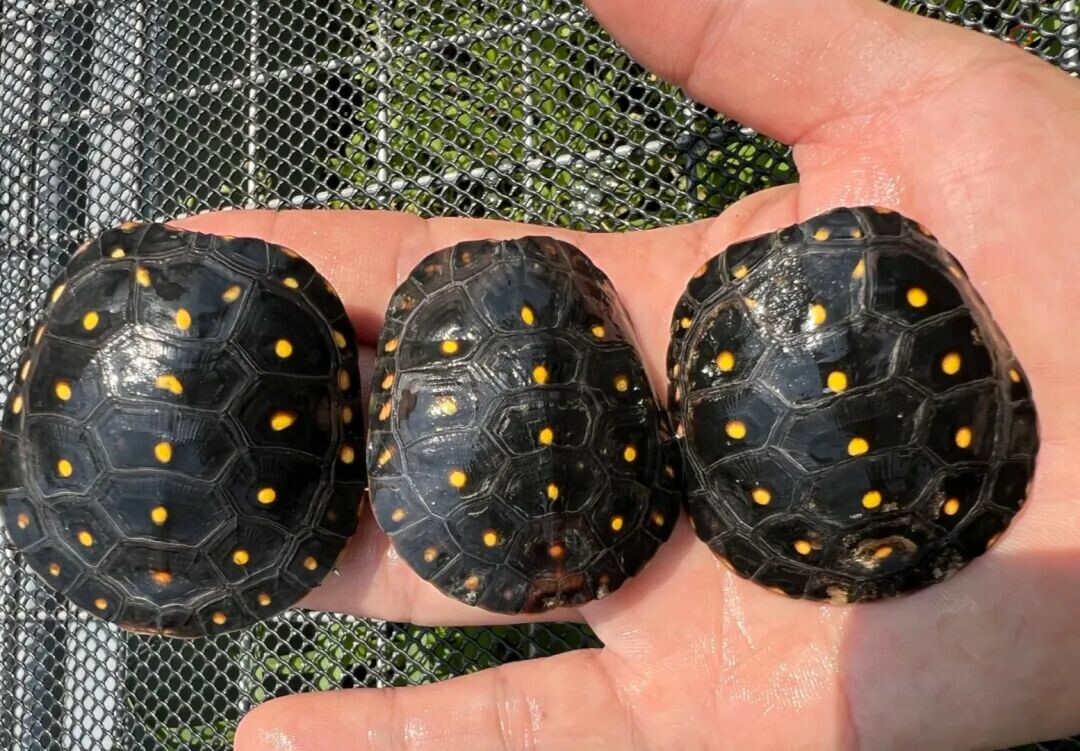
Egg Turtles get their name not because they lay eggs, but because the carapace of this type of turtle is generally round and flat, resembling a smooth egg, with a very strong egg-like form ←_←
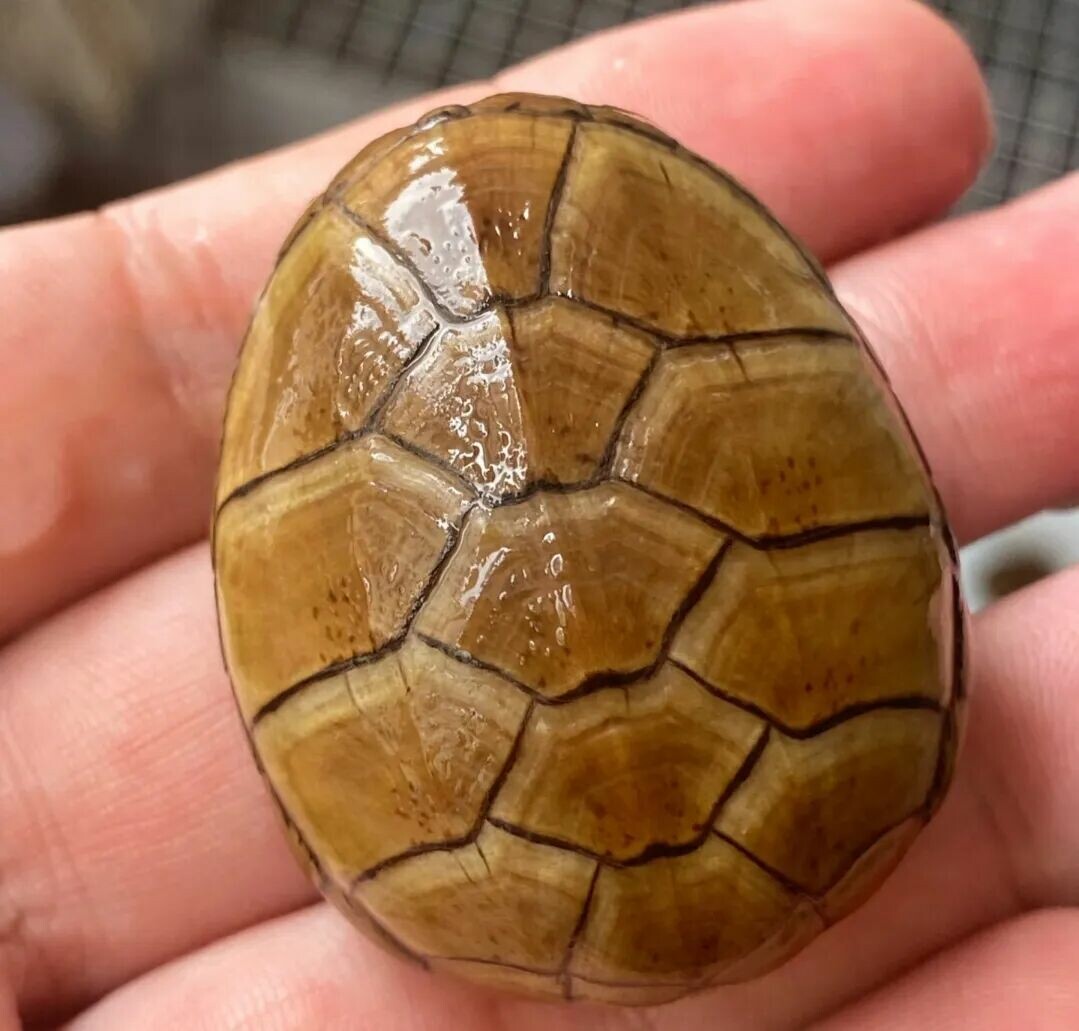
Number of Egg Turtle Species
Egg Turtles belong to the family Kinosternidae, which includes Mud Turtles (Genus: Kinosternon, 22 species) and Musk Turtles (Genus Sternotherus 6 species, Genus Claudius 1 species, Genus Staurotypus 2 species), totaling 31 species (excluding subspecies).

Origin of the Musk Turtle Name and Habits
When a Musk Turtle encounters danger, it secretes a liquid with a strong odor from scent glands located at the edge of the carapace near the base of its limbs. The smell is pungent and unpleasant, capable of "stinking away" enemies, hence the name Musk Turtle, similar to a skunk. In fact, this skill is not unique to Musk Turtles; all varieties in the entire Egg Turtle family possess the same style of scent glands. For example, the Red-cheeked Mud Turtle, Razor-backed Musk Turtle, Striped Mud Turtle (Fruit Pit), and Narrow-bridged Musk Turtle all secrete odorous liquid when frightened. However, the Musk Turtle is the representative species for this skill because it was the earliest discovered, is the most typical variety, and secretes the strongest scent.
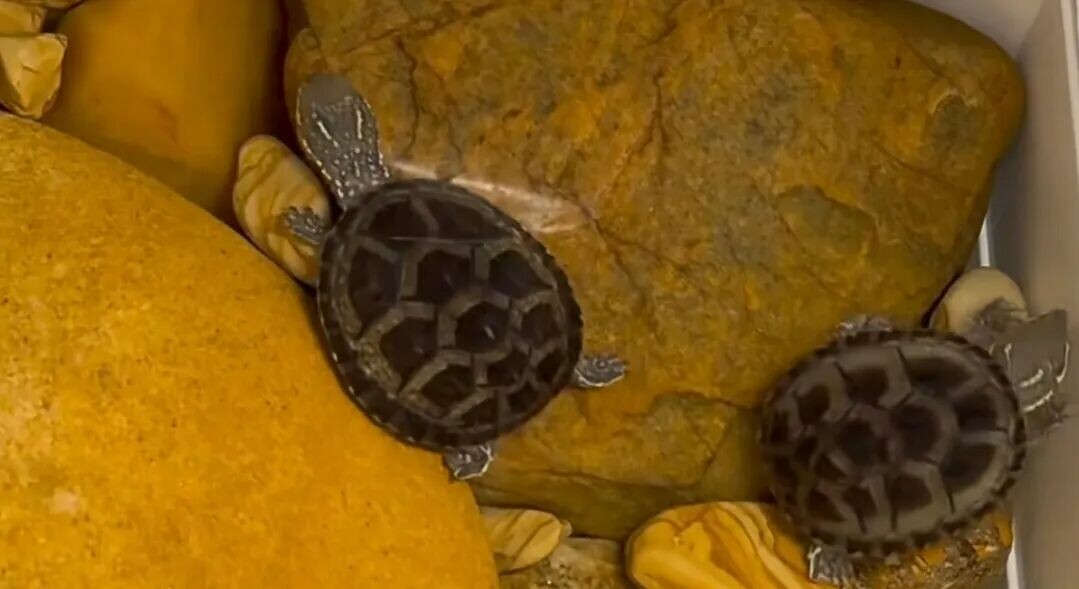
Origin of the Mud Turtle Name
These turtles are called Mud Turtles because their wild habitats are entirely comprised of swamps, mudflats, wetlands, etc., where they daily burrow into the silt and bury themselves in the mud for hibernation or aestivation. Egg Turtle, Musk Turtle, and Mud Turtle are 3 different names for the same broad category, all referring to this batch of turtles in the family Kinosternidae, just from different naming perspectives. For example, the "Head Helmet Egg Turtle" and "Head Helmet Mud Turtle" refer to the same turtle (often referring to the Striped/Mississippi Mud Turtle).
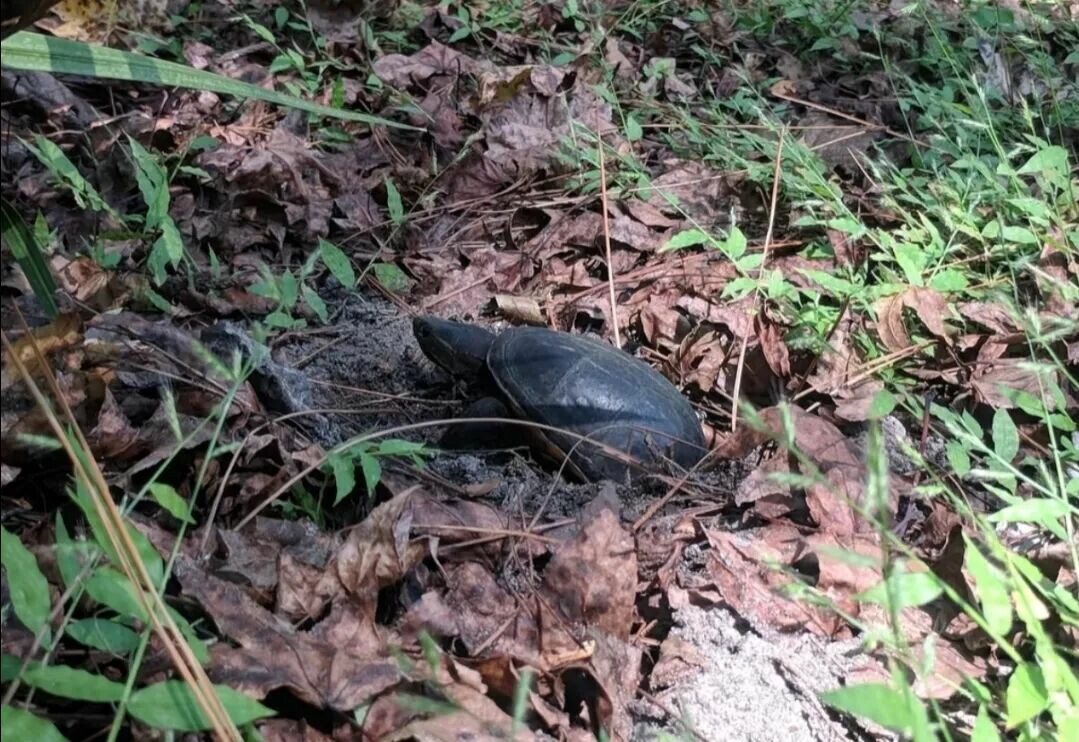
The Most Widely Distributed Egg Turtle
The Mississippi Musk Turtle (Common Musk Turtle) is the most widely distributed Egg Turtle. If subspecies are counted, it would be the Eastern Mud Turtle (including the Striped Mud Turtle), but among pure species, the Musk Turtle "sits firmly in first place." It ranges north to southern Ontario in Canada, south to Florida in the USA, spanning across most of the Northeast to the Southwest United States.

The Least Widely Distributed Egg Turtle
The Vallarta Mud Turtle is the least distributed Egg Turtle, found only in small creeks and ponds around Puerto Vallarta, Mexico. Its distribution range is only 1/15,000th of the widely distributed Mississippi Musk Turtle, and it has been listed in CITES (Convention on International Trade in Endangered Species of Wild Fauna and Flora) Appendix I, making it more endangered than the giant panda.
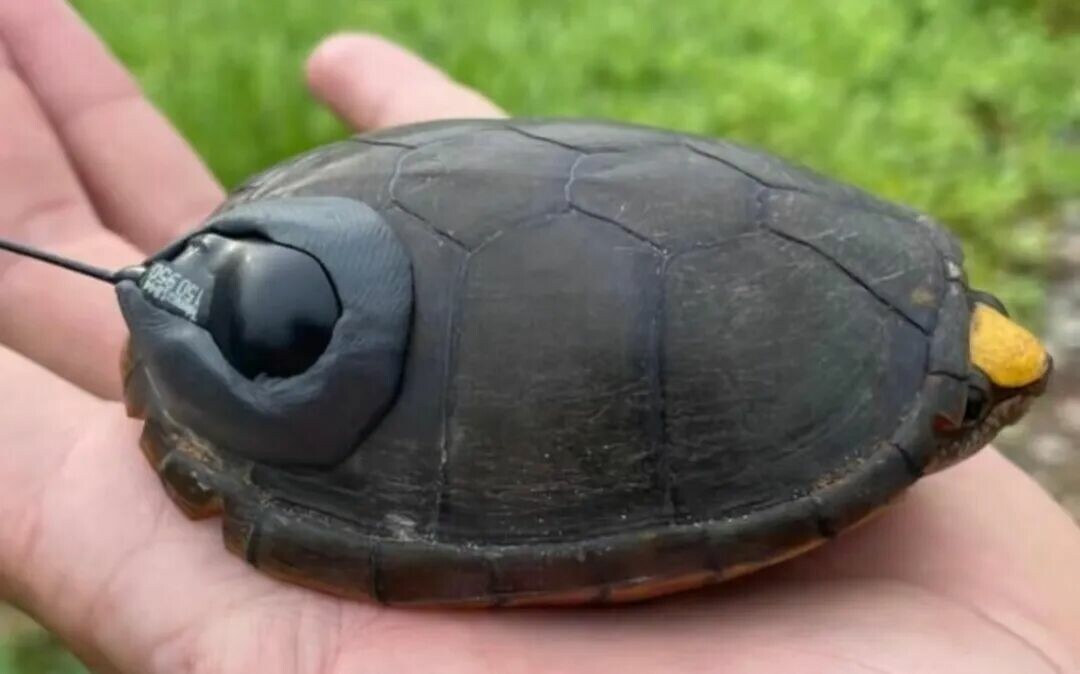
The Egg Turtle with the Most Subspecies
The Rough-footed Mud Turtle possesses a full 5 subspecies, "unmatched" among Egg Turtles. They are: the Nominate subspecies, Oaxaca subspecies, Chiapas subspecies, Jalisco subspecies, and Durango subspecies. These subspecies are all distributed in Mexico and are endemic Mexican Mud Turtles, with very obvious regional subspecies differentiation. Many people think the Eastern Mud Turtle has the most subspecies, but it actually only has 3 (Eastern, Striped/Mississippi, Florida). In older classifications, the Scorpion Mud Turtle once had 3 subspecies, but 2 have since been elevated to independent species.
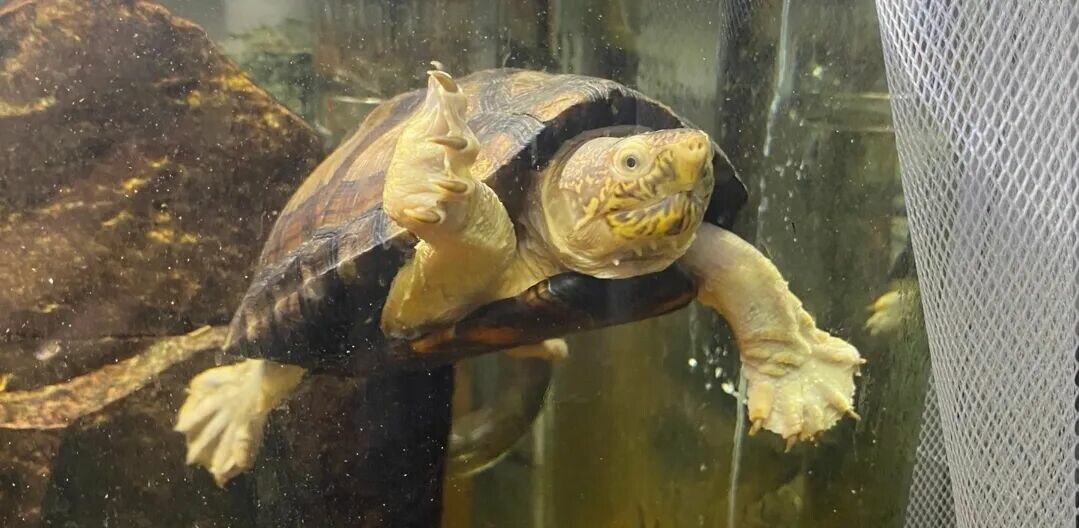
Annual Egg Production Record
Regarding the Egg Turtle with the highest annual egg production, I believe the Mexican Giant Musk Turtle, which lays 3~4 clutches annually with 8~20 eggs per clutch—an annual average of 40~60 eggs—is already a lot and should be number one. However, there is a rumor online that a hobbyist’s Narrow-bridged Musk Turtle laid over 100 eggs in a year. If true, then first place "belongs to no other." But the ordinary Narrow-bridged individuals I know of average 20 eggs per year. Of course, egg production mainly depends on husbandry, so I won’t make a definitive judgment.
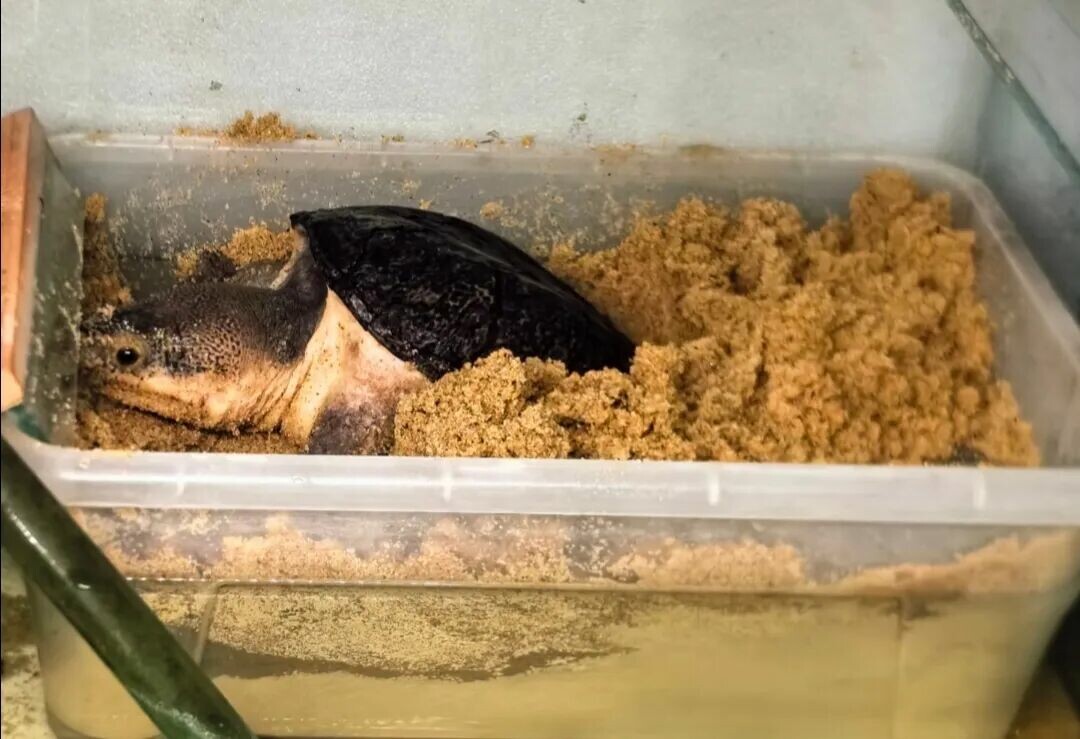
Shortest Egg-Laying Cycle
The Tabasco Mud Turtle can be called the "model worker" of laying among Egg Turtles, with an interval of 15~20 days per clutch and 9~10 clutches per year, a cycle that "crushes" most turtle species. Of course, a short cycle does not equal more eggs; the Tabasco Mud Turtle only lays 1~3 eggs per clutch, winning on frequency. The Mexican Giant Musk Turtle has a large clutch size but a long cycle. Among common household turtles, the cycle of Egg Turtles is generally shorter than that of aquatic and semi-aquatic turtles.
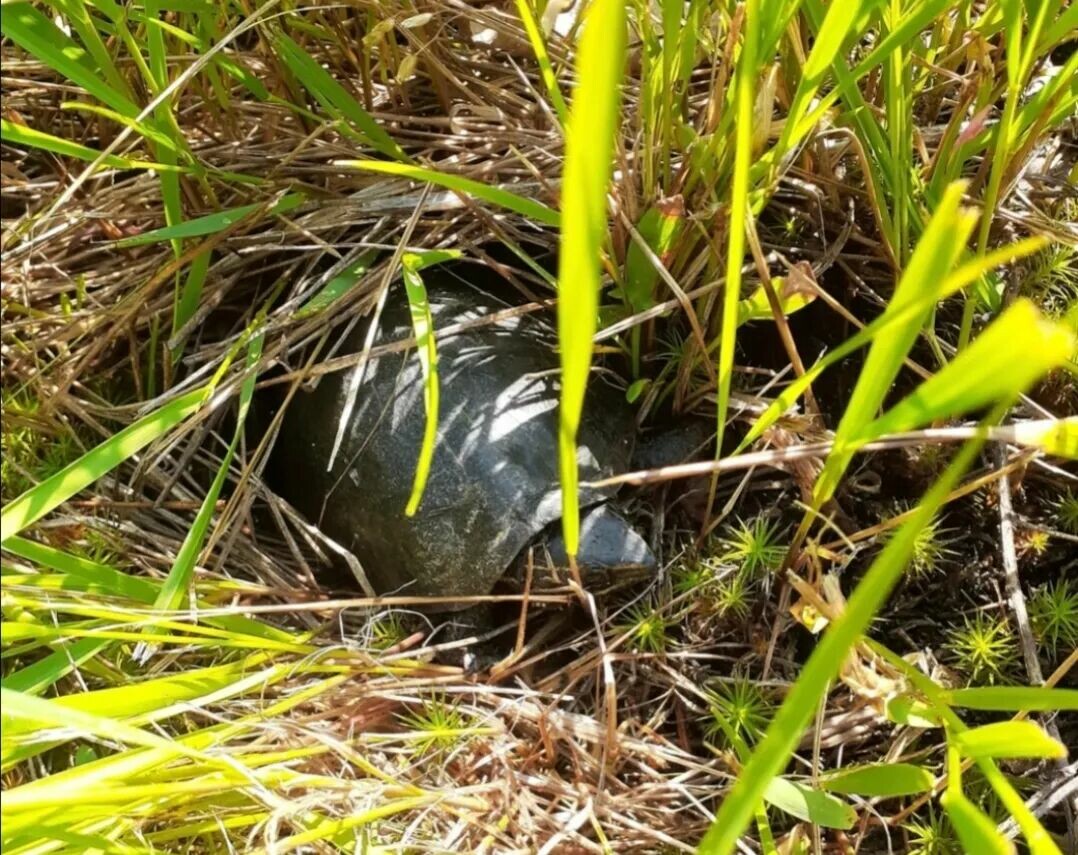
King of Egg Turtles
The Narrow-bridged Musk Turtle is the recognized "King of Egg Turtles." Its Latin scientific name implies the meaning of "tyrant," so it is also called the "Tyrant in the Water." In reality, it has good interactivity and is very fierce.

The Three Giant Eggs
The Three Giant Eggs: Narrow-bridged Musk Turtle, Mexican Giant Musk Turtle, and Salvin’s Musk Turtle.
More Little Facts About Egg Turtles
The largest Egg Turtle is the Mexican Giant Musk Turtle, with a carapace reaching up to 40.2 cm (approx. 15.8 in); the smallest Egg Turtle is the Vallarta Mud Turtle, with a maximum adult carapace of only 10.2 cm (approx. 4 in). The cheapest Egg Turtle is the Musk Turtle (Common Musk), although domestic Red-cheeked Mud Turtles are also very cheap now, with common mass-market hatchlings all being under 100 yuan. The longest-lived Egg Turtle is that 54-year-old turtle in the Philadelphia Zoo. Can everyone guess which is the most recently named and discovered Egg Turtle?
Original article by 搬运工, if reproduced, please cite the source: https://www.kaipet.com/en/complete-encyclopedia-egg-turtles-revealing-31-cold-facts-egg-turtles