

Does your bird talk? In China, many pet owners dream of owning a parrot that can interact and speak. Parrots **can mimic human voices and even learn simple vocabulary**, which is why many people decide to raise birds. But not every parrot can open its mouth to speak, and learning progress varies from bird to bird.
This article compiles a ranking of the smartest and best-talking parrots common in China, analyzing everything from mimicry ability, learning speed, to vocabulary size, and provides selection and care tips to help you find the bird that suits you best.
Why Can Parrots Talk?
Parrots can mimic human voices mainly by relying on the throat and syrinx (the vocal organ of songbirds) to control the pitch and rhythm of sound, and by learning sound patterns through the vocal center of the brain. Parrots can understand simple contexts, such as the difference between "time to eat" and "come play."
IQ and Learning Ability
Parrots are one of the bird species with the highest IQs, **able to memorize vocabulary, understand commands, and express needs**. For example, learning "drink water" or "turn on the light" shows that parrots are not just simply mimicking, but actually understand semantics.
Factors Affecting Speaking Ability
- Breed: Differences in ability between breeds are significant.
- Age: Chicks learn fast, while adult birds require more patience.
- Interaction Frequency: If daily interaction is less than 1 hour, the speed of learning to talk will slow down.
- Environment: A quiet, well-lit environment is more conducive to learning.
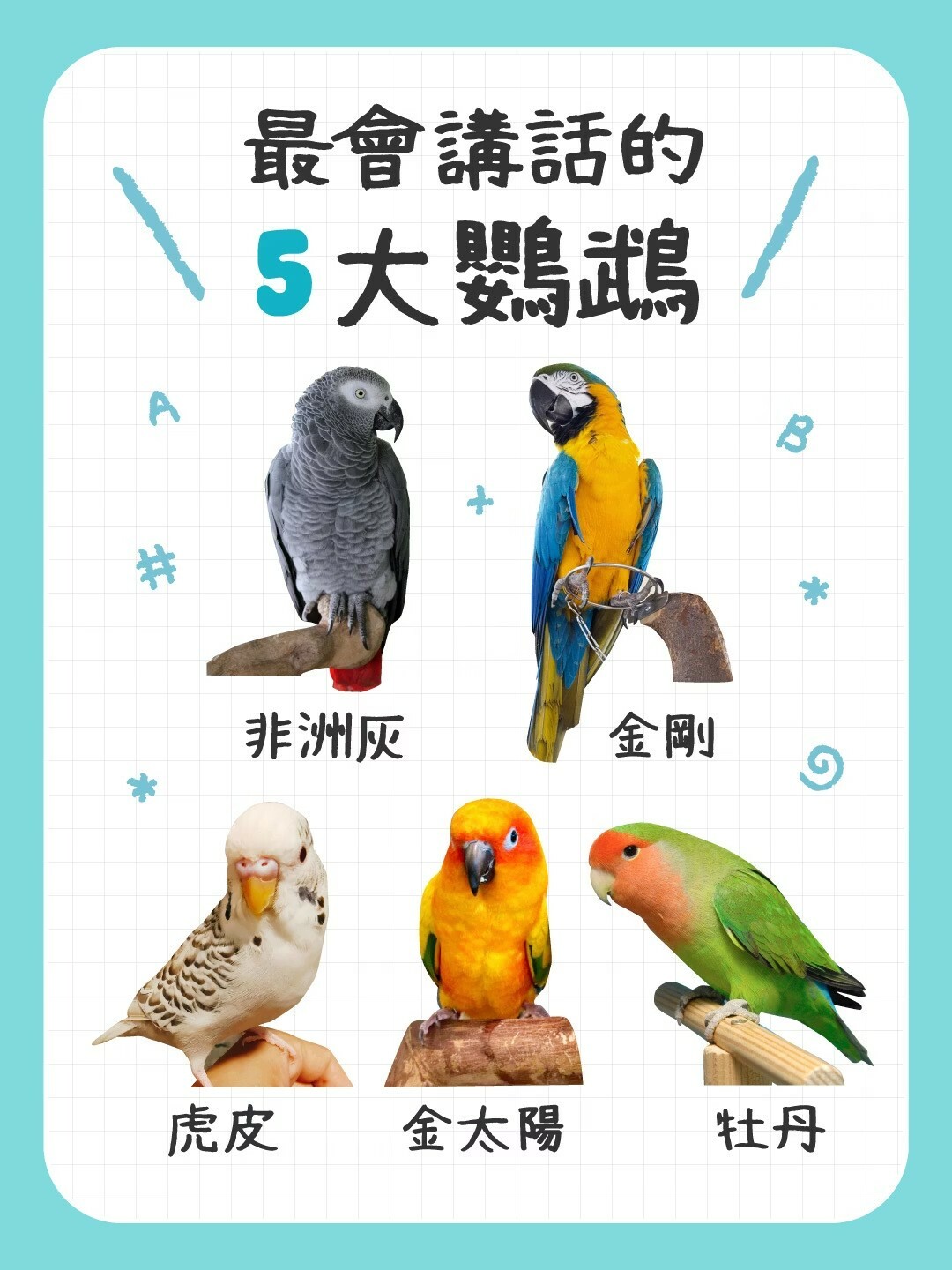
TOP 5 Ranking of Smartest and Best Talking Parrots Common in China
African Grey Parrot | Mimicry Genius
- Learning Speed: Extremely fast
- Vocabulary: 50-100 words, top individuals can reach over 200 words
- Personality Traits: Emotionally rich, highly dependent on interaction
Care Advice: Requires 1-2 hours of interaction daily.
The African Grey Parrot is one of the smart breeds most favored by bird lovers in China, **suitable for owners with some rearing experience**.
Blue-and-Yellow Macaw | Wisdom and Volume Combined
- Mimicry Ability: Excellent
- Learning Speed: Above average
- Vocabulary: 50-100 words
- Personality Traits: Lively, curious, loves interacting with people
Care Advice: Requires sufficient activity space and psychological stimulation; Blue-and-Yellow Macaws love exploring new things.
The Blue-and-Yellow Macaw is one of the common large parrots in China. It is **both smart and lively, making it the top choice for pet owners who enjoy interactive performances**.
Sun Conure | Lively and Extroverted
- Mimicry Ability: Above average
- Learning Speed: Fast
- Vocabulary: 30-50 words
- Personality Traits: Extroverted, curious, strong social skills
Care Advice: Need to provide abundant interactive toys and activity space.
The Sun Conure has bright colors and a fiery personality, and is **very popular in the domestic pet community**.
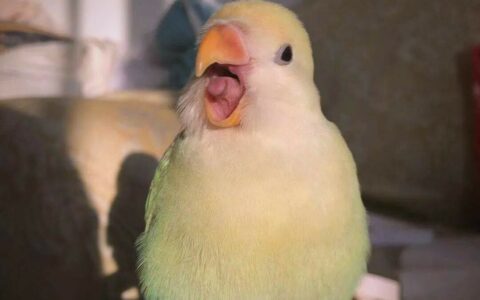
Lovebird | Fast Learning Speed
- Mimicry Ability: Above average
- Learning Speed: Fast
- Vocabulary: 30-70 words
- Personality Traits: Strong curiosity, likes interaction
Care Advice: Provide enough toys and maintain daily interaction.
Lovebirds are lively and curious, making them **common family pet birds in China**.
Budgerigar | Little Master of Simple Vocabulary
- Mimicry Ability: Medium
- Learning Speed: Medium
- Vocabulary: 10-30 words
- Personality Traits: Affectionate, relatively quiet
Care Advice: Suitable for raising in small spaces or for beginners getting started.
The Budgerigar is the most widespread parrot breed in China. Although their vocabulary is relatively small, they are **easy to get started with and very suitable for novices**.
Busting Myths: Not Every Parrot Can Talk
- Breed Differences: African Greys, Blue-and-Yellow Macaws, and Green-cheeked Conures learn relatively fast, while Budgies and Lovebirds might only master simple vocabulary.
- Age Factor: Chicks have high learning efficiency, while adult birds require more patient guidance.
- Personality Influence: Introverted, timid birds usually have a lower willingness to learn.
- Environmental Influence: If the bird feels lonely or lacks stimulation, learning results will deteriorate.
Small Tips to Improve Parrot Speaking Success Rate
- Train for a fixed 10-20 minutes daily.
- Use simple vocabulary or short phrases to guide them repeatedly.
- Pair with a reward mechanism (such as snacks, petting).
- Maintain patience; emotional scolding is strictly forbidden.
A talking parrot is not just mimicking sounds, but also **building a bridge of emotion between human and bird**. Hopefully, this ranking helps you find the smart parrot that suits you best, and allows your beloved bird to happily learn new vocabulary.
Original article by 搬运工, if reproduced, please cite the source: https://www.kaipet.com/en/ranking-talking-parrots-5-highly-intelligent-breeds-recommended







Comments(1)
So interesting that parrots understand semantics! What are some amazing examples of your bird truly expressing needs, not just mimicking?