

When a furry little head tilts to look at you, and rainbow-like feathers shine in the sunlight, who can refuse the charm of a parrot? But please note, not all beautiful parrots can become your family companions. Today, we will guide you to recognize the boundaries between legal and illegal, so you can enjoy the pleasure of raising parrots with peace of mind!
Green Light: The “Three Treasures” You Can Raise Safely Without a Permit
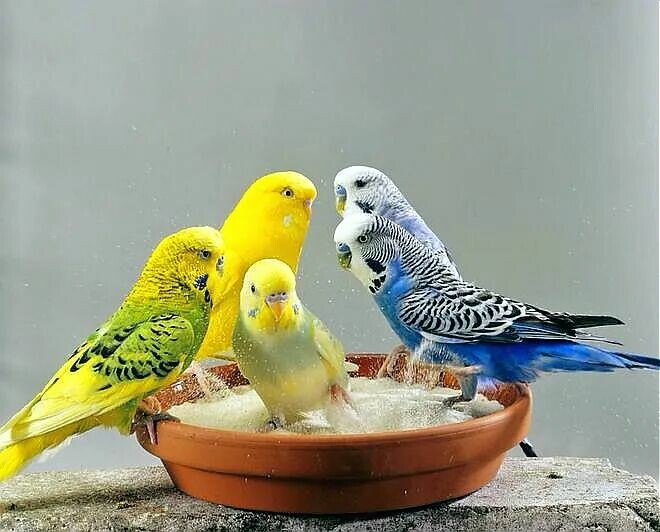
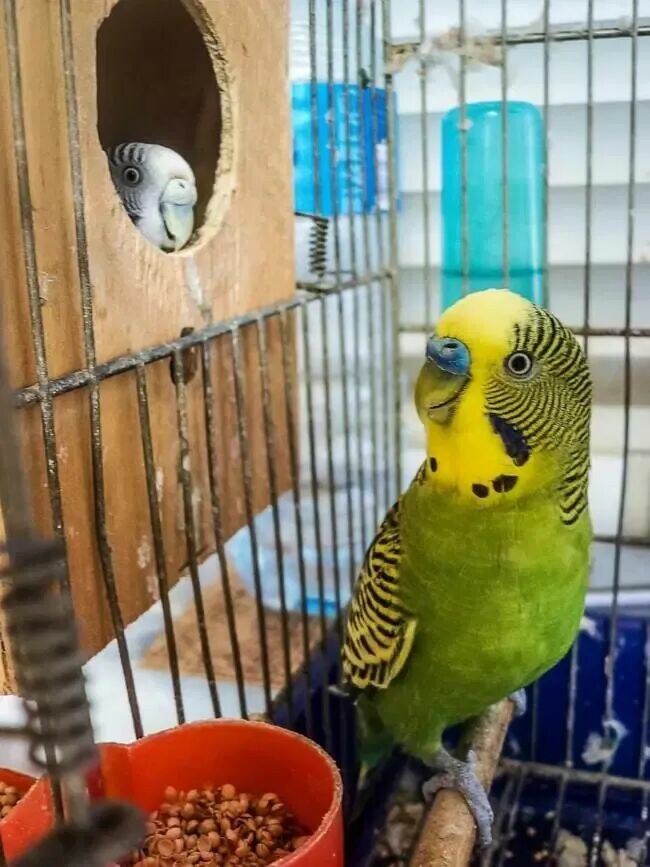
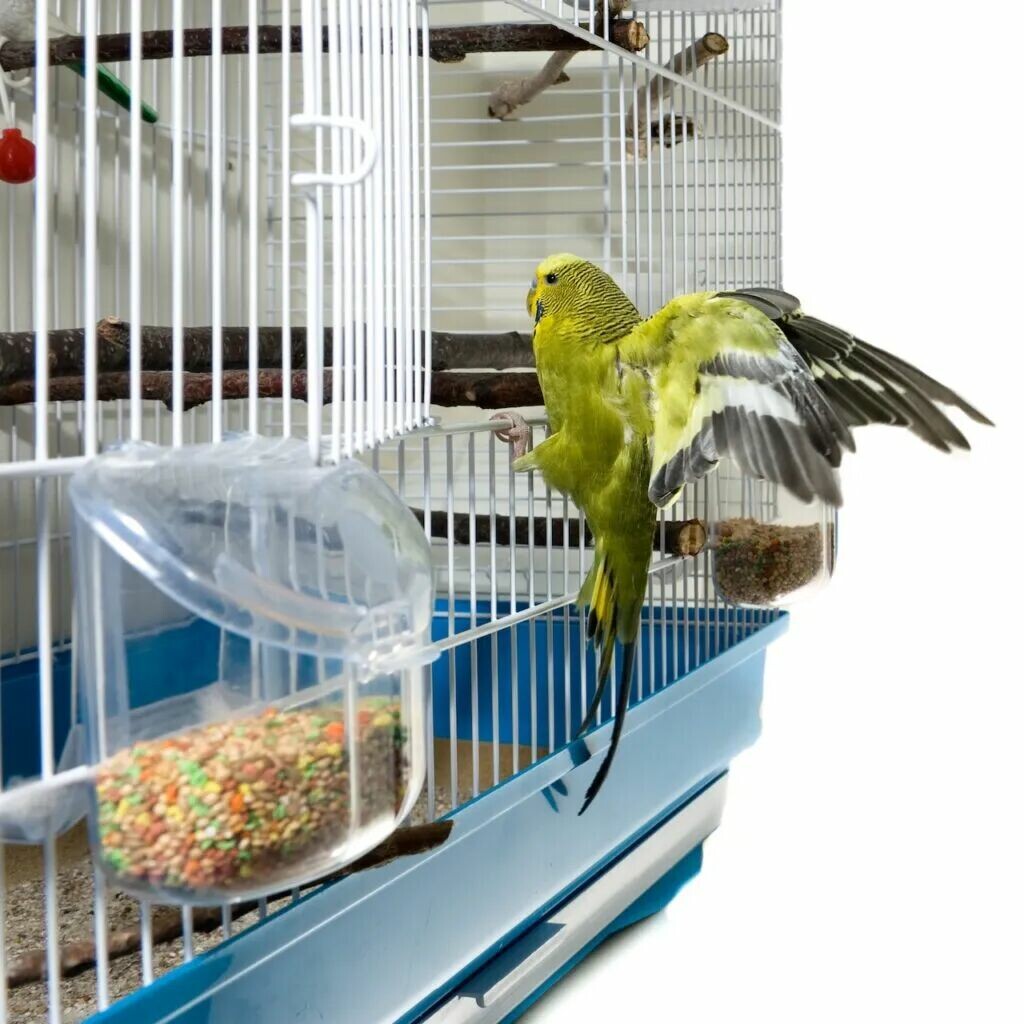
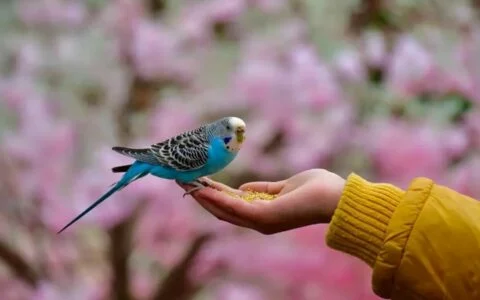
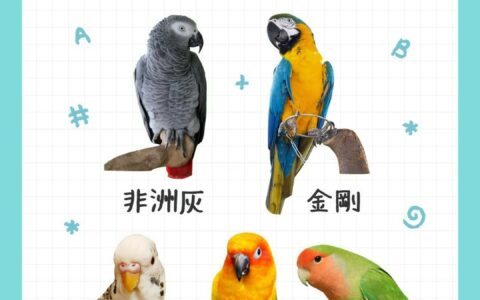
Budgerigar (Budgie): Petite in size, active and energetic, with a crisp chirp. Their colors are extremely rich (blue, green, yellow, white, grey, etc.). The spots on their cheeks and their small beaks are their trademarks. The easiest choice for beginners! Varieties are divided into “Big Head” (Exhibition type) and “Little Tiger” (Pet type) based on body size.
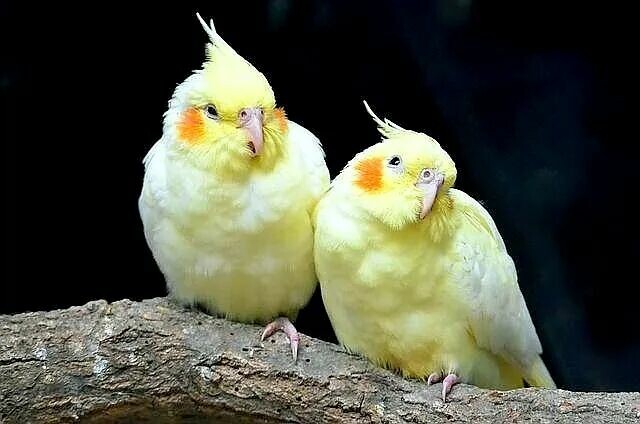
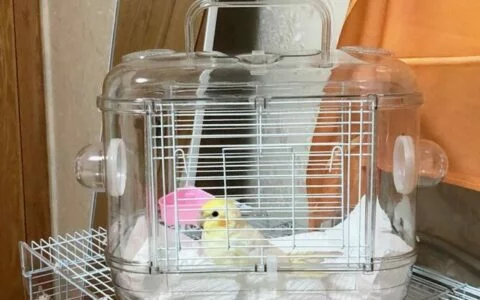
Cockatiel (Weiro): A medium-sized parrot, possessing an iconic upright crest and striking circular orange blush on their cheeks (common variety). There are varieties such as red-faced, white-faced, yellow-faced, and gold-crested. Their temperament is relatively docile and quiet; males are good at learning whistles and can learn to speak.
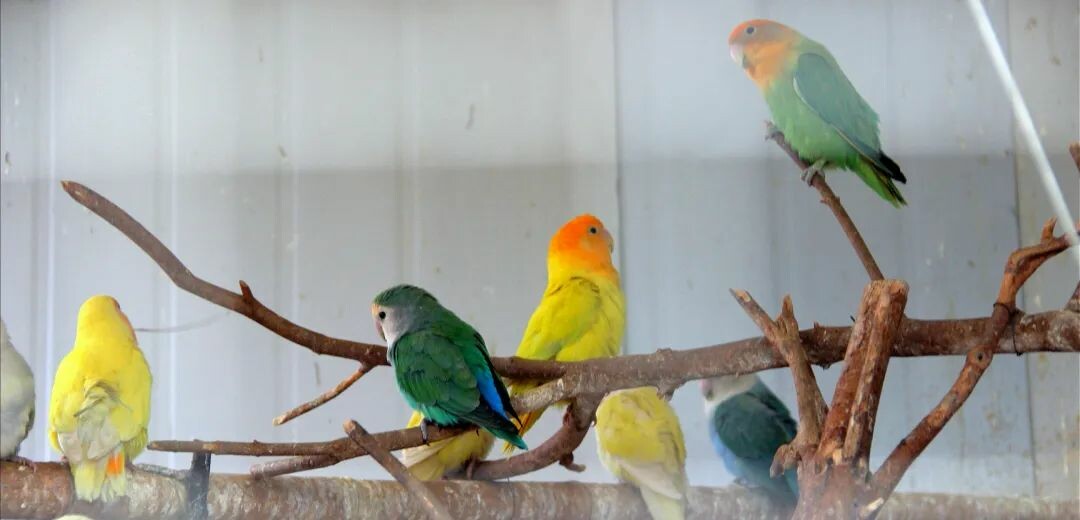
Peach-faced (Pink-faced) Lovebird (Face-type Lovebird): A small parrot with a rounded body. There is no prominent white eye-ring above the beak (distinguishing it from the illegal Fischer’s Lovebird variety). Varieties include red-faced, gold-faced, and white-faced (Sea Green). They are active and energetic, often raised in pairs.
Key Tip: The above 3 types are currently the only pet parrot species in China that can be freely traded and raised nationwide without the need to obtain any administrative license. Please recognize their characteristics!
Yellow Light Zone: Pilot Areas, Marked, License Required!
Currently, in some pilot cities or regions (specifics need to be checked with the latest announcements from the local forestry department), identification management pilots for the following 4 types of parrots have been opened. This means:
- You need to apply for and obtain the “National Key Protected Wildlife Artificial Breeding License”.
- The parrot you purchase must bear a unique identification mark issued by the state (such as a leg band).
- Private breeding and trading are strictly prohibited!
Pilot Species
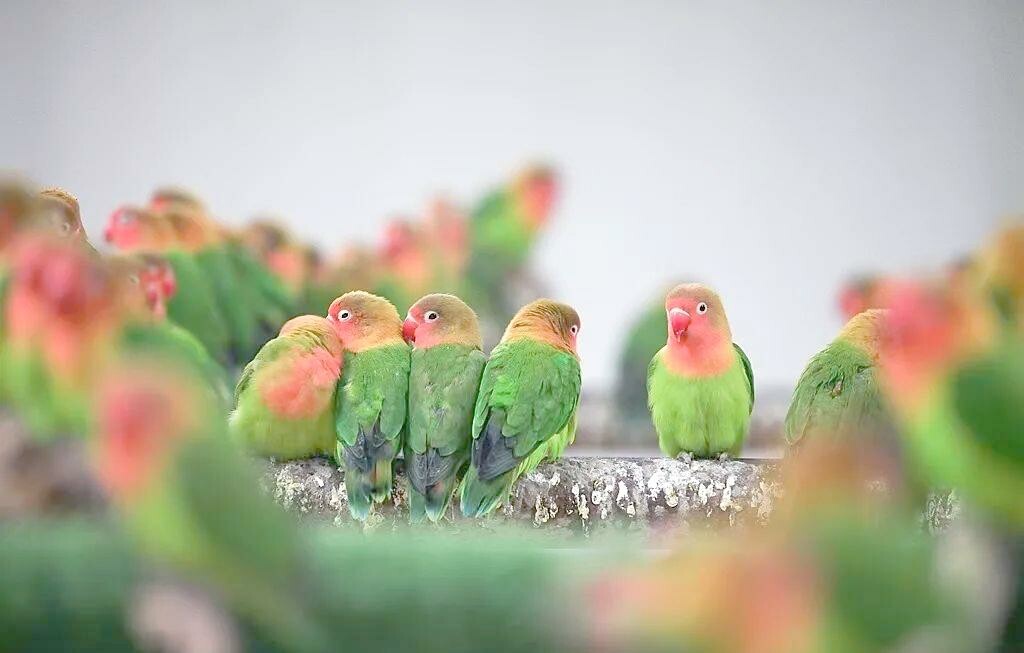
Fischer’s Lovebird (Agapornis fischeri): A small parrot. The biggest difference from Face-type Lovebirds is a thick, wide white ring around the eyes. The beak is generally bright red or flesh-colored (like the common Brown-headed Lovebird). Their voice is piercing, and they love to make noise a bit more than Face-type Lovebirds.
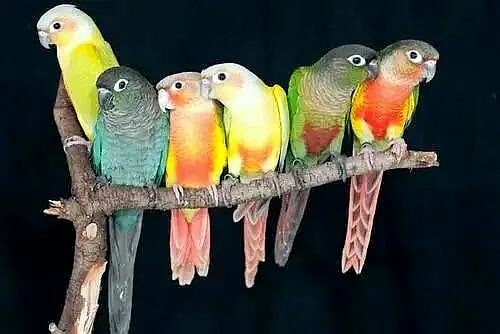
Green-cheeked Conure (Green-cheeked Parakeet): A small-to-medium Conure, with a slender, tapered tail. The original species typically has grey-green cheeks and dark red feathers on the inner side of the tail (visible during flight). There are now many mutations: Yellow-sided, Pineapple, Cinnamon, Suncheek, Turquoise (Blue), Mooncheek, etc. Their personality is active and affectionate.
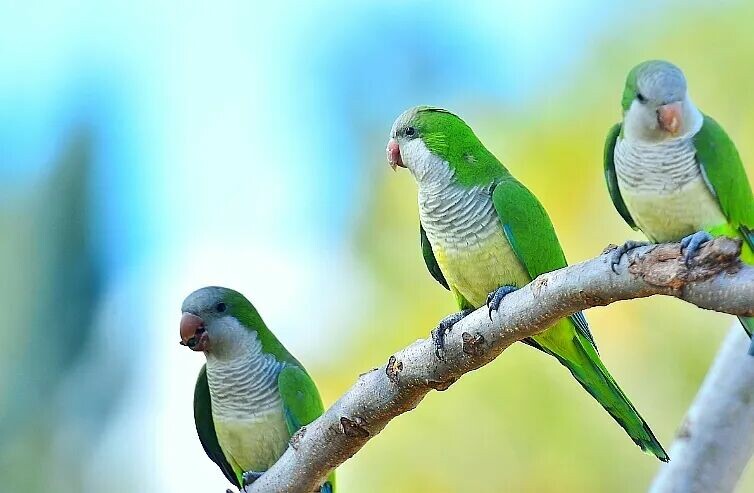
Monk Parakeet (Quaker Parrot): A medium-sized parrot. The original species is bright green throughout, with a greyish-white chest and abdomen. The beak is fleshy pink. Famous for their unique habit of “building large communal nests.”
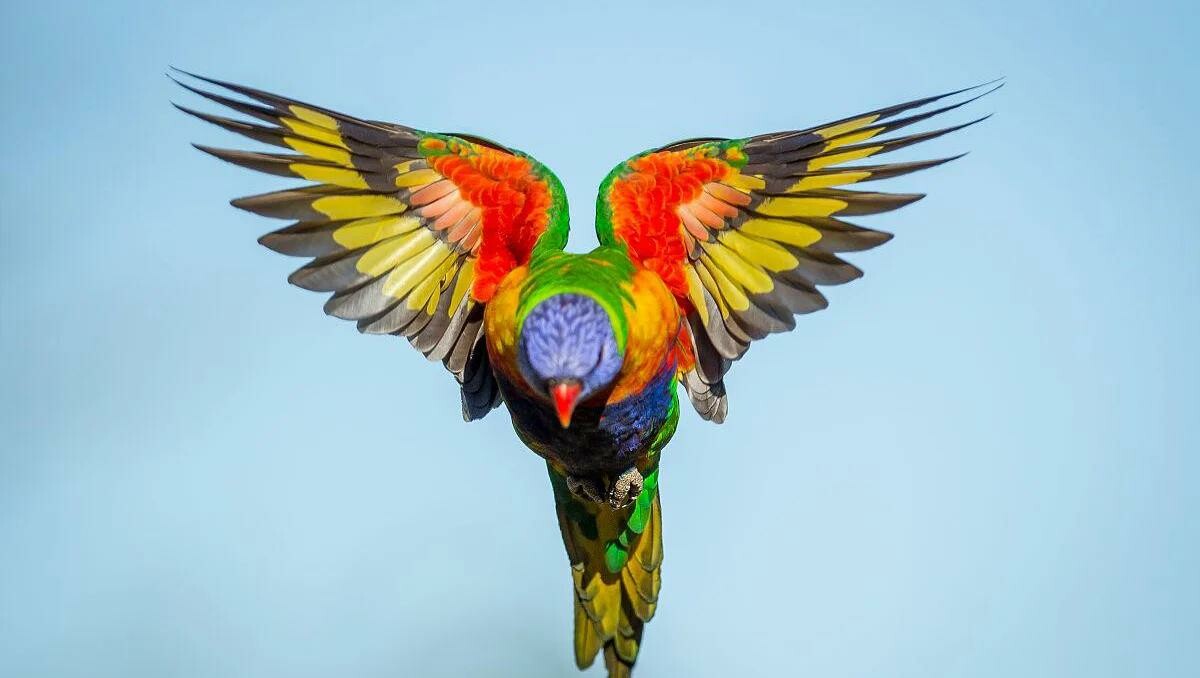
Lory / Lorikeet: Colorful and flamboyant in appearance, small-to-medium parrots. They mainly feed on pollen and nectar (preferring coconut flowers), soft fruits, etc. Artificially raised Lories can be fed corn mush, apples, sugarcane, etc., and Lory powder if conditions permit.
Important Warning: Pilot policies have regional restrictions and may be adjusted dynamically. To raise these 4 types of parrots, you must first confirm whether your area falls within the pilot scope and handle all prescribed certificates and identification marks in accordance with the law! Raising them without a license or without identification is illegal!
Absolute Forbidden Zone: The Legal Red Line, Do Not Touch!
Except for the above varieties, the vast majority of parrots belong to the National Key Protected Wildlife (Level 1 or Level 2)! Private purchase, breeding, transportation, and trading all constitute criminal offenses! Common “prison birds” (referring to parrots whose illegal ownership can lead to severe legal consequences) include:
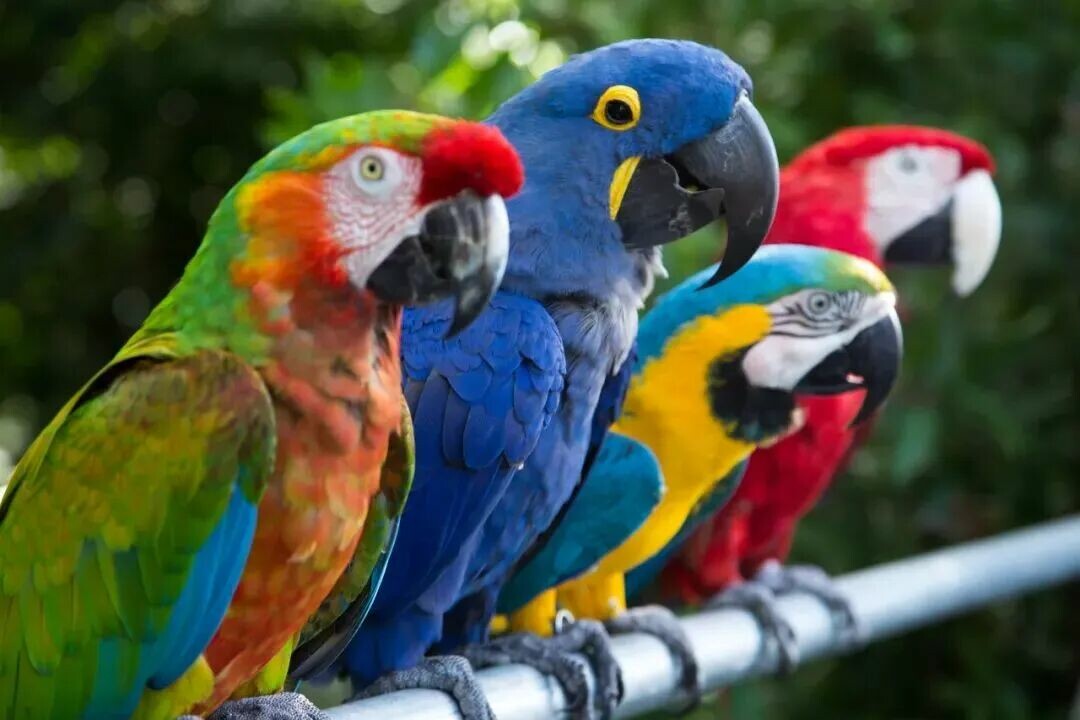
All Large Parrots
- Macaws (Blue-and-yellow Macaw, Scarlet Macaw, etc.)
- Sulphur-crested Cockatoos
- Eclectus Parrots
- African Grey Parrots (Nickname: Grey Plane). They usually have a large body, long lifespan, and high intelligence, but therefore are more strictly protected by law.
All Raptor-like Parrots
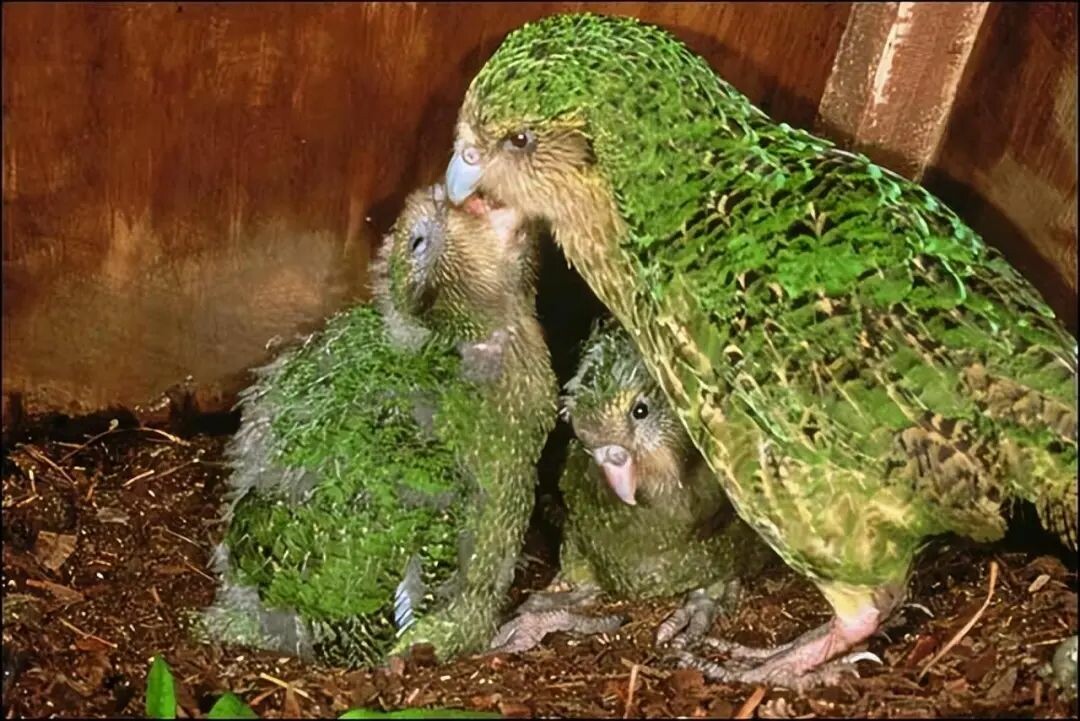
- Kakapo (Though uncommon, they are critically endangered).
Other Small and Medium Protected Parrots
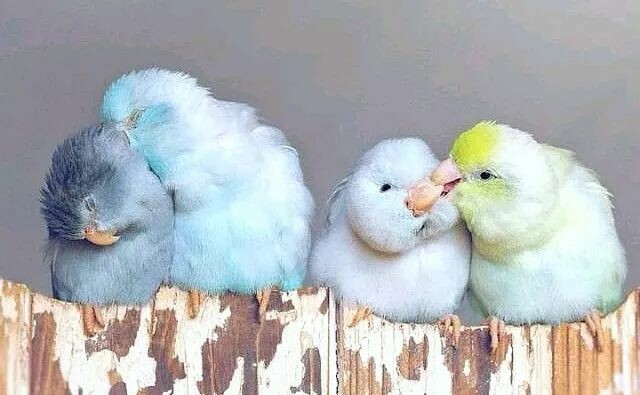
- Pacific Parrotlet
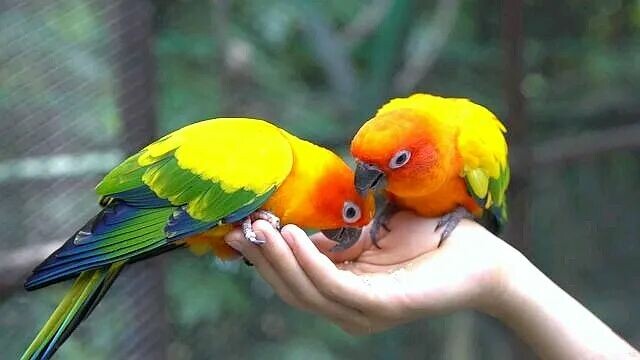
- Sun Conure
- Amazon Parrots
- Red-breasted Parakeet
- Alexandrine Parakeet
Legal Reality: Showing off online, private trading, and buying or selling under the guise of “hobbyist exchange” are all illegal acts. Law enforcement agencies track online information, and once caught, penalties range from confiscation of parrots and heavy fines to criminal punishment (imprisonment)! Parrots with unknown sources or raised without licenses cannot have their welfare guaranteed and are more likely to spread diseases.
Protect the Birds, Protect Yourself: Please Remember the “Three No’s” Principle
- No Novelty Seeking: Do not be tempted by rare, large, or talking parrots; legal breeds are equally smart and cute.
- No Gullibility: Be wary of sellers’claims of “home-bred”or “special channels,” and strictly verify the legality of the species and required certificates.
- No Taking Chances: There is no room for luck before the law; do not test the red line.
Choosing legal breeds and raising them according to laws and regulations is the greatest responsibility for the parrot’s life, and also protection for yourself and your family. Let us jointly protect these beautiful spirits and enjoy the wonderful time accompanied by parrots within the framework of law and love!
Original article by 搬运工, if reproduced, please cite the source: https://www.kaipet.com/en/legal-parrot-species-ownership-3-types-raised-permit




Comments(1)
I loved this guide! For beginners, what’s the key advice when choosing one of the three legal parrot types?