

A roundup of 9 turtle species with incredibly strong cold resistance; the survival wisdom of these turtles is far beyond your imagination! Winter is here; is your turtle shivering or sleeping soundly in hibernation? Some turtles can even sleep on the bottom of ice-covered rivers for 150 days and wake up full of vitality. The survival wisdom of these turtles is far beyond your imagination!
Painted Turtle (Chrysemys picta)
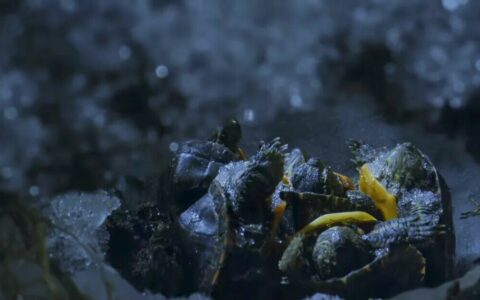
They can be said to have a legendary level of freeze resistance. While ordinary freshwater turtles can only last 20-50 days underwater, Painted Turtles can stay underwater in deep winter for 100-150 days. Even more miraculously, research has found that hatchling Painted Turtles will enter a “state of suspended animation” in cold environments: the heart stops beating completely, and only the brain maintains faint fluctuations. This extreme energy-saving mode enables them to survive long winters in freezing environments and “resurrect” when spring comes.
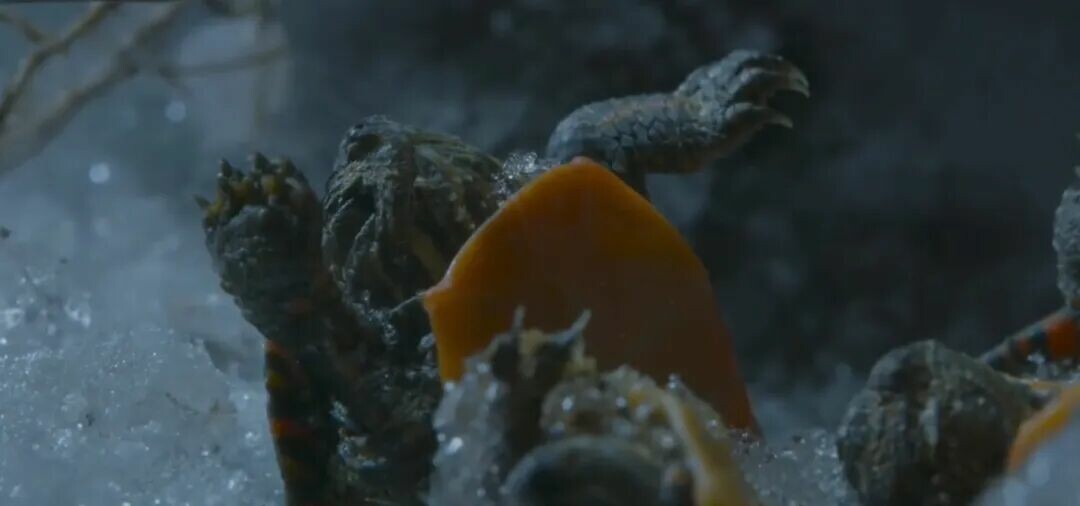
European Pond Turtle
The European Pond Turtle is hailed as the king of cold-water turtles and is the most widely distributed turtle species in Europe. This turtle hibernates naturally in its place of origin, only gradually entering hibernation when the temperature drops to as low as 5 degrees. Even if the water surface freezes, as long as the bottom does not freeze, they can survive the winter safely. Even in low-temperature environments, European Pond Turtles may still maintain a certain state of activity, demonstrating their excellent adaptability to the cold.
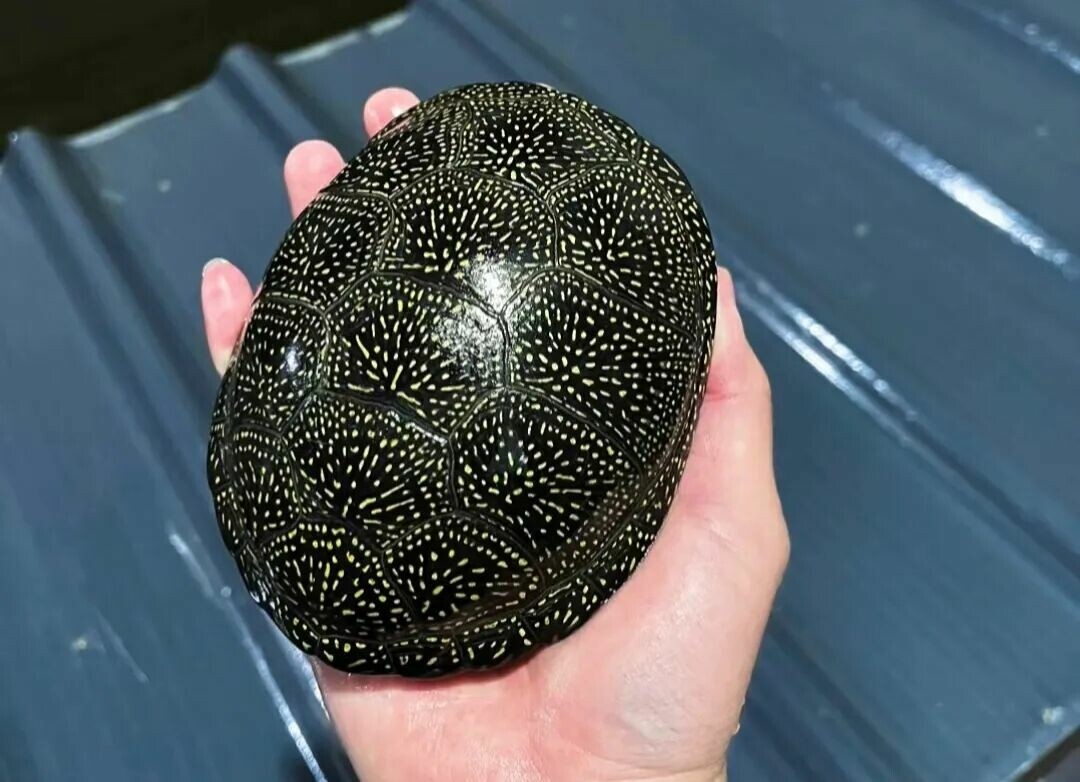
Wood Turtle
Distributed in the United States and Canada. The Wood Turtle has a strong tolerance for cold and can remain active even in water temperatures of 5 degrees Celsius, but usually will only eat when the temperature is above 15 degrees Celsius. They will hibernate when temperatures fall below 5 degrees, sometimes burrowing into the mud at the bottom of the river to pass the winter.

Spotted Turtle
Also native to the United States and Canada, belonging to the relatively cold-hardy turtle species. They can survive the winter safely at the bottom of the water above 3 degrees, demonstrating an extremely strong ability to adapt to low temperatures.
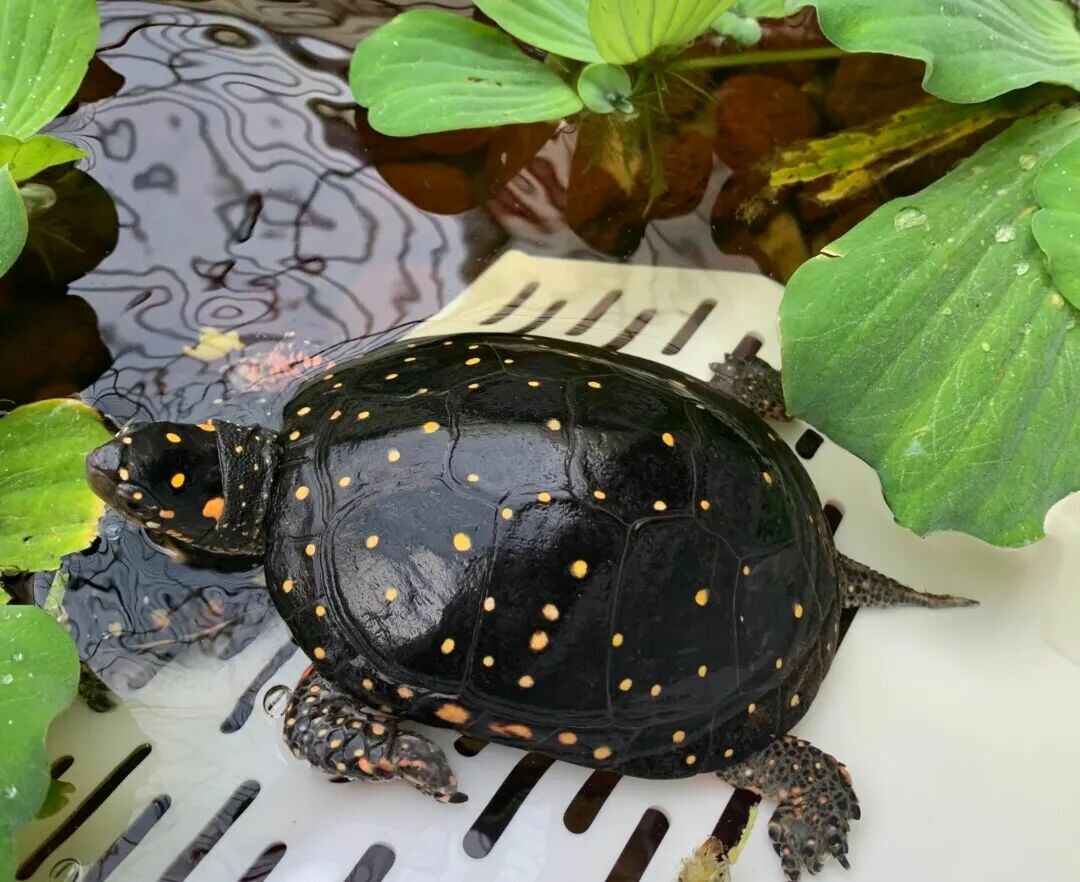
Blanding’s Turtle
This is also a very cold-hardy variety, native to Canada and distributed southward to the United States. In their place of origin, they will hibernate naturally, only entering a state of hibernation when temperatures drop below 10 degrees; the cold resistance of this turtle enables them to thrive and multiply in colder regions.

Mississippi Musk Turtle
The Mississippi Musk Turtle (a turtle of the genus Sternotherus in the family Kinosternidae) is mainly distributed from southern Canada and the northeastern United States to the southeastern United States. It is a turtle species with considerably broad adaptability to temperature; when the temperature drops below 20 degrees, they will stop eating; below 15 degrees, they will burrow into the pond bottom to begin hibernation, and enter a state of deep hibernation at around 8 degrees.
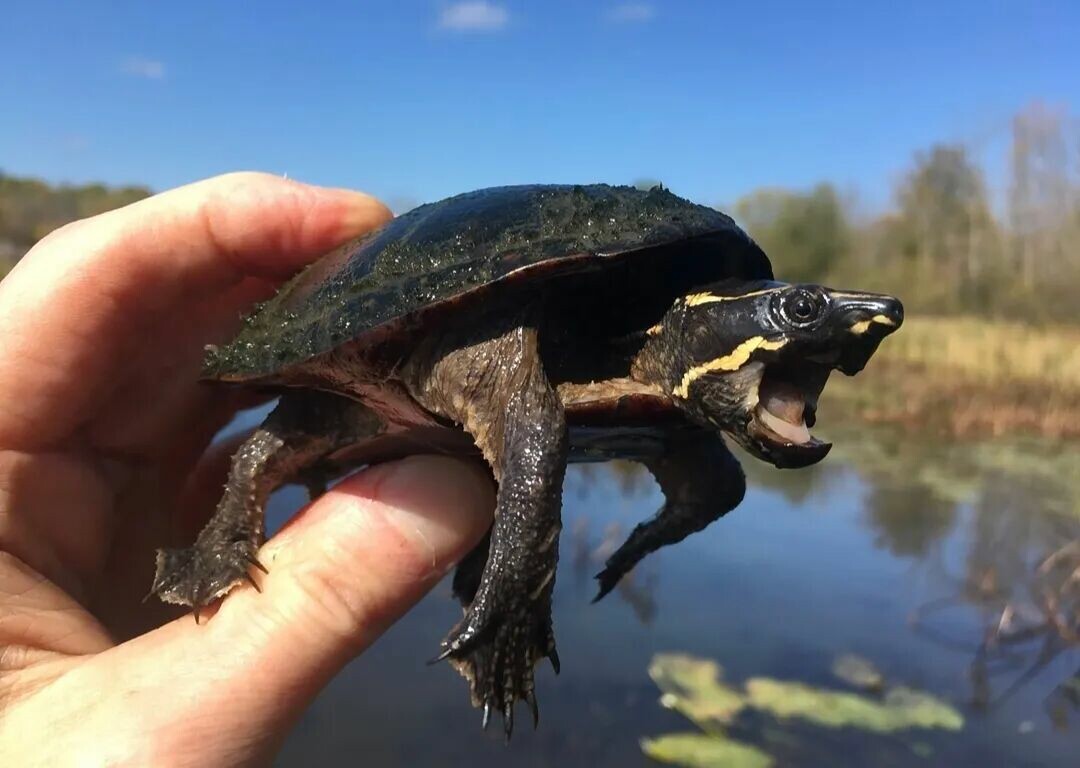
Japanese Pond Turtle
Widely distributed across the main islands of Japan, belonging to the relatively cold-hardy varieties. When the temperature is above 20 degrees, Japanese Pond Turtles are very active; when below 15 degrees, although they stop eating, they still remain vital, and as long as there is sun, they will gather in groups on the shore to sunbathe, demonstrating good adaptability to the cold.
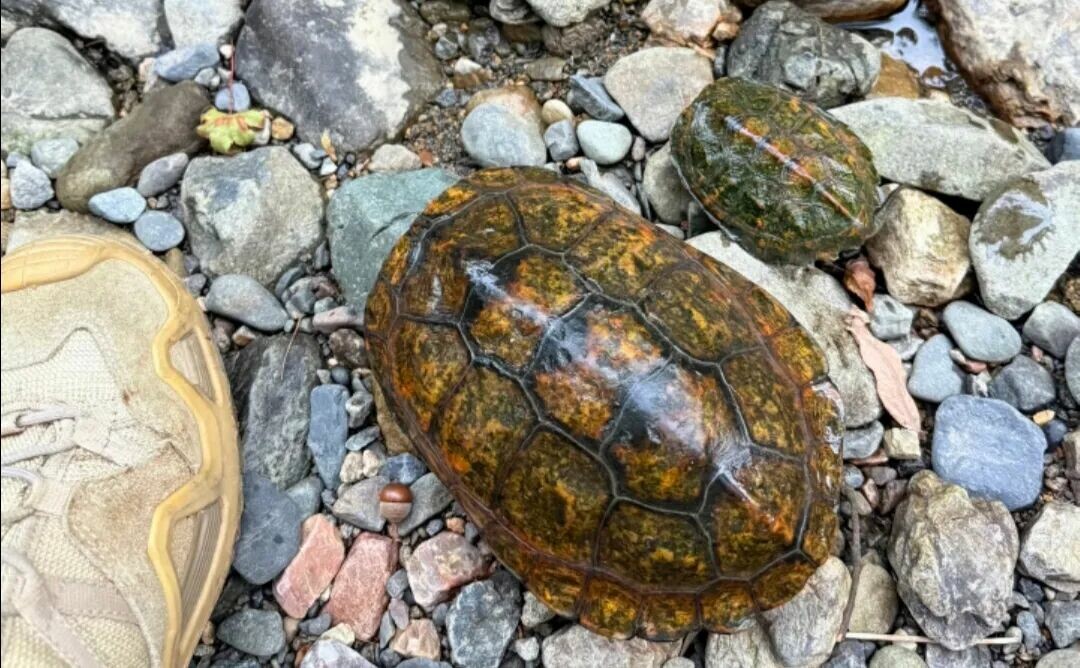
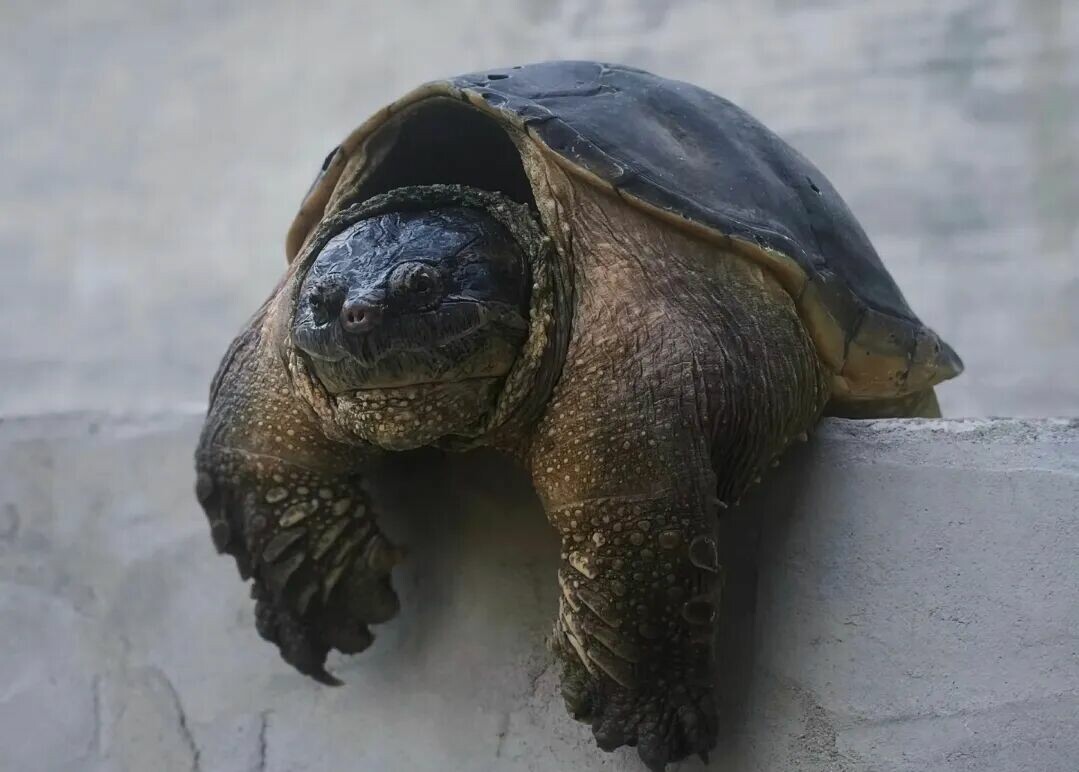
North American Snapping Turtle
The North American Snapping Turtle (a turtle of the genus Chelydra in the family Chelydridae) is mainly distributed in Canada and the United States and is a turtle species that can hibernate naturally. They generally begin hibernation below 15 degrees, and won’t freeze to death and can survive the winter safely even in water at minus 5 degrees. However, in environments below 0 degrees, they are prone to suffering damage, so attention must be paid to protection.
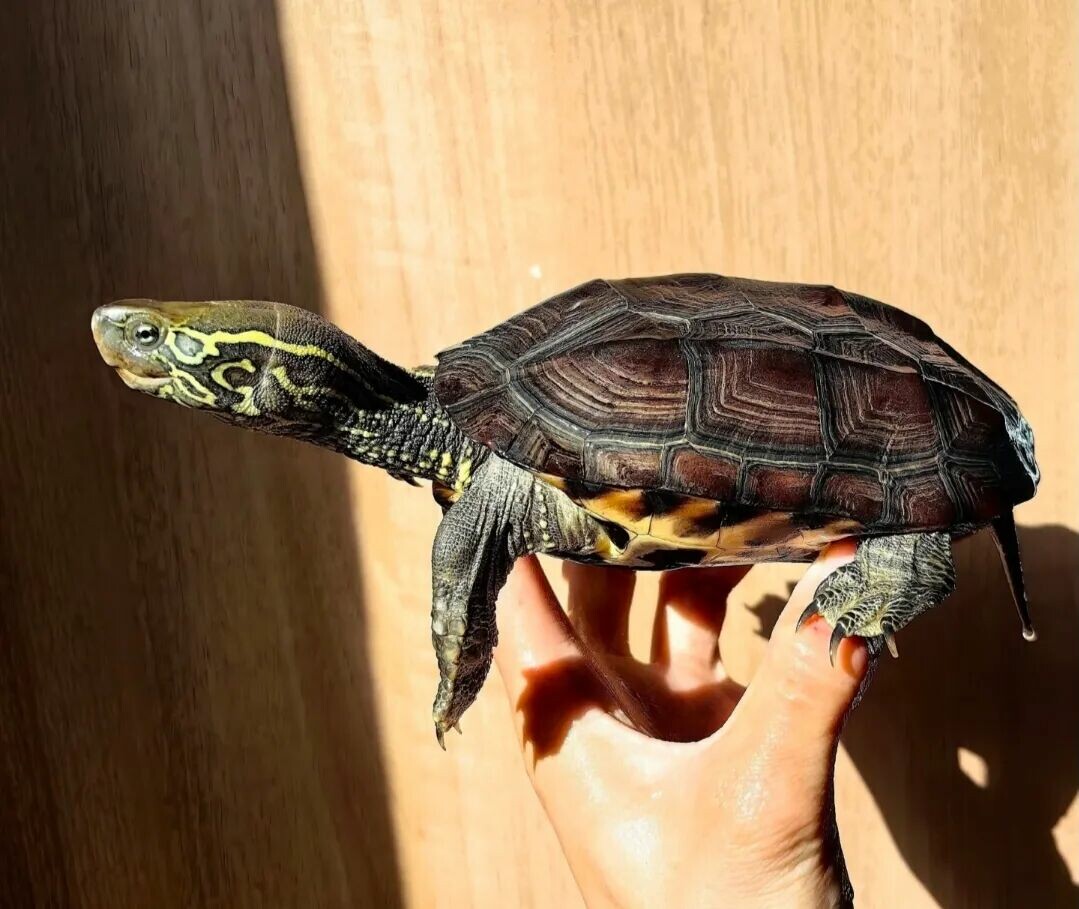
Chinese Pond Turtle (Reeves’ Turtle)
Widely distributed in China as well as North Korea, South Korea, and Japan. As the most widely distributed turtle species in China, its adaptability and degree of cold resistance naturally go without saying. The Chinese Pond Turtle begins hibernation at water temperatures around 10 degrees, and can crawl and eat when the water temperature is above 15 degrees.
Original article by 搬运工, if reproduced, please cite the source: https://www.kaipet.com/en/cold-hardy-turtle-breeds-roundup-9-turtles-arent-afraid-cold




Comments(1)
Wow, their cold resistance is amazing! For owners, what specific preparations do you make for these turtles to hibernate safely?