

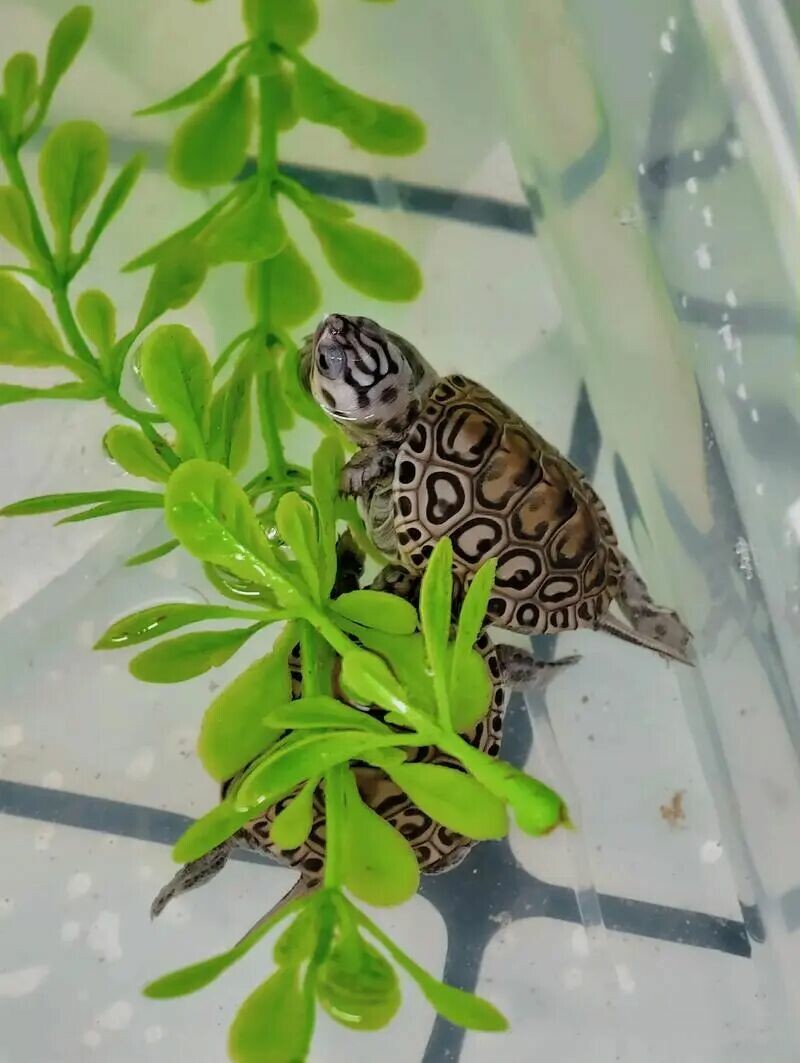
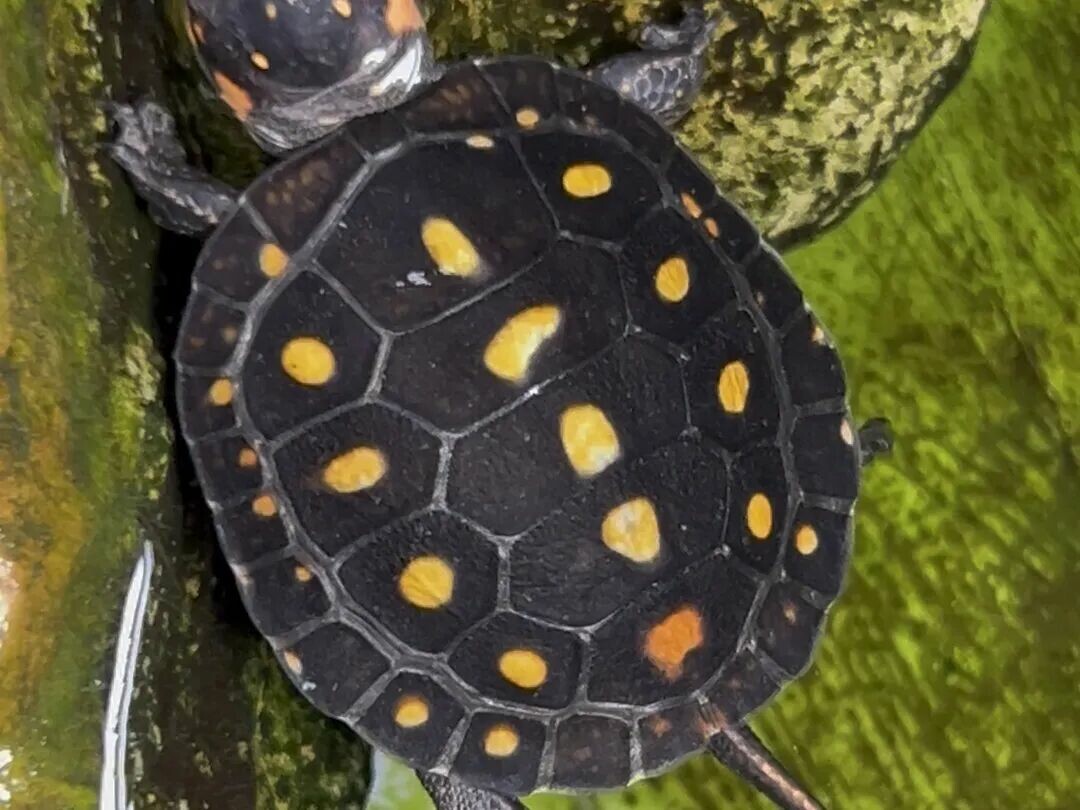
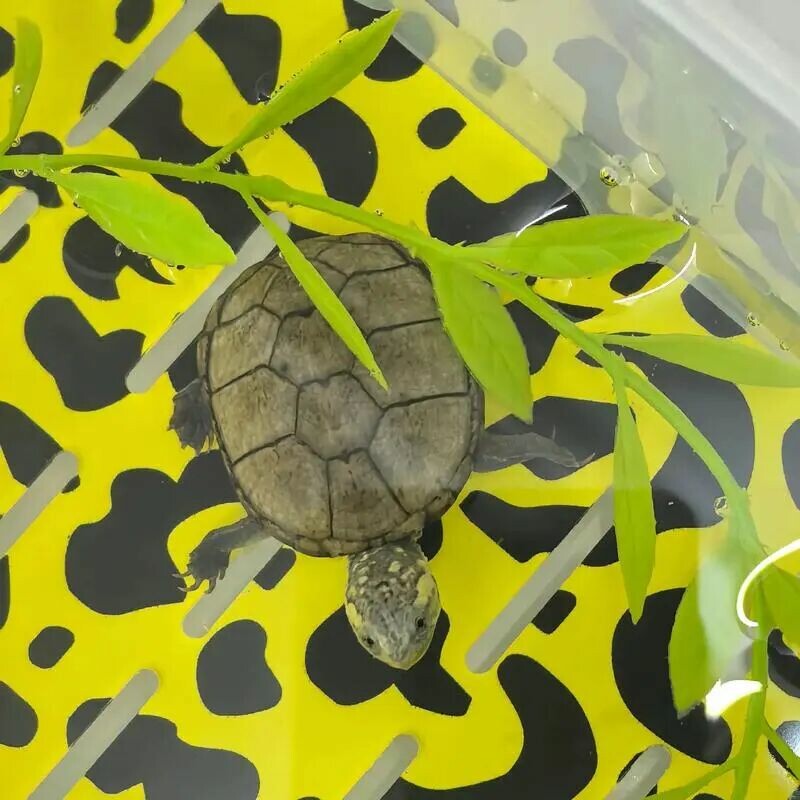
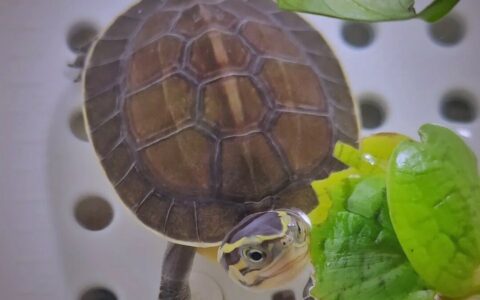
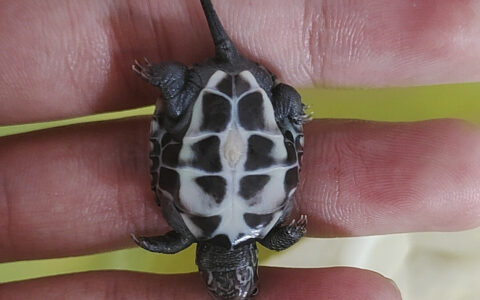
Recently, I saw a turtle enthusiast share their experience of buying turtle eggs, mentioning they were bought on “Pinduoduo” (Pinhaohuo, a mainstream domestic social e-commerce platform). Friends who frequently watch turtles instantly understood. The good news is that the egg did indeed hatch, and it wasn’t a fake egg. But barring any surprises, this is exactly when a surprise happens. The hatched turtle is severely deformed, and you can’t tell if it is an egg of the purchased variety.
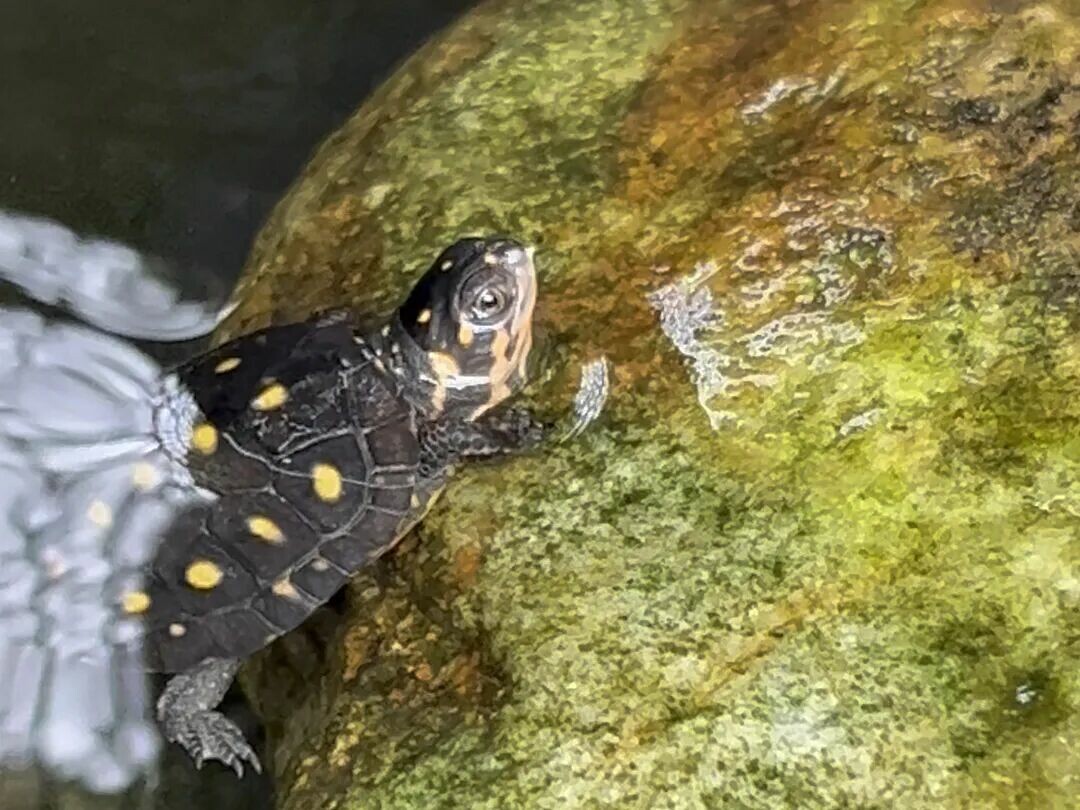
The enthusiast purchased Striped Mud Turtle (Kinosternon baurii, a small aquatic turtle of the family Kinosternidae and genus Kinosternon, native to North America) eggs, but what hatched cannot be fully identified as that variety. Furthermore, during after-sales service, customer service said the after-sales time limit had passed, making rights protection difficult. Isn’t this just a direct waste? And it doesn’t rule out that this is a merchant’s “egg-selling tactic.”
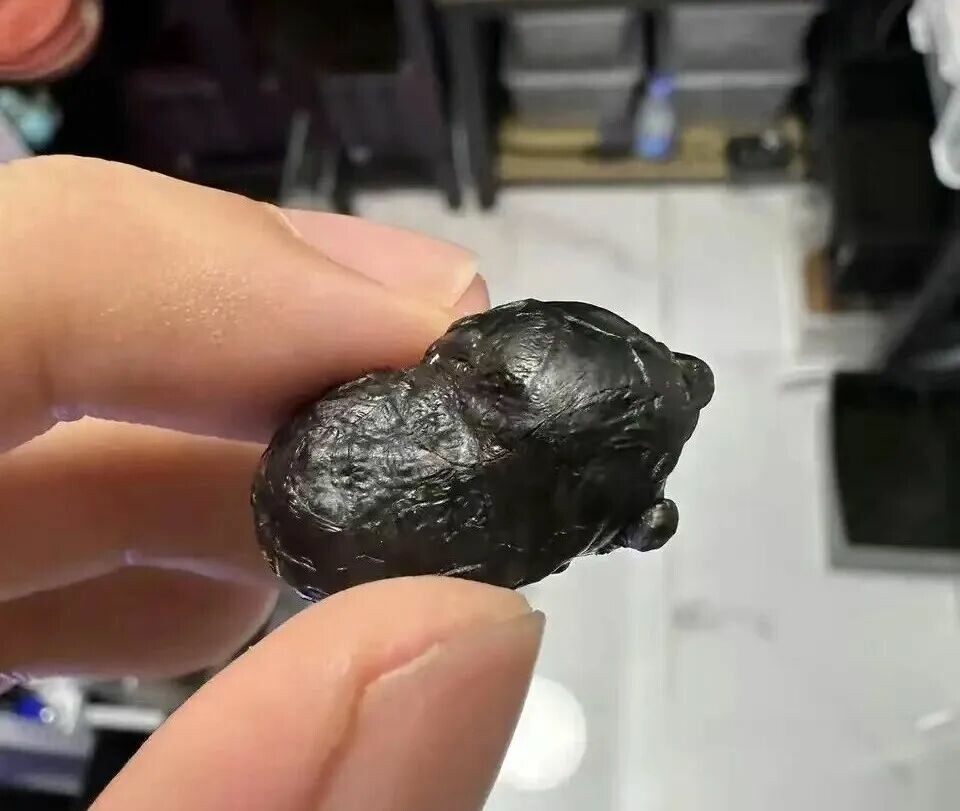
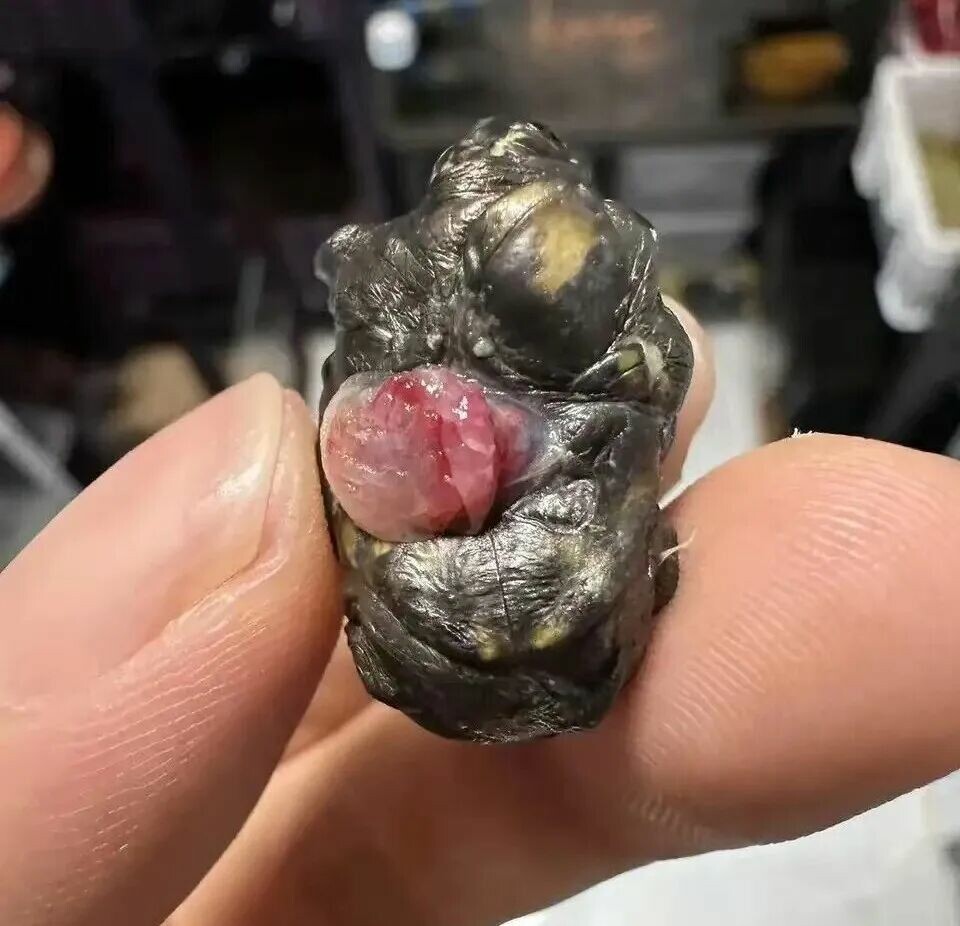
Seeing this, I just want to say:
Can this even live? It feels like it won’t survive.
Some turtle enthusiasts say buying eggs is inherently “gambling on luck”, and there is nothing more to say. Others believe that being deformed to this extent was caused by bumps during transport. Regardless, the risk of buying eggs is too great; even if the merchant’s eggs are genuine, the probability of “misaligned scutes”(a phenomenon where the arrangement of scales on a turtle’s shell is irregular or the number is abnormal) and deformities is also too high.
The Influence of Temperature on Hatching
Let’s look at the influence of temperature on turtle egg hatching.
Temperature indeed affects the hatching speed of turtle eggs. Within the suitable temperature range, the higher the temperature, the faster the hatching speed. This is because rising temperatures accelerate the embryo’s metabolism and developmental process. However, excessively high temperatures (exceeding the suitable range) may lead to excessively fast hatching speeds, thereby affecting the embryo’s normal development.
At the same time, everyone understands why there are always more “female turtles,” because hatching involves heating (artificial temperature-controlled hatching). Whoever’s hatchlings come out fast can grab the market first, right?
Excessively high temperatures will not only accelerate hatching but may also lead to hatchling deformities. High temperatures may interfere with the embryo’s normal developmental process, leading to organ underdevelopment or malformation. For example, excessively high temperatures may cause abnormal skeletal development, shell deformation, or other physiological defects in hatchlings. Therefore, maintaining a suitable temperature range (usually between 26 and 32 degrees Celsius, depending on the specific turtle species) is key to ensuring healthy hatchling development.
The Influence of the Transport Process
So, what influence does shaking during the transport process have on turtle egg hatching? Was the hatchling ultimately deformed because of the express delivery process?
During the hatching process, if turtle eggs are subjected to frequent or violent shaking, it may produce adverse effects on embryonic development. Embryos need a stable environment during development; shaking may cause the embryo’s position inside the egg to become abnormal, thereby affecting its normal development. In severe cases, shaking may lead to embryo death or deformity.
Therefore, eggs that can be transported are only those dared to be sent via courier when they are about to hatch. Even so, there is still a risk of death or producing deformities.
To avoid the influence of shaking on turtle eggs, eggs should be placed in a stable environment during hatching to avoid frequent movement or vibration. Buying eggs inherently carries a huge risk, but we helplessly enjoy the fun of experiencing hatching, and merchants seize exactly this opportunity.
Buying Advice
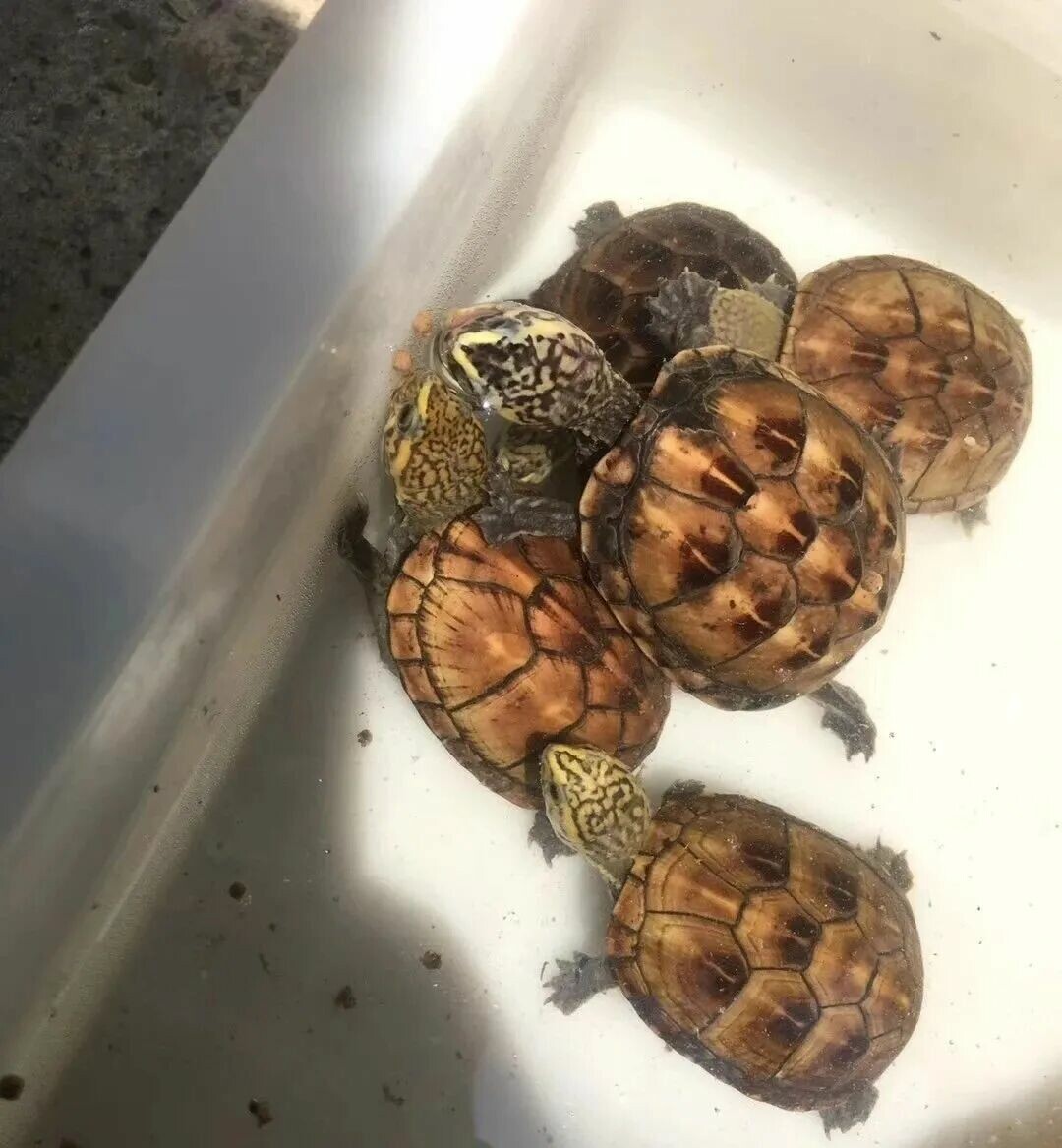
To summarize, if we like raising turtles starting from hatchlings, it is best to purchase hatchlings directly, which avoids a lot of risks. There won’t be any situations where rights protection is difficult. If you really want to experience the fun of hatching, you can purchase some cheap turtle species, because for this type of turtle egg, merchants have no need to “practice fraud.”
I believe many turtle enthusiasts have stepped into “this pit of turtle eggs,” some even more than once. Presumably, it is also because of the temptation of this “low price trap,” right? It’s just like a gym membership card; how many times do you actually go to work out? In fact, the loss from buying turtle eggs is often greater than buying hatchlings directly.
Original article by 搬运工, if reproduced, please cite the source: https://www.kaipet.com/en/risk-buying-turtle-eggs-high-unveiling-hidden-traps-buying-turtle-eggs-online


Comments(1)
Such a clear warning about the risks of buying turtle eggs online! I’m curious, what’s the best way to find reputable hatchling sellers?