

Autumn has arrived, and the preparation for turtle hibernation has entered the final stretch. It’s time to fatten them up quickly.
The Start of Autumn was on August 7th this year, and the season has quietly arrived. “Turtle keepers” (people who raise turtles) should take note: it’s time to feed your turtles more good food so they can get through the winter safely.
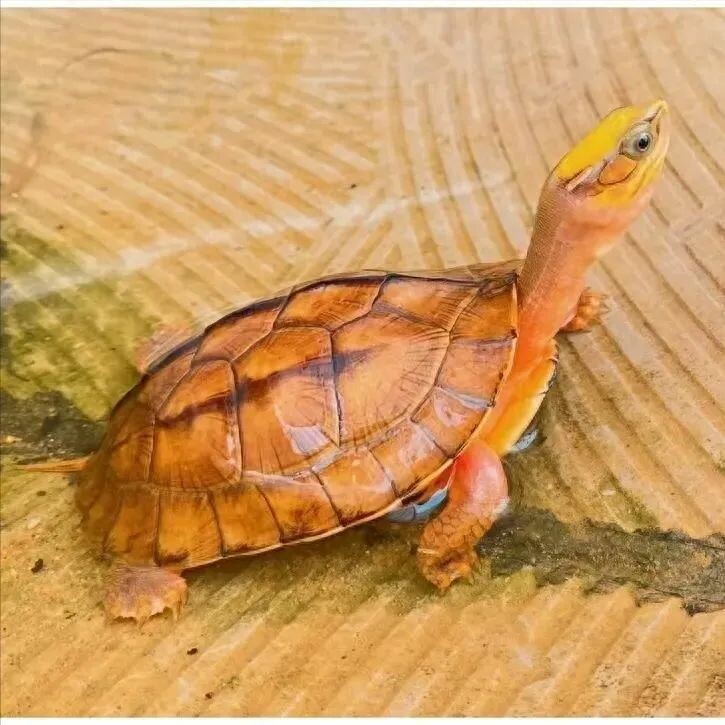
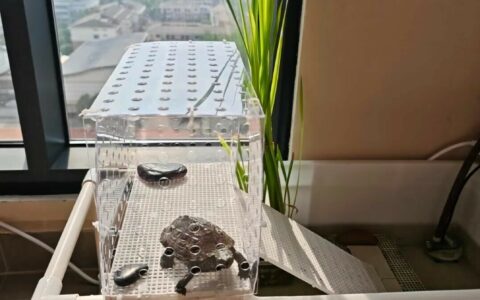
Every year, turtle hibernation makes keepers anxious. This is especially true for the hatchling turtles that hatched this year. If you let them hibernate, you worry about accidents and that they might not survive the cold winter. If you don’t let them hibernate, you need to prepare various heating equipment, all of which requires a lot of effort.
Therefore, this autumn is very important. You need to nourish your turtles’ bodies at this time. Only when a turtle is in good condition and strong can it hibernate safely without eating or drinking.
Autumn Feeding and Nutrition
Hatchling Turtles Need to Be Fed Daily
Some people like to cultivate “knife-carved patterns” (referring to clear, deep growth lines on the turtle’s carapace that look as if they were carved by a knife) and worry that if the turtle eats too much, its shell will grow too fast and won’t look good. This viewpoint is a bit cruel to hatchling turtles.
In autumn, you must ensure hatchlings have sufficient food. Right now, it needs to grow. The stronger, heavier, and even fatter it is, the greater its chances of hibernating successfully.
Food Should Be Diverse
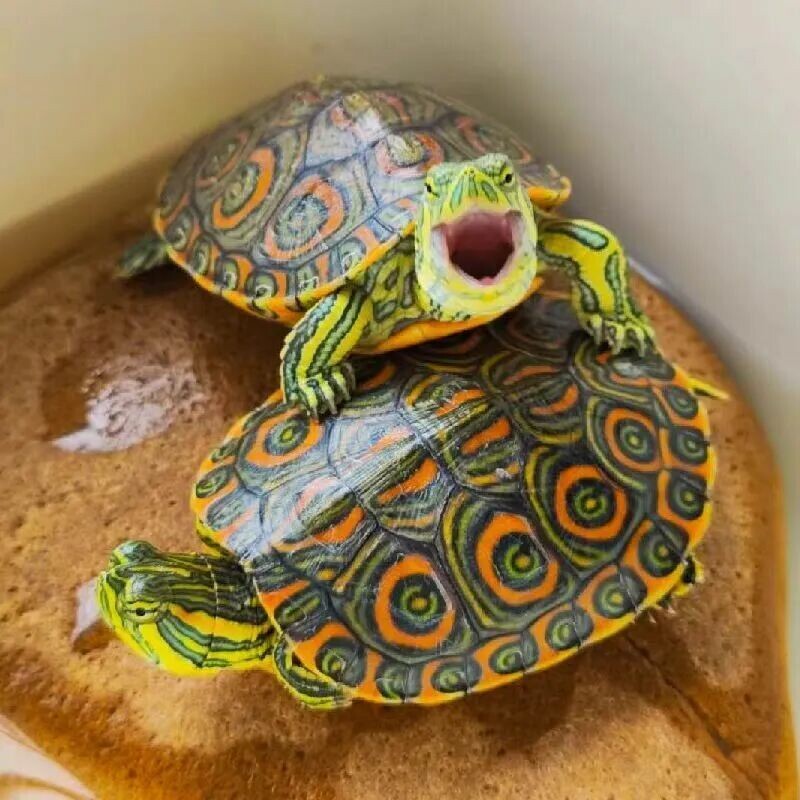
When buying “turtle food” (turtle pellets), you can check the ingredient list. For more carnivorous turtles, you should choose food with a higher protein content. For example, Red-eared sliders, Chinese pond turtles, Razor-backed musk turtles, and Common musk turtles (Stinkpots) are all more carnivorous.
In autumn, carnivorous turtles need more protein supplements. My Chinese pond turtle suffered from this before; the turtle food I fed it in autumn was too plant-based, it grew too slowly, and it died during hibernation in the winter.
If your turtle food is more plant-based, you can also supplement with extra protein, for example, by feeding small fish and shrimp, with the meat chopped up, once or twice a week. Things like earthworms, river snails, and loaches are all excellent sources of protein.
Promoting Growth and Health
Get More Sunlight
The autumn sun is much gentler, so you can let them bask without worry. Sunbathing can promote calcium absorption. If your turtle stays indoors all the time, you might as well have it supplement with Vitamin D, which can also promote calcium absorption.
Of course, I still advocate for supplementing calcium through sunbathing. On one hand, turtles enjoy basking in the sun, and on the other, sunbathing can also stimulate appetite and has a sterilizing effect.
Pay Attention to Rearing Density, Prevent Injuries from Turtles Biting Each Other
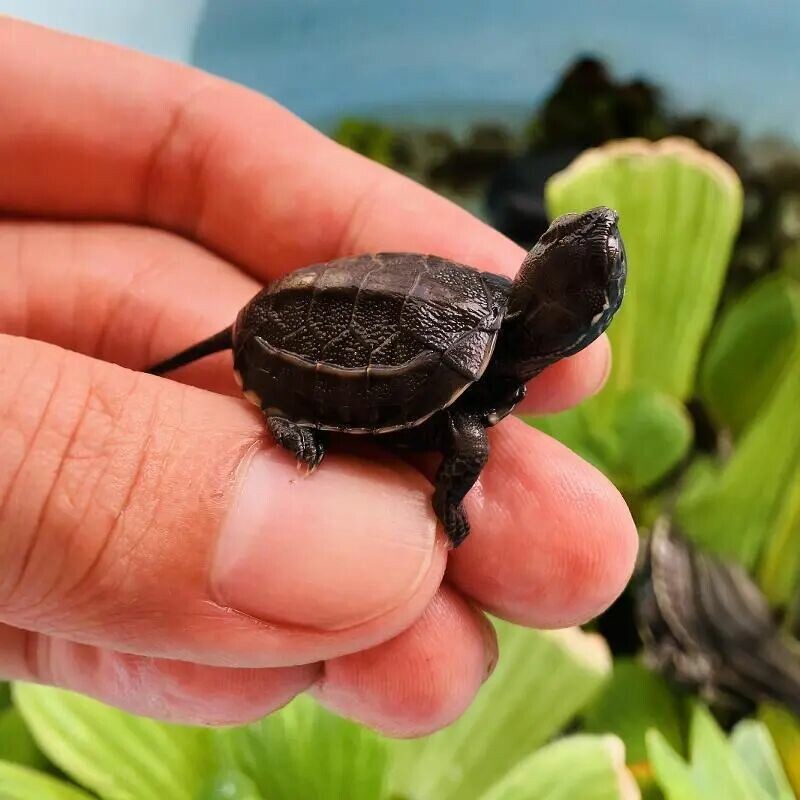
Recently, you should pay more attention to prevent your turtles from getting injured. For instance, if the rearing density is too high, turtles may start fighting, leading to bites and injuries that could cause infections, which is not conducive to hibernation.
You can put some longan leaves in the turtle tank to provide a physical barrier and prevent them from biting each other.
Make Preparations for Hibernation
Raise a “Plump Turtle”
A healthy turtle should be “plump and fleshy” before hibernation. If it continues to lose weight, you need to find the cause and hurry to fatten it up.
For turtle keepers in the North (friends who raise turtles), the weather gets cold earlier, so there isn’t much time left for you. Seize these few months to fatten them up. In the South, the temperature drops a bit later, but you should also start preparing now.
For turtles, autumn is a “stockpiling battle.” Spend more effort to feed and care for them well. Watching them grow from skinny hatchlings into sturdy figures will give you less anxiety and more confidence when they hibernate.
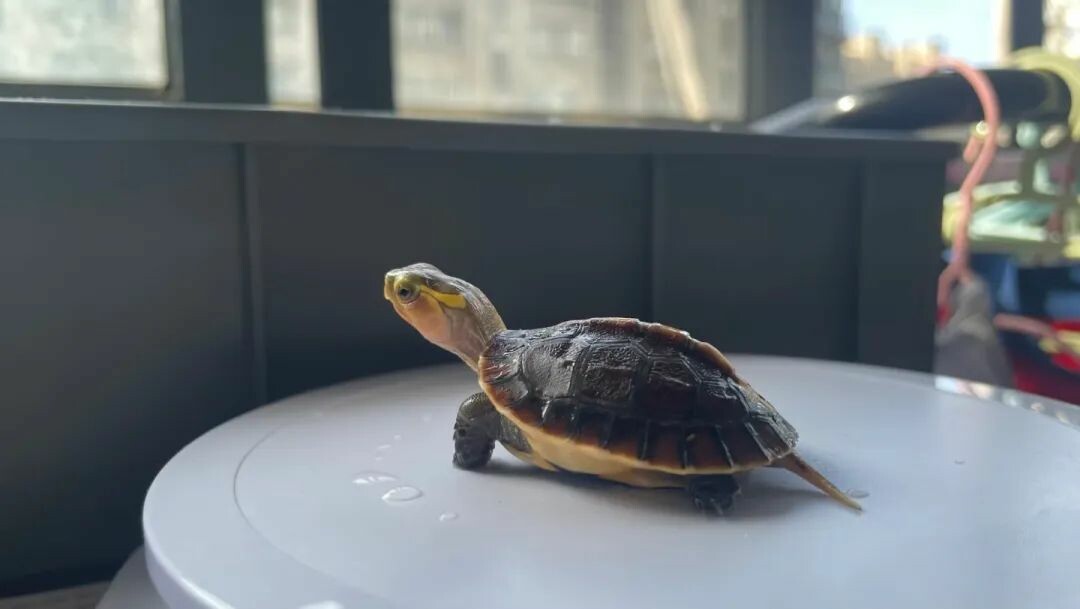
As the saying goes, “A good hibernation for a turtle means a better year to come.” A turtle that can safely get through its first hibernation is considered a stabilized turtle, and it will be much easier to raise from then on. Fellow turtle keepers, keep it up!
Original article by 搬运工, if reproduced, please cite the source: https://www.kaipet.com/en/19265.html




Comments(2)
This is so helpful! I’m always worried about my hatchlings hibernating. What are the best indicators they’re strong enough for winter?
@CriticX:您好!很高兴文章能帮到您。幼龟安全过冬的关键在于秋季让它们足够“强壮、体魄健壮、甚至有点肥胖”。确保充足喂食和均衡营养是重要指标。如有具体担忧,建议咨询宠物医生获取专业建议。