

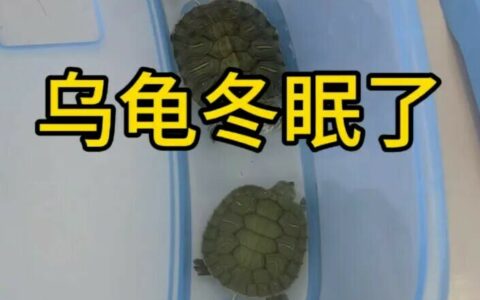
Winter is just around the corner, and in some northern regions, central heating may have already been turned on. With the arrival of winter, turtles are about to enter their hibernation and dormancy period. Although turtle hibernation might mean a short break for turtle keepers, it is a huge adjustment for the turtles themselves. Whether they can successfully get through it depends on their own physical condition.
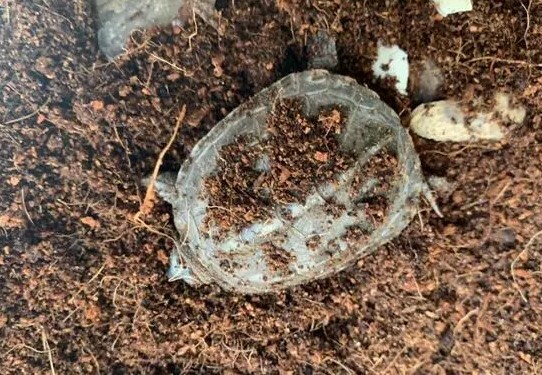
Common Reasons for Turtle Hibernation Failure
But before hibernation, we all thought the turtle was doing fine. So why did it ‘pass away’ in the following spring? It’s truly saddening. Hibernation is a test of nature, and turtles have survived this way since ancient times. If a turtle doesn’t make it through hibernation, there must be a reason.
Lack of Pre-Hibernation Health Check
Reason 1: Failing to observe and pay attention to the turtle’s state and health before hibernation.
It is especially important to carefully observe the turtle and its condition before hibernation. You cannot expect a turtle in poor health to hibernate successfully; the probability of success would be quite low. As feeding is reduced before hibernation, the turtle’s droppings will also decrease. At this time, more energy should be focused on monitoring the turtle’s health. Issues like skin rot, shell rot, respiratory infections, enteritis, or eye infections must be constantly monitored. You should also periodically check things like whether the turtle’s eyes are bright and alert, its responsiveness, and so on. Ensure that the turtle entering hibernation is healthy.
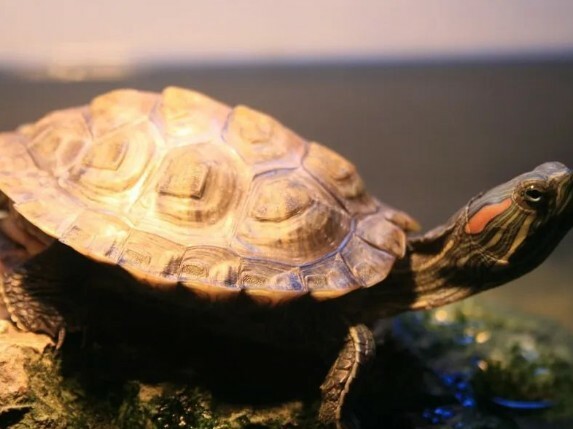
Often, our negligence leads to unhealthy turtles entering hibernation, which is a major reason why they fail to complete it and end up dying. Therefore, it is crucial to pay close attention to the turtle’s every move as autumn turns to winter.
Incomplete Gut Clearing
Reason 2: The turtle’s gut clearing was not done properly.
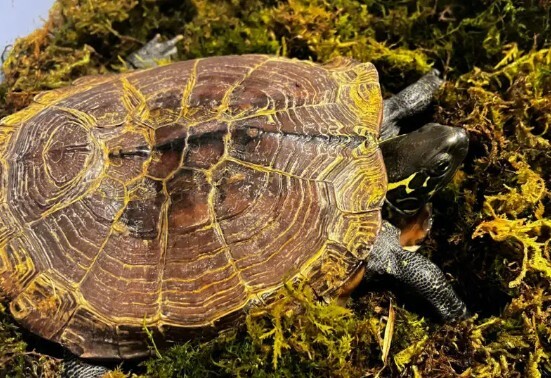
Before hibernating, turtles need to stop eating for a period to clear their guts, which means allowing them to excrete naturally. Although there have always been 2 viewpoints among turtle hobbyists on whether gut clearing is necessary, after consulting with experienced veteran keepers, it is still better to do it.
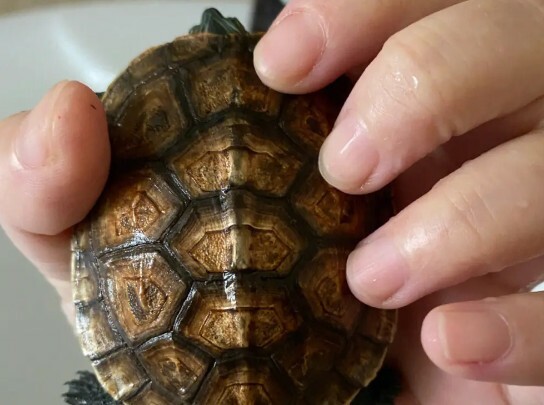
If a turtle’s gut is not cleared well, the food remaining in its intestinal tract during the long hibernation process could cause enteritis. If the illness develops during hibernation, the turtle will likely pass away in its sleep. For gut clearing, it’s best to allow sufficient time if conditions permit. It doesn’t have to be completely cleared out; seeing the turtle’s feces turn white is a good indicator that the gut clearing is almost complete.
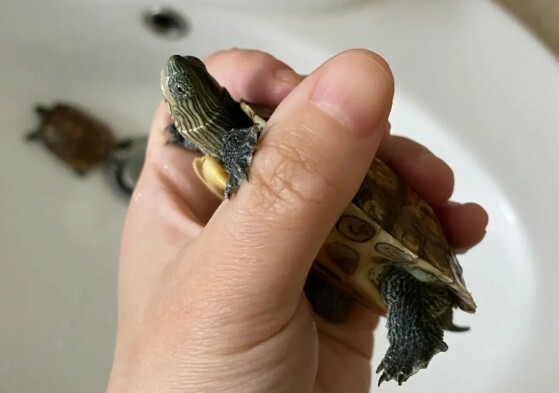
Negligent Care During Hibernation
Reason 3: Negligent care during hibernation.
Although we get a ‘break’ during hibernation, we still have tasks to do. If you are not using the shallow-water hibernation method, you must pay attention to the humidity of the hibernation environment, for hibernation substrates like coconut coir, fine sand, or moss. Check every 15 to 20 days to see if the humidity is insufficient and it has become too dry, and spray some water to maintain proper moisture. The ideal moisture level is when you can squeeze it into a shape in your hand, but it’s not soaking wet, as that can easily cause issues like skin rot for the turtle.
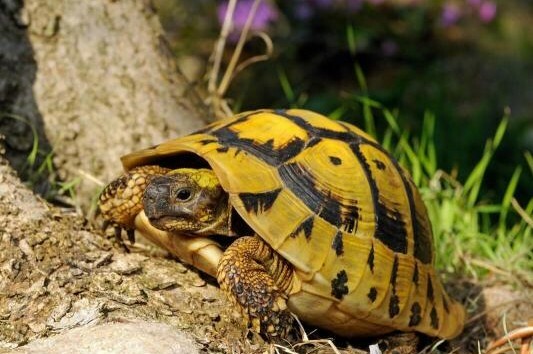
Conclusion: Hibernation is very important for turtles. Fulfilling the 3 points mentioned above can help your turtle get through the hibernation period safely.
Original article by 搬运工, if reproduced, please cite the source: https://www.kaipet.com/en/3-major-reasons-turtle-hibernation-fails-ensure-safe-winter-turtle



Comments(2)
This is so helpful! I always worry about gut clearing. How long do you usually stop feeding your turtles before hibernation?
@CriticX:Thank you for your kind words! The duration for gut clearing before hibernation can vary. It’s crucial to observe your turtle’s droppings until they appear white, indicating completion. For personalized advice specific to your turtle’s species, we highly recommend consulting a reptile veterinarian.