

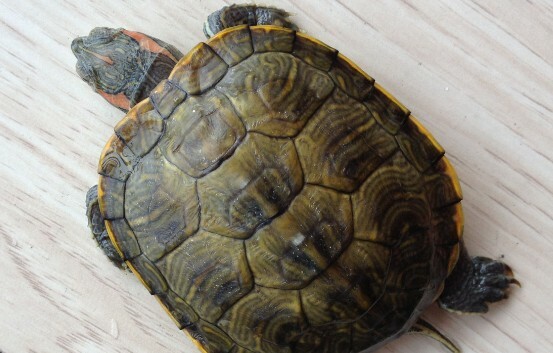
As ancient reptiles, turtles have very strong survival abilities and adaptability. In their natural environment, a turtle’s eating habits and sense of satiety are crucial factors for its survival. So, do turtles stop eating after they are full? Many turtle enthusiasts are curious about this. Here is a detailed introduction:
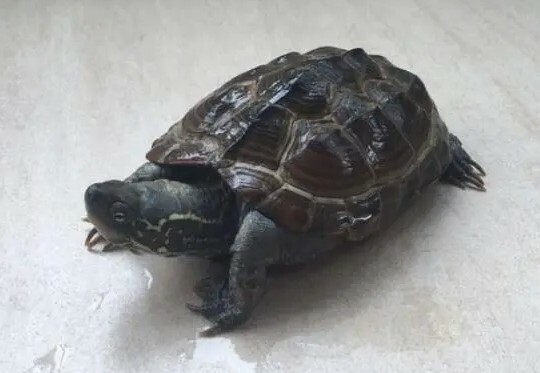
A Turtle’s Sense of Satiety
Turtles do indeed stop eating after they are full. Turtles have their own sense of satiety; once a turtle feels full, it will stop eating. This has been demonstrated in many observational records. A turtle’s food intake and frequency are influenced by various factors, including temperature, season, health condition, and the type of food available. During seasons with suitable temperatures and abundant food, a turtle’s food intake will increase, whereas it will decrease during seasons with lower temperatures or food scarcity.
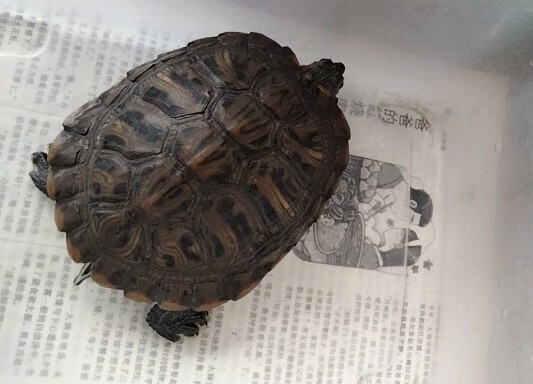
Eating Habits and Growth Stages
A turtle’s eating habits are closely related to its growth stage. Juvenile turtles require more food to support their rapid growth, while adult turtles can go longer without eating. Juvenile turtles typically need to be fed 1 – 2 times a day, whereas adult turtles can be fed once every 2 days. This is because juvenile turtles have a faster metabolic rate (note: the rate at which an organism uses energy to sustain life) and require more energy and nutrients to support their growth and development.
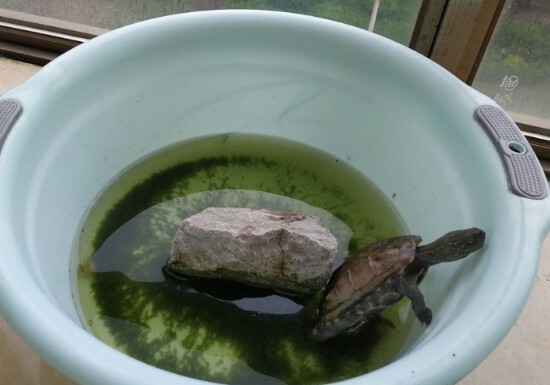
A Turtle’s Diet
The types of food turtles eat are also very diverse. They are omnivorous animals, eating both animal-based foods like small fish, small shrimp, and snail meat, as well as plant-based foods like tender leaves, duckweed, and grains. Different foods provide different nutrients, so when feeding turtles, it is necessary to provide a reasonably balanced diet to ensure their nutrition is well-rounded.
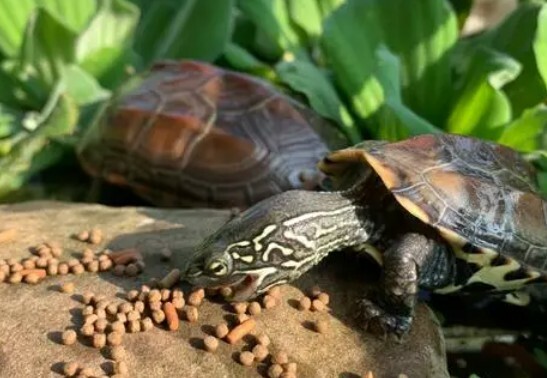
Key Points for Raising in Captivity
Under artificial feeding conditions, keepers need to pay attention to controlling the turtle’s food intake to avoid overfeeding. Overfeeding can not only lead to obesity in turtles but may also cause a series of health problems, such as liver disease and kidney disease. Generally, the amount of food per feeding should be controlled to about 10% of the turtle’s body weight. This ensures they remain healthy without issues arising from excessive eating.
Summary
Turtles stop eating after they are full, as they have their own sense of satiety. In their natural environment, a turtle’s eating habits and sense of satiety are crucial factors for its survival. When raised in captivity, keepers need to reasonably control the turtle’s food intake and ensure a balanced diet to maintain its health. By understanding a turtle’s eating habits, we can take better care of them and allow them to grow up healthy.
Original article by 搬运工, if reproduced, please cite the source: https://www.kaipet.com/en/turtles-full-understanding-turtle-eating-habits-article



Comments(2)
It’s amazing how turtles manage their intake naturally! I wonder, how do wild turtles find such balanced diets?
@CriticX:That’s a wonderful point! Wild turtles instinctively forage for diverse food sources within their natural habitats, which naturally leads to a balanced diet crucial for their survival and adaptation. Thank you for your thoughtful comment!