

For many turtle keepers, winter can be a rather dull season. With their turtles in hibernation, the absence of their little companions leaves a void.
Caring for Turtles During Hibernation
Many people mistakenly believe that once a turtle starts hibernating, it requires no care. This is not the case. Even during their winter slumber, turtles still need your attention and protection.
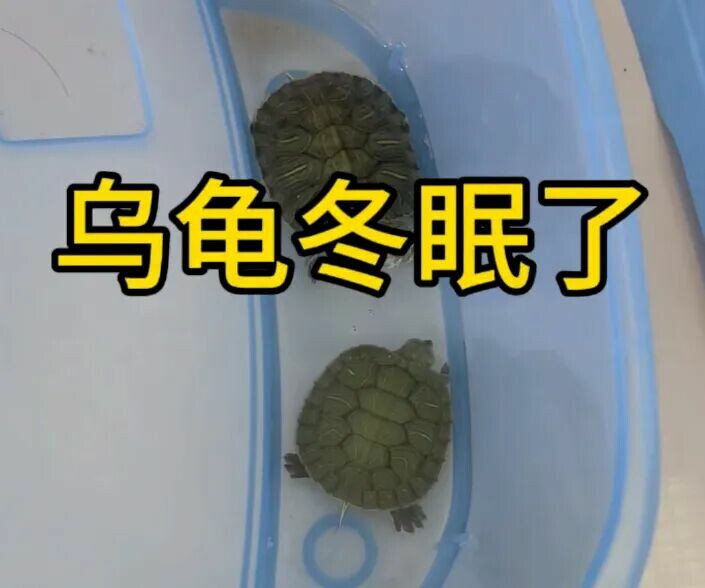
Throughout the hibernation period, it is crucial to minimize disturbances and avoid waking them. This is a fundamental principle of managing turtle hibernation. However, winter also represents a period of risk for them.
For a healthy turtle, normal hibernation poses no issues. However, many turtles may have underlying health problems that go unnoticed before hibernation. During this period, you must pay close attention to these three key points:
Regular Observation and Handling Anomalies
While you shouldn’t disturb them unnecessarily, regular observation is essential. You can check on them appropriately every 2 weeks or once a month. This is especially important for turtles hibernating in a group. If you notice an individual turtle emitting a strange or foul odor, it must be isolated immediately, as it is very likely ill.

Identifying a Deceased Turtle
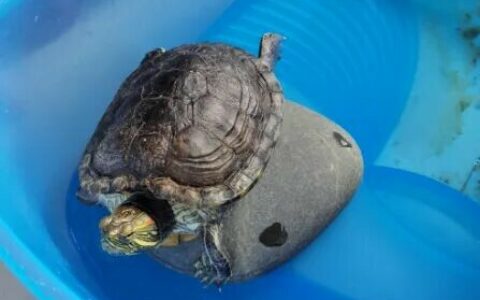
If you find a hibernating turtle with limp limbs, a lifeless body, a drooping head, or sunken eyes, it has likely passed away. It needs to be removed at the first opportunity, as a decomposing turtle can harm other healthy, hibernating turtles.
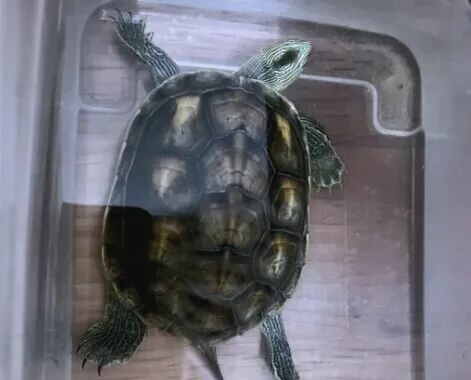
Managing Environmental Humidity and Temperature
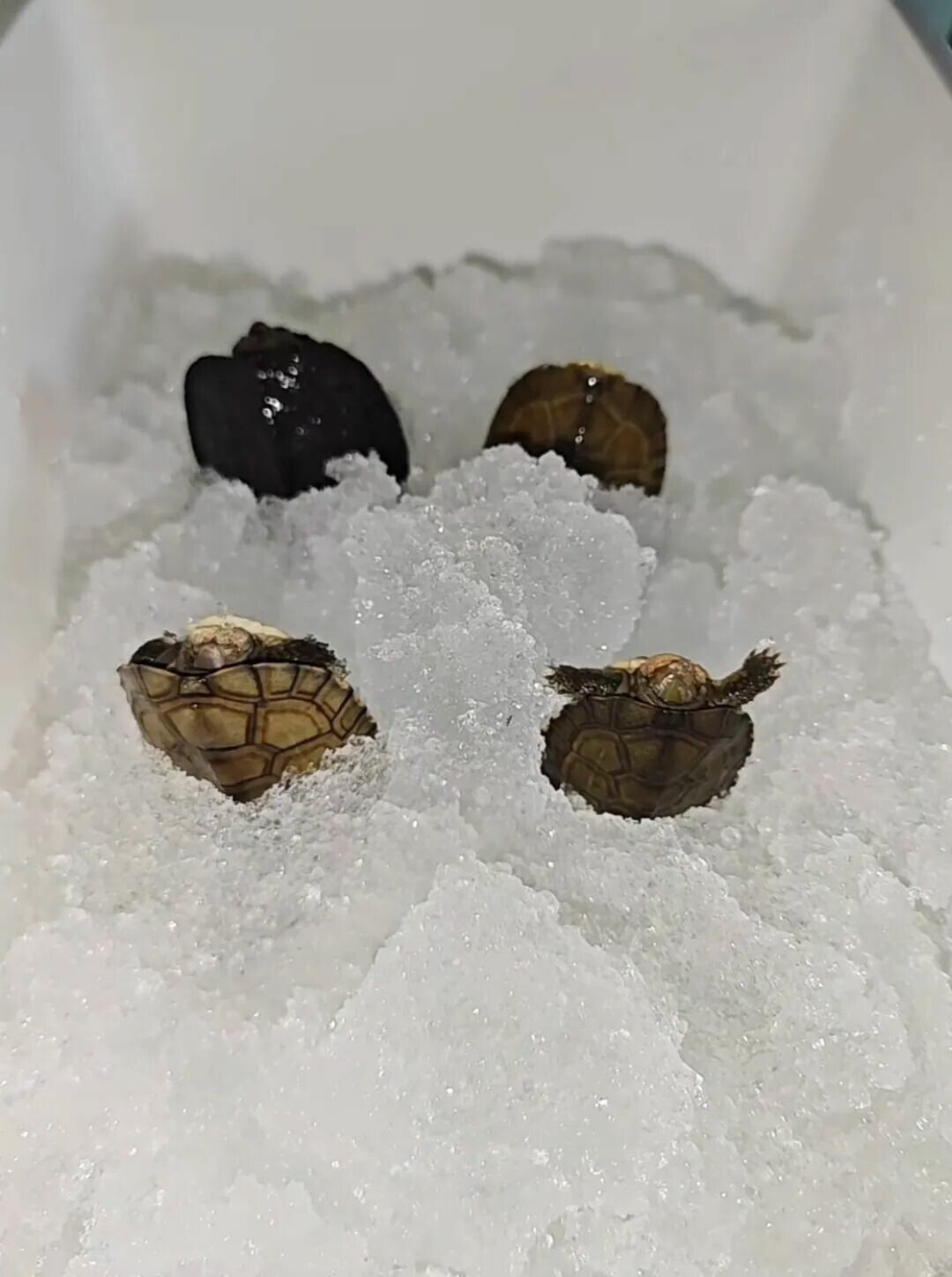
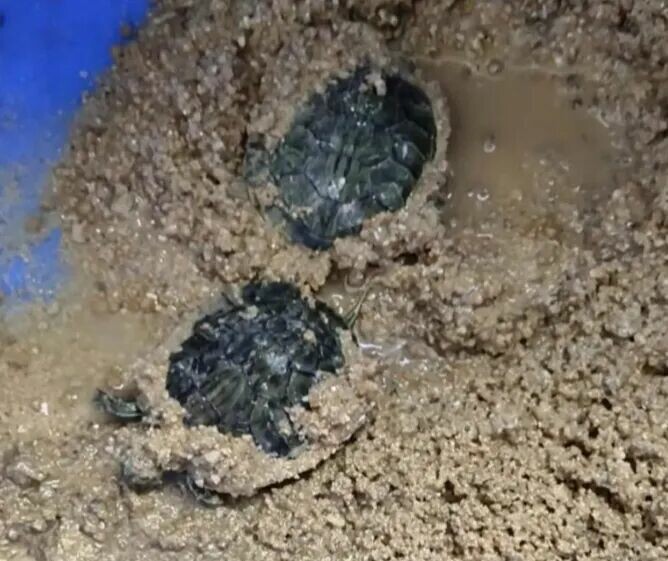
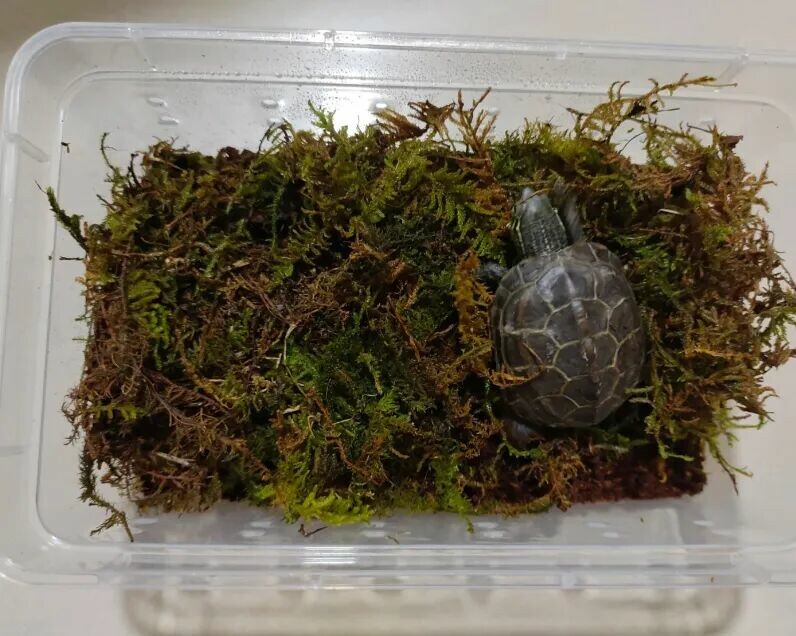
For fellow turtle keepers who use substrates like natural soil, cool soil, or coconut coir for hibernation, it’s necessary to constantly monitor changes in moisture levels. If you find the water level is too low or the substrate has become dry, it can affect the turtle’s quality of hibernation and health. You should replenish the water and moisten the substrate in real-time to maintain a stable environment.
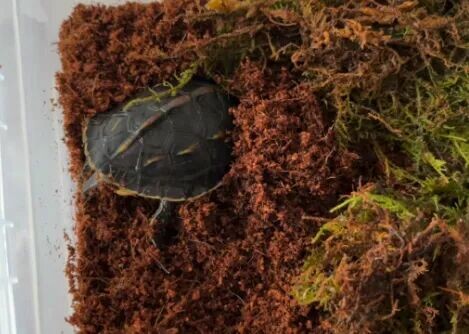
When turtles are hibernating, we cannot simply ignore them; regular checks on their condition are necessary to prevent accidents. Furthermore, they should be placed in a dark, quiet, and calm environment. It’s also crucial to monitor the temperature, ensuring it doesn’t drop too low, to avoid the tragic death of a turtle (a phenomenon playfully termed “gagui” in internet slang, meaning the turtle has died).
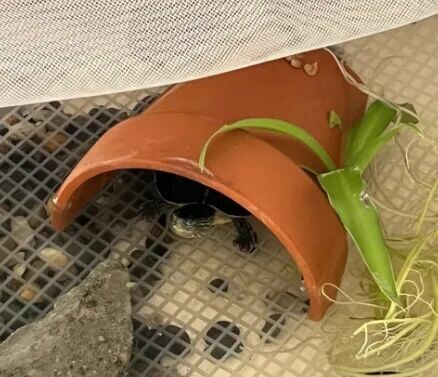
End of Hibernation and Post-Hibernation Care
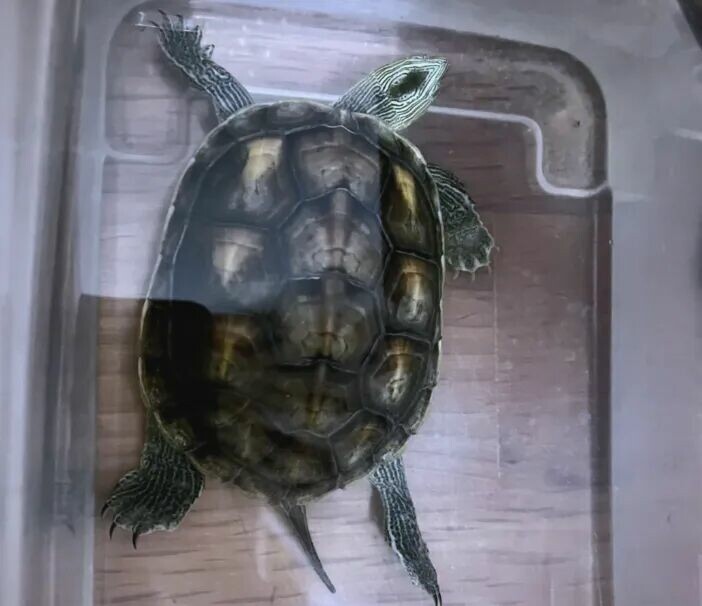
After hibernation concludes, turtles will naturally wake up on their own. This typically occurs around March of the following year as the weather warms and temperatures rise. Once they wake up, they will gradually begin to eat again, at which point you can resume their normal feeding routine.
Original article by 搬运工, if reproduced, please cite the source: https://www.kaipet.com/en/read-guide-turtle-hibernation-3-crucial-tips-prevent-tragic-loss






Comments(2)
这篇关于乌龟冬眠的指南太实用了!想问一下,如果我住的地方冬天不太冷,是不是就不用让乌龟冬眠了?
@CriticX:您好!非常感谢您对乌龟冬眠指南的喜爱。是的,如果您的地区冬季不那么寒冷,且温度能够保持在适宜的范围内,那么您的乌龟可能不需要进行传统的冬眠。重要的是要确保它们的环境温度不会过低,以避免不必要的风险。