

As pet ownership becomes increasingly diverse, pet turtles are no longer considered a niche pet, and more and more young people are choosing to keep them.
For one, pet turtles don’t have high requirements for their living environment. You don’t need a lot of space at home for the turtle to move around, nor do you need to take it out for walks. Their diet isn’t as extravagant as meat-based ones either—the main appeal is its simplicity.
But even these simple pet turtles offer a varied keeping experience. Some turtle keepers can raise a turtle from a coin-sized hatchling to a large turtle too big to be covered by one palm. Meanwhile, other keepers find their new turtles quickly come and go, lasting a month at most or just a week at the shortest, forcing them to get a new one after the turtle dies.
The Turtle-Keeping Community Phenomenon and Hobbyist Choices
There’s a cynical joke in the turtle-keeping community: 80% of keepers in the pet turtle market buy hatchlings, hoping to raise them from small to large and to “pass the turtle down for three generations.” They also repurchase frequently, and the turtle dealers are basically supported by this group of guys. The other 20% of keepers choose sub-adult turtles around 5cm (approx. 1.97 inches). This 20% generally comes from the former 80%; after experiencing several turtle deaths, they end up bowing to reality and choosing larger turtles that are easier to keep alive.
So, what causes this situation? Is it that each keeper’s turtle has a different constitution? Are some people natural-born “turtle whisperers”while others are “turtle killers”?
Of course not. So what factors lead to this situation? Well, let me, the blogger, explain to you how to raise turtles correctly.
Stages of Turtle Keeping
First, we divide the turtle-keeping journey into the turtle’s stress period and its settled period.
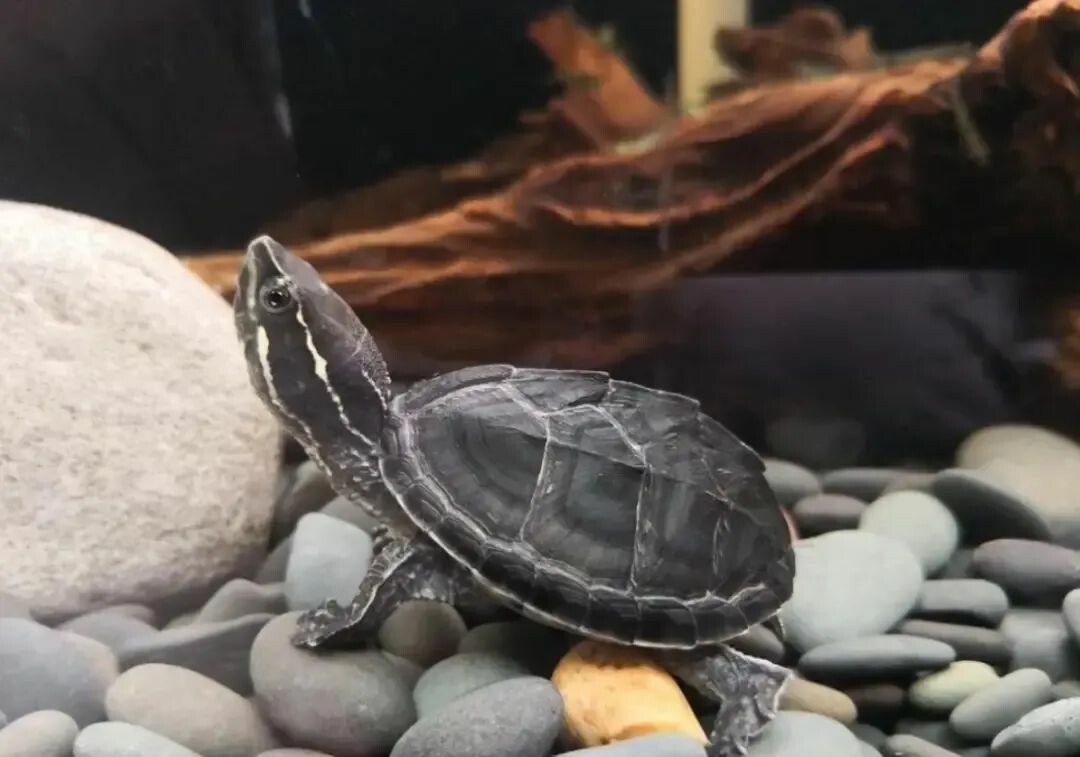
The Stress Period
Stress refers to external stimuli affecting the turtle, which could be strong stimuli from the environment or actions that cause the turtle to become tense and fearful. Common stress responses include flailing constantly in the water or desperately trying to burrow into the corners of the tank. More severe cases involve developing illnesses: floating, skin rot, white eye disease, and other problems. The stress period is this phase of being easily startled after you first get the turtle.
The Settled Period
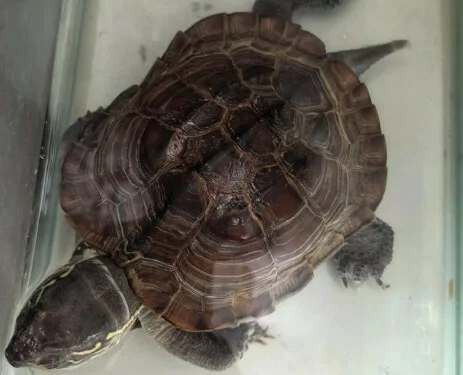
The settled period, as the name implies, is the stage where the turtle has become familiar with its environment and owner. It no longer gets sick for no reason or just dies when it’s unhappy, as it might during the stress period. During this stage, the turtle’s owner can start to stroke its head and neck. Some turtles with sensitive carapaces will even ‘dance’ for you when you stroke their shells during this stage.
How to Properly Get Through the Stress Period
So, how can we properly get the turtle through its stress period and help it get settled?
This goes back to the very beginning, when the new turtle arrives home. Whether we buy it online or offline, the turtle will undergo a transportation process. When it arrives, the first thing we should do is not to immediately handle it and take pictures to share. Instead, we should keep the turtle in its box and let it rest quietly indoors for 2 hours. And yes, let it rest quietly. Don’t think the turtle will be scared because it’s away from its owner; in fact, it’s more scared when you are nearby.
This quiet resting period serves two purposes: first, it allows the turtle to adapt to the temperature of its new home in preparation for entering the water; second, the turtle is already in a tense state from the bumps and jolts of transport, and frequent disturbances will only prolong this tension.
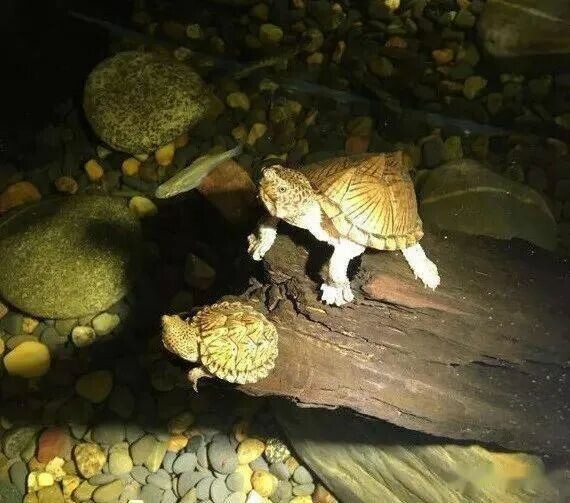
During this resting time, we can find a suitable turtle container and fill it with water, also placing it indoors to reduce the temperature difference the turtle will experience when it enters the water.
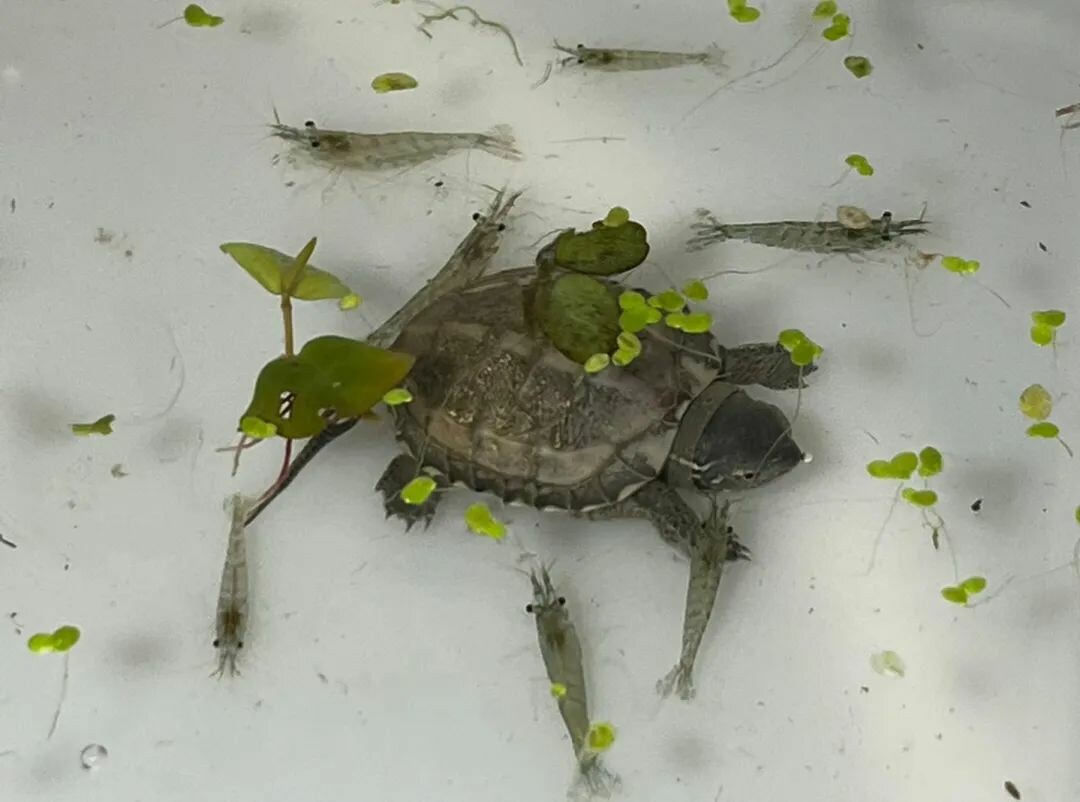
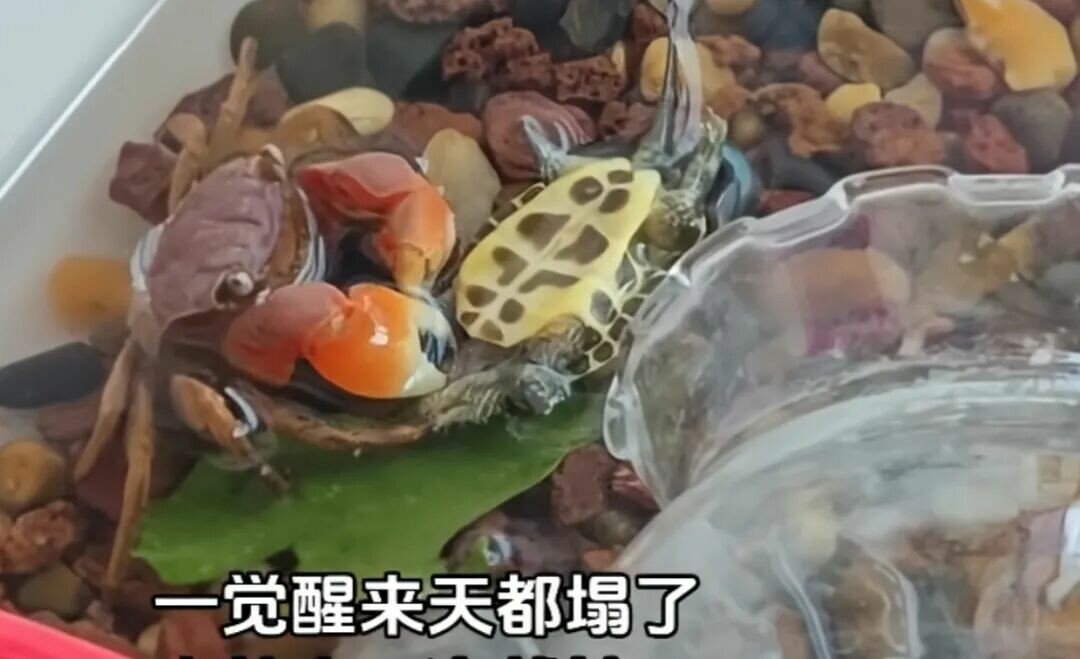
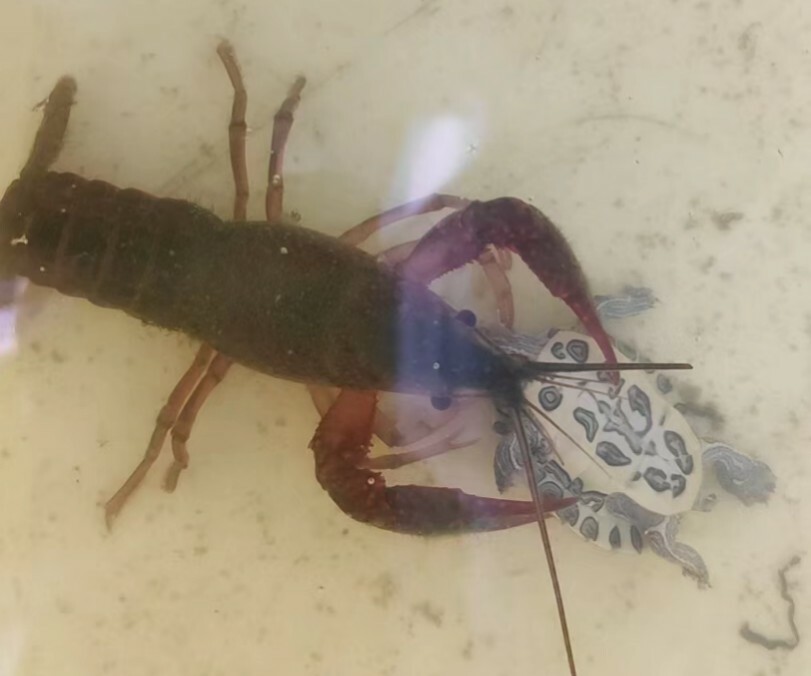
After at least 2 hours of quiet rest, we can introduce the turtle into its tank. A reminder from this blogger to all turtle keepers: never put a new turtle directly in a mixed habitat with other turtles or fish. This will only increase the difficulty of care. To help the turtle get through the stress period better, I suggest that keepers place some hiding spots in the tank, such as artificial lotus leaves or longan leaves, just to give the new turtle some cover.
After that, continue to leave it undisturbed for at least 3 days. During these 3 days, we only need to periodically check if the hatchling shows signs of activity; there is no need to feed it. A turtle’s ability to endure hunger is so great that 10 days to half a month won’t affect it. On the contrary, feeding it too early can easily lead to gastroenteritis and other diseases due to its stress response. Also, don’t feel you must pick it up to see its four limbs flailing to feel at ease. The temperature difference from being taken out of the water, even if it’s just 1 to 2 degrees Celsius (1.8 to 3.6 degrees Fahrenheit), could cause the turtle to catch a cold—so who says raising turtles is easy!
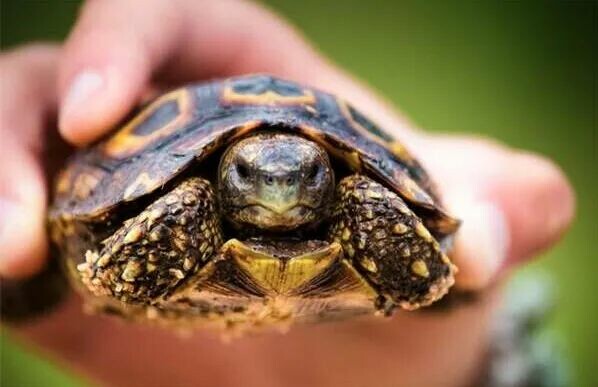
After these 3 days, we can try feeding it turtle pellets. Yes, just turtle pellets, no other food. In the beginning, I suggest using tweezers to feed the turtle, as this can quickly help it get familiar with its owner. Typically, after about a week of this, the turtle will automatically swim over to wait for food when it sees its owner approach.
Some turtles have a very short stress period, perhaps ending in just one week, after which they become as lively and active as a ‘little husky.’ Others may take a month or longer. This requires patience from the owner. The essence of the stress period is a process of adaptation for the turtle. A crude but effective method to help it get settled is to forget you even have a turtle.
Frequent disturbances, handling, playing, and picture-taking will only infinitely prolong the turtle’s adaptation process. The consequence is that during this illness-prone stress period, improper handling can lead to problems like skin rot, white eye disease, and more serious issues such as gastroenteritis and colds, ultimately resulting in the turtle’s death.
Original article by 搬运工, if reproduced, please cite the source: https://www.kaipet.com/en/turtle-stress-period-methods-prevent-sickness






Comments(2)
Great tips on stress! I wonder, what are common non-leaf hiding spots for new turtles that you’d recommend?
@CriticX:Thank you for your excellent question! Beyond leaves, many keepers use ceramic caves, driftwood, or smooth, stable rocks as effective hiding spots. Even appropriately sized PVC pipe sections can offer great cover. Providing these helps new turtles feel secure during their stress period.