

As winter approaches, many turtle keepers begin preparing for heated overwintering for their pets. But did you know that the most critical component for a heated turtle tank isn’t the heater itself, but rather the seemingly insignificant filtration system? Today, let’s delve into this vital topic that can mean the difference between life and death for your turtle.
Why Is Filtration Necessary for a Heated Tank?
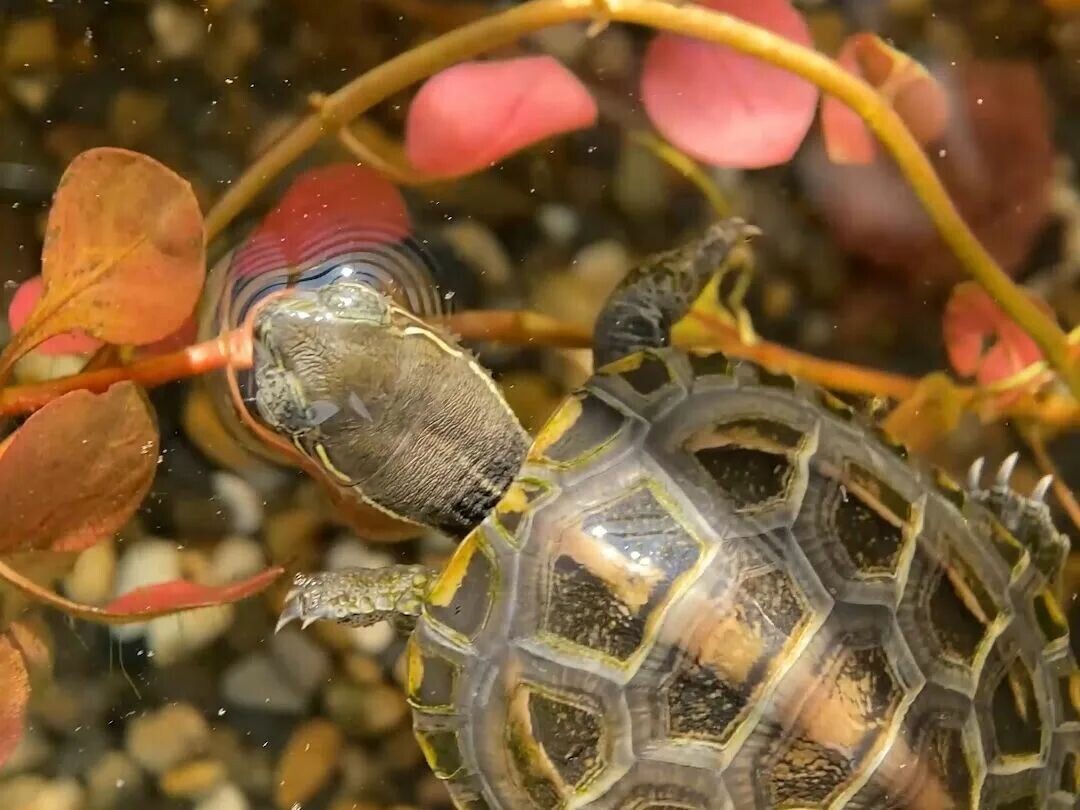
Many keepers believe that once the aquarium heater is installed, their job is done. However, they are often unaware that the tank is fraught with the hidden danger of temperature differences. The water near the heater might reach 28°C (82.4°F), while a corner just a dozen or so centimeters away could be as cool as 22°C (71.6°F). When a turtle moves between these zones, a temperature variance of just a few degrees is enough to cause stress (a series of non-specific responses of an organism to internal or external stimuli), a cold, or even pneumonia.
How Filtration Eliminates Temperature Differences

The answer lies in one simple concept: water circulation. A filtration system keeps the water in constant motion, acting like a diligent temperature regulator that evenly distributes the heat from the heater to every corner of the tank. Wherever the water flows, temperature differences have nowhere to hide, turning the entire tank into a temperature-balanced, “constant-temperature pool.”
Fixed-Frequency vs. Variable-Frequency Filters
While a fixed-frequency filter can work, a variable-frequency model is more highly recommended. This is because a variable-frequency filter maintains a steadier and more continuous water flow, avoiding the abrupt changes caused by the start-stop cycles of fixed-frequency models. This, in turn, further reduces the risk of stress for the turtle. This point is especially crucial for turtles, which are more vulnerable during the winter.
A Comparison: Hibernation vs. Heated Overwintering
It’s also worth considering the opposite scenario: when we let our turtles hibernate naturally during winter, we should actually turn off the filter. A hibernating turtle’s metabolism slows to a near standstill, and it does not need the disturbance of water currents. A quiet environment is more conducive to deep hibernation.
This stands in stark contrast to heated overwintering and indirectly confirms the irreplaceable role of filtration in a heated environment. Without the water circulation provided by a filter, the unevenness of the heating is significantly exacerbated.
Practical Heating Guidelines
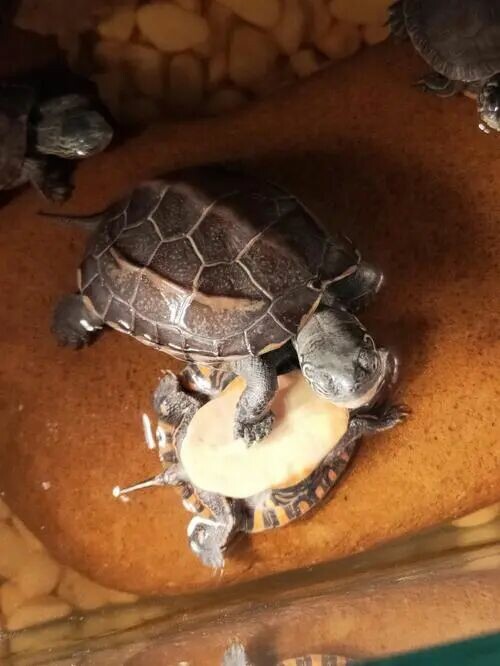
The heater’s wattage should match the tank size, generally 1.5-2 watts per liter of water.
It is recommended to choose a filtration system with a turnover rate of 4-6 times the tank’s water volume per hour.
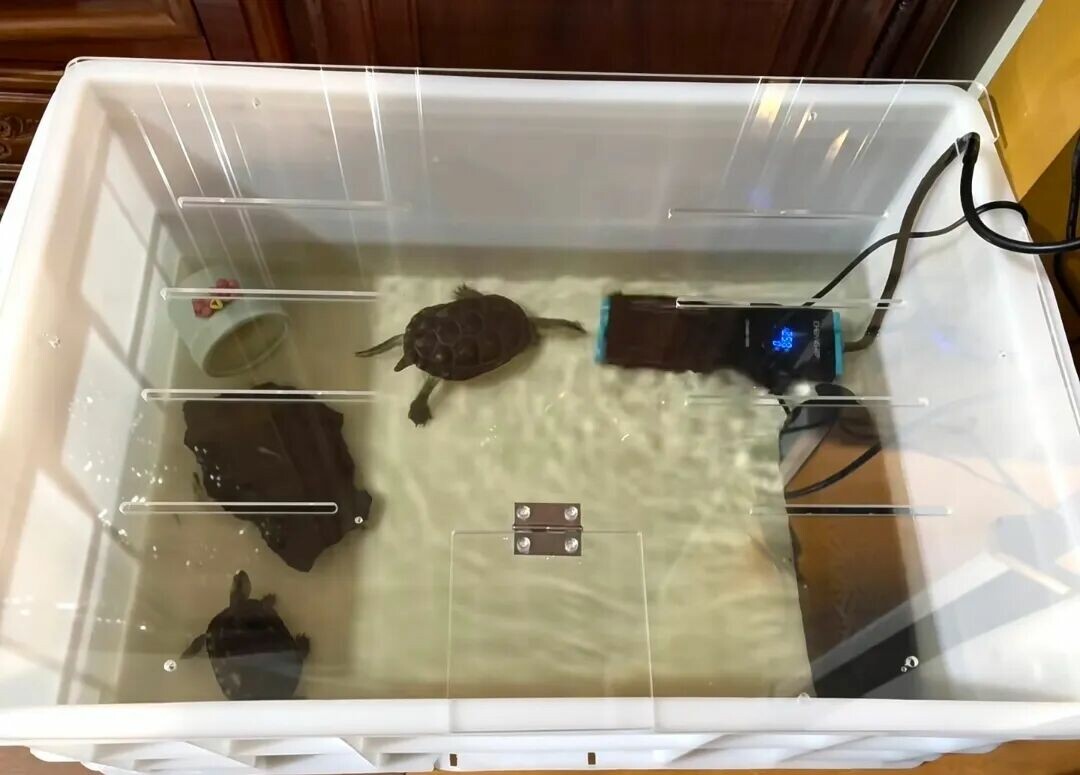
The heater is best placed near the filter’s outlet to facilitate heat distribution.
Be sure to use a thermometer to monitor the water temperature in different areas, ensuring the variance does not exceed 2°C (3.6°F).
For a heated tank, filtration is not an optional accessory but an essential safety measure. Don’t let a moment of oversight lead to irreversible regret. Whether your turtle makes it safely through the winter could depend on this one small decision. Of course, if your heated setup also includes a basking platform, it is advisable to cover the container, as the air above the water is not being heated.

Go check your tank setup now! Make sure it meets your turtle’s overwintering needs.
Original article by 搬运工, if reproduced, please cite the source: https://www.kaipet.com/en/heating-turtles-tank-winter-filtration-prevent-temperature-gaps-key-detail-80-keepers-overlook




Comments(2)
Great point about temperature gaps! Besides a thermometer, what are subtle signs our turtles might show when feeling stressed by uneven heat?
@CriticX:That’s a very insightful question, CriticX! While monitoring temperature with a thermometer is key, turtles showing unusual lethargy, loss of appetite, excessive basking, or unusual swimming patterns could indicate stress from thermal discomfort. We hope this helps keep your turtle healthy!