

Hazards of Artificially Painted Turtles
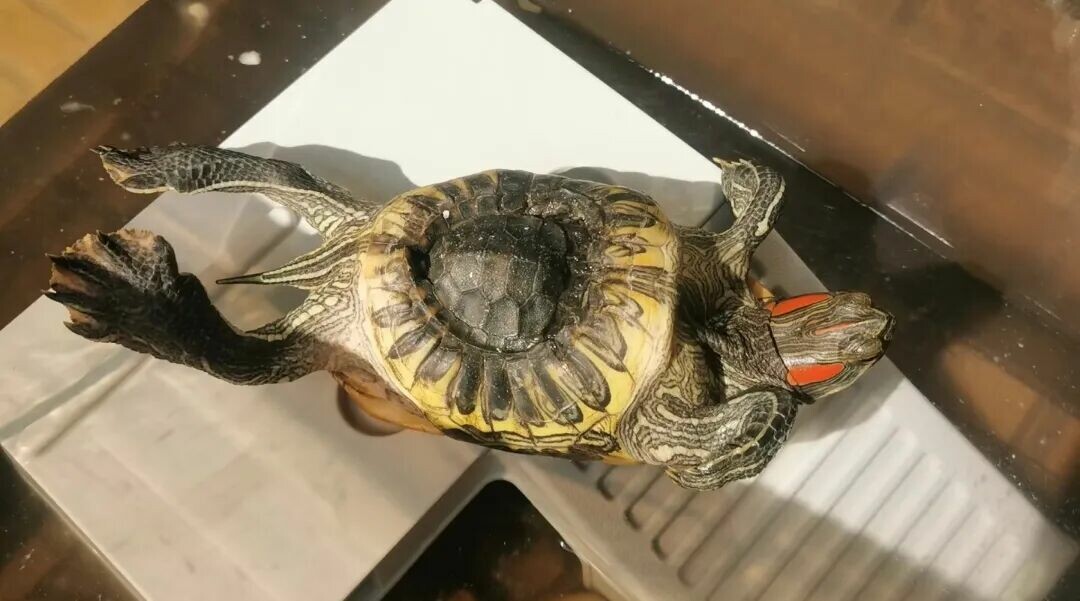
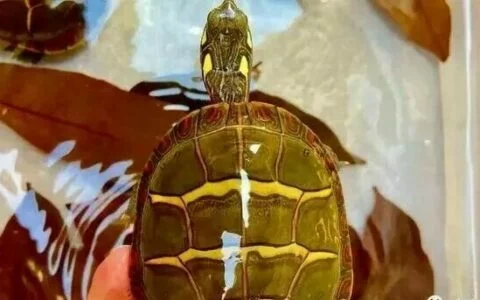
Do not buy cartoon painted turtles with paint brushed on their shells! The paint contains heavy metals and toxic solvents that will block the breathing pores of the shell, leading to shell deformity and organ failure. Industry statistics show that less than 10% of these turtles survive for more than 1 year! Refusing to buy them is a protection of life.
Beware of “Test-Egg” Hatchlings
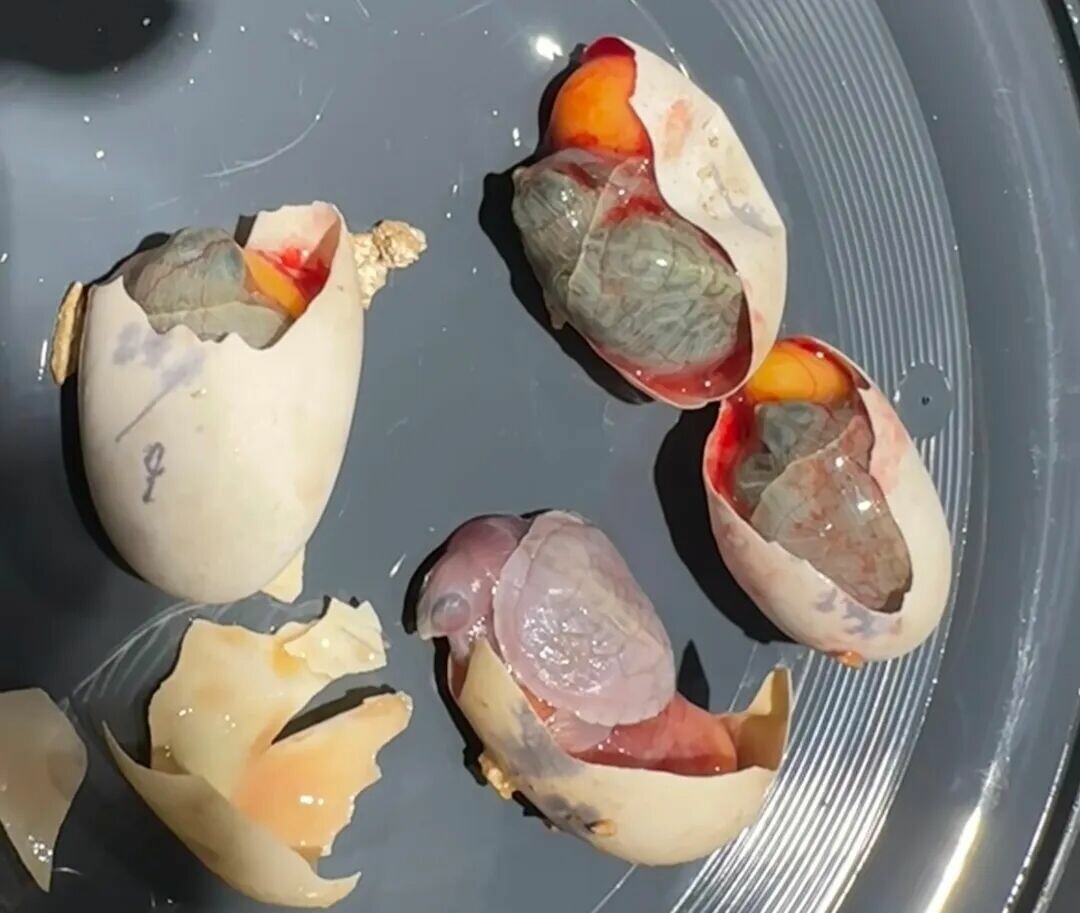
“Test-egg” hatchlings (hatchlings produced by a mother turtle breeding for the first time, usually with weaker constitutions) are the offspring of first-time breeding females; they are physically weak, have poor disease resistance, and are extremely sensitive to water quality changes. For beginners raising this type of hatchling, the mortality rate is as high as 80%! It is recommended to choose healthy and robust regular hatchlings, and do not let merchants sell you weak hatchlings as regular ones.
Winter Heating and Ventilation
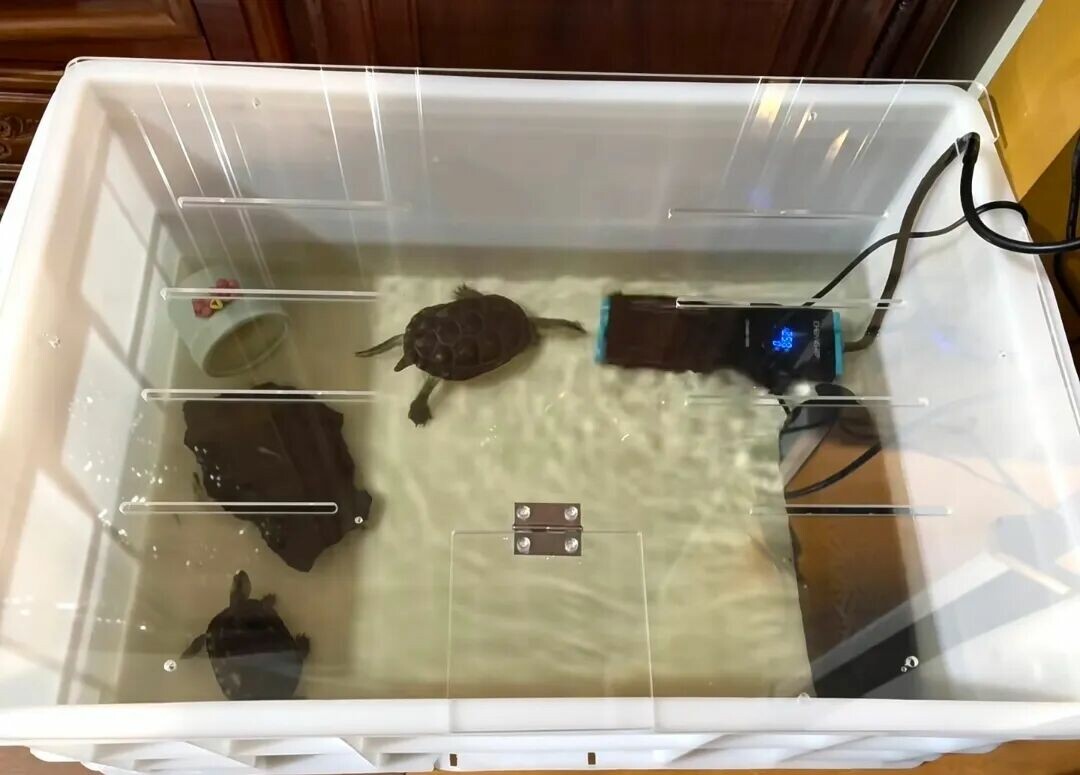
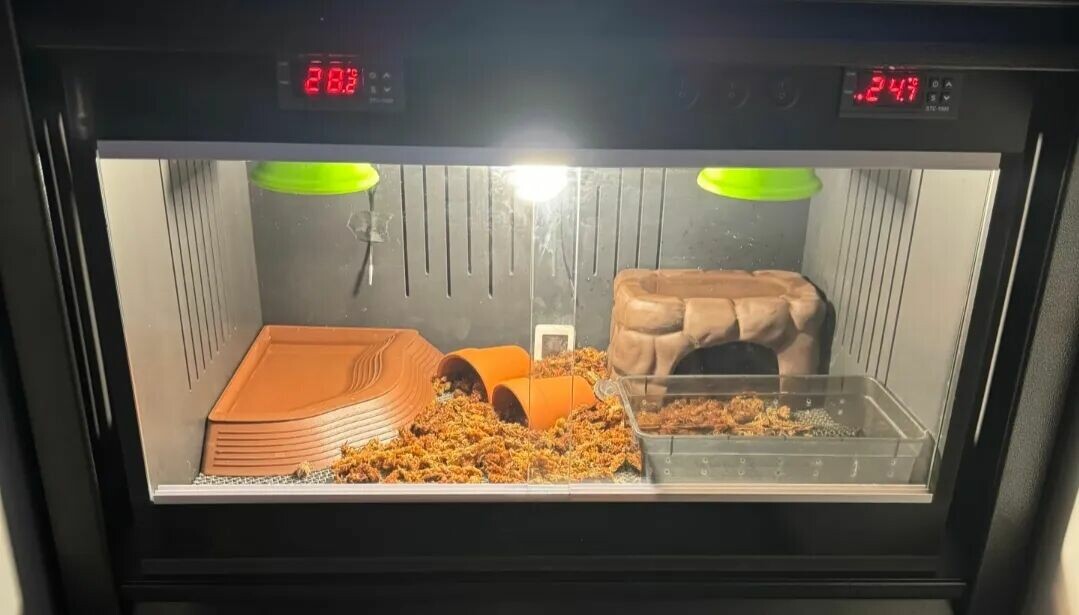
When heating turtles in winter, a lid must be added for insulation, but ventilation holes must be left! If the water temperature difference exceeds 3°C, turtles are prone to stress (non-specific physiological and psychological reactions produced by organisms when subjected to environmental changes or stimuli) and colds; once this develops into pneumonia, the fatality rate exceeds 90%. Using an insulation lid with holes ensures both heat retention and ventilation.
Water Changes Require Equal Temperatures
Water changes in autumn and winter must be done with water of the same temperature! Especially for turtles kept with heating, adding cold water directly will cause the turtle to catch a cold, develop skin rot, or even die. Method: Use a heater rod to adjust the hot water so that the temperature difference with the tank water is ≤1°C; this is an iron rule for keeping turtles alive.
The Importance of Clearing the Gut Before Hibernation
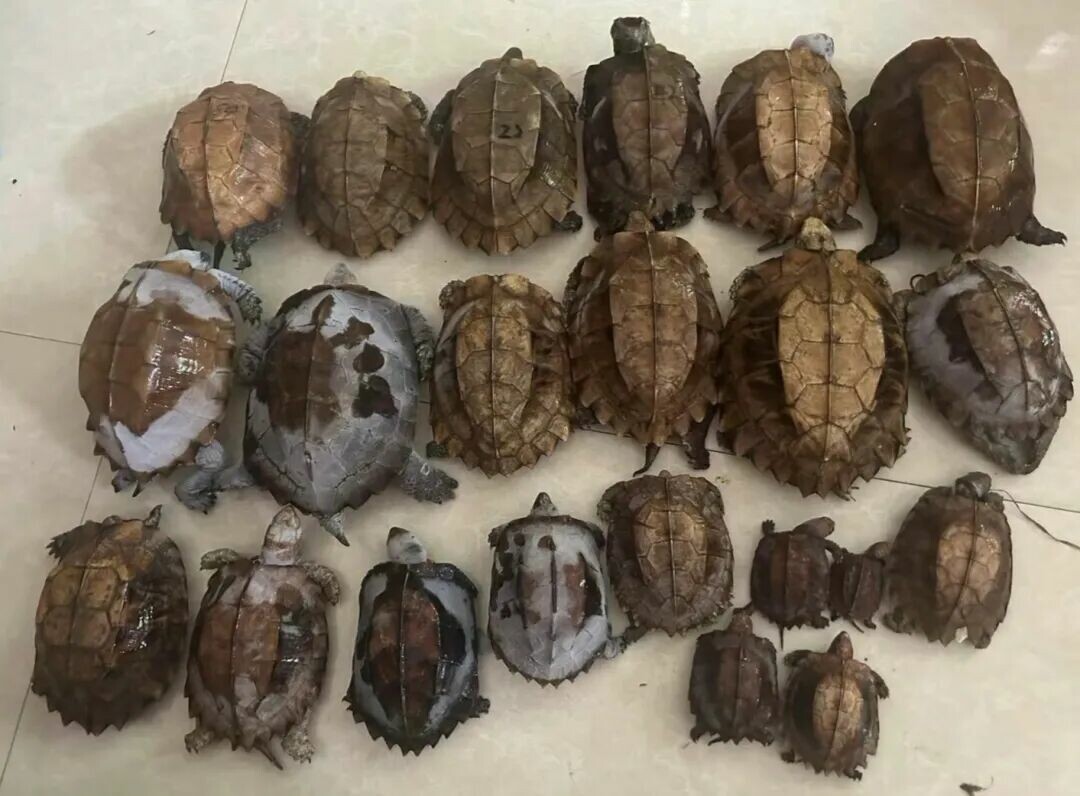
Turtles must fast and clear their bowels before hibernation! Stop feeding 10-15 days in advance and maintain water temperature to promote excretion. If they hibernate with food in their system, intestinal fermentation will cause enteritis, which is the core reason for hibernation failure.
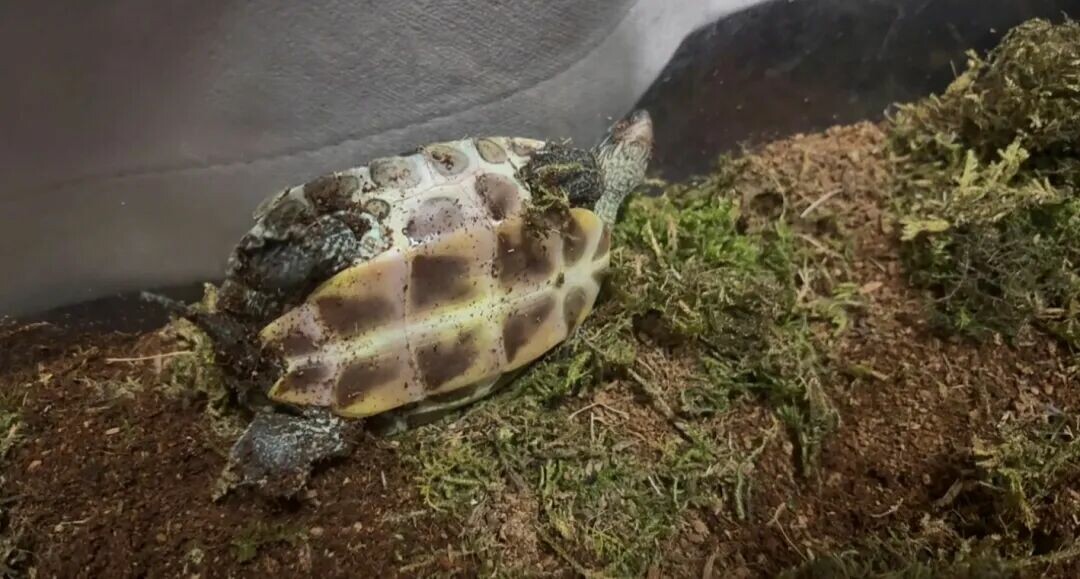
Temperature Requirements for Tropical Turtles
Don’t believe in the survivorship bias (referring to people focusing excessively on “surviving”cases while ignoring those that failed to “survive,”thus drawing incorrect conclusions) of “my turtle survived without heating”! Tropical turtles suffer from metabolic disorders in environments below 20°C, equivalent to humans wearing short sleeves in the snow and “toughing it out.” Remember: apart from you, no one is responsible for your turtle! If you want your turtle to be safe, then do not casually challenge low temperatures with tropical turtles.

Controlling Water Temperature for Medicated Baths
When soaking turtles in medicine, the water temperature must be stable at 28-30°C! If the temperature is too low, the medicine cannot be absorbed; if too high, the medicine may spoil and become toxic. It is recommended to use a thermostatic heater plus a thermometer for real-time monitoring, otherwise, the medicated bath amounts to doing it “in vain.” Try the “heated quiet recuperation method” first; skin rot and stress can often be cured by “steadying” them.
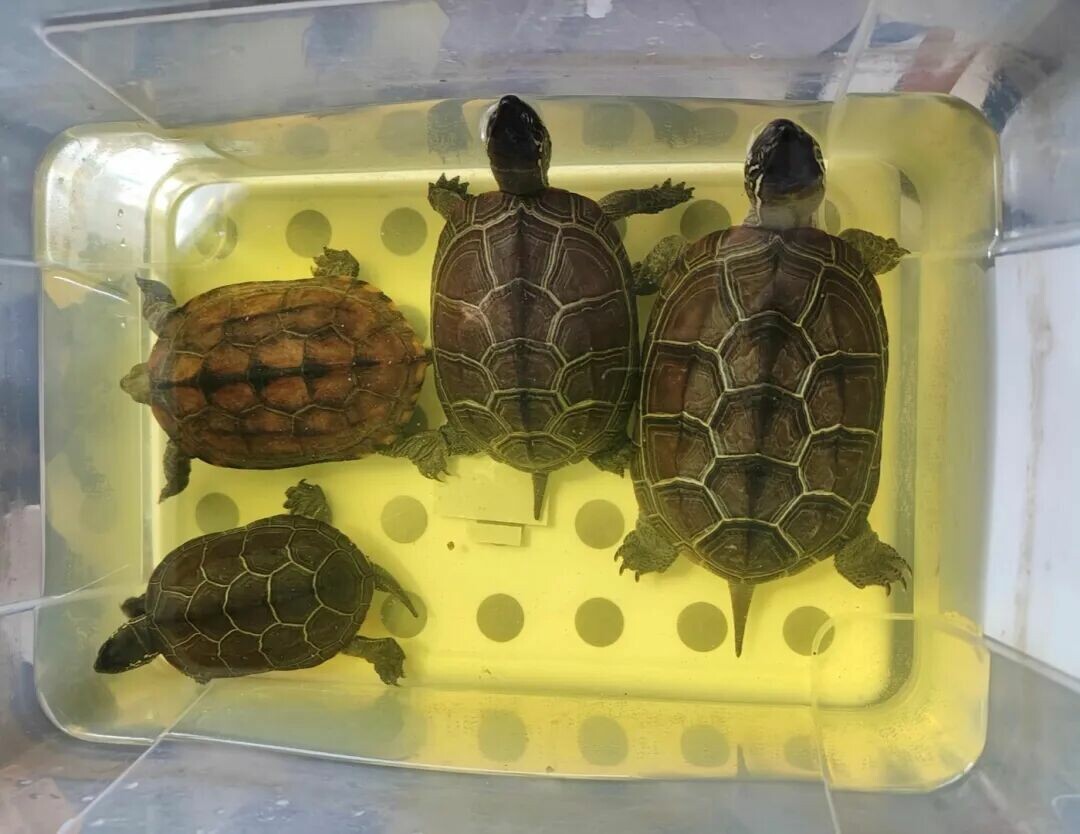
Reasonable Feeding to Avoid Fatal Overeating
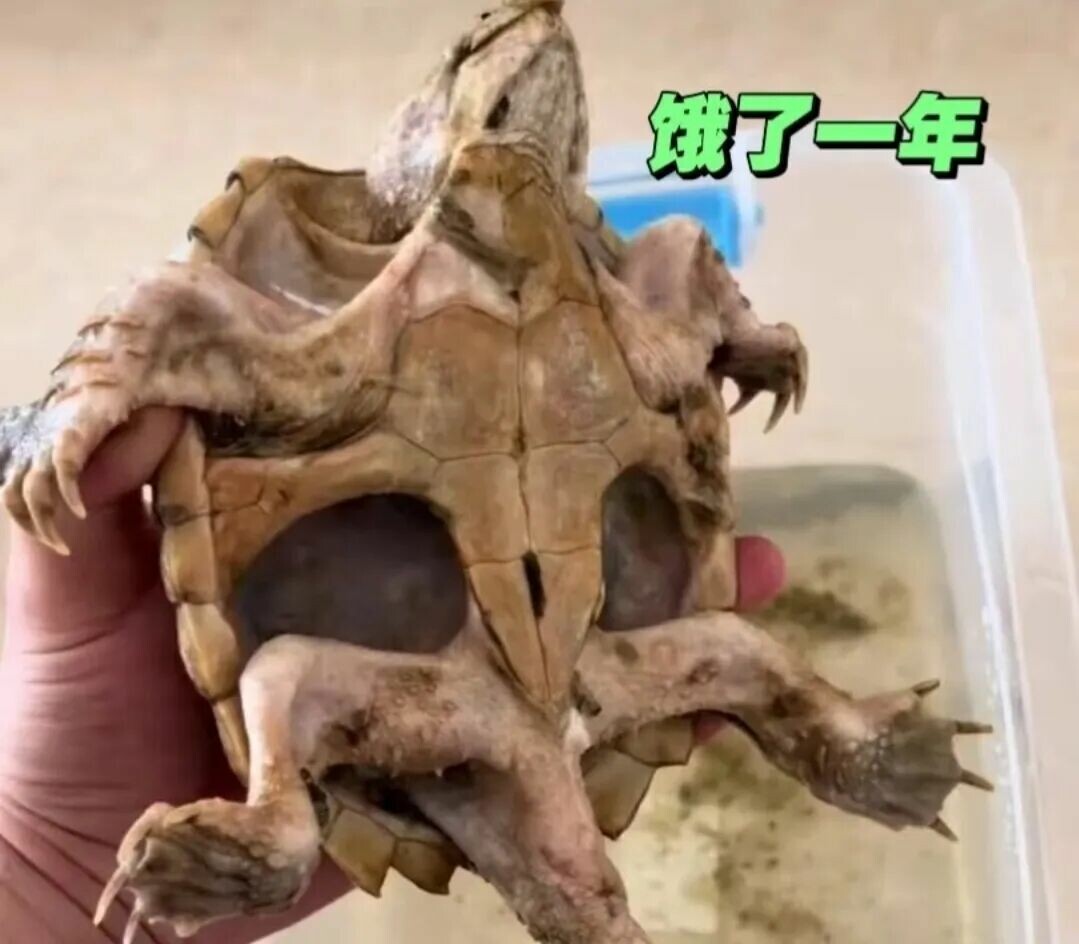
Turtles have a slow metabolism; excessive feeding will lead to indigestion, obesity, and internal organ damage. The feeding amount should be appropriate to the size of the turtle’s head, and once every 2 days is the most scientific approach. Fatty meat is a cause of enteritis and should be fed sparingly or not at all. How resistant to hunger are turtles? What is the maximum number of days they can starve?
Choosing High-Quality Turtle Food
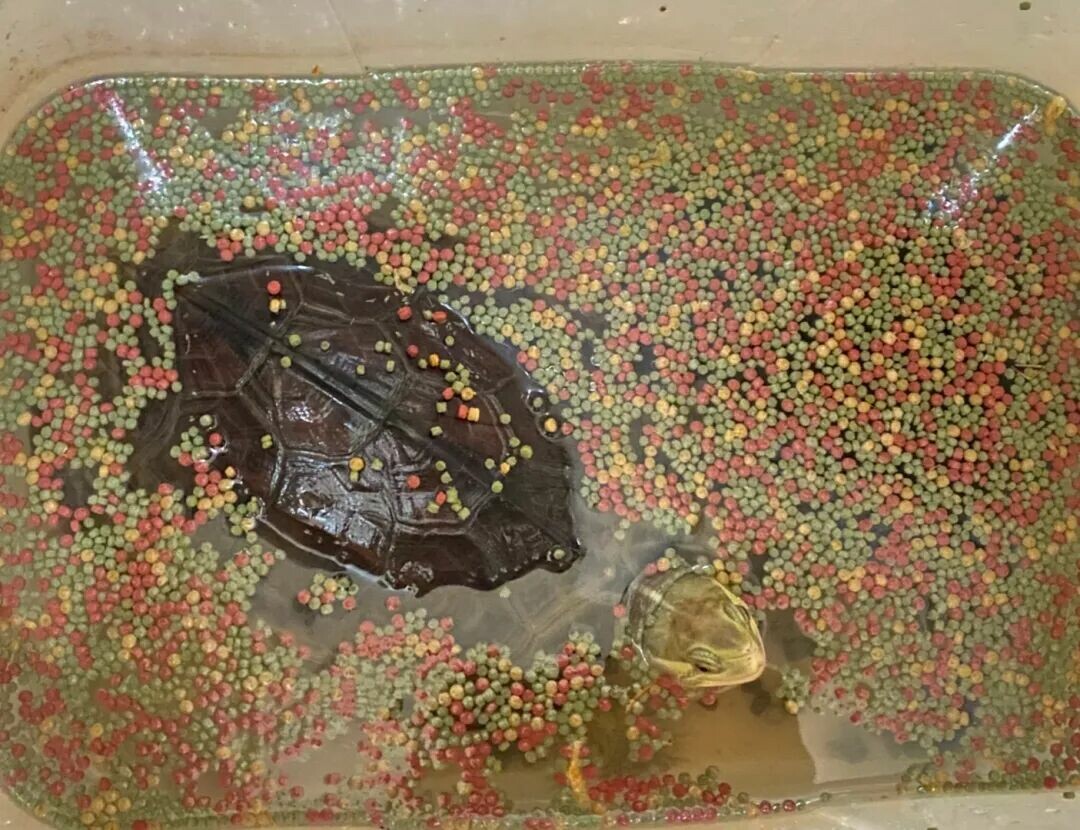
Don’t buy “Three-no”turtle food (turtle food with no production date, no quality certificate, and no manufacturer)! Those turtle foods that fade in color or have odd smells are mostly low-quality flour with chemical pigments; long-term consumption will damage the turtle’s liver and kidney function. Choose food from reputable major manufacturers; although the price is slightly higher, the ingredients are clear and the nutrition is balanced, which actually saves money. A must-learn for beginners: How to choose turtle food?
Heater Wattage Calculation
Accurately calculate heater wattage: Tank Length (cm) × Tank Width (cm) × Water Level Height (cm) ÷ 1000 × 3. For example, a 60×30×40 tank: 60×30×40 ÷ 1000 × 3 = 216W. It is recommended to choose a 200-250W heater. Raising a turtle is not a momentary whim, but a responsibility.
Original article by 搬运工, if reproduced, please cite the source: https://www.kaipet.com/en/turtle-keeping-pitfall-avoidance-guide-10-facts-beginners-winter-feeding




Comments(1)
Great guide! How do these crucial winter care tips, especially heating and water temp, differ for aquatic versus semi-aquatic turtles?