

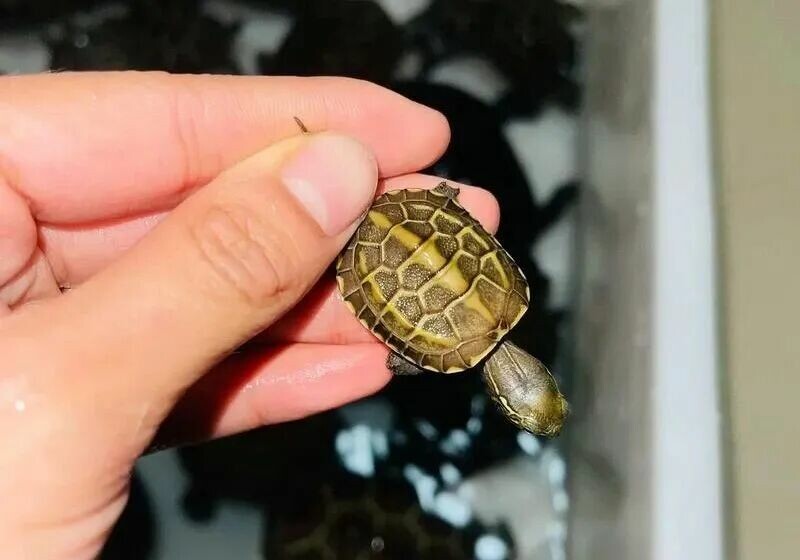
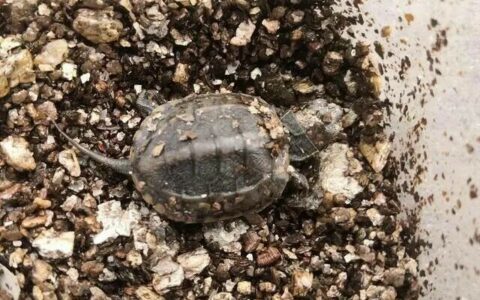
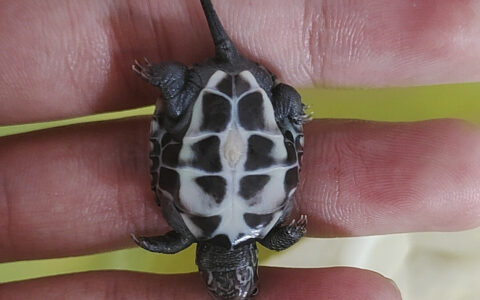
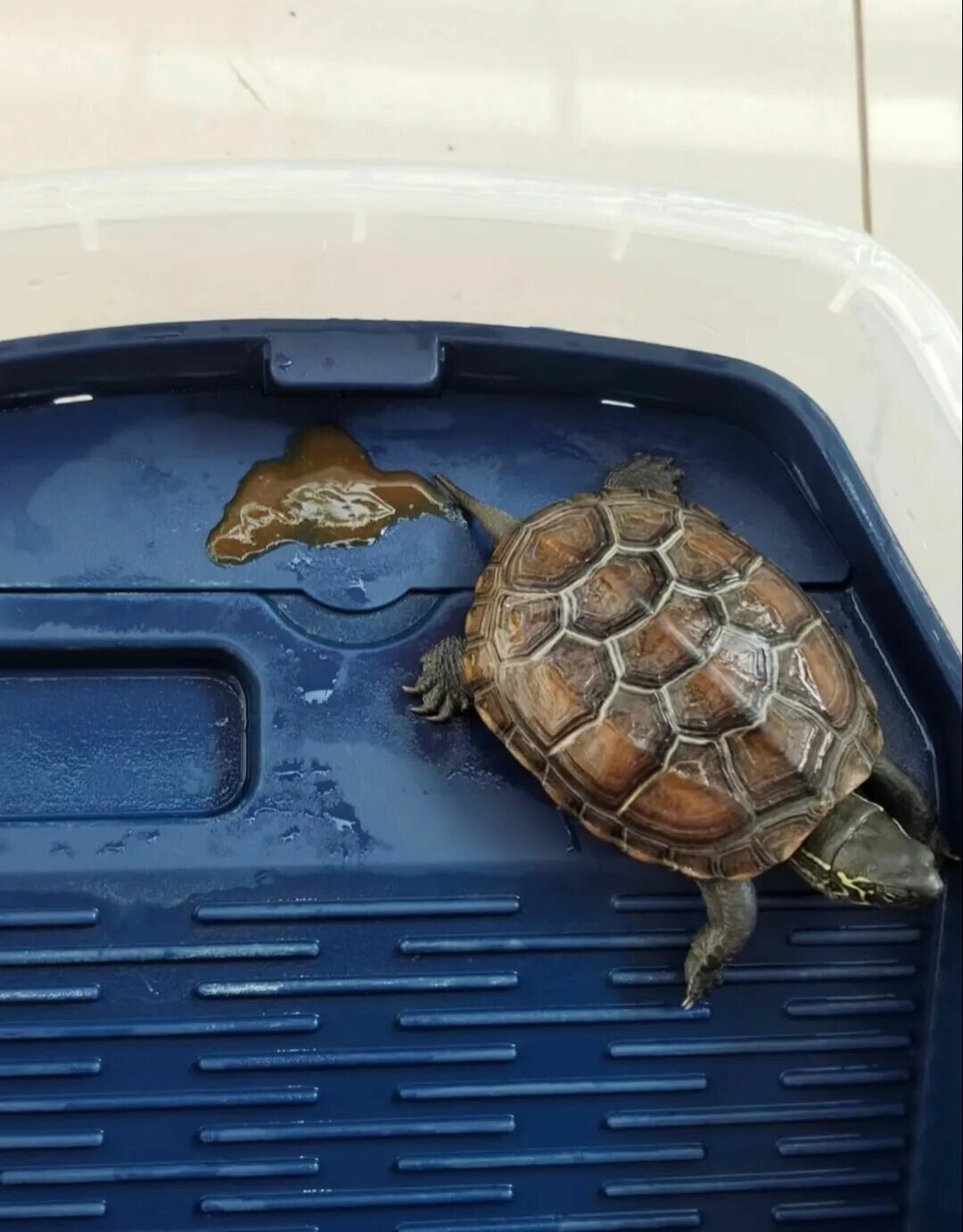
Have you also experienced such breakdown moments—the turtle hatchling you bought home with full expectation, despite careful care, suddenly refuses to eat, gets sick, or even silently drowns? You clearly followed the “tutorials,” so why are other people’s hatchlings jumping around alive, while yours became “weekly disposable” pets?
As temperatures rise, it is the time period for turtle hobbyists to buy hatchlings again. Let’s talk about those turtle-raising misconceptions that seem “reasonable” but hide murderous intent, to avoid hatchlings becoming just “shells” again.
Water Quality Management
Hatchlings do have requirements for water quality. Frequent water changes can cause water quality fluctuations, triggering issues like skin rot and white eye disease. Chlorine and PH fluctuations in tap water can also cause harm to hatchlings. It is recommended to use tap water that has been let sit for over 24 hours to treat hatchlings.
Temperature Control
Temperature differences are also fatal. Hatchlings are extremely sensitive to temperature, and excessive temperature difference is one of the main causes of death. The suitable water temperature for aquatic turtles is between 22℃ (71.6°F) and 30℃ (86°F), so it is recommended to start preparing to buy turtles after the Qingming Festival (early April).
Feeding Techniques
The digestive system of hatchlings is delicate; feeding too much or too little will affect health. It is recommended to let the hatchling rest quietly for at least 3 days after arriving home before starting feeding. Initially, focusing on turtle pellets is safer.
Disease Prevention and Treatment
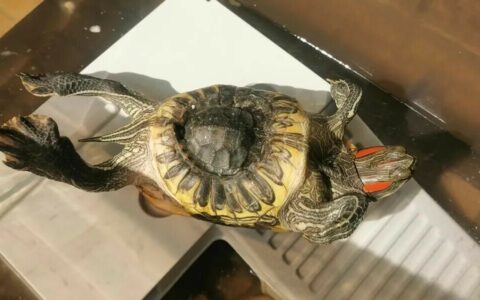
Hatchlings are prone to infections like skin rot, pneumonia, and enteritis; daily observation is crucial. Once abnormalities are found, such as refusal to eat, wounds, or abnormal excretion, they should be isolated immediately, and treatment measures taken.
Environmental Stability
Environmental stability: Reduce stress. Hatchlings are extremely sensitive to environmental changes. Frequent handling, sudden lighting, or changing the rearing environment will all lead to stress reactions.
Raising turtles is not just about providing food and shelter; it requires caring for every detail with heart. The high mortality rate of hatchlings often stems from neglecting key factors. Every small life deserves respect and cherishing. As “turtle moms and dads,” we have the responsibility to provide them with a safe and comfortable growth environment.
Of course, if you want to guarantee the survival rate, you can buy larger turtles. But we just have a “hatchling complex” and like to raise them from small seedlings. However, seedlings are always hard at the beginning, and they still test our patience.
Original article by 搬运工, if reproduced, please cite the source: https://www.kaipet.com/en/turtle-hatchlings-alive-avoid-5-major-mistakes-beginners-easily-raise-healthy-turtles


Comments(1)
Temperature control can be challenging! I’m curious if anyone has simple, effective hacks for maintaining stable water temps for their hatchlings?