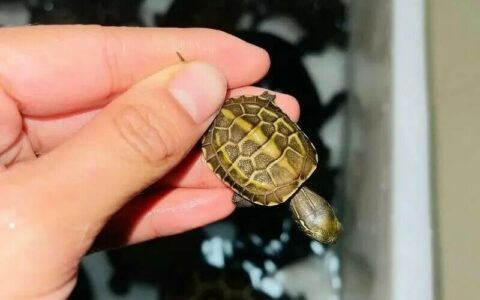
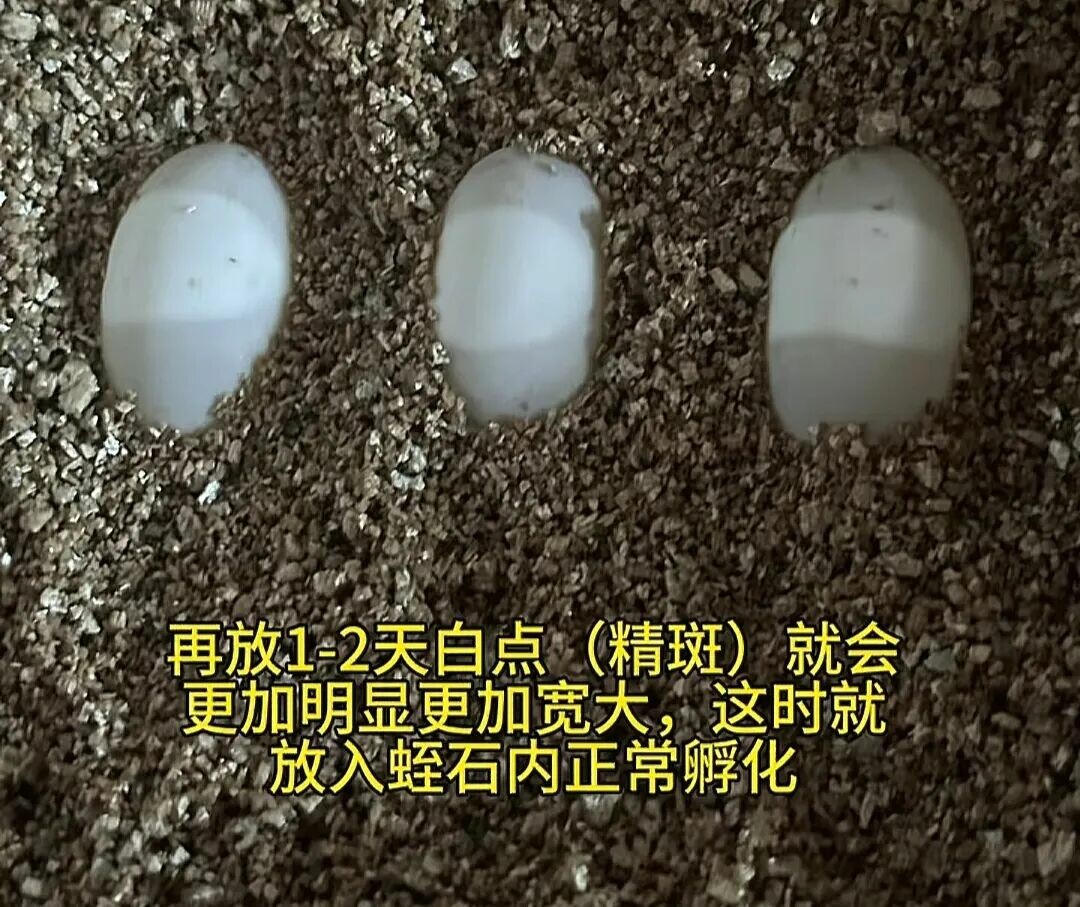
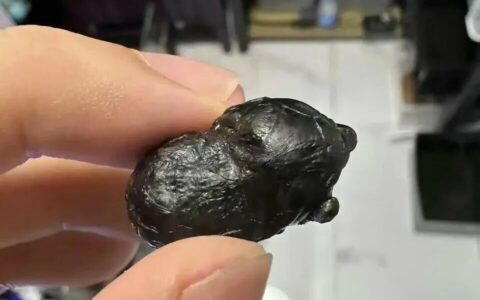
I believe many turtle enthusiasts have seen turtle sellers peeling turtle eggs in livestreams. After peeling, the little turtle hatchlings are placed on vermiculite and sent to the enthusiasts. Many friends are curious: "Why do this? Isn’t natural hatching good?" Today we are going to talk about "peeling turtle eggs."
Natural Hatching vs. Assisted Hatching
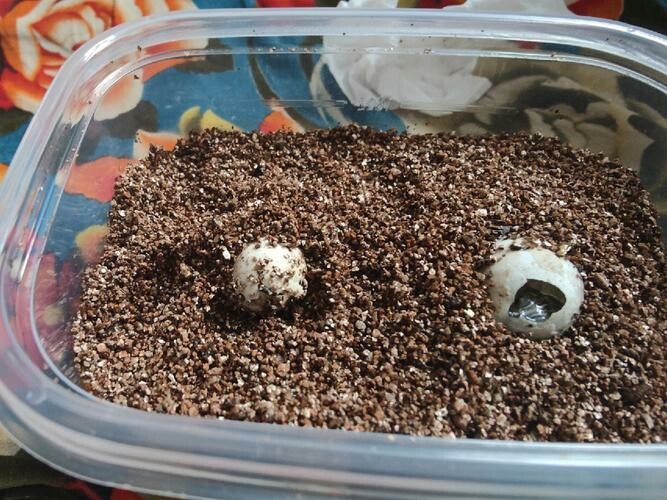
In the magical journey of turtle egg incubation, natural hatching is undoubtedly the most ideal state; it is the perfect presentation of life conforming to natural laws and coming to fruition. Assisted hatching, on the other hand, is an operation performed only under specific conditions, or perhaps, sometimes it is a move out of helplessness, or can even be called a remedial measure.
Reasons for Assisted Hatching
Novice turtle keepers often fail to grasp the critical aspect of incubation humidity accurately. Humidity that is too high or too low can affect the normal development of the turtle embryo, resulting in hatchlings with weak constitutions that are unable to break through the constraints of the turtle egg. Or perhaps the shell of some turtle eggs is inherently hard in texture, making hatching abnormally difficult. Under such circumstances, assisted hatching emerges as the beacon of hope to save the little turtles.
The Right Timing for Assisted Hatching
When a portion of the little turtles in the same batch of incubating eggs has already successfully hatched, but other eggs remain completely motionless after 1 to 2 days, this often implies that the development of these unhatched eggs has lagged relatively behind during the incubation process. The reasons for this difference may be related to many factors such as the stability of the incubation environment and the control of temperature and humidity. At this point, these unhatched little turtles are likely unable to hatch on their own due to a weaker constitution.
At this time, we need to use the method of "candling" to carefully observe the condition of the blood vessels in the head area inside the egg. If it is found that the head blood vessels have receded, this indicates that the little turtle’s respiratory system is about to switch from relying on the allantoic blood vessels to pulmonary respiration; this is the suitable moment for assisted hatching.
Turtle Egg Sweating and Artificial Intervention
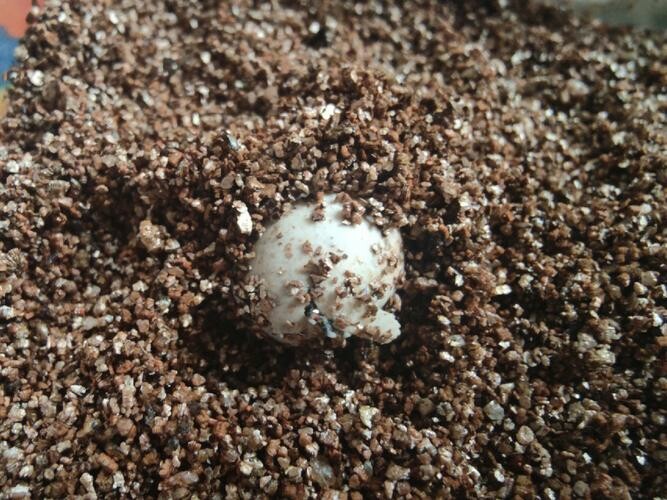
Another situation is when the turtle egg shows the phenomenon of "sweating" in the late stage of incubation. The reason for turtle egg sweating is that in the late stage of incubation, the allantoic blood vessels begin to constrict, and the albumen gradually dilutes, causing the moisture inside the egg to seep out. The allantoic blood vessels play a crucial role in the turtle’s respiration inside the egg. Once the allantoic blood vessels begin to recede, the little turtle will gradually begin to breathe with its lungs. If the little turtle still cannot break the shell after the allantoic blood vessels have completely receded, it will suffocate to death inside the egg due to the inability to breathe. Therefore, if the little turtle has still not hatched 1 day after sweating, timely assisted hatching is also required.
Livestreaming and Experienced Operations
Of course, there are also some people who simply calculate the timing because they want to satisfy their curiosity and see it quickly.
Generally, turtle eggs will change from "red eggs" to "black eggs" in the later stages. And the incubation cycle of each type of turtle is different; for example, the Chinese Pond Turtle takes about 60 days, the Yellow Pond Turtle takes about 65 days, and the Yellow-margined Box Turtle takes about 70 days. Of course, there are differences in climate and environment in different regions, and incubation methods also vary, so the actual incubation time may be earlier or later.
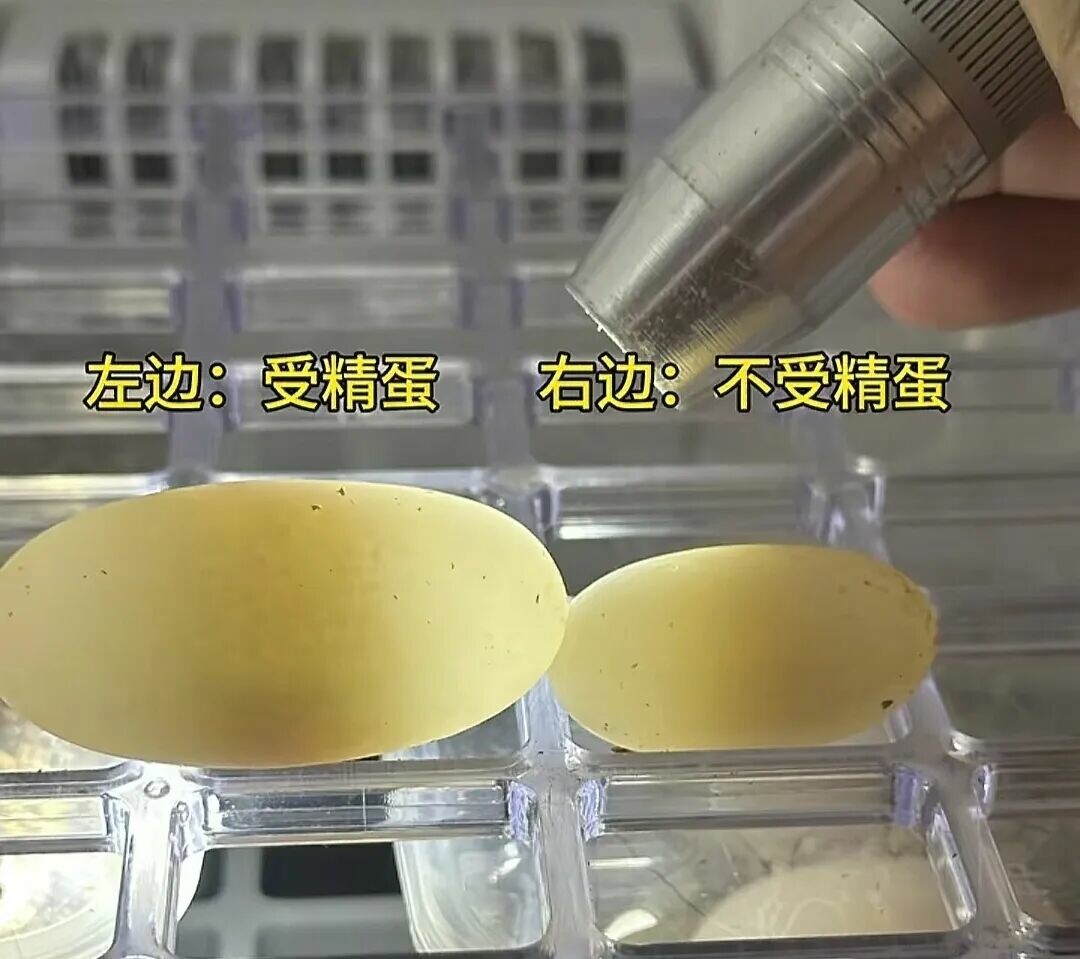
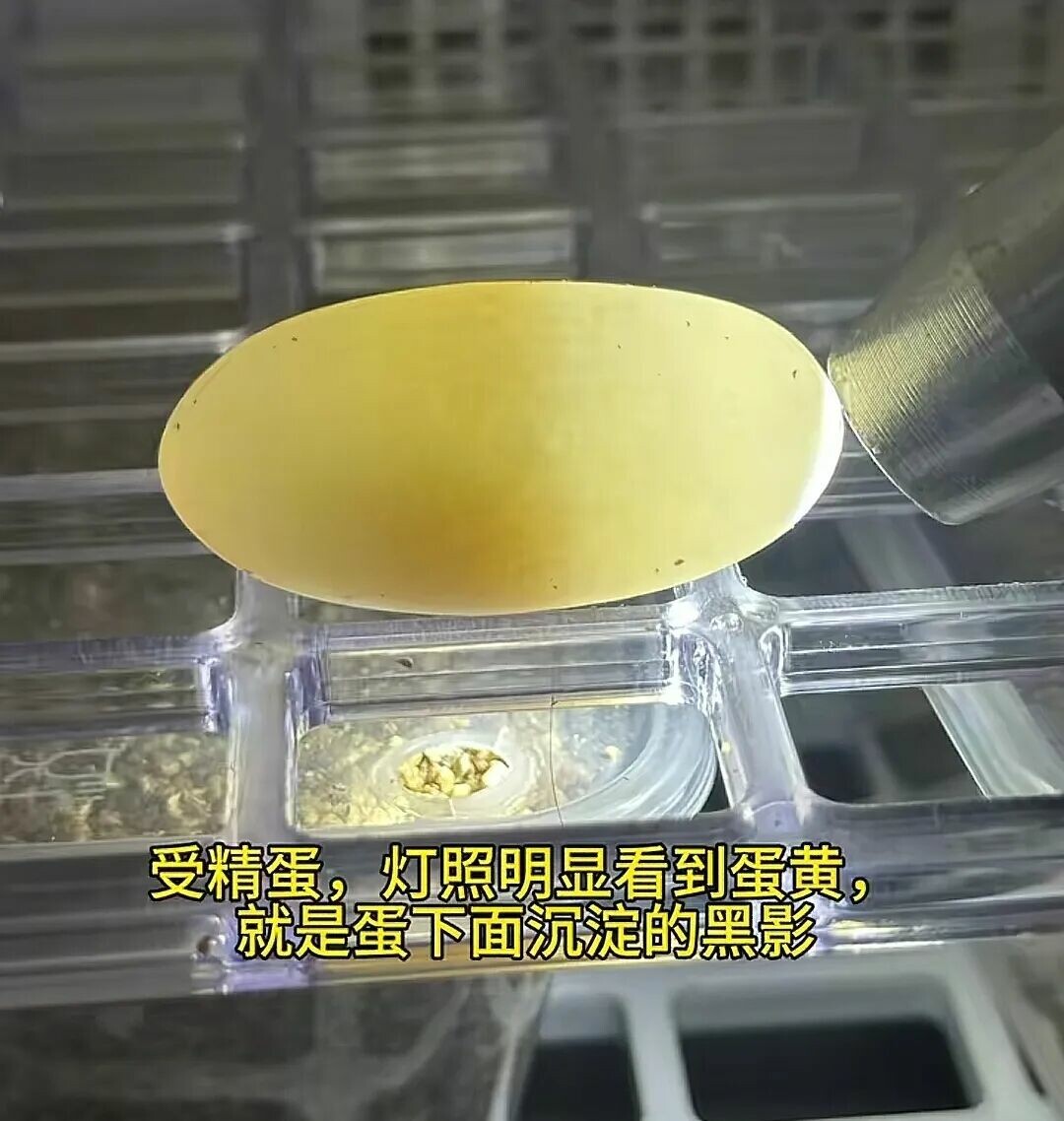
When cracks appear on the turtle egg, assisted hatching can be performed. Of course, certain senior turtle enthusiasts will use a flashlight to candle the turtle egg and observe the situation inside. If it is found that the yolk sac has shrunk to a size similar to a soybean, assisted hatching is also possible.
Summary and Closing Words
In short, turtle egg incubation is a process full of challenges and surprises. Natural hatching is the goal we pursue, while assisted hatching is opening a door of hope for the little turtles in times of danger. As turtle keepers, we need to continuously learn and accumulate experience, and master the correct incubation techniques and assisted hatching methods, so that we can allow more little turtles to come into this world smoothly and start their wonderful journey of life.
Original article by KPTer, if reproduced, please cite the source: https://www.kaipet.com/en/perform-assisted-hatching-turtle-eggs-comprehensive-analysis-common-scenarios