


Did you know that breeding the “razor-backed musk turtle” at home (note: the razor-backed musk turtle, scientific name Sternotherus carinatus, commonly called “Razor-backed musk turtle”) is actually not much more difficult than breeding the “grass turtle”?
Overview of Home Breeding for Razor-backed Musk Turtles
For turtle keepers with limited space, breeding the razor-backed musk turtle can even be simpler. Adult razor-backed musk turtles show little sexual dimorphism in overall body size, and, as with other turtles, sex can be determined by the tail. Male turtles have tails that are relatively thick and long, while female turtles have tails that are relatively thin and short.
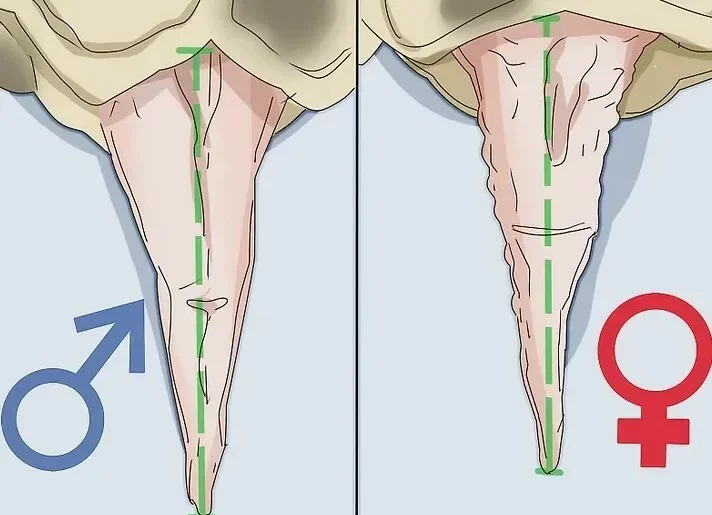
Appearance and Sex Identification
Male razor-backed musk turtles develop skin on the hind legs resembling non-slip pads, which helps the male secure the female during mating; like most “egg-laying turtles,” their courtship behavior is straightforward — once a pair takes interest in each other, they often proceed directly to mating. That behavior is difficult to describe in elegant language; sometimes the female climbs onto the male’s back. According to hobbyist reports, razor-backed musk turtles can hybridize with related “musk turtle” species, producing some interesting offspring.
Breeding Environment and Egg-laying
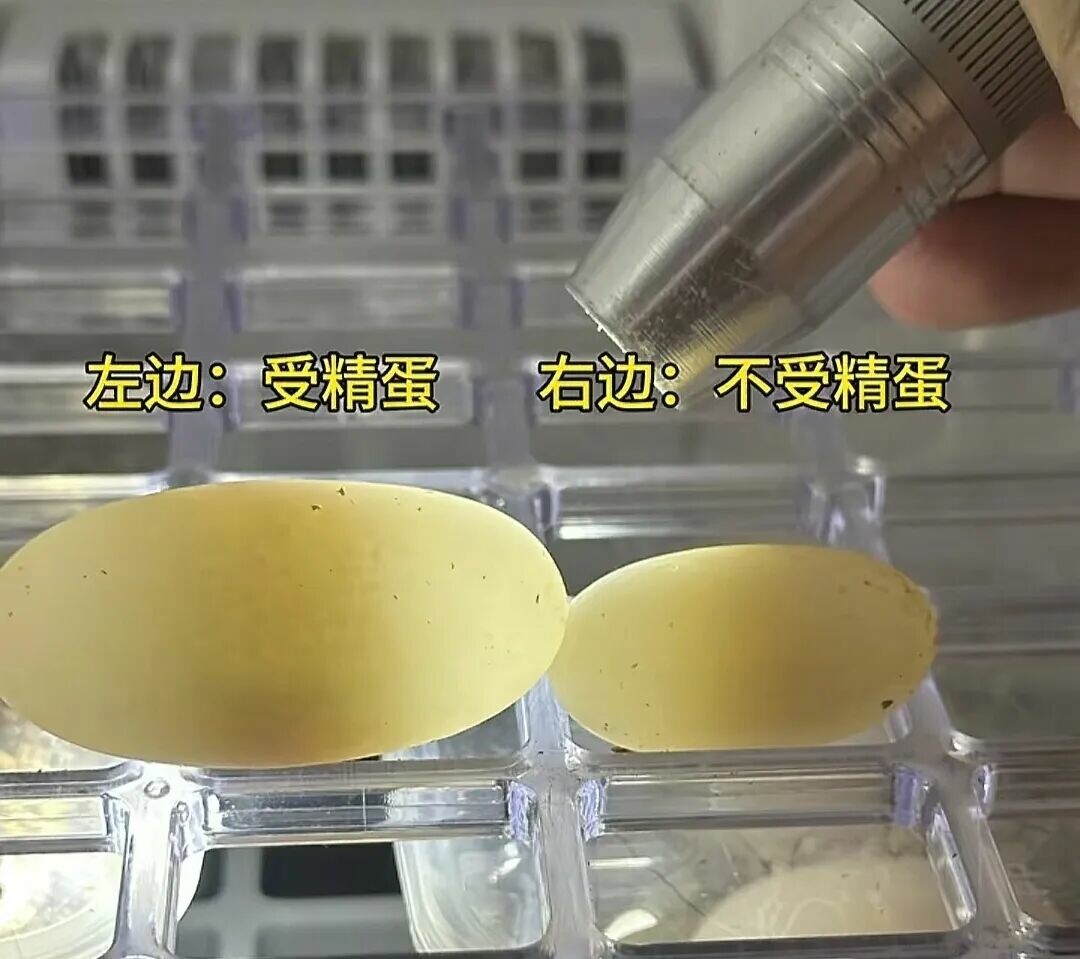
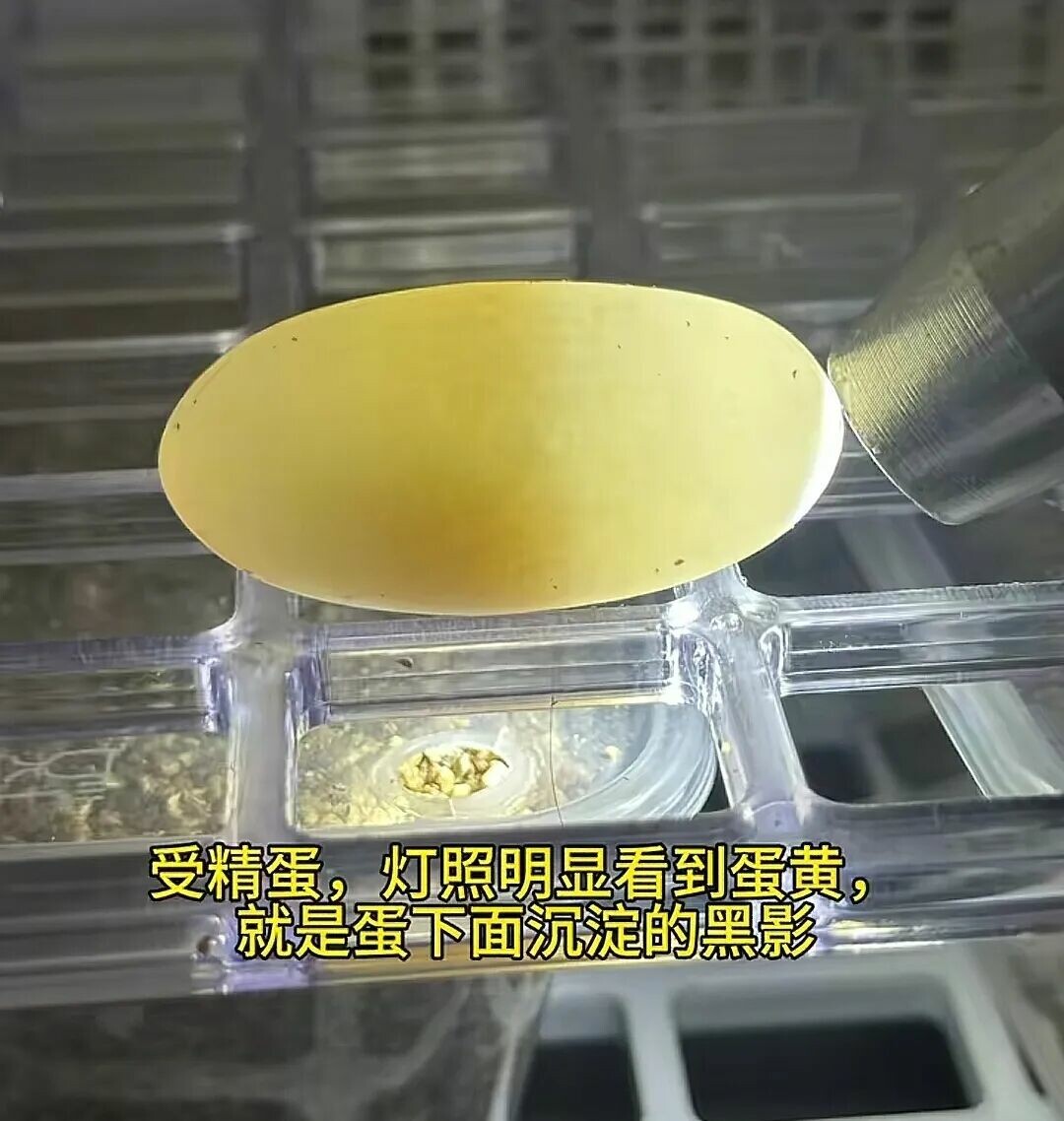
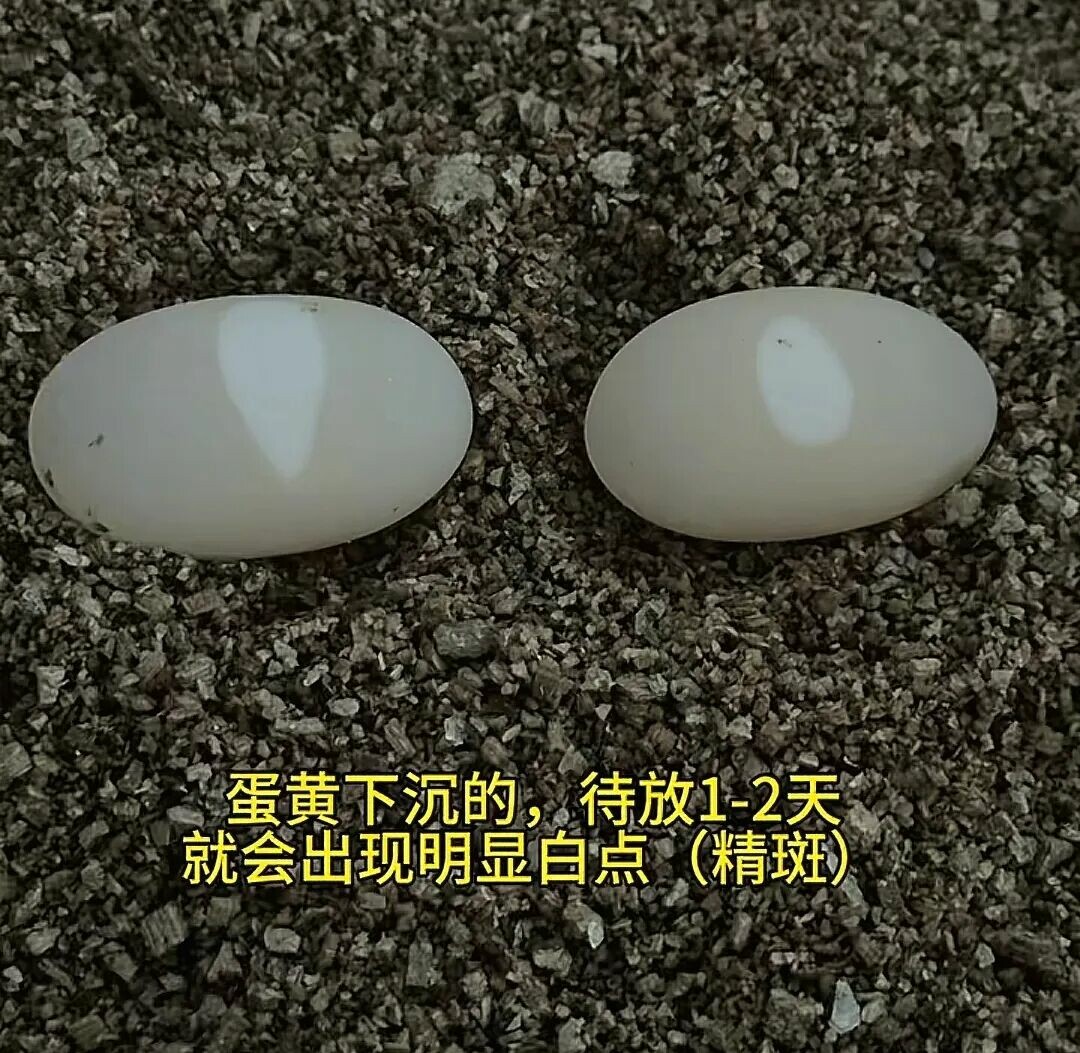
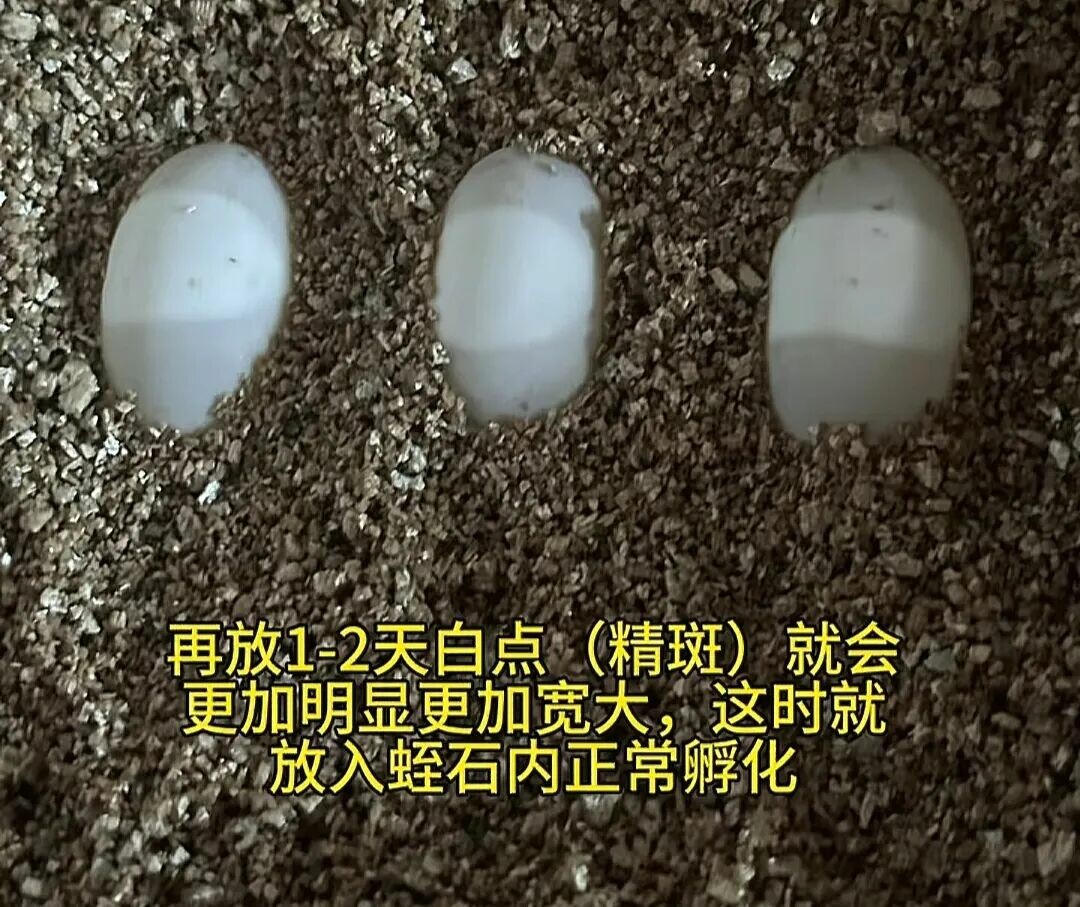
A water pool and a sand pool meet the basic requirements for breeding. Razor-backed musk turtles typically begin to lay eggs steadily at about 5 years of age. A typical female lays 3–4 clutches per year, with 2–5 eggs per clutch, so annual output is not high. For incubation, you can follow the same methods used for “grass turtle” eggs, using a prepared incubation box.
Incubation and Hatching
The incubation period is about 90 days. When the embryo begins “pipping,” the hatchling can break the shell and emerge. The overall process is relatively simple, but attention must be paid to the incubation environment’s temperature, humidity, and ventilation to ensure successful hatching and to reduce the occurrence of “stiff or moribund hatchlings” (note: a hobbyist term referring to hatchlings whose development is arrested, resulting in rigidity or severe weakness).
Original article by KPTer, if reproduced, please cite the source: https://www.kaipet.com/en/razor-backed-musk-turtle-breeding-home-detailed-guide-beginners






Comments(2)
This is a fantastic guide! I’m really curious about the interesting offspring from hybridization with other musk turtles. Any specific examples or common combinations?
@CriticX:Thank you for your kind words, CriticX! We’re glad you found the guide helpful. Regarding hybridization, while the article mentions it’s possible with related musk turtle species, specific common examples are often discussed more in dedicated hobbyist forums. We encourage you to explore those communities for more detailed insights!