

Keeping turtles is fun, but once a turtle gets sick, many new owners find themselves in a panic. Today, I (the author) will round up some common turtle diseases for everyone.
Skin Rot
Symptoms: The skin develops white or gray rotten patches. In severe cases, the skin ulcerates and peels off, and the turtle becomes lethargic with a decreased appetite.
Causes: Poor water quality, large temperature fluctuations, turtle stress, or infection from injuries can all trigger skin rot.
Treatment:
Mild skin rot is usually caused by large temperature differences and stress. You should promptly provide a hiding spot. If caught early, it often heals on its own after warming and stabilizing the temperature (refer to the previously shared heated convalescence method).

Pneumonia (Common in Autumn)
Symptoms: Floating, constantly staying on land to rest, refusing water and food, open-mouth breathing with audible respiratory sounds, and keeping its eyes closed to rest all day.
Causes: Excessive temperature differences, for example, being in an air-conditioned room or large temperature differences between old and new water during water changes.
Treatment: For mild symptoms, the heated convalescence method can be used. If severe, add 1g each of an electrolyte and multivitamin supplement and astragalus polysaccharide to 2000ml of water for a medicated bath lasting 6 – 8 hours (self-medication is not recommended for beginners).

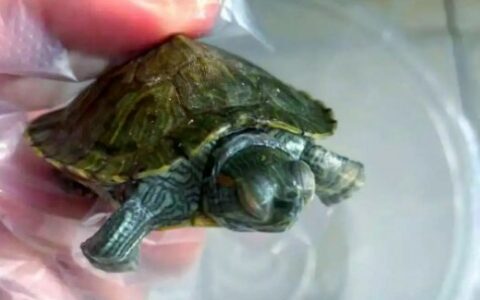
White Eye Disease (Common in slider-type turtles)
Symptoms: The turtle’s eyes are swollen and white, with the eyeball covered by a white discharge. In severe cases, it cannot open its eyes and moves sluggishly.
Causes: An oily film on the water (note: produced after feeding high-fat foods like pork), water pollution, or bacterial infection.
Treatment: This can be caused by feeding raw meat in a bare-bottom tank without timely cleanup. Change the water and use the heated convalescence method. You can use a cotton swab to clean the eye discharge. In severe cases, apply special turtle eye drops. After applying the drops, keep the turtle out of water (dry docking), 2 – 3 times daily.

Enteritis
Symptoms: Abnormal defecation, such as diarrhea or bloody stool, decreased appetite, and reduced activity (Note: Symptoms are similar to pneumonia, so observe carefully to avoid confusion).
Causes: Improper feeding (such as feeding spoiled food or feeding too frequently), or gastrointestinal infection due to poor water quality.
Treatment: Stop feeding for 2 – 3 days. Use the heated convalescence method to let the turtle’s gastrointestinal tract rest. You can feed a small amount of probiotics to regulate the gut. In severe cases, gastrointestinal medications are required.
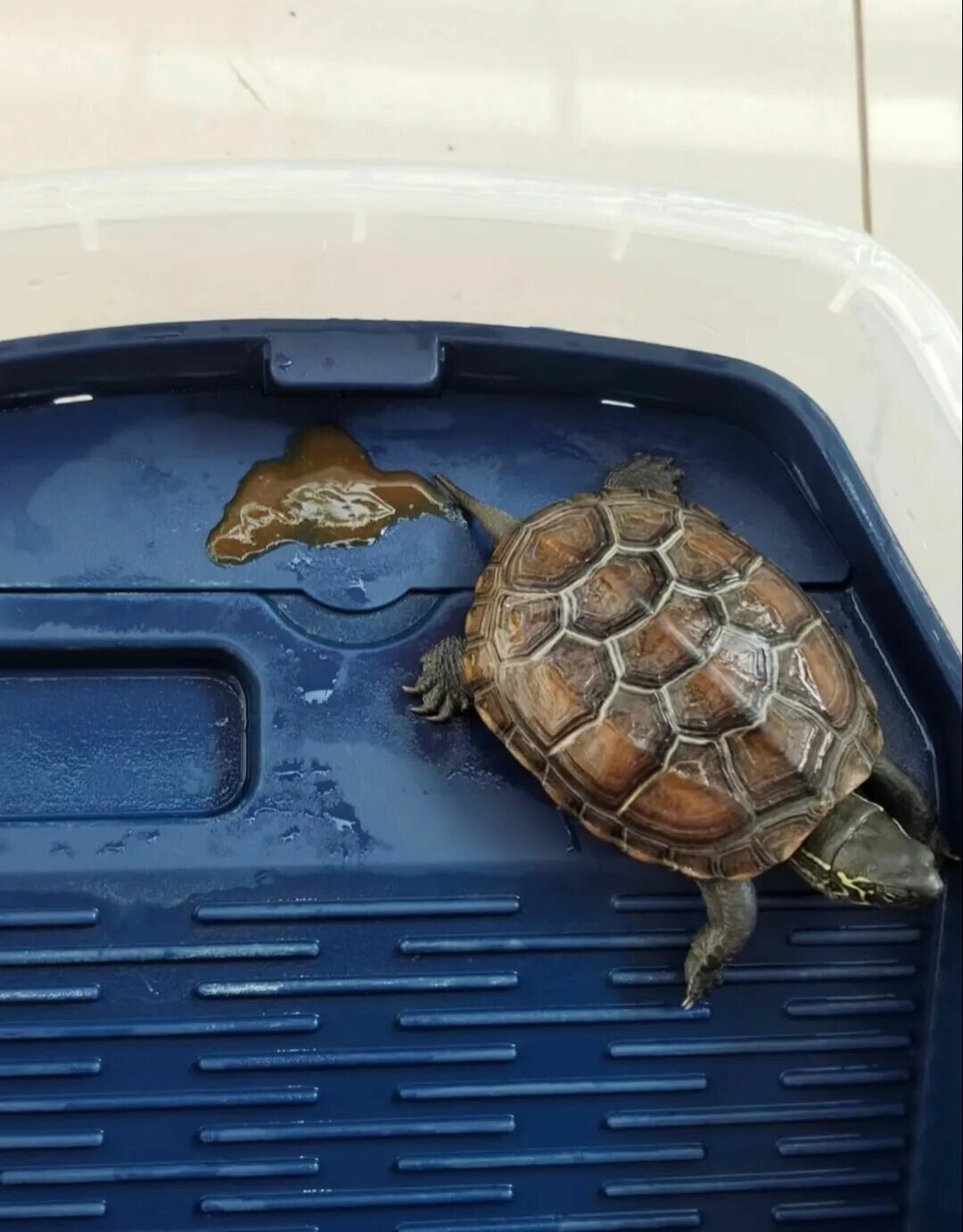
Shell Rot
Symptoms: The turtle’s shell appears pitted, damaged, or rotten, with an abnormal shell color. In severe cases, the dermis is exposed.
Causes: Poor water quality, lack of calcium and vitamins, infection from injuries, etc.
Treatment: Improve water quality and ensure the turtle is provided with calcium-rich food (like dried shrimp, calcium powder). For mild shell rot, you can clean the decayed area, apply povidone-iodine for disinfection, and keep the turtle out of water (dry docking).

Having kept turtles for many years, I don’t keep medicine on hand. The key to turtle keeping is prevention, and I rarely encounter sick turtles. Prevention is better than cure. Do a good job with daily care. Follow us for more updates. Next time, I will talk about what to do when medication is absolutely necessary.
Original article by 搬运工, if reproduced, please cite the source: https://www.kaipet.com/en/read-turtle-keepers-prevention-treatment-skin-rot-pneumonia-white-eye-disease




Comments(2)
Great tips! Since you emphasize prevention, what daily care routines do you find most effective to keep turtles healthy?
@CriticX:Thank you for your insightful question! The author highly emphasizes prevention. Key daily routines include maintaining pristine water quality, stable temperatures, and a stress-free environment. We’re glad you found the tips helpful and encourage continued learning on our site!