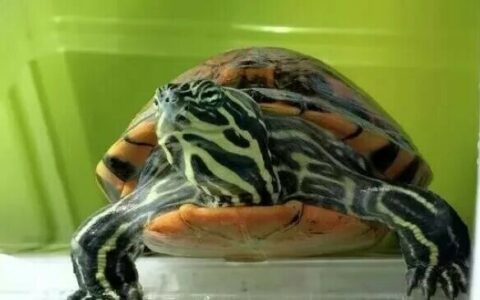
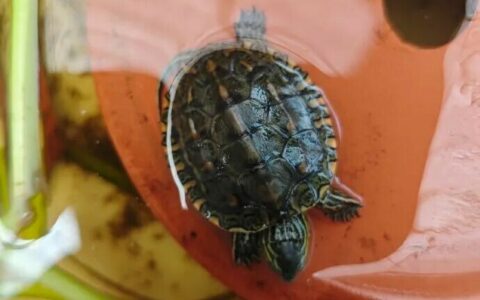
Every autumn and winter season, you find that turtle prices drop a bit, and price drops naturally touch everyone’s heart. But autumn and winter are not the best times to buy turtles; the turtles arrive home and have to face winter before they have time to adapt to the environment. Yet there are always many turtle hobbyists who buy new turtles hoping for luck, fantasizing about letting their beloved turtles survive the winter safely through heating or hibernation.
But reality is often cruel. Of these turtles bought in autumn and winter, very few can live until spring. Even in the warm southern regions, one cannot escape this “curse.” Recently, I’ve heard complaints from many turtle hobbyists that the turtles they bought last autumn or winter are now not a single one left. What secret is hidden behind this?
Challenges Faced When Buying Turtles in Autumn and Winter
In autumn and winter, turtles are in a period of physiological adjustment. Temperatures drop sharply, the turtle’s metabolism slows down, and immunity declines. Buying new turtles at this time means they not only have to adapt to a new environment but also deal with the double pressure brought by temperature changes.
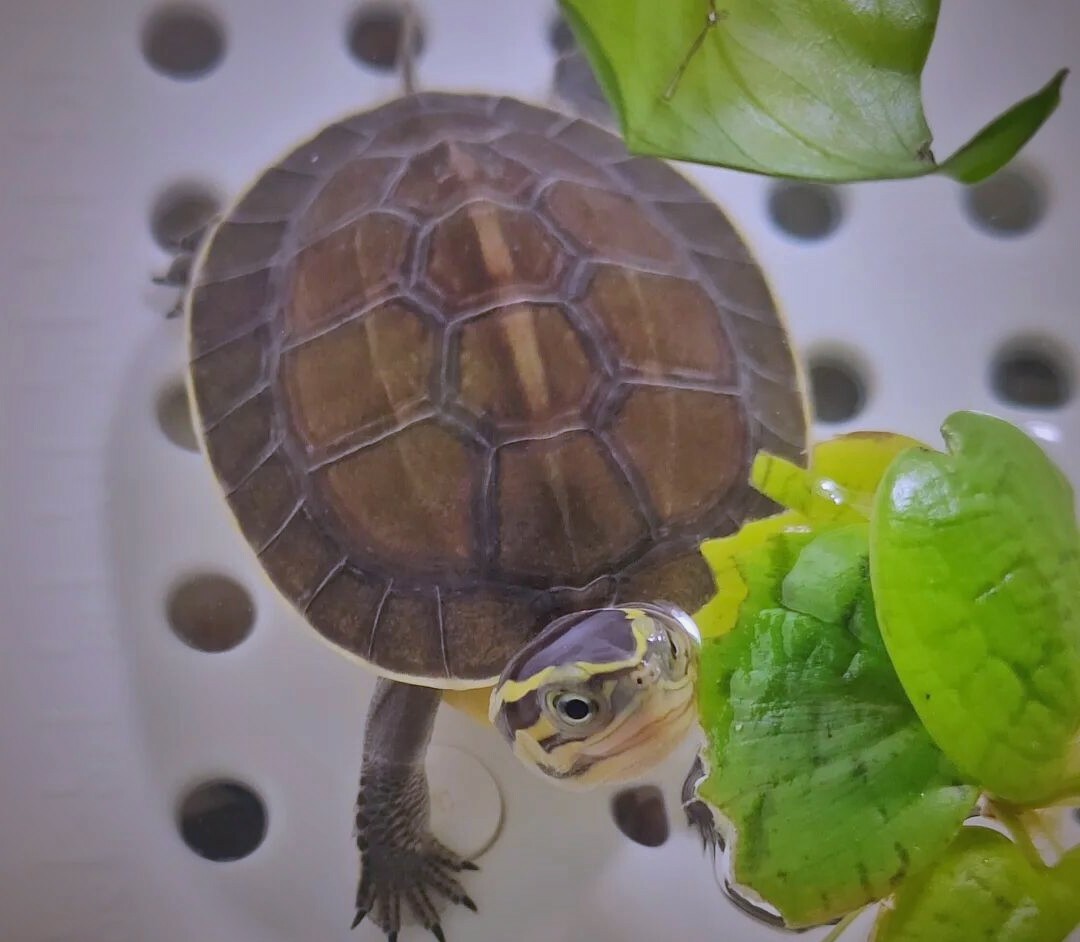
Even if kept warm (using a heater), it is difficult to completely simulate the native environment. Turtles are prone to stress reactions, leading to problems like refusal to eat and declined immunity. Especially with hatchlings (young turtles), they might even be late-season hatchlings (the last batch of hatched turtles), still in the period just after breaking the shell with weak constitutions, making it even harder to grasp their care.
Hibernation is even more of a “nightmare” for novice turtle hobbyists. Before hibernation, a series of professional operations like gut clearing and temperature control are needed; the slightest mistake will lead to the turtle’s death during hibernation. Even experienced turtle hobbyists dare not guarantee that every turtle can hibernate safely.
Moreover, many turtles were already being heated when they were with the seller, so what you see in live streams or videos are “lively and active” ones. But once they leave the greenhouse, face the cooling climate outside, undergo the long journey of express delivery, and even large regional differences, it is another test of the turtle’s physique and adaptability, as well as a test of the turtle hobbyist’s care and patience after receiving the turtle.
Spring and Summer: The Golden Period for Buying Turtles
In comparison, spring and summer are the “golden periods” for buying turtles. From April to June, temperatures are suitable, and turtles have high activity and strong adaptability. Buying new turtles at this time gives them ample time to adapt to the new environment, store energy, and prepare for the coming autumn and winter. Although the weather is hot from July to September, as long as cooling measures are taken during transport, it is also a good time to buy turtles.
Be Cautious When Keeping Turtles
Keeping turtles is also a discipline that requires patience. Rather than taking the risk to buy turtles in autumn and winter—where on the surface you save some money because turtles are cheaper, and you get the turtle you desire—but you can’t keep them alive and end up “collecting shells,”isn’t that still letting “good money go down the drain”? Actually, the loss is more serious; you just experienced the joy of unboxing.
Of course, there are certainly turtle hobbyists who can successfully raise them. But didn’t most turtle hobbyists send the turtles that arrived in autumn and winter to “Turtle Planet”? This still shows that risks outweigh the benefits.
Why not wait until the coming spring to give your beloved turtle a better start? Keeping turtles is not to satisfy a momentary buying desire, but to be responsible for these little lives. What do you think?
Original article by 搬运工, if reproduced, please cite the source: https://www.kaipet.com/en/buying-turtles-winter-avoid-3-fatal-pitfalls-leading-collecting-shells-spring