

Anyone who has kept turtles knows that when the temperature drops, some might say their turtle is just ‘too sleepy to wake up,’ but it turns out a cold has dragged on and become pneumonia. Don’t wait until your turtle is floating motionless to panic! Below is all ‘solid advice’to teach you how to identify it at a glance + ‘save your turtle’s life’!
Identification and Treatment of Turtle Colds and Pneumonia
Common Symptoms of a Turtle Cold
Early Stage: The turtle starts to have a runny nose, its appetite begins to decrease, it becomes lethargic, and there are bubbles in the water. Mid-Stage: The runny nose worsens, it breathes with its mouth open, is less active, starts to keep its eyes closed, and refuses to eat. Late Stage: Difficulty breathing, making sounds, floating on the water or staying near the bank, and the body becomes thin.
Causes of Colds
Sudden temperature changes, such as a large diurnal temperature difference, a significant temperature difference when changing water, or setting up a basking area out of the water after heating the tank.

Treatment Methods
Early Stage: Change the water and maintain a temperature of 28-30°C. Soak the turtle in Vitamin C (1/4 of an effervescent tablet per liter of water) for 30-60 minutes per day. The water level should not be higher than the carapace. Results should be seen in 2-3 days.
Mid-Stage: Soak in Amoxicillin for 40-60 minutes, 1-2 times per day. Dry-dock (remove the turtle from the water and keep its body dry) for 2-3 hours (at 28-30°C). Keep it in shallow water (up to the edge of the shell (the margin of the turtle’s plastron, where the carapace and plastron connect)) with added glucose / multivitamins. Symptoms should alleviate in 3-5 days.
Late Stage: Consult a licensed veterinarian for injection treatment, or increase the Amoxicillin dosage and soak for 1-2 hours, 2 times per day. Dry-dock for 3-4 hours (at 28-30°C), and keep it in shallow water (below the edge of the shell) with added electrolytes. It may take 1 week or longer to see results. If the condition is severe, the treatment may not be effective.

Preventive Measures
Prevention is ‘super simple’: Don’t be lazy about these 3 things.
A heating rod is a ‘must-have’: Plug it in when the water temperature is below 20°C. Before changing the water, let the new water sit until it reaches the same temperature as the old tank water. A difference of 3°C can easily cause a cold.
‘Don’t change the water every day’: Changing 1/3 of the water is sufficient. Scoop out any leftover food residue immediately, otherwise the water quality will deteriorate, making the turtle more susceptible to illness.
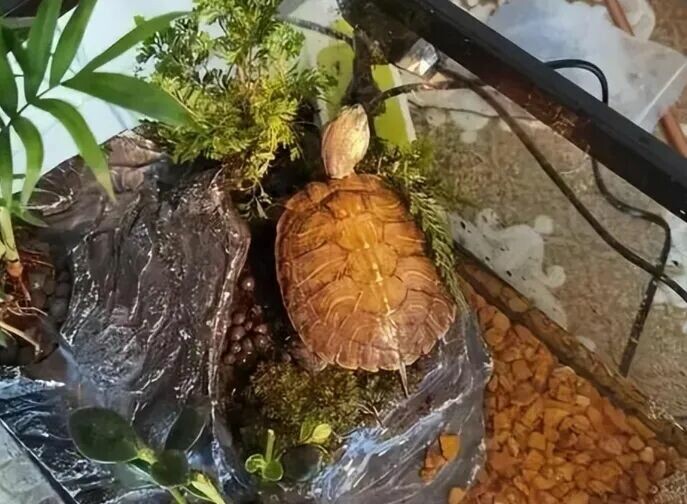
Keep the basking platform: Even if there is no sun in winter, turn on a UVB lamp (Ultraviolet B lamp) for 2 hours. This can enhance the turtle’s immunity and reduce illness.

Additionally, if you suspect your turtle has pneumonia, ‘don’t recklessly use’Cephalosporin on your own; the wrong dosage can harm the turtle. You can first dry-dock the turtle on a damp towel to maintain humidity while waiting for a vet’s guidance. In the process of raising turtles, don’t ‘fuss over them unnecessarily.’Avoid constantly taking the turtle out to play. A stable water temperature and environment ‘is better than anything.’ Most colds, if detected early, can be cured.
Original article by 搬运工, if reproduced, please cite the source: https://www.kaipet.com/en/turtle-pneumonia-cold-symptoms-treatment-prevention-novices-winter-aid-guide


Comments(2)
This guide is so helpful! I’m curious, what are some *very subtle* early cold signs new owners might easily miss?
@CriticX:Thank you for your kind words! You’ve highlighted an important aspect. Early signs like a slight decrease in appetite, mild lethargy, or occasional bubbles in the water can be very subtle and easily missed by new owners. Close, daily observation is indeed crucial.