

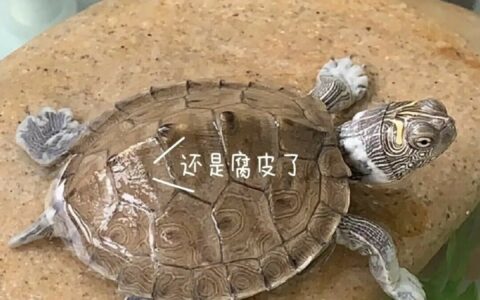
Turtle-keeping friends have surely encountered situations like stress reactions, skin rot, or refusal to eat or enter the water. In a panic, many just pile on various ointments and medicated baths, and some even resort to soaking their turtles in black tea, Mizone, or Red Bull. > I can only say that’s utterly absurd, and the result is that the turtle’s condition gets worse and worse🤦🏻♂️. Today, I’ll teach you a simple and reliable method—heating and isolation, to let your little turtle pull through its sick period on its own!
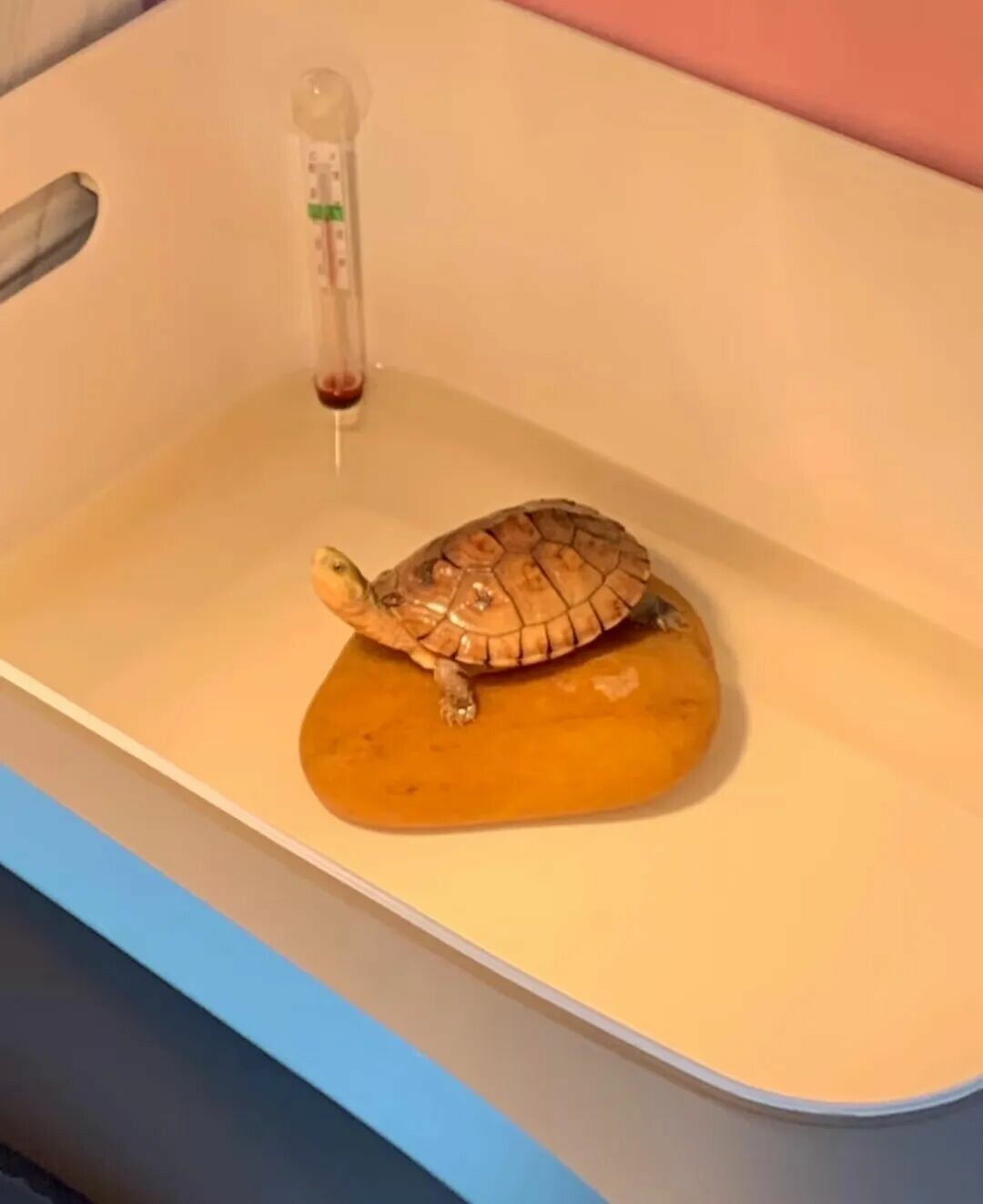
Operational Guide for the Heating and Isolation Method
Prepare the Heating Environment (Container and Heater)
Find a container that is slightly larger than the turtle (preferably with a lid, and the lid should have holes for ventilation). If the turtle was originally in a large tank, you need to remove it and place it in the small container alone.
Note: If you heat the turtle directly in a large tank, the open environment allows heat to evaporate and be lost easily. A large body of water will also have temperature gradients; the water near the heater gets hot first, while the water far from the heater remains cool. The larger the body of water, the more pronounced the temperature differences throughout the tank (filtration can help circulate water to reduce some of these differences). Turtles can very easily get sick in water with fluctuating temperatures, which is why turtles kept in heated tanks during winter are prone to illness, skin rot, and shell rot. In winter, it is recommended to respect the laws of nature and let them hibernate naturally (I have posted before about how turtles hibernate).
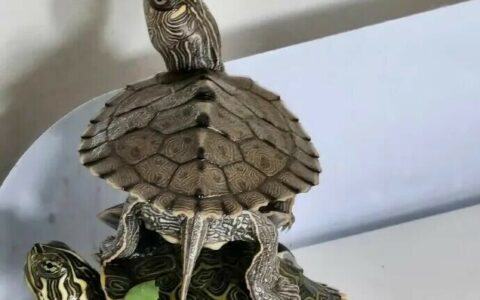
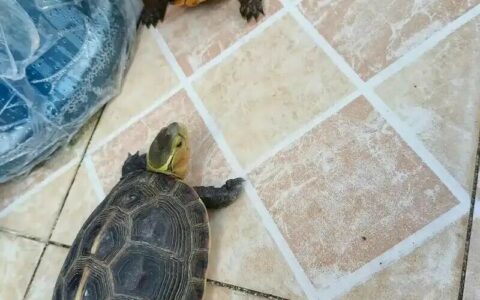
An open turtle-keeping environment is shown below:
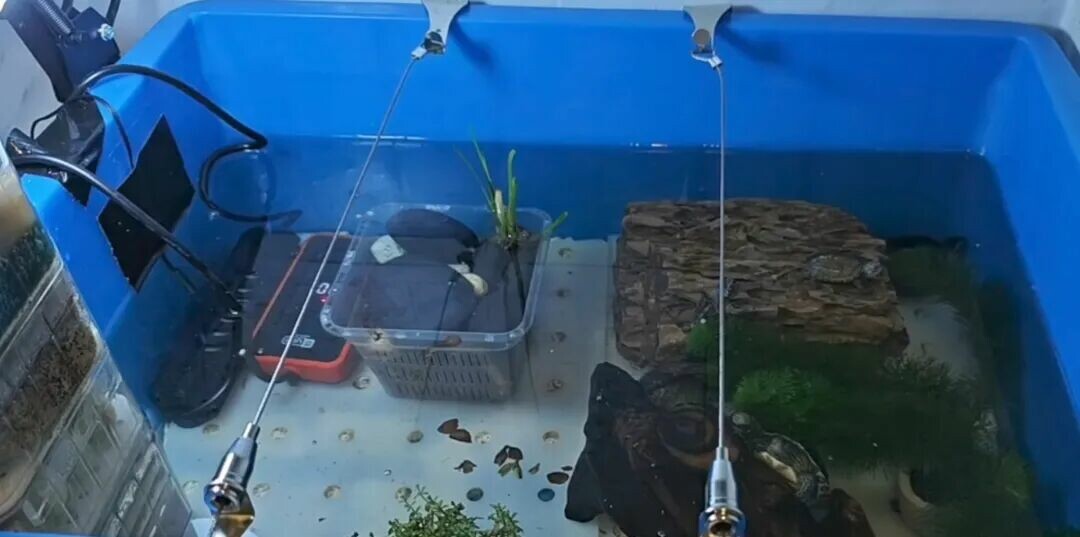
Water level requirements for heating and isolation: It should not be too high or too low, but it must submerge the heater. Ensure the turtle can stick its head out of the water to breathe, but its back does not emerge from the water (hold the turtle vertically; this water level is just right).
Raise the Temperature Slowly to Give the Turtle Time to Adapt
The water temperature should not be raised too high all at once; it must be done step-by-step. Raise it by 1°C or 0.5°C in the morning, then another 1°C in the afternoon, ultimately stabilizing the water temperature at 28-30°C.
During Isolation: ‘Doing Nothing’ is the Best Care
After raising the temperature, let the turtle rest in isolation for 3-4 days. During this period, you must: not feed it, not change the water—don’t touch it even if the water is dirty with feces. If you have a lid, cover the container to reduce external disturbances. As long as the turtle can still move, just let it be.
Observe Recovery and Gradually Lower the Temperature
After a few days, observe the turtle’s condition. If it had skin rot, it will start to heal on its own. Try tossing in one or two turtle pellets. If the turtle can eat and excrete normally, it means it has mostly recovered.
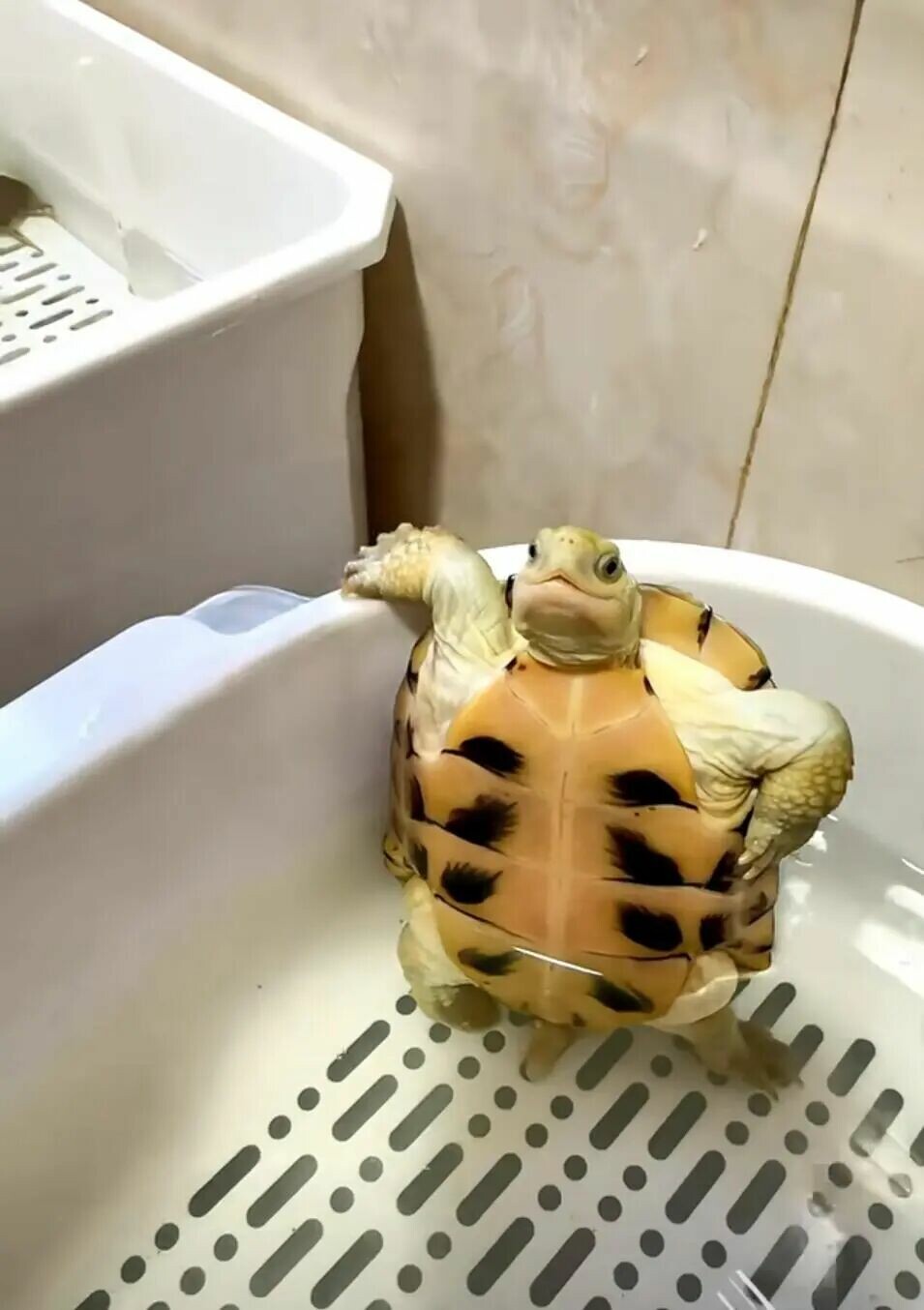
At this point, you can slowly lower the temperature, reducing it by 0.5°C per day to prevent the turtle from experiencing stress again. Never move it directly from 30°C water into 20°C water.
Why Can Heating and Isolation Treat Illness?
Turtles are cold-blooded animals (poikilotherms), meaning their body temperature changes with the ambient temperature. When the environmental temperature is too low, a turtle’s metabolism slows down, and its immunity and recovery ability also decrease, making it susceptible to illness. Heat therapy can help the turtle raise its body temperature, boost its metabolism, enhance its resistance, and facilitate recovery.
Conclusion: For Treating Turtles, ‘Patience’ is More Important Than ‘Panic’
Often, a turtle’s self-healing ability is stronger than we imagine. When encountering minor issues like skin rot, stress, or loss of appetite, instead of rushing to stress it out with medications, it’s better to try the heating and isolation method—give the turtle a stable environment and let it recover on its own.

Of course, if you have other methods you trust more, you can do it your way. But for beginners, this approach of minimal intervention, relying on temperature to aid self-healing, is often the safest choice.
Follow for more so you don’t get lost. If you found this useful, remember to share it with your turtle-keeping friends.
Original article by 搬运工, if reproduced, please cite the source: https://www.kaipet.com/en/turtle-sick-complete-guide-heating-isolation-method




Comments(2)
This guide is so helpful! I’m curious, if a turtle shows no improvement after 3-4 days, what’s the next recommended step?
@CriticX:Thank you for the kind feedback! If your turtle shows no improvement after 3-4 days, it’s wise to consult a veterinarian specializing in reptiles. While this method is effective for common issues, persistent illness may require professional diagnosis and intervention. We hope your turtle recovers soon!