

We’re already past mid-September, and while it’s still very hot in southern China, the same can’t be said for the north. Attention, fellow turtle enthusiasts—now is the “golden preparation period” for getting turtles ready for hibernation! Our fellow keepers in the north, in particular, may have already noticed that as the weather turns cooler, their turtles are noticeably less active and may even have difficulty eating.
Don’t wait until the temperature drops to rush frantically! Combined with some of my own views, I’ve compiled some relevant points for everyone’s reference. From “autumn fattening”to “gut cleansing,” from adjusting the basking platform to controlling temperature differences, this guide will walk you through the scientific steps to help your turtle overwinter safely!
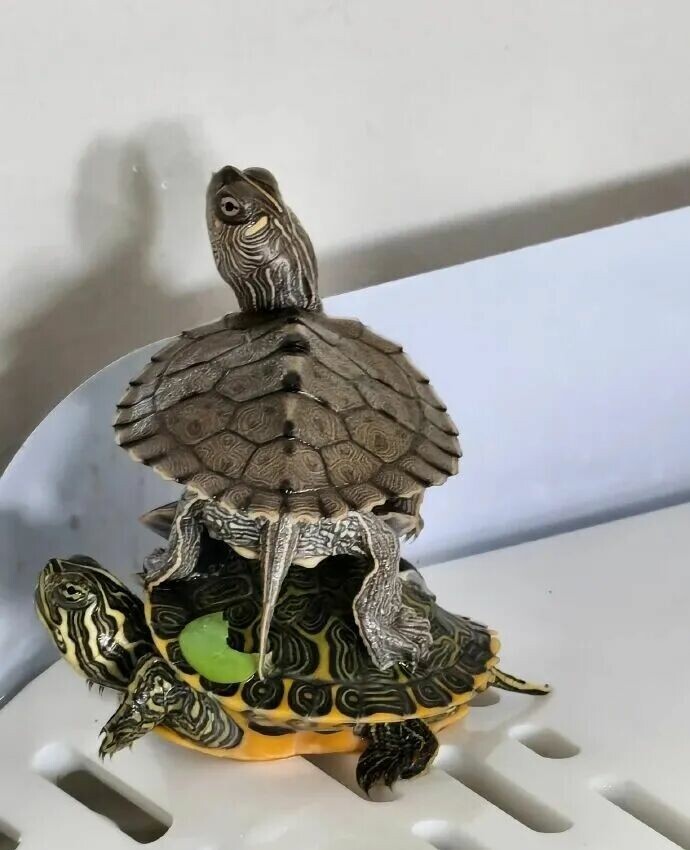
Determining if a Turtle Can Hibernate
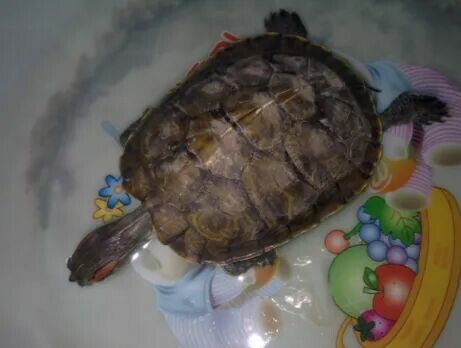
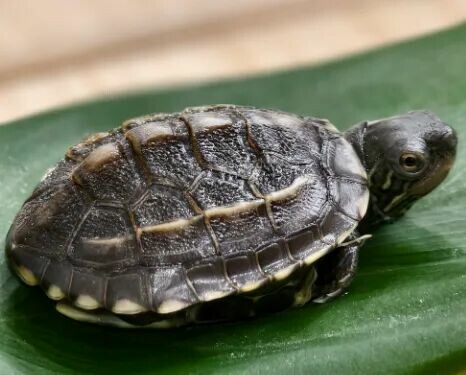
Not all turtles are suitable for hibernation! Species that can hibernate: Temperate aquatic turtles such as Chinese pond turtles, red-eared sliders, etc. Health standards: Carapace free of rot, eyes clear with no discharge, stool well-formed with no unusual odor. It is recommended that first-clutch hatchlings (the first batch of hatchlings of the year) with a body length ≥ 5 cm, normal summer growth lines, and no history of illness can attempt hibernation (but be aware: the hibernation mortality rate for first-clutch hatchlings is 30% higher than for adults! Proceed with caution!).
Species that cannot hibernate:
- Tropical turtles (e.g., pig-nosed turtles, yellow-spotted river turtles, etc.)
- Juvenile turtles with a body length < 5 cm can also hibernate, but the risk is higher.
- Sick turtles. These turtles need to be kept warm through the winter: use an aquarium heater to maintain the water temperature at a stable 25–28°C to prevent metabolic disorders!
Scientific “Autumn Fattening”
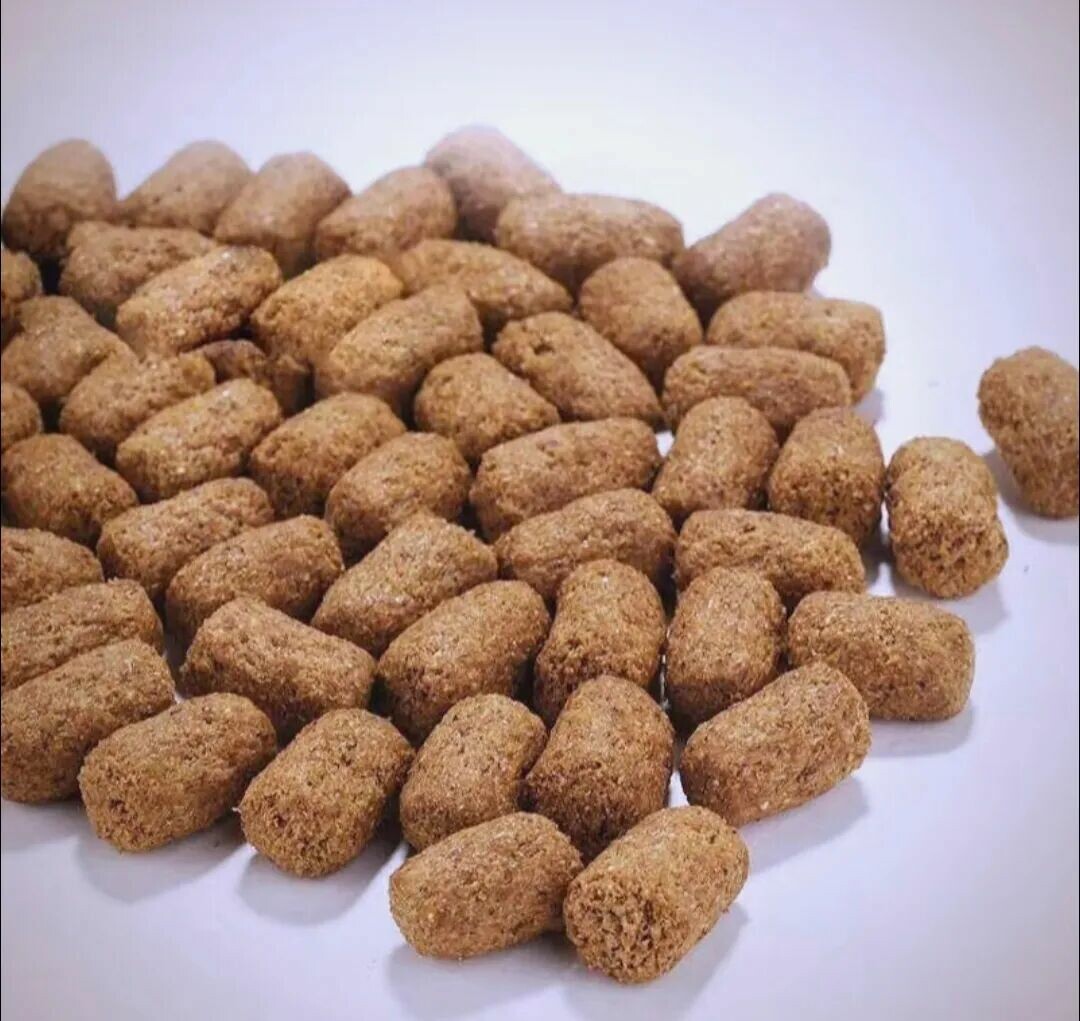
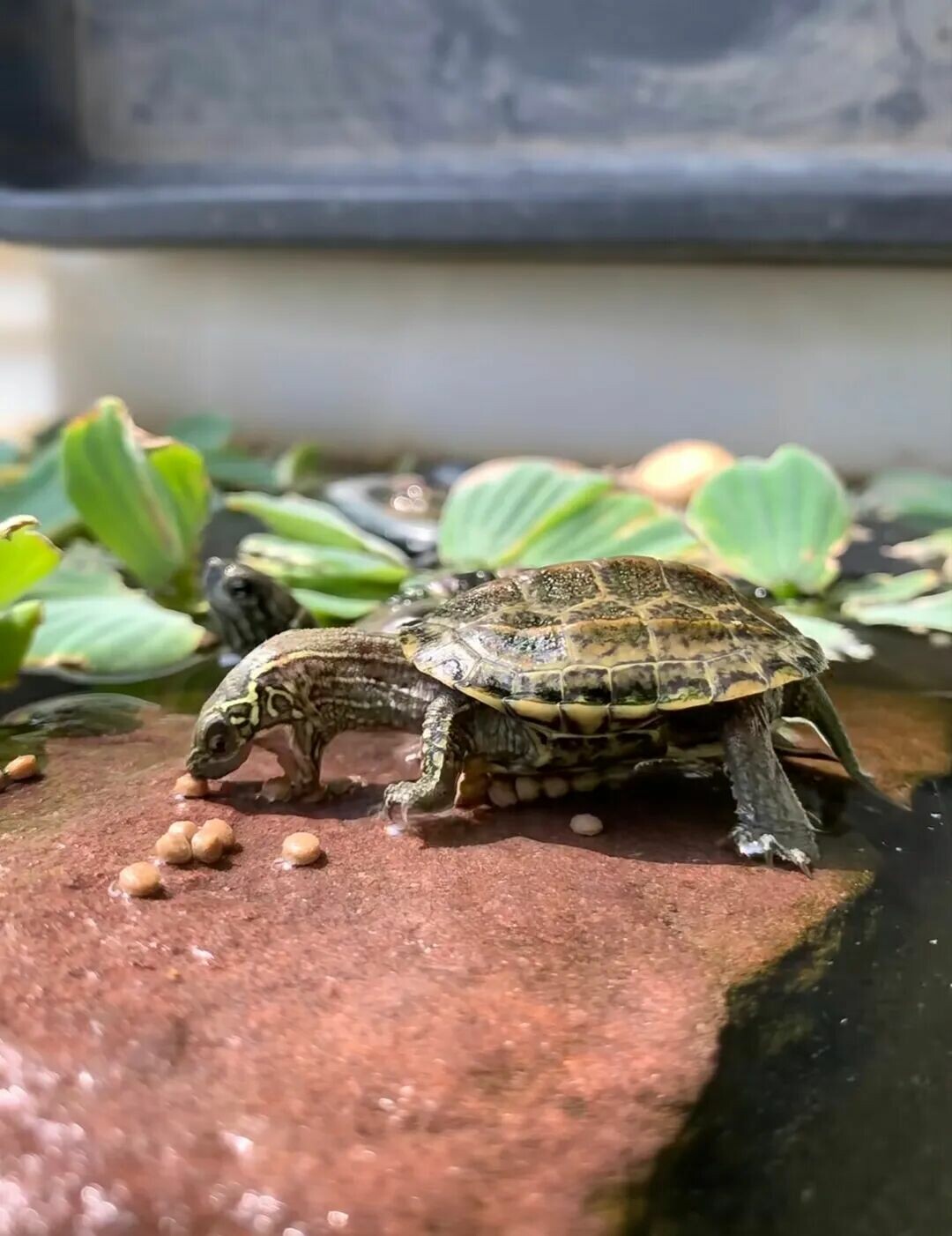
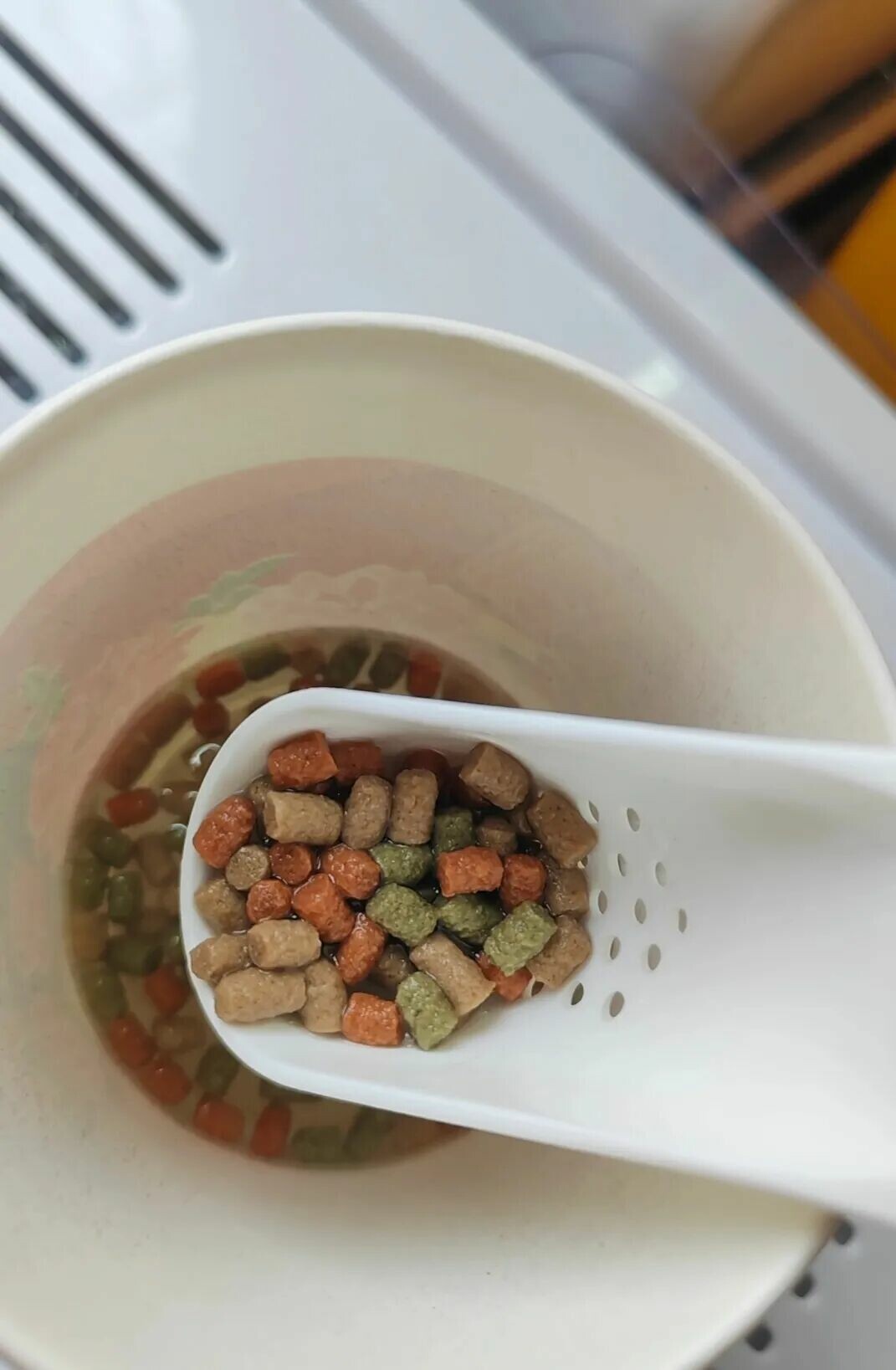
The period from early September to early October is key. At this time, the average temperature is 20–25°C, and the turtle’s digestive system is still active, so hurry and boost their nutrition! Recommended main food: High-energy turtle pellets; Best feeding time: Before 10 AM, to take advantage of higher temperatures for better digestion; Pair with sunlight exposure: This helps with digestion, heat absorption, and Vitamin D3 synthesis; Avoid feeding in the evening or at night, as it can easily lead to food stagnation!
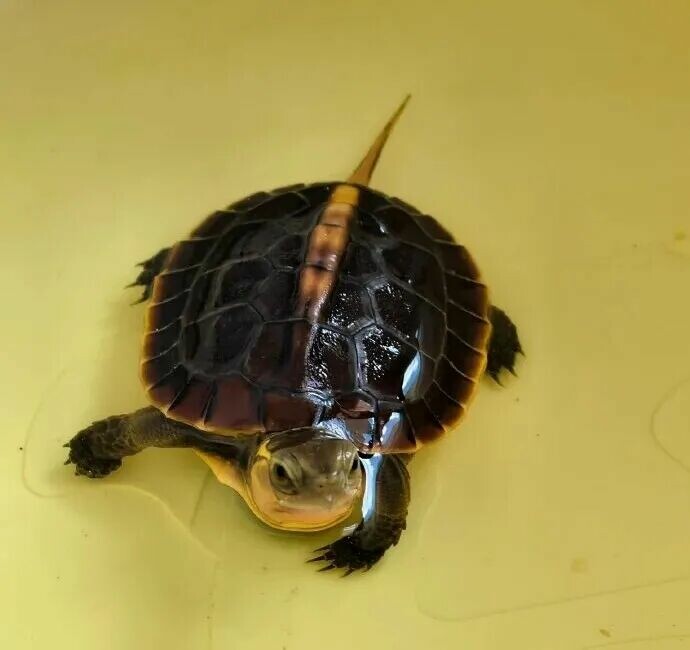
“Gut Cleansing” Procedure
Start when the water temperature drops below 22°C! “Gut cleansing” (emptying the intestinal tract) is crucial to prevent intestinal fermentation during hibernation! Week 1: Reduce feeding frequency to once every 2-3 days, gradually decreasing the amount. Week 2: After the temperature drops below 20°C, stop feeding completely and let the turtle empty its bowels naturally! Special reminder: Do not feed high-fat foods like pork in the autumn! Otherwise, it can easily cause steatitis or even intestinal rupture during hibernation!
Autumn Temperature Differences and Basking Platform Adjustment
When the day-night temperature difference exceeds 10°C, turtles are susceptible to colds or pneumonia! It is recommended to set up the basking platform like this:
- Submerge the basking platform completely in the water, allowing the turtle’s body to be underwater with only its head exposed for breathing;
- Avoid leaving parts of the turtle’s body exposed to the air, which can cause an excessive temperature difference (Note: This can be adjusted flexibly based on the actual temperature differences in your region. It’s not always necessary to lower the basking platform into the water. In my location, I never do this).

Recommended Common Hibernation Methods
Shallow Water Hibernation: Water level just covers the carapace, change the water with new, same-temperature water once a month (suitable for southern regions); Coco Coir Hibernation (from coco bricks or coco peat, a common reptile substrate): Soak and expand the coco brick and disinfect it, with a moisture level where it squeezes into a clump without falling apart (suitable for semi-aquatic and aquatic turtles); Mud-Water Hibernation: Yellow mud to water ratio = 1:3, sun-dry the soil beforehand for sterilization (simulates a natural environment). For all methods, ensure the ambient temperature can be stably maintained at 5–10°C, with minimal temperature fluctuation!
If the temperature is too low, below 0 degrees, the turtle will not be able to tolerate it for a long time.
Original article by 搬运工, if reproduced, please cite the source: https://www.kaipet.com/en/september-turtle-hibernation-prep-4-scientific-steps-ensure-beloved-turtle-overwinters-safely





Comments(2)
This ‘golden preparation period’ reminder is so timely! I’m curious, what’s your biggest challenge prepping turtles for hibernation?
@CriticX:We’re glad you found the ‘golden preparation period’ reminder timely! Turtle hibernation prep can certainly have its unique challenges, often revolving around maintaining stable temperatures or ensuring thorough gut cleansing. What specific hurdles have you faced? We encourage fellow enthusiasts to share their experiences!