

As a mid-to-high-end species in the turtle hobby, setting up a proper habitat for the Yellow-margined Box Turtle is an essential experience for all turtle keepers. Currently in the hobbyist circle, there are four main types of setups for these turtles: aquatic setups, box setups, brick-layered setups, and terrestrial (soil) setups.
Aquatic Setups for Yellow-margined Box Turtles
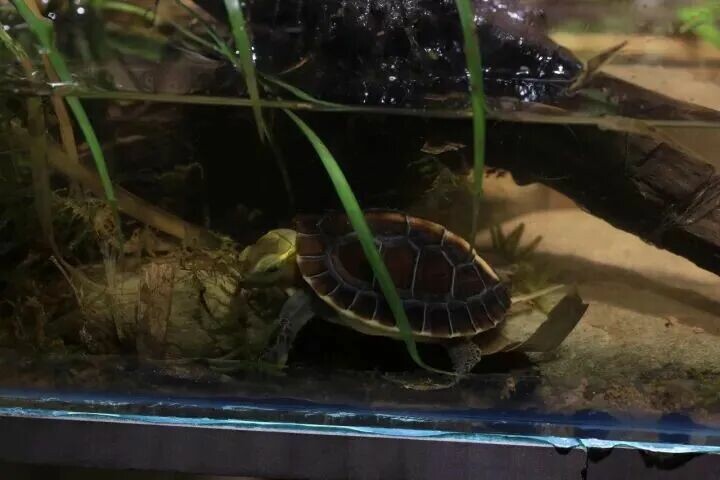
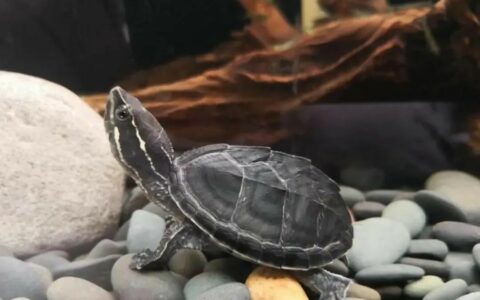
Because the Yellow-margined Box Turtle is a semi-aquatic species, it is possible to raise them in a water body like other aquatic turtles. However, according to feedback from hobbyists who have tried aquatic setups, the water level must be a certain height above the carapace; otherwise, as the turtle grows, its shell will deform, becoming hunched like a human’s back, resulting in a collapsed, flat, and ugly appearance. Besides aesthetic issues, aquatic setups also pose significant safety hazards. This is because although Yellow-margined Box Turtles are semi-aquatic, their swimming ability is generally poor, and their natural habits lean more towards land. An excessively high water level can lead to a risk of drowning—yes, turtles can drown too. Additionally, aquatic setups are prone to water-quality issues that can cause aquatic diseases, such as skin rot. Therefore, there are very few hobbyists in the community who raise Yellow-margined Box Turtles in water.
Box Setups for Yellow-margined Box Turtles
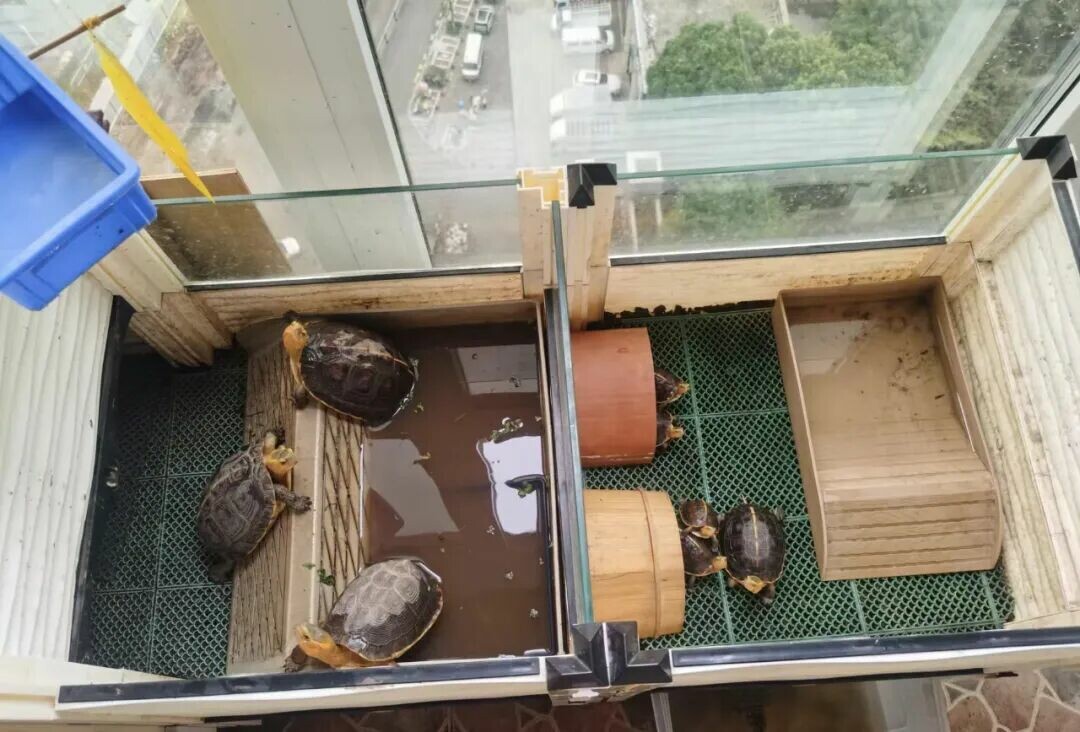
The box setup is essentially a simplified version of the brick-layered or terrestrial setups. It uses a storage tote or similar container, with a simple anti-slip mat or artificial turf mat laid down. Some keepers may also add a thin layer of soil as an upper substrate. This type of environment prioritizes simplicity and ease of maintenance. Because of its overall simplification, there is less scaping involved, which makes it easier to observe the turtle’s condition. The disadvantages are a certain lack of aesthetic appeal and the inability to fully satisfy the turtle’s natural instincts, like burrowing in soil, or to provide the necessary humidity.
Brick-Layered Setups for Yellow-margined Box Turtles
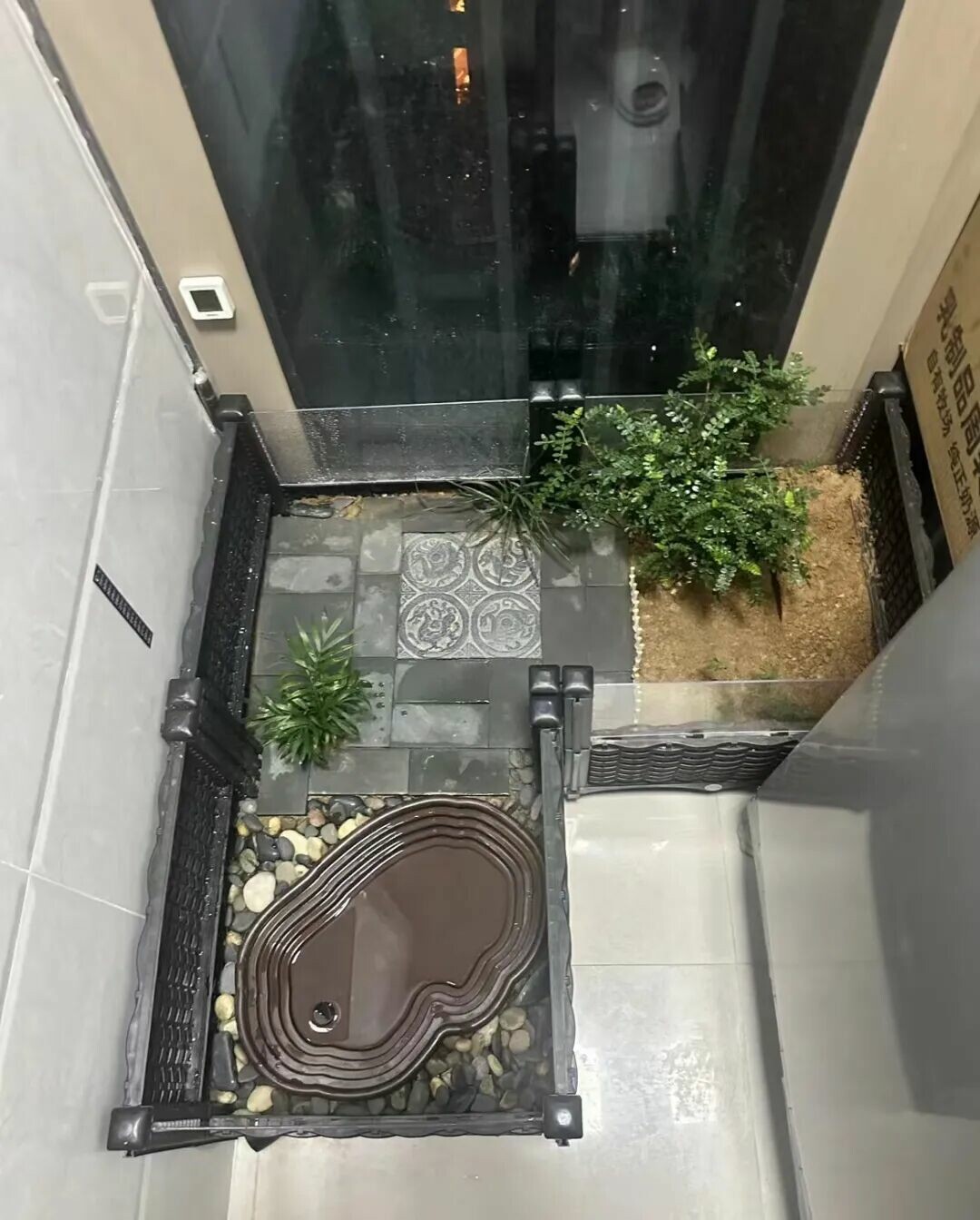
In the author’s opinion, the brick-layered setup is one of the most dedicated approaches among pet turtle keepers. This is because keepers who choose this method have generally considered or even experienced terrestrial setups and have made a balanced choice. Due to the Yellow-margined Box Turtle’s bold and highly interactive nature, it is not a pet that will quietly stay in a corner of its enclosure. On the contrary, it is a mischievous turtle nicknamed the “enclosure bulldozer.” Countless keepers have had their meticulously arranged enclosures destroyed. Thus, after seeing their lushly planted enclosures dug up into a pitted and uneven mess and the green plants knocked over within a week, many keepers choose to cover the soil with small ceramic pellets to preserve the naturalistic environment with its plants.
At the same time, the brick-layered setup also offers the highest aesthetic appeal, which is why many video bloggers choose it for their Yellow-margined Box Turtles. However, this setup certainly has its drawbacks. For example, as the turtle’s size or the number of turtles increases, their waste can produce a strong, pungent odor and get trapped in the gaps between the small ceramic pellets. Furthermore, the bottom substrate in these setups is often humus or garden soil, which are prime breeding grounds for mosquitoes and other insects. Covering the soil with bricks reduces its breathability, creating an ideal breeding nest for insect eggs. This makes it difficult to disinfect and clean, as each cleaning means a full teardown and re-scaping afterward.
Terrestrial (Soil) Setups for Yellow-margined Box Turtles
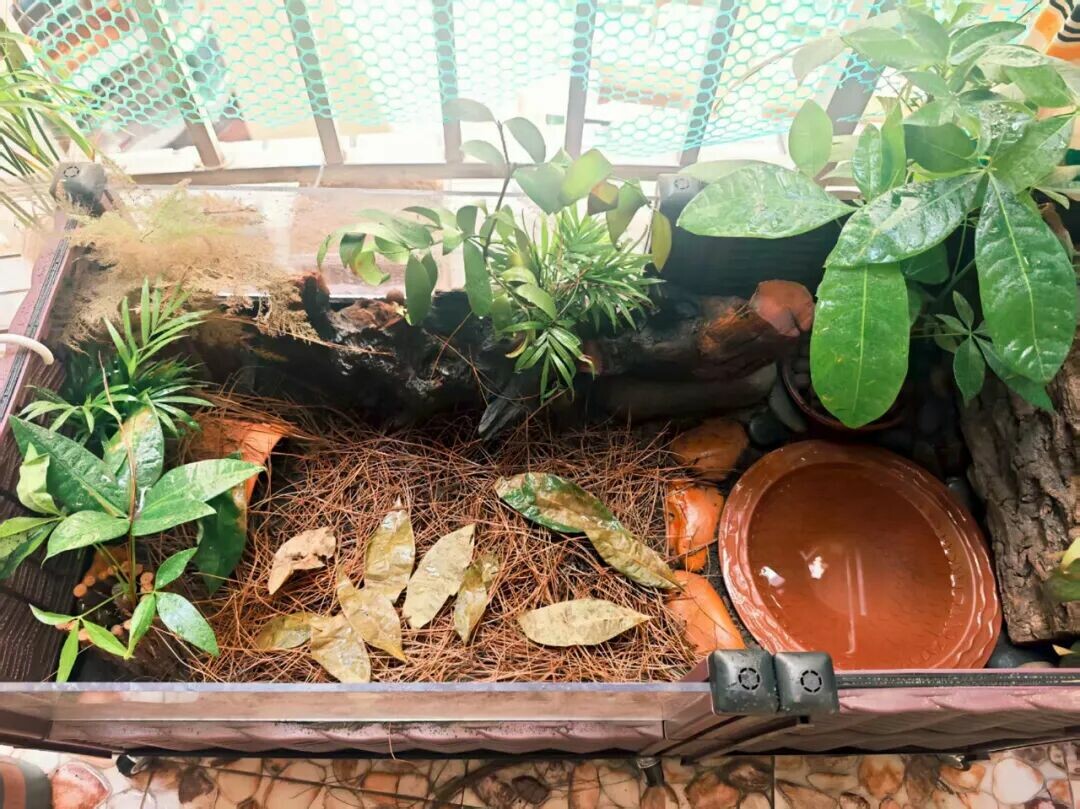
The terrestrial setup is the most common type of environment used by almost all Yellow-margined Box Turtle keepers. This is because, apart from the pursuit of a certain degree of redness in the specific An-yuan variant, the development of all Yellow-margined Box Turtles is related to their body shape. The quality of their growth and development heavily depends on the captive environment provided in their later life. The benefit of a terrestrial setup is that it allows the keeper to simulate a wild environment to the greatest extent possible. Through a combination of plants and soil, it satisfies the turtle’s natural instinct to burrow and provides the humidity needed for developing a high-domed shell.
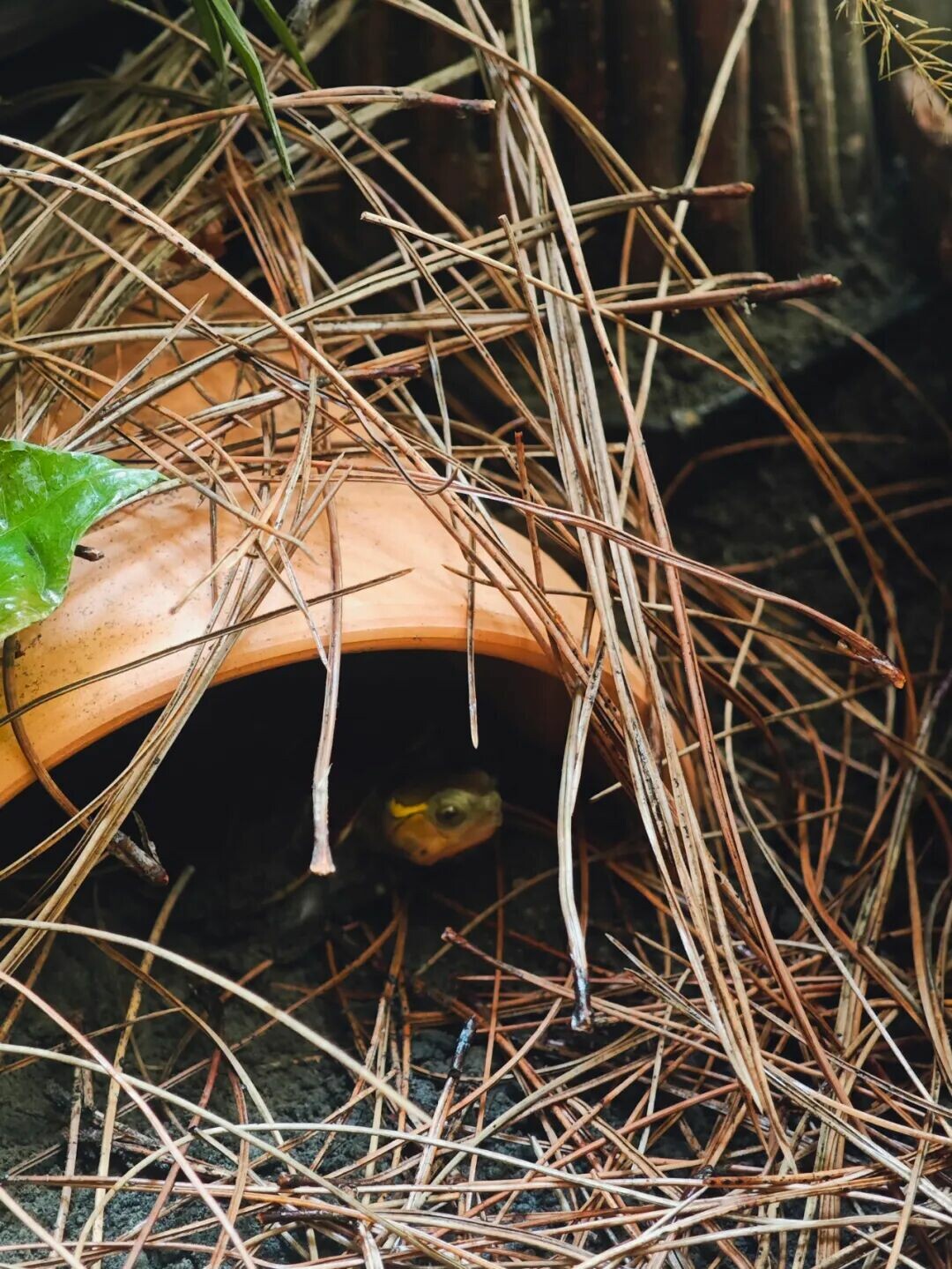
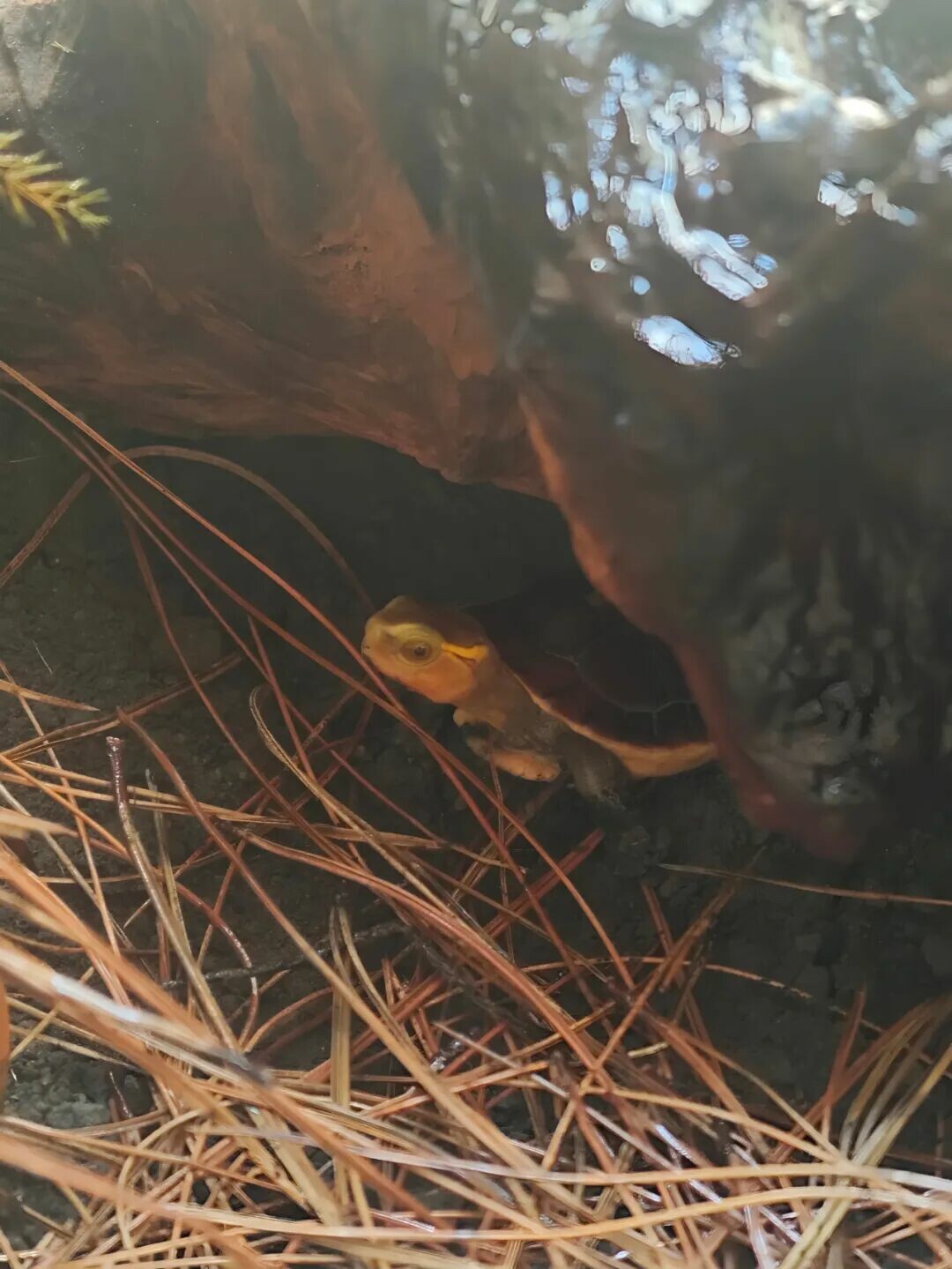
But of course, there are disadvantages. Like the brick-layered setup, the terrestrial setup also carries the risk of insect eggs, although it is easier to manage. At the same time, because keepers with terrestrial setups generally strive to create a naturalistic environment, the turtle’s “bulldozer”personality will often lead it to wreak havoc on the scaped plants until the area is barren, and only then will it stop. Also, in a terrestrial setup, the turtle will frequently “disappear,” having dug a hole somewhere to hide in.
Summary and Discussion
The above are the classifications of the current mainstream setups for raising Yellow-margined Box Turtles. I, the author, am also sharing my own setup below. Friends and netizens who are interested can also private message me to share your setups and exchange ideas.
Original article by 搬运工, if reproduced, please cite the source: https://www.kaipet.com/en/read-beginners-yellow-margined-box-turtles-raised-water-soil-comparative-analysis-setups


Comments(2)
This is such a comprehensive guide! I’ve heard about the ‘bulldozer’ nature – how do you manage plant destruction in your setup?
@CriticX:Thank you for your kind words! The ‘bulldozer’ nature is indeed a common challenge, as highlighted in the article. Many keepers explore resilient plant choices, protective barriers, or methods like the brick-layered setup to manage plant destruction. We hope the guide offers useful perspectives!